If you love the rich, smoky flavor of grilled meat, cooking a pork shoulder on a charcoal grill is a game-changer. You might think it’s complicated, but with the right steps, you can master this delicious dish at home.
Imagine biting into tender, juicy pork with a crispy, flavorful crust that melts in your mouth. In this guide, you’ll discover simple tips and tricks to make your pork shoulder a crowd-pleaser every time. Ready to impress your friends and family with your grilling skills?
Keep reading to learn how to get it just right.
Choosing The Right Pork Shoulder
Choosing the right pork shoulder is a crucial step before firing up your charcoal grill. The cut you pick will influence the flavor, cooking time, and final texture of your meat. Understanding the differences in pork shoulder types and how to prepare them can make your grilling experience much more satisfying.
Bone-in Vs Boneless
Bone-in pork shoulder usually has more flavor because the bone adds richness during cooking. The bone also helps the meat cook more evenly and stay juicy. However, boneless cuts are easier to handle and carve, especially if you’re short on time or prefer less fuss.
Think about your grill setup and how much attention you can give the meat. If you want a more hands-off cook and a cleaner carve at the end, boneless might be your best bet. On the other hand, if you want that deep, smoky flavor and don’t mind a bit of extra work, go for bone-in.
Size And Quality
The size of the pork shoulder matters a lot for charcoal grilling. A larger cut, around 6 to 8 pounds, works well for longer, slower cooking and feeds more people. Smaller cuts cook faster but can dry out if you’re not careful.
Quality is just as important. Look for pork with good marbling—those thin veins of fat running through the meat. This fat melts during cooking, keeping the shoulder tender and flavorful. If you can, buy from a local butcher or a trusted source to get fresher, higher-quality meat.
Trimming And Preparation
Before placing your pork shoulder on the grill, trim excess fat but don’t remove it all. A thin layer of fat helps keep the meat moist and adds flavor when it crisps up over the charcoal. Too much fat, though, can cause flare-ups and uneven cooking.
Pat the shoulder dry with paper towels to help the seasoning stick better. Don’t rush the seasoning—rub your favorite spices or marinade into every nook and cranny. This step sets the stage for a flavorful crust and juicy interior.
Preparing The Charcoal Grill
Preparing your charcoal grill properly sets the stage for perfectly cooked pork shoulder. It’s more than just lighting charcoal; it involves creating the right environment that allows slow, even cooking. Getting this part right can make a significant difference in flavor and tenderness.
Setting Up For Indirect Heat
Indirect heat is key for cooking a pork shoulder evenly without burning the outside. Arrange your charcoal on one side of the grill, leaving the other side empty. Place a drip pan under the grill grate on the empty side to catch fat and prevent flare-ups.
This setup creates two heat zones: one hot for searing and one cooler for slow cooking. Have you tried placing the pork shoulder over the empty side? This keeps the meat away from direct flames, allowing it to cook gently and stay juicy.
Managing Temperature Zones
Maintaining a steady temperature between 225°F and 275°F is crucial. Use a grill thermometer to monitor the heat and adjust the vents to control airflow. Opening vents increases oxygen, raising the temperature, while closing them lowers it.
Keep a close eye on your grill, especially during the first hour. If the temperature spikes, move some coals away or close the vents slightly. Have you noticed how small adjustments to airflow can stabilize your cooking temperature?
Choosing The Right Charcoal And Wood
Not all charcoal is created equal. Lump charcoal lights faster and burns hotter, while briquettes provide a longer, consistent heat. For pork shoulder, using a mix can give you both quick heat and steady temperature maintenance.
Adding wood chunks like hickory, apple, or cherry enhances the flavor with a smoky aroma. Avoid chips that burn too quickly; larger chunks last longer and provide a subtle smoke throughout the cook. What wood flavor do you enjoy most with pork? Experimenting here can turn your grill into a flavor powerhouse.
Seasoning And Marinating
Seasoning a pork shoulder enhances its natural flavors and creates a tasty crust during grilling. Marinating helps tenderize the meat and adds moisture for a juicy bite. Both steps prepare the pork for a smoky, delicious finish on the charcoal grill.
Seasoning and marinating are key to a delicious pork shoulder on a charcoal grill. These steps infuse the meat with flavors, making it juicy and tender. Seasoning not only enhances taste but also creates a beautiful crust. Marinating adds depth and complexity to the pork's flavor profile. Let's explore some effective ways to season and marinate.
Dry Rub Recipes
Dry rubs are a great way to add flavor. They create a tasty crust on the pork. Here are some simple recipes:
- Classic BBQ Rub:Mix paprika, brown sugar, salt, and pepper.
- Spicy Rub:Combine chili powder, cayenne pepper, and garlic powder.
- Herb Mix:Blend rosemary, thyme, salt, and garlic powder.
Marinade Options
Marinades penetrate deeper into the meat. They add moisture and flavor. Consider these options:
- Citrus Marinade:Combine orange juice, lime juice, and garlic.
- Soy-Ginger Marinade:Mix soy sauce, ginger, and honey.
- Apple Cider Marinade:Blend apple cider, vinegar, and mustard.
Applying Seasonings Effectively
Proper application ensures flavors reach every part of the pork. Start by patting the pork dry. This helps the seasoning stick better. Apply the dry rub generously all over. Use your hands to press it into the meat. For marinades, place the pork in a resealable bag. Pour the marinade over it. Seal the bag and massage gently. Let it sit in the fridge for a few hours. This allows flavors to develop fully.
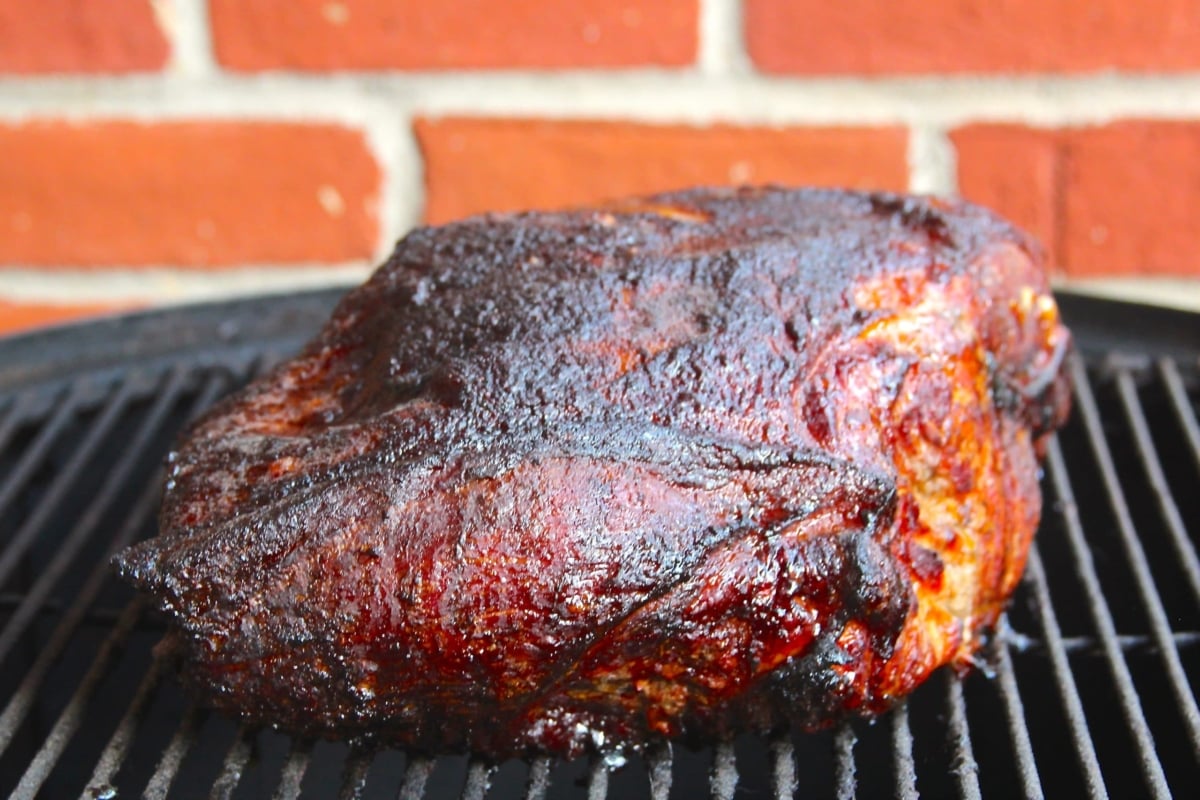
Credit: amazingribs.com
Cooking Techniques
Cooking a pork shoulder on a charcoal grill demands attention to technique. The difference between smoking and grilling can change your results dramatically. Controlling heat and moisture affects the tenderness and flavor of your meat. Let’s break down these crucial elements so you can get the best from your grill.
Smoking Vs Grilling
Smoking uses low, indirect heat over several hours. This slow cooking breaks down tough fibers in pork shoulder, making it tender and juicy. You add wood chips to create smoke, which infuses deep flavors into the meat.
Grilling, on the other hand, means cooking over direct high heat. It’s faster but can dry out the pork shoulder if you’re not careful. Think of grilling more for searing or finishing, rather than the whole cooking process.
Have you tried mixing these techniques? Start with smoking to tenderize, then finish with a quick grill for a crispy crust.
Maintaining Consistent Heat
Keeping your charcoal grill at a steady temperature is key. Fluctuating heat can cause uneven cooking and tough spots in the pork. Use a grill thermometer to monitor the temperature regularly.
Arrange your coals in a two-zone setup: one side with hot coals for searing, and the other with fewer coals for slower cooking. This gives you control over the heat by moving the pork shoulder between zones.
Don't open the grill too often. Each time you lift the lid, heat escapes, and your cooking time extends. Patience is tough but essential here.
Using A Water Pan For Moisture
Adding a water pan inside your grill helps maintain humidity. This extra moisture prevents the pork shoulder from drying out during long cooking sessions. It also helps stabilize the grill temperature.
Place a shallow pan filled with water below the pork, away from direct heat. You can add herbs or apple slices to the water for subtle aroma enhancements.
Have you noticed how moist pork tastes better and pulls apart easily? This simple trick can make a big difference in your final dish.
Monitoring And Timing
Monitoring and timing are key to cooking pork shoulder on a charcoal grill. The process takes hours, and patience brings the best taste. Careful checking helps avoid dry or undercooked meat.
Constant attention to temperature and timing ensures a juicy and tender result. Using simple tools and knowing the right moments to act makes the experience smooth.
Using A Meat Thermometer
A meat thermometer is a must-have tool. Insert it into the thickest part of the shoulder, avoiding bone and fat. This gives an accurate reading of the meat’s internal heat.
Check the temperature every 30 minutes after the first hour. This helps track progress without opening the grill too often. Opening the lid loses heat and extends cooking time.
Ideal Internal Temperature
The ideal temperature for pork shoulder is 195°F to 205°F (90°C to 96°C). At this range, the meat breaks down and becomes tender. It pulls apart easily with a fork.
Do not rush the process. Lower heat and slow cooking work better than high heat. This way, the pork stays moist and flavorful.
Resting The Meat
After grilling, rest the pork shoulder for at least 20 minutes. Wrap it in foil to keep heat inside. Resting lets juices redistribute, making the meat juicy.
Cutting too soon causes the juices to spill out. Resting improves texture and taste. Patience at this stage rewards with delicious meat.
:max_bytes(150000):strip_icc()/2026080120260722-SEA-St.LouisPorkSteak-Twobites-HERO-405d59a847eb4af880865bbbec24f312.jpg)
Credit: www.seriouseats.com
Serving Suggestions
Serving a pork shoulder cooked on a charcoal grill offers many tasty options. How you serve it can change the whole meal experience. From cutting styles to sauces and side dishes, each choice affects flavor and texture. These ideas help you enjoy your grilled pork to the fullest.
Slicing Vs Pulling
Slicing pork shoulder creates neat, tender pieces. It works well for sandwiches or plated meals. Pulling the meat makes it stringy and soft. Pulled pork fits perfectly in buns or tacos. Choose slicing for firm bites and pulling for a juicy, shredded texture.
Pairing With Sauces
- Classic barbecue sauce adds sweet and smoky flavor.
- Mustard-based sauces give a tangy, sharp taste.
- Vinegar sauces brighten the rich pork with acidity.
- Spicy sauces add heat and balance the meat's richness.
Try small amounts first. Find what suits your taste best.
Side Dishes To Complement
- Coleslaw adds crunch and freshness to the plate.
- Baked beans bring sweetness and a soft texture.
- Grilled vegetables match the smoky grill flavor well.
- Cornbread offers a slightly sweet and crumbly contrast.
- Potato salad adds creaminess and coolness to the meal.
Mix and match sides for a balanced, satisfying dish.
Troubleshooting Common Issues
Cooking pork shoulder on a charcoal grill can present some challenges. Knowing how to fix common problems helps keep your meat juicy and flavorful. This section covers simple solutions for typical issues that may arise during grilling.
Dry Meat Fixes
Dry pork shoulder happens when the meat loses too much moisture. To prevent dryness, wrap the meat in foil during cooking. This traps steam and keeps the pork tender. Another tip is to baste the meat regularly with a mixture of apple juice or broth. This adds moisture and flavor.
Rest the meat after grilling. Let it sit for 15-20 minutes covered with foil. This allows juices to redistribute inside the pork, making it juicy and soft.
Flare-ups And Temperature Drops
Flare-ups occur when fat drips onto hot coals, causing flames. Move the pork away from direct flames to avoid burning. Keep a spray bottle of water nearby to control flare-ups gently.
Temperature drops happen when you add too many coals at once or open the grill too often. Add small amounts of charcoal gradually. Limit opening the grill lid to keep heat steady.
Overcooked Or Undercooked Tips
Overcooked pork becomes dry and tough. Use a meat thermometer to check doneness early. Remove the meat when it reaches 195°F (90°C) for tender pork.
Undercooked pork is unsafe and chewy. Grill longer at low heat. Check with a thermometer to ensure it reaches at least 145°F (63°C) inside.
Cut into the thickest part to check color. It should be light pink, not raw or dark red.
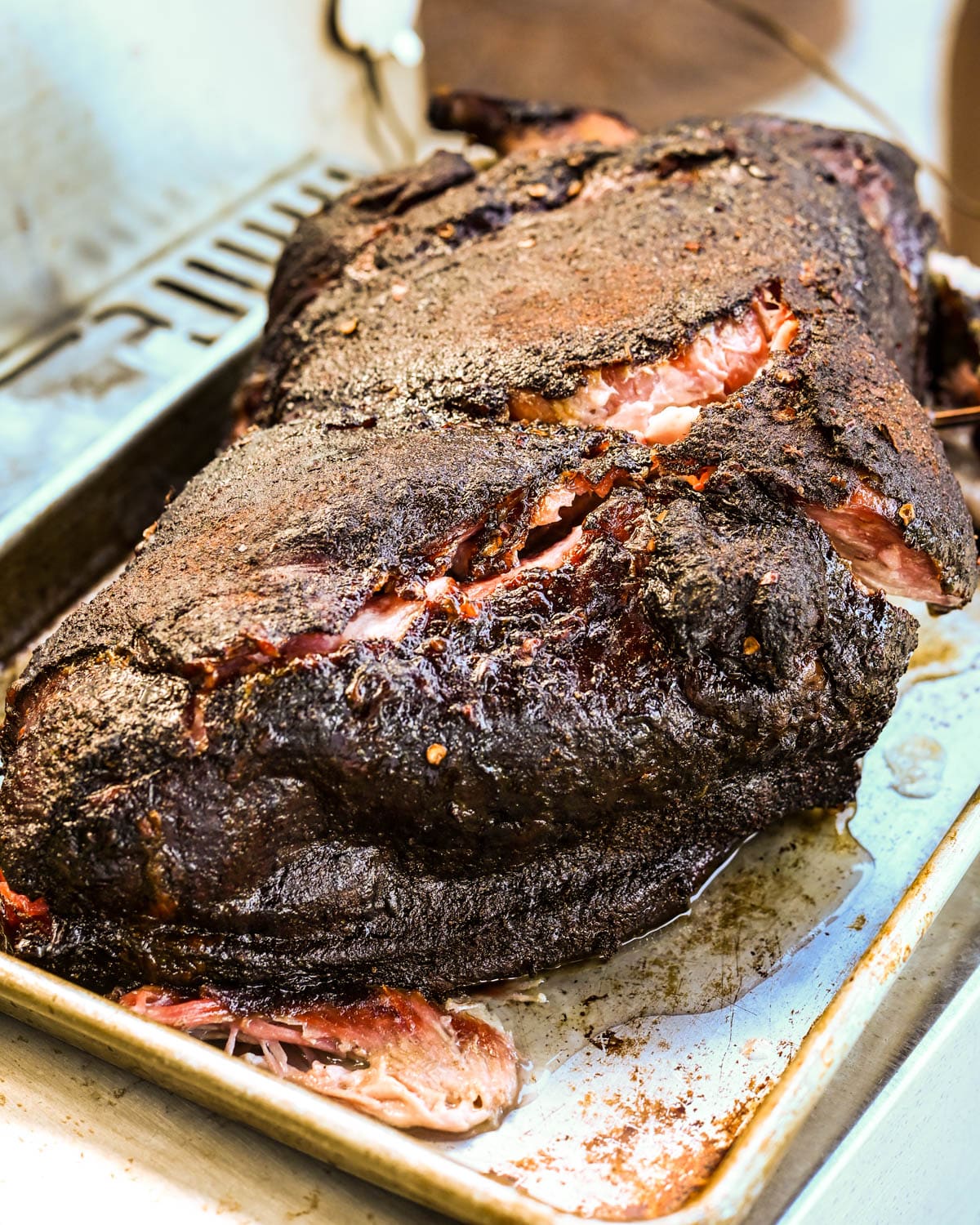
Credit: www.garlicandzest.com
Frequently Asked Questions
How Long To Cook Pork Shoulder On Charcoal Grill?
Cook pork shoulder for 4 to 6 hours on indirect charcoal heat. Maintain grill temperature around 225-250°F. Use a meat thermometer; target internal temperature is 195-205°F for tender meat. This slow cooking breaks down collagen for juicy, flavorful pork.
What Charcoal Type Is Best For Pork Shoulder?
Use lump charcoal or natural hardwood briquettes. They provide steady, high heat and add smoky flavor. Avoid quick-light charcoal as it can burn unevenly and impart chemical taste. Hardwood like hickory or apple wood enhances pork’s smoky aroma.
How To Maintain Temperature On Charcoal Grill?
Control airflow with vents to regulate oxygen and temperature. Add charcoal gradually to maintain steady heat around 225-250°F. Use a grill thermometer for accuracy. Avoid opening the lid frequently to keep temperature stable during long cooks.
Should Pork Shoulder Be Marinated Before Grilling?
Marinating pork shoulder adds flavor and tenderness. Use a mixture of oil, acid (vinegar or citrus), spices, and herbs. Marinate for at least 4 hours or overnight in the refrigerator for best results. It enhances moisture retention and taste.
Conclusion
Cooking pork shoulder on a charcoal grill takes time and patience. Keep the heat steady and watch the meat closely. Use a good rub and maintain the smoke for the best flavor. Let the pork rest before slicing. Serve it with your favorite sides.
This method brings out rich, smoky taste every time. Try it for your next barbecue and enjoy simple, delicious results.