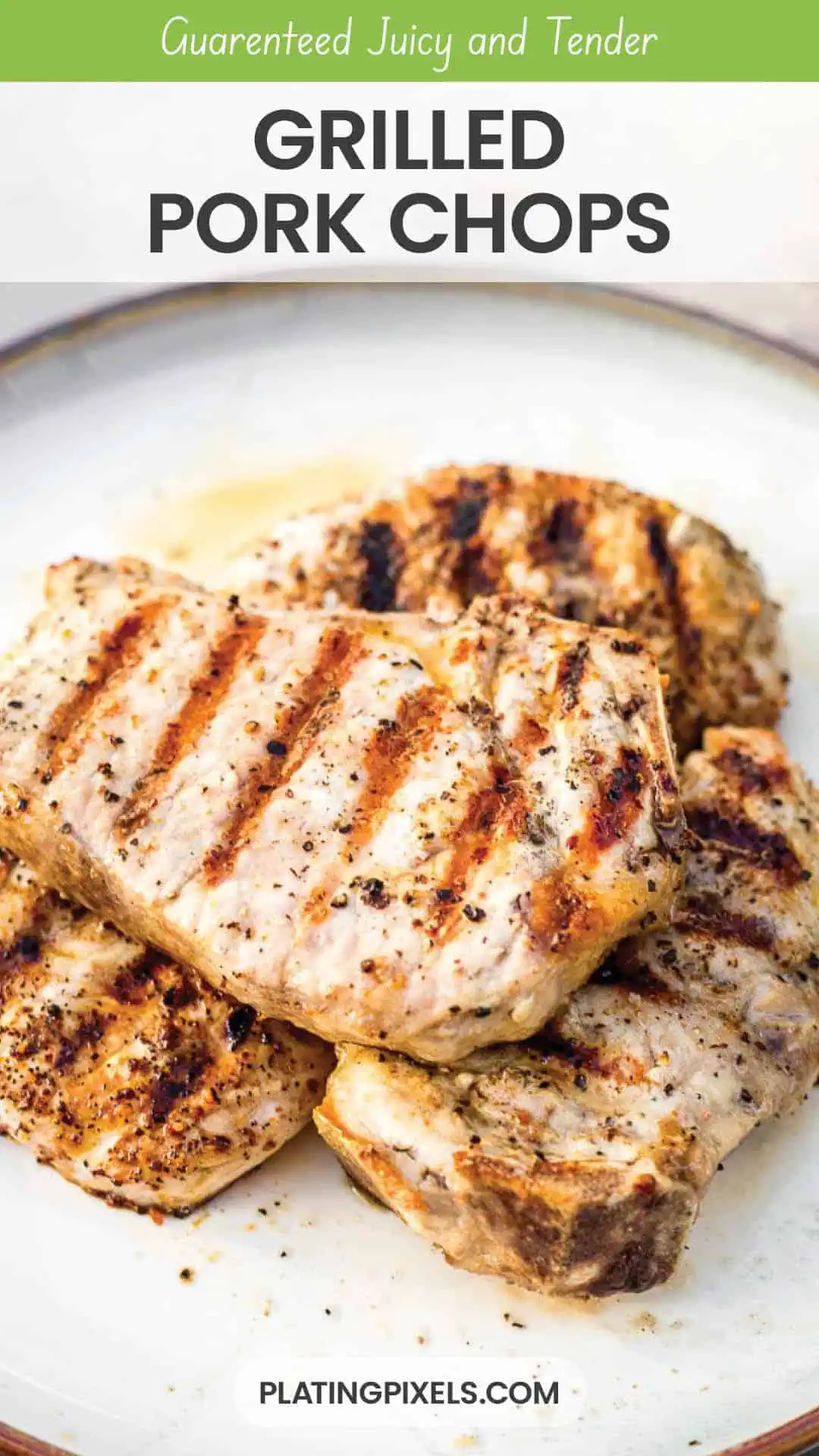
If you’ve ever wanted to master the art of cooking a juicy, tender pork shoulder on your gas grill, you’re in the right place. This isn’t just any cook—it's about turning a simple cut of meat into a mouthwatering meal that will impress your family and friends.
You might think it’s complicated or time-consuming, but with the right steps, you’ll find it’s easier than you expect. Keep reading, and soon you’ll have the confidence to grill pork shoulder like a pro, unlocking flavors that will make every bite unforgettable.
Choosing The Right Pork Shoulder
Choosing the right pork shoulder is the first step to a delicious grilled meal. The quality and cut affect the texture and flavor of the meat. Proper selection ensures juicy, tender results after cooking on a gas grill.
Selecting The Best Cut
Look for a pork shoulder with good marbling. Fat within the meat keeps it moist and adds flavor. Choose a cut weighing between 4 to 7 pounds for even cooking. Avoid meat with large, hard fat pockets. Bone-in shoulders add more flavor but take longer to cook. Boneless cuts are easier to handle and carve.
Preparing The Meat
Trim excess fat, leaving a thin layer for flavor. Remove silver skin for better seasoning absorption. Pat the pork dry with paper towels. Apply a dry rub or marinade to enhance taste. Let the meat rest in the refrigerator for a few hours or overnight. This step helps the flavors penetrate deeply.
Setting Up Your Gas Grill
Setting up your gas grill correctly is essential for cooking pork shoulder evenly. Proper setup controls temperature and smoke flow. These factors create tender, flavorful meat.
Cleaning And Preheating
Start with a clean grill grate to prevent sticking. Use a grill brush to remove old food and debris.
Preheat the grill for 15 minutes. Set the burners to medium-high heat. This warms the grill evenly and kills bacteria.
Creating Heat Zones
Turn off one or two burners to create indirect heat zones. Keep the other burners on medium heat.
Place the pork shoulder over the cooler side. This allows slow, even cooking without burning.
Use a drip pan under the meat to catch fat and avoid flare-ups. This keeps the grill cleaner and safer.
Seasoning And Marinating
Seasoning and marinating are the heart of flavor when cooking pork shoulder on a gas grill. They transform the meat, making it tender, juicy, and packed with taste. Without the right prep, even the best grill can’t deliver that mouthwatering experience you’re after.
Simple Dry Rubs
Dry rubs are easy to make and let the pork’s natural flavors shine through. Mix together basic ingredients you likely have on hand, such as:
- Salt and black pepper
- Garlic powder
- Smoked paprika
- Brown sugar for a touch of sweetness
Rub this mixture generously over your pork shoulder, making sure to cover every inch. The salt helps the meat retain moisture, while the spices create a flavorful crust when grilled. I've found that letting the rub sit on the meat for at least an hour before grilling makes a noticeable difference in taste.
Marinade Ideas For Juiciness
Marinating adds moisture and deep flavor to pork shoulder. A simple marinade can combine acidic ingredients with herbs and spices to tenderize the meat. Try mixing:
- Apple cider vinegar or lemon juice
- Olive oil
- Minced garlic and fresh rosemary
- A splash of soy sauce for umami
Let your pork shoulder soak in the marinade for at least 4 hours, or overnight if possible. This helps break down tougher fibers and adds layers of flavor. Have you ever noticed how a good marinade can make even a tough cut feel like butter in your mouth?

Credit: www.youtube.com
Grilling Techniques For Pork Shoulder
Grilling pork shoulder requires specific techniques to achieve tender, juicy meat with a smoky flavor. Controlling heat and maintaining temperature are key. These methods help break down the tough fibers and render the fat perfectly.
Using Indirect Heat
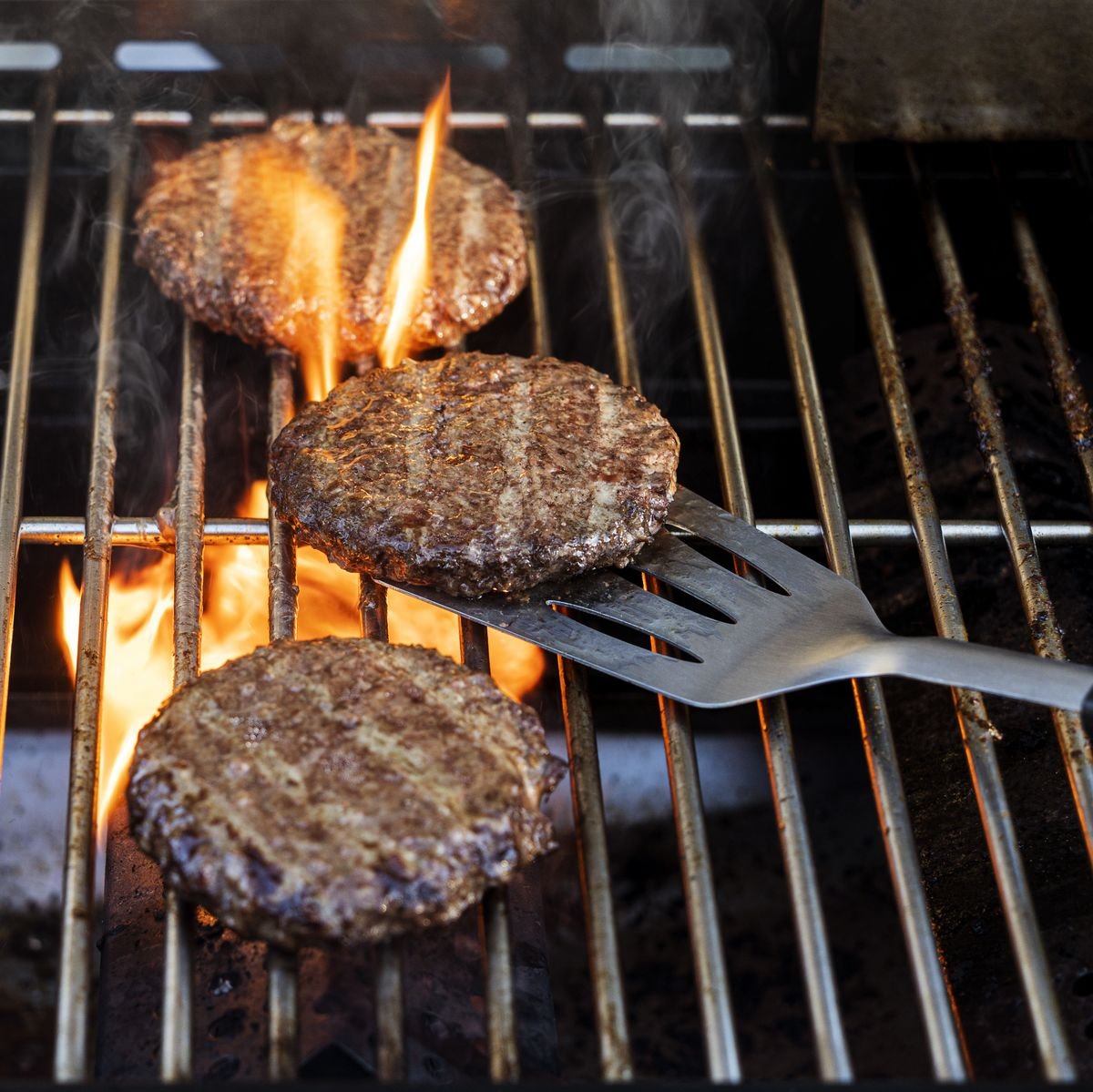
Indirect heat cooks the pork slowly without burning the outside. Turn on one side of the gas grill and place the pork on the opposite side. This setup avoids direct flames touching the meat.
Close the grill lid to trap heat and smoke. This process creates an oven-like environment. The slow cooking tenderizes the pork and allows flavors to develop deeply.
Maintaining Consistent Temperature
Keep the grill temperature steady between 225°F and 275°F for best results. Use the grill’s built-in thermometer or a digital probe to monitor heat.
Adjust burners as needed to avoid temperature spikes. Avoid opening the lid often because it lets heat escape. Consistent temperature ensures even cooking and juicy pork shoulder every time.
Monitoring And Timing
Keep a close eye on the grill's temperature for perfect pork shoulder. Regularly check the internal meat temperature.
Cooking a pork shoulder on a gas grill requires careful monitoring and timing. Grilling this cut to perfection enhances its flavors. The key is to keep a close eye on the temperature and time.
Using A Meat Thermometer
A meat thermometer is your best friend for grilling. Insert it into the thickest part of the pork. Make sure it doesn't touch bone. This ensures an accurate reading. Keep the grill closed as much as possible. Only open it when necessary. This helps maintain a consistent temperature.
Estimating Cook Time
Estimate the cook time based on the weight of the pork shoulder. Generally, allow about 90 minutes per pound. Check the temperature every 30 minutes. Adjust the grill settings to keep a steady heat. Aim for an internal temperature of 195°F to 205°F. This range ensures tender, juicy meat. Remember, patience is key. Cooking low and slow yields the best results.

Credit: grillinwithdad.com
Resting And Serving
Resting and serving are crucial steps after cooking pork shoulder on a gas grill. Resting lets the juices settle. This makes the meat tender and juicy. Serving it right keeps the flavors rich and appealing.
Letting The Meat Rest
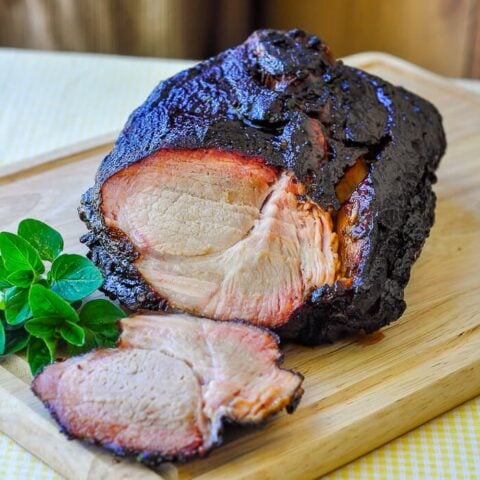
Remove the pork shoulder from the grill. Place it on a clean cutting board. Cover loosely with foil to keep heat. Let it rest for 20 to 30 minutes. This helps the juices spread evenly inside the meat. Avoid cutting it too soon. Cutting early causes the juices to run out. Resting improves the texture and taste significantly.
Slicing And Presentation Tips
Use a sharp knife for clean slices. Cut against the grain of the meat. This makes the pork easier to chew. Slice into medium-thick pieces. Arrange slices neatly on a platter. Garnish with fresh herbs for color. Serve with your favorite sides or sauces. Present the pork shoulder attractively for a great first impression. Simple presentation can make the meal feel special.
Troubleshooting Common Issues
Cooking pork shoulder on a gas grill can sometimes throw unexpected challenges your way. Troubleshooting these common issues ensures your meat turns out juicy and flavorful every time. Let’s tackle some problems that often trip up even experienced grillers, so you can keep your cooking on point.
Avoiding Dryness
Dry pork shoulder is a disappointment you want to avoid. The key is maintaining the right temperature—too high, and the meat dries out quickly. Keep your grill set to low and slow, around 225-250°F, to let the pork shoulder cook evenly and retain moisture.
Another trick is to use a water pan inside the grill. It adds humidity and helps the meat stay juicy. Don’t forget to baste the pork occasionally with its own juices or a marinade to add flavor and moisture.
Have you considered wrapping the pork shoulder in foil or butcher paper partway through cooking? This technique, called the “Texas Crutch,” traps moisture and speeds up cooking without sacrificing tenderness.
Dealing With Flare-ups
Flare-ups can char your pork shoulder and ruin the taste. They happen when fat drips onto the flames, causing sudden bursts of fire. To prevent this, trim excess fat from the shoulder before grilling.
Keep a spray bottle of water handy to control any unexpected flames quickly. Position your pork away from direct flames by using indirect heat zones on your grill.
Have you ever tried placing a drip pan under the meat? It catches fat drippings and reduces flare-ups, making your grilling safer and more consistent. Managing flare-ups means better control over your cooking and a perfectly smoked pork shoulder.
Credit: www.rockrecipes.com
Frequently Asked Questions
How Long To Cook Pork Shoulder On A Gas Grill?
Cook pork shoulder for about 1. 5 to 2 hours per pound on low heat. Maintain a grill temperature around 225°F to 250°F for tender, juicy results.
What Is The Best Temperature For Grilling Pork Shoulder?
Keep your gas grill between 225°F and 250°F. This low and slow method ensures even cooking and tender meat.
Should Pork Shoulder Be Wrapped While Grilling?
Yes, wrapping pork shoulder in foil or butcher paper after several hours helps retain moisture and speeds up cooking.
How To Prevent Pork Shoulder From Drying Out On Grill?
Use indirect heat, maintain low temperatures, and wrap the meat mid-way. Also, baste occasionally to keep it juicy.
Conclusion
Cooking pork shoulder on a gas grill takes time and patience. Keep the temperature steady and cook low and slow. Use a meat thermometer to check doneness. Let the meat rest before slicing. This keeps it juicy and tender. Serve with your favorite sides for a tasty meal.
Enjoy the rich flavors and smoky aroma. Grilling pork shoulder is simple with these easy steps. Try it soon and taste the difference.