If you’ve ever wanted to master the art of cooking a pork shoulder on a charcoal grill, you’re in the right place. This cut of meat is full of flavor but can be tricky to cook just right.
You want it tender, juicy, and packed with smoky goodness. Imagine biting into a perfectly grilled pork shoulder that melts in your mouth and has everyone asking for your secret. In this guide, you’ll learn simple steps and insider tips that make this happen every time.
Ready to turn your grill into a flavor powerhouse? Let’s get started.
Choosing The Right Pork Shoulder
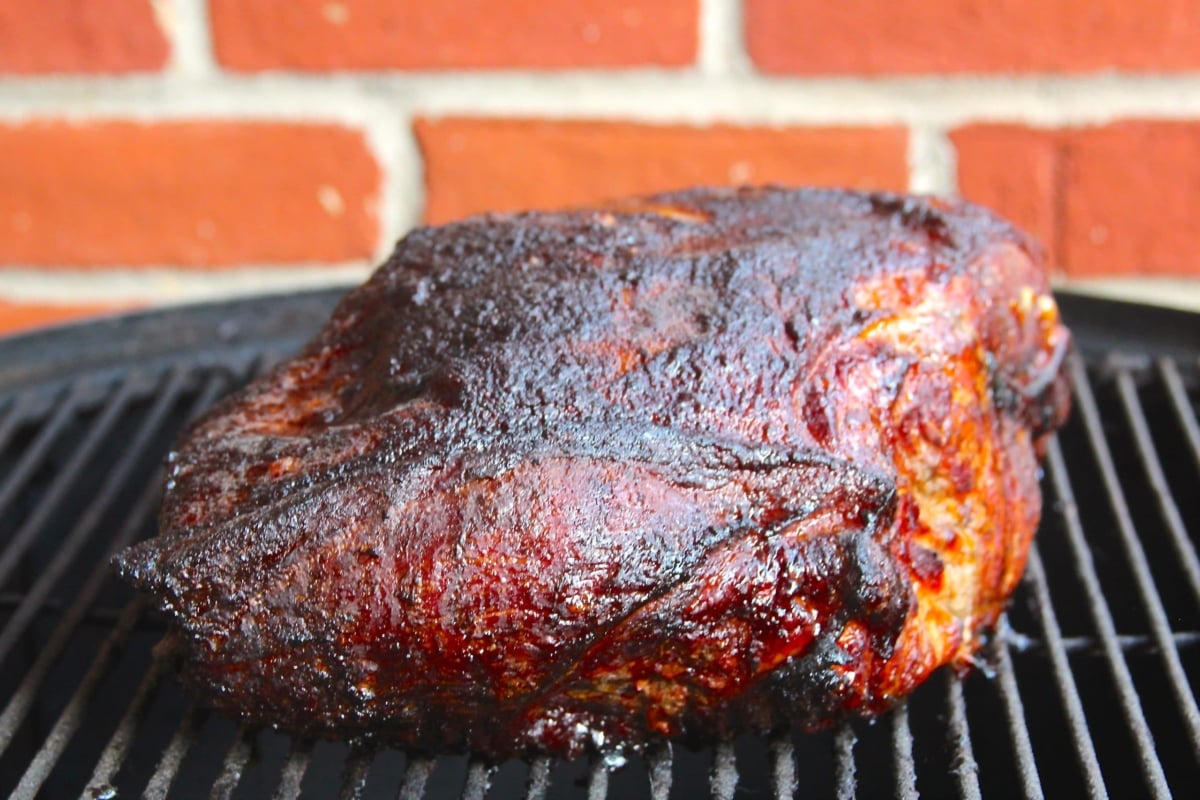
Choosing the right pork shoulder is the first step to mastering cooking on a charcoal grill. The cut you pick affects the flavor, cooking time, and final texture of your dish. Knowing what to look for will help you make a confident choice and set you up for delicious results.
Bone-in Vs Boneless
Bone-in pork shoulder often delivers more flavor. The bone helps conduct heat evenly and keeps the meat juicy during long cooking sessions. You might notice that the meat near the bone is more tender and tasty.
Boneless pork shoulder is easier to handle and carve. It can also cook a bit faster because there’s no bone to work around. If you want simpler preparation or plan to stuff the shoulder, boneless might be your best bet.
Size And Weight Considerations
Pork shoulders come in various sizes, usually ranging from 4 to 10 pounds. Think about how many people you’re feeding and your grill’s capacity. A 6-pound shoulder is often perfect for a family meal and fits well on most charcoal grills.
Remember that larger cuts take longer to cook. If you’re short on time, choose a smaller shoulder or consider cutting it into pieces. Cooking evenly is easier when the meat isn’t too bulky.
Quality And Freshness Tips
Look for pork shoulders with a fresh, pinkish-red color. Avoid any meat that looks gray or has a strong odor. Fresh pork should feel firm but slightly springy to the touch.
Check the fat marbling as well. A good balance of fat ensures moist, flavorful meat after hours on the grill. Asking your butcher about the source can also lead to better quality cuts and a tastier end result.
Credit: amazingribs.com
Preparing The Pork Shoulder
Preparing the pork shoulder correctly is key to a delicious grilled meal. This stage sets the base for flavor and texture. Proper preparation ensures the meat cooks evenly and stays juicy.
Trimming Excess Fat
Start by trimming large fat layers from the pork shoulder. Leave some fat to keep the meat moist. Too much fat can cause flare-ups on the grill. Use a sharp knife to remove thick fat caps and any silver skin.
Applying Dry Rubs And Marinades
Dry rubs add flavor and create a tasty crust. Mix salt, pepper, paprika, garlic powder, and brown sugar for a simple rub. Coat the pork shoulder evenly with the rub. Marinades work well too. Use a mixture of oil, vinegar, and spices. Let the meat soak up the flavors for at least an hour or overnight in the fridge.
Letting The Meat Rest
After seasoning, let the pork sit at room temperature for 30 minutes. This helps the meat cook more evenly. Resting also lets the rub or marinade penetrate deeper. Avoid grilling cold meat straight from the fridge.
Setting Up The Charcoal Grill
Setting up your charcoal grill properly is the foundation for cooking a perfect pork shoulder. It’s not just about lighting the coals; how you arrange them and control the temperature can make or break your cook. Taking time here ensures your pork cooks evenly and absorbs that smoky flavor you crave.
Arranging Charcoal For Indirect Heat
For a pork shoulder, you need indirect heat to cook it low and slow without burning the outside. Push the charcoal to one side of the grill or arrange it in a ring around the edges, leaving the center free. This setup creates a cooler zone where you place your pork shoulder, allowing it to cook gently.
Think about your grill’s size and shape; a two-zone setup works best for most charcoal grills. You want the pork shoulder away from direct flames but close enough to benefit from the heat circulating inside. This technique mimics an oven’s environment, perfect for slow roasting.
Controlling Temperature
Maintaining a stable temperature between 225°F and 275°F is crucial. Use the grill’s vents to control airflow: opening them increases oxygen and heat, closing them lowers it. Check your grill’s built-in thermometer or use a separate one to monitor the temperature consistently.
Adjusting vents might seem tricky at first, but small changes have a big impact. Have you noticed how a slight vent opening can spike the heat quickly? Patience and attention here save you from flare-ups and uneven cooking.
Adding Wood Chips For Smoke
Adding wood chips enhances the flavor, giving your pork shoulder that authentic smoky taste. Soak your chips in water for at least 30 minutes to prevent them from burning too fast. Then, sprinkle them over the hot coals right before placing the meat on the grill.
Different woods produce different flavors—hickory gives strong, bacon-like smoke, while applewood offers a mild, sweet aroma. Experiment with blends to find your favorite. What smoky flavor do you want to create for your next cook?
Grilling Process
Grilling a pork shoulder on a charcoal grill is a rewarding challenge that demands attention and patience. The process transforms a tough cut into tender, flavorful meat with a smoky crust. Understanding how to manage the grill and monitor the pork throughout cooking is key to success.
Placing The Pork On The Grill
Start by setting up your charcoal grill for indirect heat. Pile the coals on one side, leaving the other side empty for the pork shoulder. This setup prevents direct flames from burning the meat while allowing it to cook slowly and evenly.
Place the pork shoulder on the cooler side of the grill, fat side up. This position lets the melting fat baste the meat naturally. Don't rush this step—positioning affects how well the pork cooks over several hours.
Maintaining Consistent Heat
Keeping your grill temperature steady between 225°F and 250°F is crucial. Too hot, and the pork will dry out; too cool, and cooking will drag on indefinitely. Use a grill thermometer to check the temperature regularly.
Adjust your charcoal by adding small amounts every hour or so instead of dumping a big batch at once. This helps maintain that low, steady heat without spikes. Pay attention to wind and weather, as they can cause temperature fluctuations.
Monitoring Internal Temperature
Using a reliable meat thermometer is your best tool for perfect doneness. Insert it into the thickest part of the pork shoulder, avoiding bone. You're aiming for an internal temperature of about 195°F to 205°F for tender, pull-apart meat.
Check the temperature every 30 minutes after the first few hours. Remember, the pork will continue to cook slightly after you remove it from the grill, so pulling it off at the right time is crucial. Have you ever grilled meat only to find it tough or undercooked? Monitoring temperature closely eliminates that guesswork.
Wrapping And Resting
After hours of slow cooking your pork shoulder over charcoal, the next crucial phase is wrapping and resting. This step locks in moisture and allows the meat to finish tenderizing, making a huge difference in the final texture and flavor. Skipping or rushing this part can leave your pork dry or tough, no matter how well you grilled it.
When And How To Wrap
Wrap your pork shoulder when it reaches an internal temperature of about 160°F (71°C). At this point, the meat has developed a flavorful crust, but the collagen inside still needs time to break down.
Use heavy-duty aluminum foil or butcher paper to wrap the shoulder tightly. Butcher paper allows some airflow, which helps maintain the bark’s texture, while foil traps more moisture for a softer exterior. Choose based on your texture preference.
After wrapping, return the pork to the grill, positioning it away from direct heat. This indirect heat will continue cooking the meat gently without burning the outside.
Resting Time For Juicy Meat
Resting is where the magic happens. Once the pork shoulder reaches an internal temperature of around 203°F (95°C), take it off the grill but keep it wrapped.
Let it rest for at least 1 to 2 hours. This pause allows the juices to redistribute evenly throughout the meat, making every bite juicy and flavorful.
Have you ever cut into a roast right away and noticed the juices spilling out? Resting prevents this, so your pork stays moist and tender. Wrapping the meat during rest also keeps it warm without drying out.
Carving Techniques
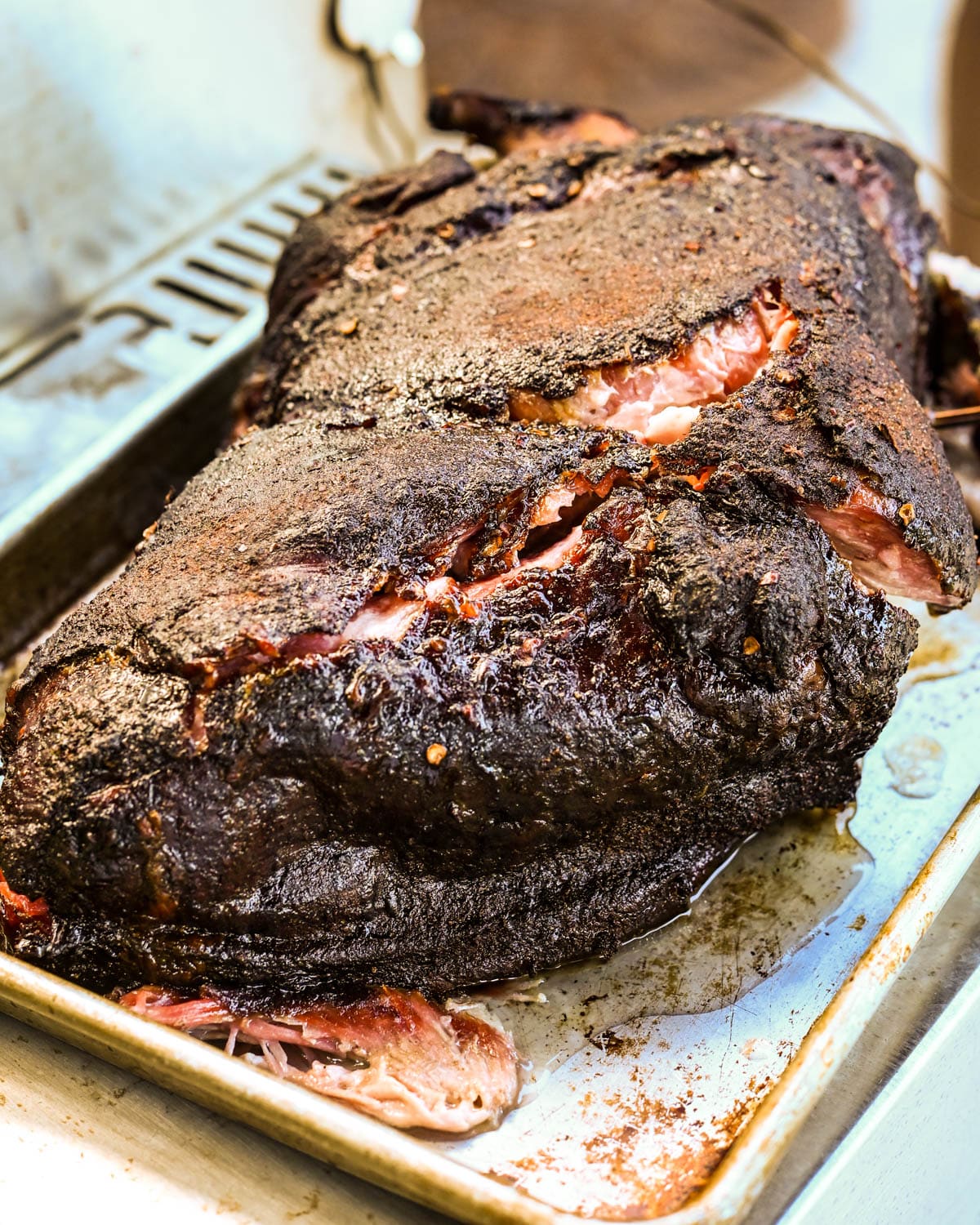
When it’s time to carve, unwrap the pork shoulder carefully to preserve the bark. Use a sharp carving knife or slicing knife for clean cuts.
Slice against the grain to break down muscle fibers, resulting in tender pieces that are easy to chew. If you’re planning pulled pork, use forks or your hands to shred the meat after slicing.
Consider the size of your slices based on how you plan to serve—thicker for sandwiches, thinner for plating. Proper carving can enhance the eating experience just as much as the cooking process.
Credit: www.garlicandzest.com
Serving Suggestions
Serving your perfectly grilled pork shoulder is just as important as cooking it right. How you present and pair it can elevate the entire meal experience. Let’s look at some ideas that bring out the best flavors and make your meal memorable.
Side Dishes That Pair Well
The rich, smoky flavor of pork shoulder calls for sides that balance and complement its taste. Think about crisp, fresh salads like a tangy coleslaw or a cucumber and tomato salad to cut through the meat’s fattiness.
Starchy sides work great too. Try creamy mashed potatoes, grilled corn on the cob, or even baked beans for a hearty touch. Adding roasted vegetables with a hint of garlic or herbs can also brighten the plate.
Sauces And Condiments
Good sauces can turn a great pork shoulder into an unforgettable dish. Tangy barbecue sauce is a classic choice, but don’t overlook mustard-based sauces or spicy salsas for a kick.
If you prefer something fresh, chimichurri or a simple apple sauce can add a lovely contrast. Have a few options on the table so everyone can customize their plate just the way they like it.
Storing Leftovers Safely
Leftover pork shoulder can be a lifesaver for quick meals later. Make sure to cool the meat quickly after serving and store it in airtight containers.
Keep it in the fridge for up to 4 days or freeze it if you want to save it longer. When reheating, ensure the pork reaches an internal temperature of 165°F (74°C) to keep it safe and tasty.
Troubleshooting Common Issues
Cooking a pork shoulder on a charcoal grill can be tricky. Achieve perfect results by managing grill temperature. Ensure even cooking by rotating the meat occasionally.
Cooking a pork shoulder on a charcoal grill can be a rewarding experience, but it doesn't always go as planned. Even seasoned grill masters encounter hiccups. Whether it's unexpected flare-ups, dry meat, or unpredictable weather, knowing how to handle these challenges can make all the difference.
Dealing With Flare-ups
Flare-ups are a common issue when grilling. They occur when fat drips onto the coals, causing flames to surge. To manage this, keep a spray bottle filled with water nearby. When you notice a flare-up, quickly spritz the flames to control them. Another tip is to arrange your coals for indirect heat. Position them on one side of the grill, placing the pork shoulder on the opposite side. This reduces the chances of fat dripping directly onto the coals.
Fixing Dry Or Tough Meat
No one enjoys tough or dry pork shoulder. If you find your meat is drying out, consider basting it. Use a mixture of apple juice and a bit of oil to keep it moist. Cooking low and slow is key. Maintain a steady temperature around 225°F to 250°F. If your meat turns out tough, it might need more time on the grill. Sometimes, the connective tissues haven't had enough time to break down.
Adjusting For Weather Conditions
Weather can be unpredictable, affecting your grilling process. Wind can increase heat, while rain can lower it. To combat wind, position your grill with its back to the wind. This helps maintain a consistent temperature. If it's cold outside, you might need to add more charcoal to maintain heat. On hot days, ensure your grill doesn’t overheat. Keep an eye on the temperature and adjust vents as needed. Grilling is as much about flexibility as it is about technique. What challenges have you faced while grilling, and how did you overcome them?

Credit: www.seriouseats.com
Frequently Asked Questions
How Long Does Pork Shoulder Take On Charcoal Grill?
Pork shoulder usually takes 4 to 6 hours on a charcoal grill. Maintain a steady temperature around 225-250°F for best results. Use indirect heat and monitor internal temperature until it reaches 195-205°F for tender meat.
What Charcoal Setup Is Best For Pork Shoulder?
Use a two-zone setup with charcoal on one side only. This creates indirect heat, allowing slow cooking. Add wood chips for smoky flavor. Keep vents open to control airflow and maintain consistent temperature.
Should I Marinate Pork Shoulder Before Grilling?
Marinating pork shoulder is optional but recommended. It adds flavor and helps tenderize the meat. Use a mixture of acid, oil, and spices. Marinate for at least 4 hours or overnight in the fridge.
How Do I Know When Pork Shoulder Is Done?
Use a meat thermometer to check doneness. Pork shoulder is done at 195-205°F internal temperature. The meat should be tender and pull apart easily. Rest the meat for 20-30 minutes before slicing or shredding.
Conclusion
Cooking pork shoulder on a charcoal grill takes time and care. Keep the heat steady and use indirect cooking for best results. Patience pays off with tender, juicy meat full of flavor. Don’t rush the process; low and slow wins every time.
Enjoy the smoky taste and crispy edges that charcoal gives. Try this method for your next barbecue. Your family and friends will appreciate the effort and taste. Simple steps, great results. A delicious meal awaits.