Are you ready to make a delicious pork roast without spending hours in the kitchen? Cooking a pork roast in a slow cooker is one of the easiest ways to get a tender, flavorful meal with very little effort.
Imagine coming home to the smell of perfectly cooked pork, juicy and falling apart, waiting for you to enjoy. In this guide, you’ll discover simple steps and insider tips that will help you master slow cooker pork roast every time.
Keep reading, and you’ll be serving up a mouthwatering dinner that everyone will love.
Choosing The Right Pork Roast
Choosing the right pork roast is key to making a tender and flavorful meal in your slow cooker. Not every cut works well for slow cooking, so picking the right one saves you time and guarantees delicious results. Let’s break down which cuts perform best and how to choose the right size for your needs.
Best Cuts For Slow Cooking
Some pork cuts are naturally better for slow cooking because they become tender and juicy over long, low heat. Look for cuts with good marbling and connective tissue, which break down during cooking to create rich flavor and texture.
- Pork Shoulder (Boston Butt):This is the top choice. It has enough fat and connective tissue to stay moist and tender. It also shreds easily, perfect for pulled pork.
- Pork Loin:Leaner than shoulder, but still works well if cooked carefully. Avoid overcooking to prevent dryness.
- Pork Picnic Roast:Similar to shoulder but a bit tougher. It benefits from long cooking times and is budget-friendly.
- Pork Belly:High fat content makes it rich and tender, though it’s less common for classic roasts.
Choosing between these depends on your texture preference and what you want to do with the pork after cooking. Do you want slices, shreds, or chunks? That answer guides your cut choice.
Size And Weight Tips
The size of your pork roast affects cooking time and how evenly it cooks. A roast that’s too large might not cook through properly, while a small one can dry out.
- For most slow cookers, aim for a roast between 3 to 5 pounds. This size fits well and cooks evenly in 6 to 8 hours on low.
- If you have a smaller slow cooker, choose a roast under 3 pounds to avoid overcrowding, which can affect texture.
- Thicker roasts take longer, so plan your cooking schedule accordingly.
Have you ever picked a roast that ended up dry or tough? It might have been the wrong size or cut for slow cooking. Paying attention to these details helps you avoid that problem and enjoy a perfect pork roast every time.
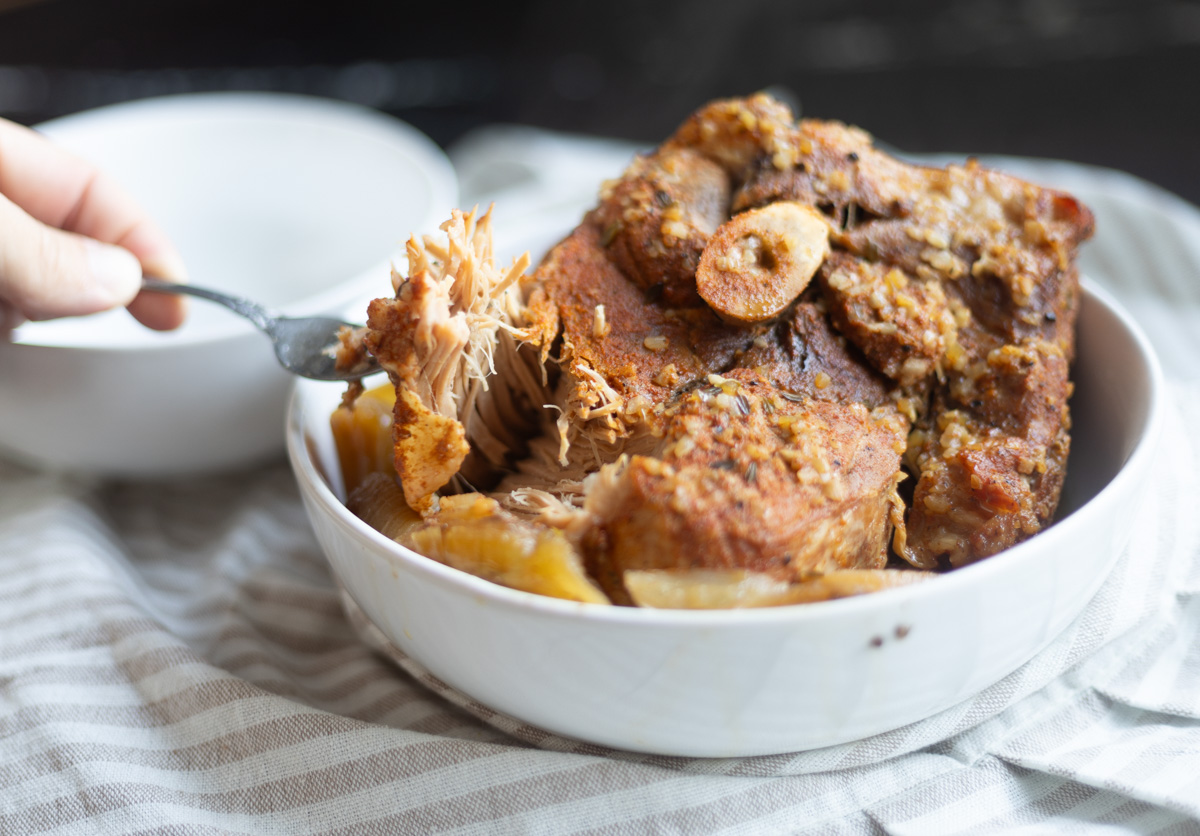
Credit: hopewellheightsblog.com
Preparing The Pork Roast
Preparing the pork roast is an important step for a tasty slow cooker meal. It helps the meat cook evenly and absorb flavors well. Careful preparation creates a juicy, flavorful roast that melts in your mouth.
Start with trimming and seasoning the meat. Then explore simple marinade ideas. Both steps build a delicious base for your slow cooker pork roast.
Trimming And Seasoning
Trim excess fat from the pork roast. Leave a thin layer for flavor and moisture. Removing large fat pieces prevents greasy results.
Pat the roast dry with paper towels. This helps the seasoning stick better.
Season the pork roast well using salt and pepper. Add herbs like thyme or rosemary for extra taste. Rub spices evenly on all sides of the meat.
Marinade Ideas
Marinating adds deep flavor and tenderness. Use simple ingredients found in most kitchens.
- Mix olive oil, garlic, soy sauce, and honey for a sweet and savory taste.
- Combine apple cider vinegar, mustard, brown sugar, and smoked paprika for a tangy glaze.
- Try a blend of orange juice, ginger, garlic, and chili flakes for a zesty kick.
Let the pork roast soak in the marinade for at least 1 hour. Overnight marinating works best for rich flavor.
Setting Up The Slow Cooker
Setting up the slow cooker properly is key to a tender pork roast. It ensures even cooking and full flavor. Preparing the ingredients and arranging them right can make a big difference.
Layering Ingredients
Place root vegetables like potatoes and carrots at the bottom. They take longer to cook and soak up the juices. Set the pork roast on top of the vegetables. This keeps the meat elevated and allows heat to circulate. Add any seasoning or herbs on the pork for better flavor. Avoid overcrowding the slow cooker to ensure even cooking.
Liquid Options
Choose liquids that keep the roast moist and add flavor. Broth, apple juice, or a mix of water and vinegar work well. Pour about one cup of liquid into the slow cooker. The liquid helps create steam that cooks the meat gently. Avoid adding too much liquid; the slow cooker traps moisture naturally. This balance prevents the roast from becoming dry or soggy.
Cooking Times And Temperatures
Cooking a pork roast in a slow cooker involves setting the temperature to low and cooking for 7-8 hours. This method ensures the meat becomes tender and flavorful. Remember to check the internal temperature reaches 145°F to ensure safety.
Cooking a pork roast in a slow cooker can be both simple and rewarding. The key to a perfect pork roast lies in understanding cooking times and temperatures. These factors ensure the meat stays juicy and tender. A slow cooker allows you to cook the pork roast on low or high settings. Each setting impacts the cooking time and texture of the roast. Let's explore these settings and how to check for doneness.
Low Vs. High Settings
The low setting cooks your pork roast slowly. It enhances flavor and tenderness. Cooking on low takes about 8 to 10 hours. This method is perfect for busy days. The high setting cooks faster, usually in 4 to 6 hours. It is ideal when you have limited time. Both settings yield delicious results. Choose based on your schedule and texture preference.
Checking Doneness
Checking doneness ensures your pork roast is safe to eat. Use a meat thermometer for accuracy. Insert it into the thickest part of the roast. The internal temperature should reach 145°F (63°C). Let the roast rest for 3 minutes before serving. This resting time allows juices to redistribute. Your pork roast will be juicy and flavorful.
Adding Vegetables And Sides
Adding vegetables and sides to a pork roast in a slow cooker makes the meal complete. Vegetables soak up flavors from the meat and juices. They create a rich, tasty base around the roast. Choosing the right vegetables and timing their addition ensures everything cooks perfectly.
Best Vegetables For Slow Cooking
Root vegetables work best in slow cooking. They stay firm and absorb flavors well. Consider these choices:
- Carrots
- Potatoes
- Onions
- Parsnips
- Turnips
These vegetables add sweetness and texture. Green beans and peas cook faster. Add them later to avoid overcooking.
Timing For Adding Sides
Place root vegetables under the pork roast at the start. They need longer to become tender. Add quick-cooking vegetables in the last 30 minutes. This keeps them fresh and crisp.
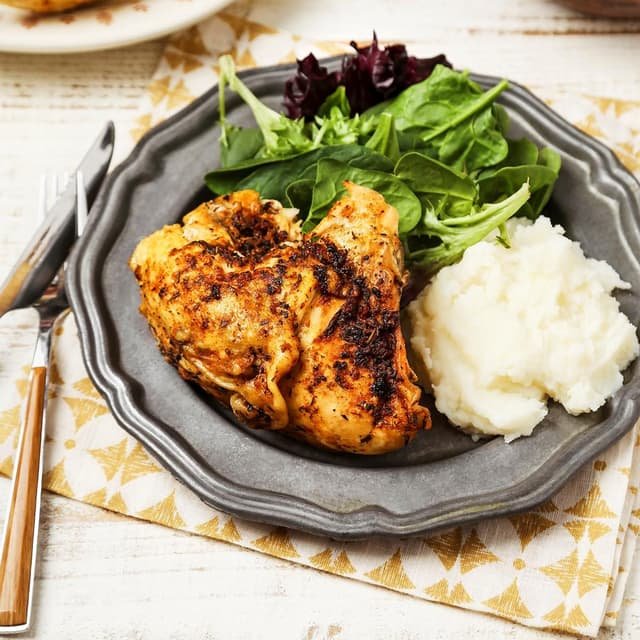
For sides like mashed potatoes or steamed greens, prepare them separately. Serve alongside the slow-cooked pork roast and vegetables for a balanced meal.

Credit: hopewellheightsblog.com
Serving Suggestions
Serving a slow cooker pork roast right enhances the entire meal. Proper presentation and pairing bring out its rich flavors. Simple tips help you serve like a pro. Let’s explore carving and sauce ideas that impress.
Carving Tips
Let the pork rest for 10-15 minutes after cooking. This keeps juices inside the meat. Use a sharp knife for clean, even slices. Cut against the grain for tender pieces. Slice about half an inch thick. Arrange slices on a warm platter for serving. Garnish with fresh herbs for a nice touch.
Complementary Sauces
Sauces add flavor and moisture to pork roast. Choose from sweet, tangy, or savory options. Some favorites include:
- Apple sauce – sweet and classic pairing.
- Mustard sauce – sharp and creamy contrast.
- Gravy made from slow cooker juices – rich and savory.
- Barbecue sauce – smoky and tangy flavor.
- Chimichurri – fresh and herbaceous kick.
Offer sauces on the side for guests to choose. This keeps the roast moist and flavorful.
Troubleshooting Common Issues
Cooking a pork roast in a slow cooker can sometimes lead to unexpected issues. Whether your meat turns out dry or lacks flavor, these problems can be frustrating. The good news is that most common slow cooker challenges have simple fixes you can try right away.
Dry Meat Solutions
Dry pork roast is often caused by cooking it too long or at too high a temperature. Slow cookers vary, so check your device’s manual to understand its heat settings better.
Try adding a bit of liquid such as broth, apple juice, or even a splash of white wine before cooking. This helps keep the meat moist throughout the slow cooking process.
Another trick is to avoid lifting the lid too often. Every time you open it, heat escapes, which can extend cooking time and dry out your roast.
Consider using a meat thermometer to monitor the internal temperature. Aim for about 145°F (63°C) for tender, juicy pork roast. Overcooking will make it tough and dry.
Flavor Enhancements
If your pork roast lacks flavor, don’t worry—there are plenty of ways to boost it. Start by seasoning generously before placing the roast in the slow cooker. Salt, pepper, garlic powder, and paprika are simple yet effective options.
Adding aromatics like sliced onions, garlic cloves, or fresh herbs elevates the taste without much effort. These ingredients release their flavors slowly, infusing the meat throughout cooking.
Experiment with sauces or glazes, like a mix of honey and mustard or barbecue sauce. Pour some over the roast halfway through cooking to create a rich, tasty crust.
Have you tried searing your pork roast before adding it to the slow cooker? It locks in juices and gives a deeper, more complex flavor that simmering alone can’t achieve.
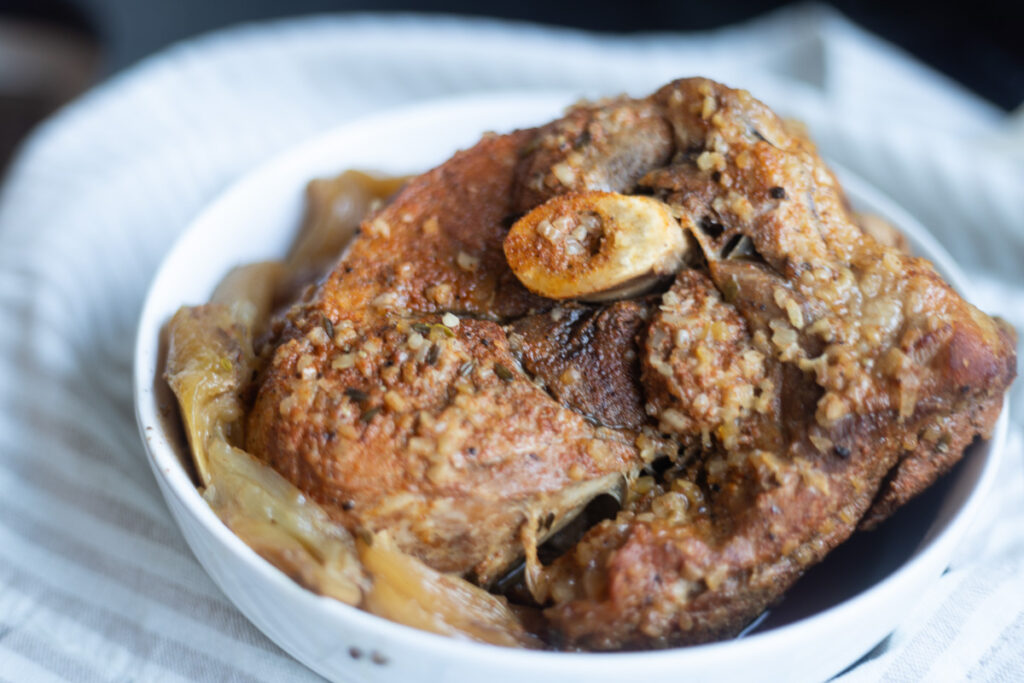
Credit: hopewellheightsblog.com
Storing And Reheating Leftovers
After enjoying your delicious slow cooker pork roast, knowing how to properly store and reheat the leftovers can make all the difference. Handling leftovers correctly keeps the meat tender and flavorful while preventing food waste. It also ensures you stay safe from foodborne illnesses.
Safe Storage Methods
Let the pork roast cool down to room temperature before storing it. Putting hot meat directly into the fridge can raise the temperature inside, risking bacterial growth. However, don’t leave it out longer than two hours to avoid spoilage.
Use airtight containers or heavy-duty freezer bags to keep the meat fresh. Label the containers with the date you cooked the roast so you can track freshness easily. Pork roast leftovers stay safe in the fridge for 3 to 4 days and can be frozen for up to 3 months.
Try dividing leftovers into smaller portions before freezing. This allows you to thaw only what you need, preserving the rest. Have you ever wasted food because you thawed too much at once?
Reheating Tips
Reheat your pork roast gently to maintain its moisture and texture. Using a microwave can be quick but may dry out the meat if you’re not careful. Cover the pork with a damp paper towel or a microwave-safe lid to trap steam and keep it juicy.
Alternatively, reheat in the oven at 250°F (120°C) wrapped in foil. This slow, low heat method warms the meat evenly and helps retain tenderness. Adding a splash of broth or water before wrapping can add extra moisture.
Always check the temperature of reheated pork to ensure it reaches 165°F (74°C) for safe consumption. Do you notice a difference in taste when you reheat pork roast using different methods?
Frequently Asked Questions
How Long Does A Pork Roast Take In A Slow Cooker?
A pork roast typically takes 6 to 8 hours on low heat or 3 to 4 hours on high heat in a slow cooker. Cooking times depend on the roast size and slow cooker model, ensuring tender and flavorful results.
What Temperature Should A Slow Cooker Be For Pork Roast?
Use the low setting (around 190°F) for slow, even cooking or the high setting (about 300°F) for faster results. Slow cooking on low helps retain moisture and tenderness in the pork roast.
Can I Cook Pork Roast Frozen In A Slow Cooker?
It’s not recommended to cook frozen pork roast in a slow cooker. Thaw the roast first to ensure even cooking and to prevent food safety risks from uneven temperatures.
Should I Sear Pork Roast Before Slow Cooking?
Searing pork roast before slow cooking enhances flavor and texture by creating a caramelized crust. It’s optional but recommended for richer taste and improved appearance.
Conclusion
Cooking a pork roast in a slow cooker is easy and stress-free. You only need a few ingredients and time. The slow cooker does most of the work for you. Your pork roast will turn out tender and full of flavor.
Serve it with your favorite sides for a simple meal. Try different spices to find your favorite taste. Enjoy the comfort of a home-cooked meal with little effort. Slow cooking saves time and makes dinner delicious. Give it a try and enjoy the results!