Are you ready to make a pork roast that’s juicy, tender, and packed with flavor? Cooking a pork roast in a Dutch oven is one of the best ways to achieve that perfect meal without any hassle.
You don’t need fancy equipment or complicated recipes—just your Dutch oven and a few simple ingredients. In this guide, you’ll discover easy steps that guarantee a delicious roast every time. Keep reading, and by the end, you’ll have a mouthwatering dish that will impress your family and friends.
Let’s get started!
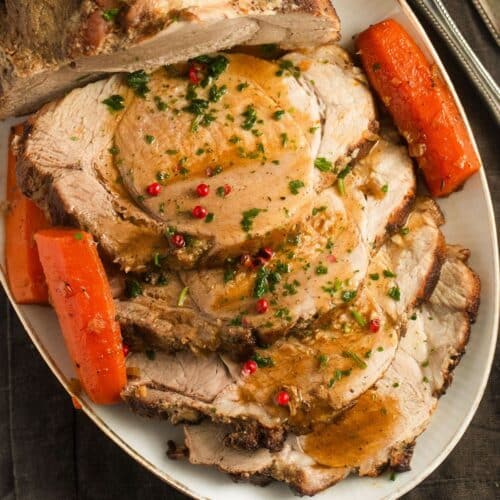
Credit: whereismyspoon.co
Choosing The Right Pork Roast
Choosing the right pork roast is key to a delicious meal from your Dutch oven. The cut you select affects flavor, cooking time, and texture. Picking the best roast makes your cooking easier and tastier.
Types Of Pork Roast Cuts
Different cuts offer unique flavors and textures. Here are common options:
- Pork Shoulder (Boston Butt):Well-marbled and flavorful. Ideal for slow cooking.
- Pork Loin:Leaner and tender. Cooks faster but needs care to avoid drying out.
- Pork Leg (Ham):Lean with a firm texture. Great for roasting and slicing.
- Picnic Shoulder:Similar to pork shoulder but with more connective tissue. Best for braising.
Size And Weight Considerations
Choose a roast size that fits your Dutch oven comfortably. Too large means uneven cooking. Too small may dry out quickly.
- For a 5-7 quart Dutch oven, a 3-5 pound roast works well.
- Heavier roasts need longer cooking times and low heat.
- Smaller roasts cook faster but require close attention.
Balance size with your cooking time and oven capacity for best results.
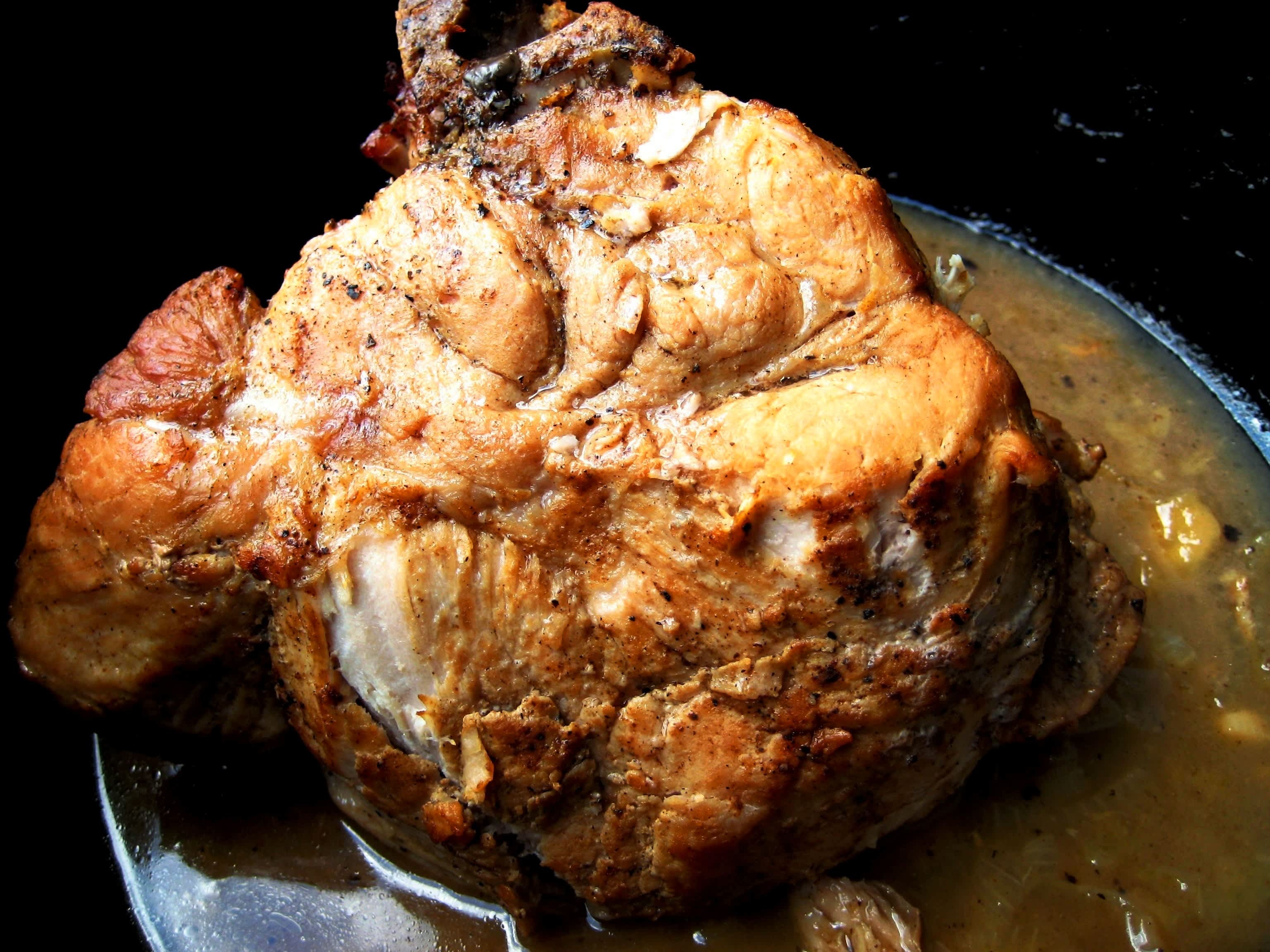
Credit: www.food.com
Essential Dutch Oven Tools
Cooking a pork roast in a Dutch oven requires the right tools for the best results. Using the proper equipment makes the process easier and the outcome tastier. Essential Dutch oven tools help control heat and maintain moisture during cooking. These tools also ensure safety and convenience in the kitchen.
Selecting The Best Dutch Oven
Choose a Dutch oven made from cast iron for even heat distribution. Enameled cast iron versions are easier to clean and do not need seasoning. Pick a size that fits your roast comfortably, usually 5 to 7 quarts. A tight-fitting lid is important to trap steam and keep meat juicy. Look for sturdy handles for safe lifting, especially when the pot is hot.
Additional Kitchen Tools Needed
- Meat thermometer – to check the roast’s internal temperature.
- Sharp carving knife – for slicing the pork after cooking.
- Tongs or heat-resistant gloves – to handle the hot Dutch oven safely.
- Wooden spoon or silicone spatula – for stirring ingredients without scratching the pot.
- Oven mitts – to protect hands from heat when moving the Dutch oven.
Preparing The Pork Roast
Preparing the pork roast properly sets the foundation for a delicious meal. It’s not just about placing the meat in the Dutch oven and cooking; how you trim and season the roast impacts the final taste and texture. Taking a little extra time here can turn an ordinary pork roast into a memorable dish.
Trimming And Seasoning
Start by trimming excess fat from the roast, but don’t remove it all. Leaving a thin layer helps keep the meat moist during cooking. Too much fat, however, can make the dish greasy and overpower the flavors.
Next, pat the roast dry with paper towels. This step ensures the seasoning sticks better and helps create a nice crust when searing.
Season generously with salt and pepper on all sides. You can also add garlic powder, paprika, or dried herbs like rosemary and thyme for extra aroma. Remember, seasoning isn’t just about salt—think about balancing flavors to complement the pork’s natural taste.
Marinating Tips For Flavor
Marinating can elevate your pork roast but doesn’t need to be complicated. A simple marinade with olive oil, vinegar or citrus juice, garlic, and herbs works wonders.
Let the roast soak for at least 1 hour, or overnight if you have time. This allows the flavors to penetrate deeply and tenderizes the meat.
Have you tried marinating in unexpected liquids like apple cider or soy sauce? These add unique flavors and can make your roast stand out. Just be cautious with salty ingredients to avoid over-seasoning.
Pat the roast dry again before cooking to avoid steaming instead of searing. This little extra step helps lock in the flavors you worked hard to build.

Credit: themodernproper.com
Searing For Flavor
Enhancing the flavor of your pork roast begins with searing. This technique locks in juices and creates a savory crust. A Dutch oven is perfect for this task. Its heavy bottom ensures even heat distribution, perfect for searing.
Heat Settings And Timing
Start by setting your stove to medium-high heat. Allow the Dutch oven to heat for about five minutes. This ensures the pot is hot enough. Place the pork roast in the hot pot. Let it sear for three to four minutes on each side. This creates a golden-brown layer, enhancing flavor.
Achieving A Perfect Crust
Use a bit of oil in the Dutch oven. This helps the meat to brown evenly. Avoid overcrowding the pot. Cook in batches if necessary. This prevents steaming, which can hinder crust formation. Turn the roast using tongs. This keeps the crust intact. Be patient and allow the crust to form naturally. It is key to flavor.
Cooking Techniques In A Dutch Oven
Mastering the cooking techniques in a Dutch oven can transform your pork roast into a juicy, flavorful meal. This heavy pot traps heat and moisture, creating a perfect environment for slow roasting. Understanding how to control temperature and use aromatics can make all the difference in your final dish.
Oven Temperature And Timing
Set your oven to a moderate temperature, usually between 325°F and 350°F (160°C to 175°C). This allows the pork roast to cook evenly without drying out. Cooking times vary depending on the size of your roast, but a general rule is about 20 minutes per pound.
Check the internal temperature with a meat thermometer to ensure it reaches at least 145°F (63°C). Resting the roast after cooking for 10-15 minutes lets the juices redistribute, making every bite tender. Have you ever noticed how rushing this step results in dry meat?
Using Aromatics And Liquids
Adding aromatics like garlic, onions, and fresh herbs enhances the flavor deeply. Place these ingredients under and around the pork roast to infuse the meat as it cooks. You can also add vegetables like carrots and celery for extra taste and a built-in side dish.
Pouring a small amount of liquid—such as broth, wine, or apple cider—into the Dutch oven helps keep the environment moist. This liquid creates steam, which tenderizes the pork and prevents it from sticking to the pot. Have you tried using different liquids to see how the flavor changes?
Checking Doneness And Resting
Knowing when your pork roast is perfectly cooked is key to a delicious meal. Checking doneness ensures safety and the best texture. Resting the roast after cooking helps keep it juicy and tender. Both steps make a big difference in your Dutch oven pork roast experience.
Internal Temperature Guide
Use a meat thermometer to check the roast’s temperature. Insert it into the thickest part without touching bone or fat. Look for these temperatures:
- 145°F (63°C) for medium-rare, slightly pink center
- 160°F (71°C) for medium, fully cooked but still moist
- 170°F (77°C) for well done, firmer texture
Remove the roast from heat once it reaches your preferred temperature. The temperature will rise a few degrees while resting.
Resting For Juiciness
Cover the roast loosely with foil after cooking. Let it rest for 10 to 15 minutes. This lets the juices redistribute inside the meat.
Cutting too soon will cause the juices to run out. Resting keeps the roast tender and flavorful. Serve after resting for the best results.
Serving Suggestions
Serving your pork roast straight from the Dutch oven is satisfying, but pairing it with the right sides and sauces can elevate the meal to something memorable. Think beyond just plating the roast—consider how each component interacts on your palate. What flavors and textures will make each bite more exciting?
Side Dishes To Pair
- Roasted Root Vegetables:Carrots, parsnips, and potatoes roasted alongside your pork develop a natural sweetness that complements the meat’s savory flavor.
- Apple Sauce or Sautéed Apples:The tartness of apples cuts through the richness of the pork, creating a balanced bite every time.
- Garlic Mashed Potatoes:Creamy and smooth, they soak up the juices from the roast and add a comforting touch to your plate.
- Steamed Green Beans or Asparagus:These add a fresh, crisp element to your meal, helping to lighten the overall feel.
- Cabbage Slaw:A tangy slaw can introduce crunch and acidity, making your meal more vibrant.
Sauces And Garnishes
- Pan Gravy:Use the drippings from your roast to make a rich, flavorful gravy that ties everything together.
- Mustard Sauce:A simple Dijon or whole-grain mustard sauce adds a sharp bite that contrasts nicely with the pork.
- Chimichurri or Herb Sauce:Fresh herbs with olive oil and garlic bring brightness and a hint of earthiness.
- Crispy Fried Onions or Shallots:Adding these on top gives your dish an irresistible crunch and a burst of flavor.
- Fresh Herbs:Sprinkle chopped rosemary, thyme, or parsley to add color and a fresh aroma that wakes up your senses.
Think about what you enjoy with pork roast and don’t hesitate to experiment. Would a sweet, tangy, or spicy sauce make your meal more exciting? Your perfect pairing is waiting to be discovered on your plate.
Tips For Leftovers
Leftover pork roast can be just as delicious as the first serving if handled right. Keeping it moist and flavorful requires attention to how you store and reheat it. Let’s dive into practical tips that will help you enjoy your pork roast leftovers without sacrificing taste or texture.
Storage Methods
Cool your pork roast to room temperature before storing to avoid condensation, which can make the meat soggy. Use airtight containers or wrap the roast tightly in plastic wrap and then aluminum foil to lock in moisture.
Label your leftovers with the date to keep track. Pork roast stays good in the fridge for about 3 to 4 days. If you want to keep it longer, freezing is a smart choice—wrap it well to prevent freezer burn.
Reheating Without Drying
Reheating pork roast can be tricky because it dries out fast. Adding a splash of broth or water before reheating helps keep the meat juicy. Cover the roast with foil when warming it in the oven or use a microwave-safe lid if reheating in the microwave.
Consider reheating at a low temperature—about 275°F (135°C)—in the oven for 20-30 minutes. This slow warming keeps the pork tender. Have you tried slicing the roast thinly before reheating? It reduces reheating time and helps the meat stay moist.
Frequently Asked Questions
How Long To Cook Pork Roast In A Dutch Oven?
Cook a pork roast in a Dutch oven for about 2 to 3 hours. Maintain a low oven temperature of 325°F (163°C). Check for an internal temperature of 145°F (63°C) to ensure it's fully cooked and safe to eat.
Can I Sear Pork Roast Before Using Dutch Oven?
Yes, searing the pork roast before cooking in the Dutch oven locks in juices. It creates a flavorful crust and enhances the overall taste. Sear on all sides over medium-high heat for 3-4 minutes before roasting.
What Vegetables Pair Well With Pork Roast In Dutch Oven?
Root vegetables like carrots, potatoes, and onions pair well with pork roast. They absorb flavors and cook evenly in the Dutch oven. Adding garlic and herbs enhances the aroma and taste of the dish.
Is It Necessary To Cover The Dutch Oven While Roasting?
Yes, covering the Dutch oven helps retain moisture and heat. This results in tender, juicy pork roast. Remove the lid during the last 15 minutes to brown the meat if desired.
Conclusion
Cooking a pork roast in a Dutch oven is simple and rewarding. The pot keeps the meat juicy and tender. You only need basic ingredients and a little patience. This method works well for family dinners or special occasions. Try adding your favorite herbs and vegetables for extra flavor.
Serve it with sides you love. Enjoy the rich taste and easy preparation. A Dutch oven makes cooking a pork roast a pleasant experience. Give it a try and enjoy a delicious homemade meal.