If you want to cook a tender, juicy pork loin that melts in your mouth, using a Dutch oven is one of the best ways to do it. You might think it’s complicated, but it’s actually simple and rewarding.
Imagine pulling a perfectly cooked pork loin from your oven, full of rich flavors and ready to impress your family or guests. In this guide, you’ll discover easy steps and insider tips that make the cooking process smooth and enjoyable.
Keep reading to learn how to turn your pork loin into a delicious meal with just a Dutch oven and a few simple ingredients.
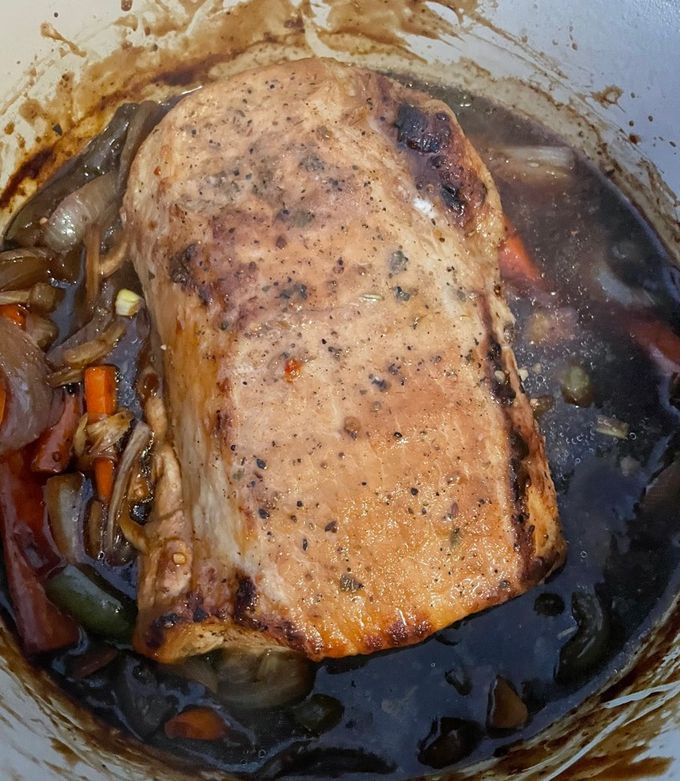
Credit: cookpad.com
Choosing The Right Pork Loin
Choosing the right pork loin is the first step toward a delicious meal cooked in your Dutch oven. The quality and size of the pork loin can make a big difference in flavor and cooking time. Understanding what to look for helps you get the best results every time you cook.
Selecting Quality Meat
Look for pork loin with a fresh, pinkish color and a slight sheen. Avoid meat that looks dull or has any dark spots, which can indicate age or poor handling.
Check the fat distribution. A thin layer of fat on the outside helps keep the meat juicy as it cooks in the Dutch oven.
Consider buying from a trusted butcher or local farm. I once tried a supermarket pork loin that lacked flavor, but switching to a local source made a noticeable difference.
Size And Weight Considerations
The size of your pork loin should match your Dutch oven to ensure even cooking. A loin that is too large may not cook through properly, while a very small one can dry out quickly.
Typically, a 2 to 3-pound pork loin works well for most Dutch ovens. This size cooks evenly and provides enough servings without leftovers.
Think about how many people you’re feeding. Are you cooking for two or a family gathering? This helps you decide the right weight and avoid food waste.
Credit: themodernproper.com
Preparing The Pork Loin
Getting your pork loin ready is the foundation of a delicious meal. How you prepare it affects every bite you take later. Paying attention to trimming and seasoning ensures the flavors soak in deeply and the texture stays just right.
Trimming And Seasoning
Start by removing any thick layers of fat on the pork loin. A thin fat cap helps keep the meat juicy, but too much can cause flare-ups or greasy bites. Use a sharp knife to carefully trim excess fat without cutting into the meat itself.
Next, season the pork loin generously. Salt is essential to bring out the natural flavors, but don’t stop there. Add freshly ground black pepper and your favorite herbs like rosemary or thyme for an aromatic touch.
Think about texture too—rubbing the seasoning into the meat creates a nice crust when cooked. Have you tried adding garlic powder or smoked paprika? They give a subtle depth that transforms a simple pork loin into a memorable dish.
Marinating Tips
Marinating your pork loin can elevate the taste and tenderness dramatically. Use an acidic base such as apple cider vinegar, lemon juice, or even yogurt to help break down the proteins. This makes the meat softer and more flavorful.
Balance your marinade with a mix of sweet, salty, and spicy elements. Honey or brown sugar works well with soy sauce or mustard and a pinch of chili flakes. This blend creates a complex flavor profile without being overpowering.
Let the pork loin soak in the marinade for at least 2 hours, but overnight is best if you have the time. Ever noticed how a well-marinated meat almost melts in your mouth? That’s the magic you’re aiming for here.
Setting Up Your Dutch Oven
Setting up your Dutch oven properly is key to cooking a juicy and flavorful pork loin. It’s not just about throwing the meat in and turning on the heat. The right preparation can make a big difference in how evenly your pork cooks and how well it retains its moisture.
Choosing The Right Dutch Oven
Pick a Dutch oven that’s just the right size for your pork loin. A pot that’s too big will cause the juices to spread thin and may dry out the meat. Aim for a snug fit so the heat circulates evenly around the pork.
Material matters too. Cast iron retains heat well and gives a nice crust, but it’s heavy. Enameled Dutch ovens are easier to clean and heat evenly without seasoning. Think about how you want to balance convenience and cooking results.
Preheating Techniques
Preheating your Dutch oven before adding the pork loin helps seal in the juices. Heat it over medium heat until it’s hot enough to sizzle a drop of water. This step creates a perfect sear that locks in flavor.
Consider this: if you add the meat too early, it might stick or cook unevenly. I once skipped preheating and ended up with a less tender roast. Don’t rush this step—it sets the stage for a great meal.
Cooking Process
Cooking a pork loin in a Dutch oven involves several key steps. Each step builds flavor and ensures the meat stays juicy. The process starts with preparing the pork by searing it. Then, aromatics and liquids are added to enhance taste. Finally, the pork cooks slowly in the oven, becoming tender and delicious.
Searing The Pork Loin
Searing locks in juices and creates a tasty crust. Heat the Dutch oven over medium-high heat. Add a small amount of oil. Place the pork loin in the pot. Cook each side for about 3-4 minutes. The outside should be golden brown. This step helps keep the pork moist during cooking.
Adding Aromatics And Liquids
Aromatics add extra flavor to the pork and sauce. Use ingredients like garlic, onions, and fresh herbs. Place them around the pork loin in the Dutch oven. Pour in liquids such as broth, wine, or apple cider. The liquid keeps the pork moist and helps create a flavorful sauce. Avoid covering the pork completely with liquid.
Oven Cooking Times And Temperatures
Preheat the oven to 325°F (165°C). Cover the Dutch oven with its lid. Cook the pork loin for 20 minutes per pound. Use a meat thermometer to check doneness. The internal temperature should reach 145°F (63°C). Let the pork rest for 10 minutes before slicing. This helps the juices redistribute evenly.
Checking Doneness
Check the pork loin’s internal temperature with a meat thermometer. It should read 145°F for safe, juicy meat. Let the meat rest before slicing to keep it tender.
Cooking pork loin in a Dutch oven is a delightful experience. Achieving the perfect doneness is crucial for flavor and safety. Knowing when your pork loin is fully cooked can make all the difference. Let's explore simple ways to check doneness.
Using A Meat Thermometer
A meat thermometer is your best friend for accuracy. Insert it into the thickest part of the pork loin. Ensure it doesn't touch bone or the sides of the Dutch oven. Aim for an internal temperature of 145°F (63°C). This ensures your pork is juicy and safe to eat. Let the pork rest after removing it from the oven. The temperature will rise slightly during this time.
Visual And Texture Cues
Visual and texture cues can also guide you. The pork should have a light pink hue. It should not be raw or overly white. The juices should run clear when you cut into it. The texture should be firm but not dry. Gently press the pork with a fork or your finger. It should spring back slightly, indicating it's cooked through.
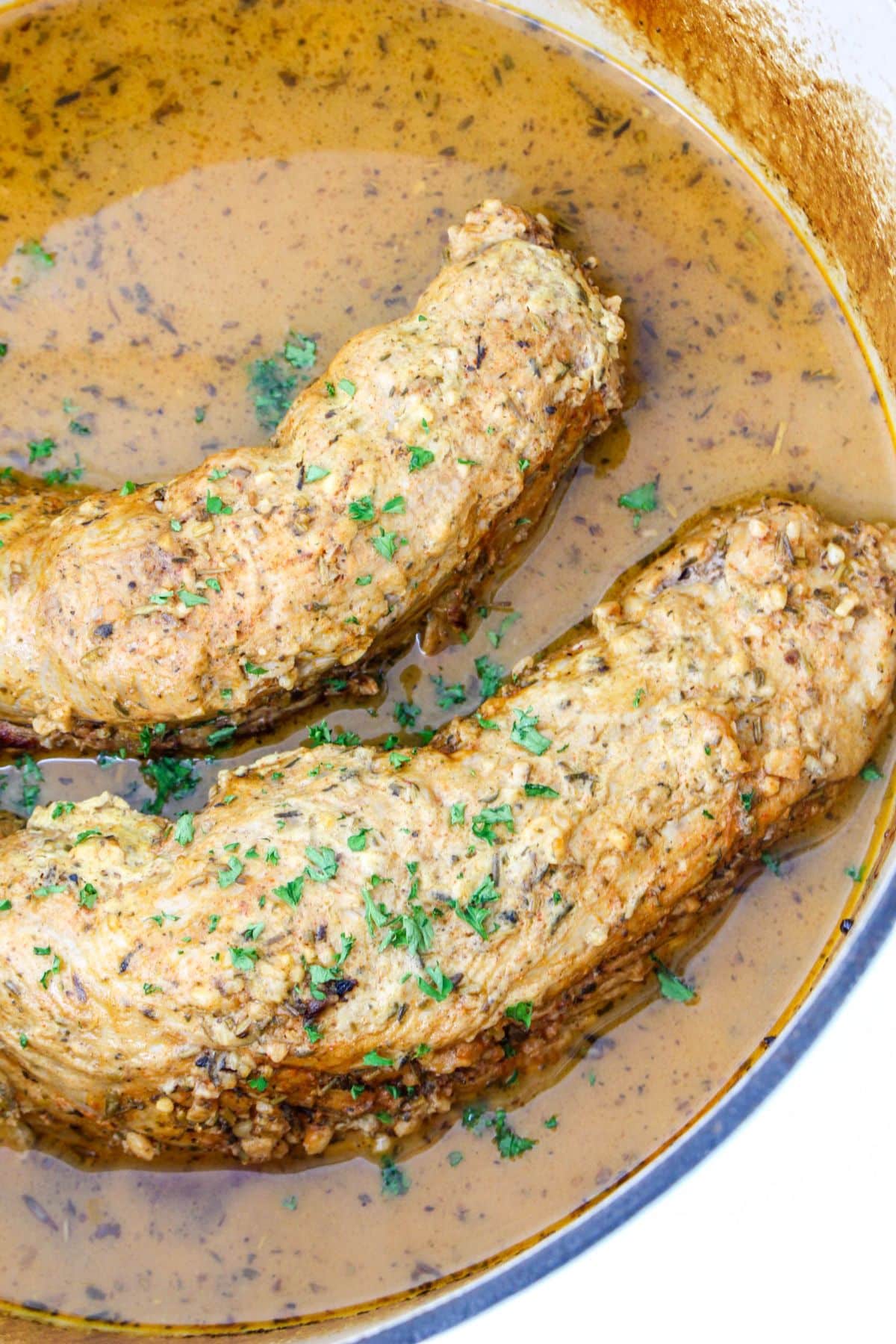
Credit: mamasonabudget.com
Resting And Serving
Resting and serving your pork loin properly makes a big difference in taste and texture. After cooking in a Dutch oven, letting the meat rest allows juices to redistribute. This process keeps the pork moist and tender. Serving it right after resting gives your dish the best flavor and presentation.
Resting Time Importance
Resting the pork loin for about 10 to 15 minutes is key. During this time, the juices move back inside the meat. Cutting too soon lets the juices escape, causing dry pork. Cover the meat loosely with foil to keep it warm while resting. This step helps the pork stay juicy and soft.
Slicing Tips For Juicy Meat
Slice the pork loin against the grain for tender bites. Cutting with the grain makes the meat tough and chewy. Use a sharp knife for clean, even slices. Cut about half an inch thick to keep the meat juicy. Arrange slices nicely on a plate for a great presentation.
Flavor Variations
Flavor variations can transform a simple pork loin into a delicious meal. Different herbs, spices, sauces, and glazes add unique tastes. Experimenting with these options keeps the dish exciting. This section explores easy ways to boost flavor in your Dutch oven pork loin.
Herbs And Spices Combinations
Herbs and spices bring depth to pork loin. Use fresh or dried herbs for best results. Try these combinations for bold flavors:
- Rosemary, thyme, garlic, and black pepper
- Sage, fennel seeds, and crushed red pepper
- Oregano, paprika, cumin, and onion powder
- Bay leaves, coriander, and mustard seeds
Rub the herbs and spices onto the pork before cooking. This helps the flavors soak in deeply. Adjust quantities to suit your taste.
Sauce And Glaze Ideas
Sauces and glazes add sweetness, tang, or heat. Brush them on during the last part of cooking. Here are some tasty ideas:
- Honey mustard glaze with Dijon mustard and honey
- Apple cider reduction with cinnamon and brown sugar
- Barbecue sauce mixed with a splash of apple juice
- Maple syrup glaze with soy sauce and garlic
Choose sauces that complement your herbs and spices. Glazes create a shiny, flavorful crust on the pork loin.
Common Mistakes To Avoid
Cooking pork loin in a Dutch oven is simple but easy to make mistakes. These errors can affect taste and texture. Avoiding common mistakes improves your dish's quality. Focus on key areas like cooking time and seasoning.
Overcooking Pitfalls
Overcooking pork loin makes it dry and tough. Dutch ovens retain heat well, so watch the cooking time closely. Use a meat thermometer for accuracy. Remove the pork loin at 145°F (63°C) for juicy meat. Let it rest before slicing to keep juices inside.
Underseasoning Issues
Underseasoned pork loin tastes bland and dull. Season the meat generously before cooking. Use salt, pepper, and herbs to enhance flavor. Don't forget to season the inside if you stuff the pork loin. Proper seasoning brings out the natural taste of pork.
Side Dishes To Complement Pork Loin
Roasted vegetables and creamy mashed potatoes pair well with pork loin cooked in a Dutch oven. Fresh green beans or a simple salad add a light touch. These sides balance the rich flavors of the meat perfectly.
Cooking a pork loin in a Dutch oven creates a tender, flavorful dish. Pairing it with the right side dishes elevates the entire meal. Choosing complementary sides enhances both taste and presentation. Here are some perfect side dish options.
Vegetable Pairings
Roasted vegetables offer a delicious contrast to pork loin. Carrots, Brussels sprouts, and asparagus work well. Their natural sweetness complements the savory pork. Simply toss them with olive oil, salt, and pepper. Roast them until they are caramelized. Steamed broccoli is another great choice. It's nutritious and easy to prepare. A squeeze of lemon juice adds brightness to the dish.
Starch Options
Mashed potatoes provide a creamy texture. They soak up the rich juices from the pork. Add butter and garlic for extra flavor. Rice pilaf is a light and flavorful option. Use chicken broth instead of water for cooking. This adds depth to the dish. Quinoa is a healthy alternative to traditional starches. It's packed with protein and fiber. Cook it with herbs for added taste. These sides ensure your pork loin meal is well-rounded and satisfying.
Frequently Asked Questions
How Long To Cook Pork Loin In A Dutch Oven?
Cook pork loin in a Dutch oven for 60-90 minutes at 350°F. Use a meat thermometer to check for 145°F internal temperature for safe and juicy pork.
What Seasonings Work Best For Dutch Oven Pork Loin?
Use garlic, rosemary, thyme, salt, and pepper. These enhance the pork loin’s natural flavor and complement slow cooking in the Dutch oven.
Can I Cook Pork Loin Without Searing First?
Searing is recommended but not mandatory. It locks in juices and adds a flavorful crust to the pork loin.
Should I Add Liquid When Cooking Pork Loin In A Dutch Oven?
Yes, add broth, wine, or water. Liquid keeps the pork moist and helps create a savory sauce during cooking.
Conclusion
Cooking pork loin in a Dutch oven is simple and rewarding. The pot keeps heat even, making the meat tender and juicy. You can add your favorite herbs and vegetables for extra flavor. This method saves time and effort while giving great taste.
Try it for your next meal to enjoy a delicious, home-cooked dish. Cooking at home can be easy and fun. Give it a shot—you might like the results more than you expect.