If you love juicy, tender pork with a smoky flavor, cooking a pork butt on your gas grill is a game-changer. You might think it’s tricky, but with the right steps, you can turn your grill into a slow-cooking powerhouse.
Imagine biting into perfectly cooked pork that’s full of flavor and melts in your mouth. Ready to impress your friends and family with a delicious meal? Keep reading, and you’ll learn exactly how to make it happen—easy, step by step.
Choosing The Right Pork Butt
Choosing the right pork butt is the first step to great grilling. The right cut affects flavor, tenderness, and cooking time. Understanding what to look for helps you pick the best piece for your gas grill.
Selecting Quality Meat
Choose pork butt with a fresh, pink color and good marbling. Marbling means fat streaks inside the meat. This fat melts during cooking and keeps the pork juicy. Avoid pieces with dark spots or a strong smell.
Look for firm meat that springs back when pressed. This shows freshness. Check the packaging date if buying pre-packaged pork butt. Fresher meat tastes better and cooks evenly.
Size And Weight Considerations
Pick a pork butt size that fits your grill and meal needs. A typical pork butt weighs between 5 to 10 pounds. Larger cuts take longer to cook but serve more people.
For small gatherings, choose a pork butt around 5 to 7 pounds. For bigger groups, go for 8 to 10 pounds. Make sure your grill has enough space for even heat circulation around the meat.
Remember, thicker cuts need more time on the grill. Plan your cooking time based on the pork butt’s size and weight.

Credit: www.youtube.com
Preparing The Pork Butt
Preparing the pork butt properly sets the foundation for a delicious meal on your gas grill. It’s not just about seasoning; how you handle the meat beforehand impacts flavor and texture deeply. Taking a little extra time now can turn your pork butt into a tender, juicy masterpiece.
Trimming Excess Fat
Start by looking at your pork butt closely. Some fat is good—it keeps the meat moist during cooking—but too much can cause flare-ups on the grill and greasy bites.
Use a sharp knife to trim away large, thick chunks of fat, but leave a thin layer, about a quarter-inch thick. This fat cap will render down and baste the meat as it cooks, adding flavor and juiciness.
Have you noticed how sometimes pork can taste overly fatty? That’s usually because the fat wasn’t trimmed properly. A balanced fat layer makes all the difference.
Applying A Dry Rub
A dry rub adds flavor and helps create a tasty crust on your pork butt. You can buy a pre-made rub or mix your own with simple spices like paprika, brown sugar, salt, pepper, garlic powder, and chili powder.
Pat the pork butt dry with paper towels before applying the rub. Then, massage the rub into every nook and cranny, pressing it firmly onto the meat. Don’t be shy—generous seasoning is key.
Try letting the seasoned pork sit for at least an hour before grilling. If you have the time, refrigerate it overnight to let the flavors sink in deeply. What flavors do you want to shine through in your rub?
Marinating Tips
Marinating pork butt isn’t necessary, but it can boost flavor and tenderness if done right. Use a marinade with acid like apple cider vinegar, citrus juice, or even a splash of whiskey to help break down tough fibers.
Place the pork butt in a large resealable bag or container and pour the marinade over it. Turn it occasionally so every part gets coated. Avoid marinading longer than 12 hours to prevent the meat from getting mushy.
Remember, marinade isn’t just about flavor—it can influence how your pork butt cooks on the grill. Are you willing to experiment with different marinade ingredients to find your perfect taste?
Setting Up Your Gas Grill
Setting up your gas grill correctly is key to cooking a tender and juicy pork butt. This cut needs slow, even heat to break down fat and connective tissue. Proper setup helps maintain consistent temperatures and prevents flare-ups. Preparation takes only a few minutes but makes a big difference in flavor and texture.
Creating Indirect Heat Zones
Indirect heat means the pork cooks away from direct flames. Turn on only some burners on your gas grill. Leave the others off to create cooler zones. Place the pork butt over the unlit burners. This setup prevents burning and allows slow cooking. It simulates the effect of a smoker on your gas grill.
Controlling Temperature
Keep the grill temperature between 225°F and 275°F for best results. Use the control knobs to adjust flame size. Check the temperature often with a built-in or grill thermometer. Avoid opening the lid too much to keep heat stable. Consistent heat helps cook the pork evenly and keeps it moist.
Using A Water Pan
Place a water pan under the pork butt on the grill’s indirect side. Fill it with hot water before cooking. The water pan adds humidity, preventing the meat from drying out. It also stabilizes temperature inside the grill. Refill the pan as needed during the long cooking process.
Credit: www.garlicandzest.com
Cooking Process
Cooking a pork butt on a gas grill requires patience and careful attention. The process takes several hours but delivers juicy, flavorful meat. Proper heat control and monitoring are key to a perfect result. Follow these steps to ensure your pork butt cooks evenly and stays tender.
Placing The Pork Butt On The Grill
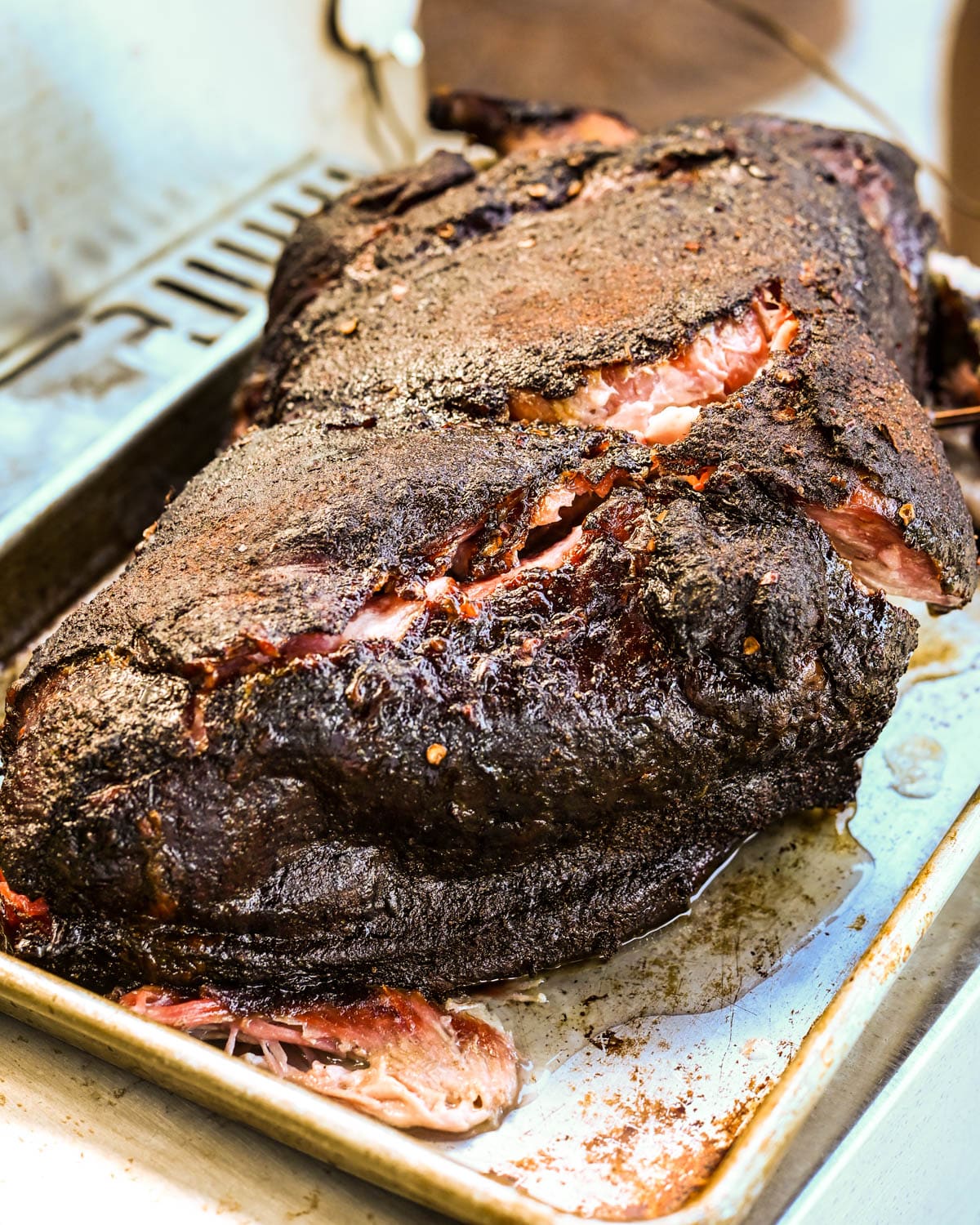
Start by setting up your grill for indirect heat. Turn on burners on one side only. Place the pork butt on the cooler side of the grill. Position the meat fat side up to keep it moist. Close the lid to trap smoke and heat. Avoid lifting the lid too often to keep the temperature steady.
Maintaining Consistent Heat
Keep the grill temperature between 225°F and 250°F. Use the gas knobs to adjust the heat as needed. Check the grill temperature every 30 minutes. Add wood chips for extra smoky flavor if desired. Avoid sudden temperature changes to prevent tough meat. Consistent heat helps break down fat and collagen slowly.
Monitoring Internal Temperature
Use a meat thermometer to track the pork’s internal temperature. Insert it into the thickest part of the meat, avoiding bone. Aim for a final temperature of 195°F to 205°F. This range ensures the pork is tender and easy to pull apart. Start checking the temperature after 4 hours. Remove the pork once it reaches the target temperature. Let it rest for at least 20 minutes before slicing or shredding.
Finishing Touches
Finishing touches can make or break your pork butt cooked on a gas grill. This stage is where flavors settle, and texture perfects itself. Paying attention here ensures every bite is juicy and tender, leaving your guests asking for more.
Wrapping The Meat
Wrapping your pork butt in foil or butcher paper traps moisture and heat. This helps the meat stay tender and speeds up cooking slightly. You can wrap it once the internal temperature hits around 160°F to avoid drying out the exterior.
Make sure to wrap tightly but leave some space for steam to circulate. This balance prevents the meat from becoming too soggy. Have you tried both foil and butcher paper? Many find paper gives a better bark while foil locks in more juice.
Resting Time
Resting your pork butt after grilling is crucial. Let it sit wrapped for at least 30 minutes to allow juices to redistribute. Cutting into it too early causes all those flavorful juices to run out, leaving dry meat.
Try resting it in a cooler or an oven set to low heat to keep it warm. Ever noticed how a rested roast tastes so much better? That’s because resting lets the meat fibers relax and reabsorb moisture.
Optional Glazes And Sauces
Adding a glaze or sauce at the end can boost flavor and add a nice shine. Consider brushing on a sweet and tangy barbecue sauce during the last 10 minutes of grilling to caramelize it slightly.
You can also serve sauces on the side to let guests customize their experience. Have you experimented with spicy, fruity, or smoky sauces? Each can change the character of your pork butt dramatically.
Credit: amazingribs.com
Serving Suggestions
Serve the pork butt with fresh coleslaw or baked beans for a tasty meal. Let the meat rest before slicing to keep it juicy and tender.
Cooking a pork butt on a gas grill is an art that results in a deliciously tender and flavorful dish. Once you've mastered the grilling process, the next step is to serve it in a way that highlights its juicy goodness. Whether you're planning a casual family dinner or a festive barbecue, how you serve the pork butt can elevate the entire experience. Let’s explore some serving suggestions that will leave your guests asking for more.
Slicing Vs Pulling
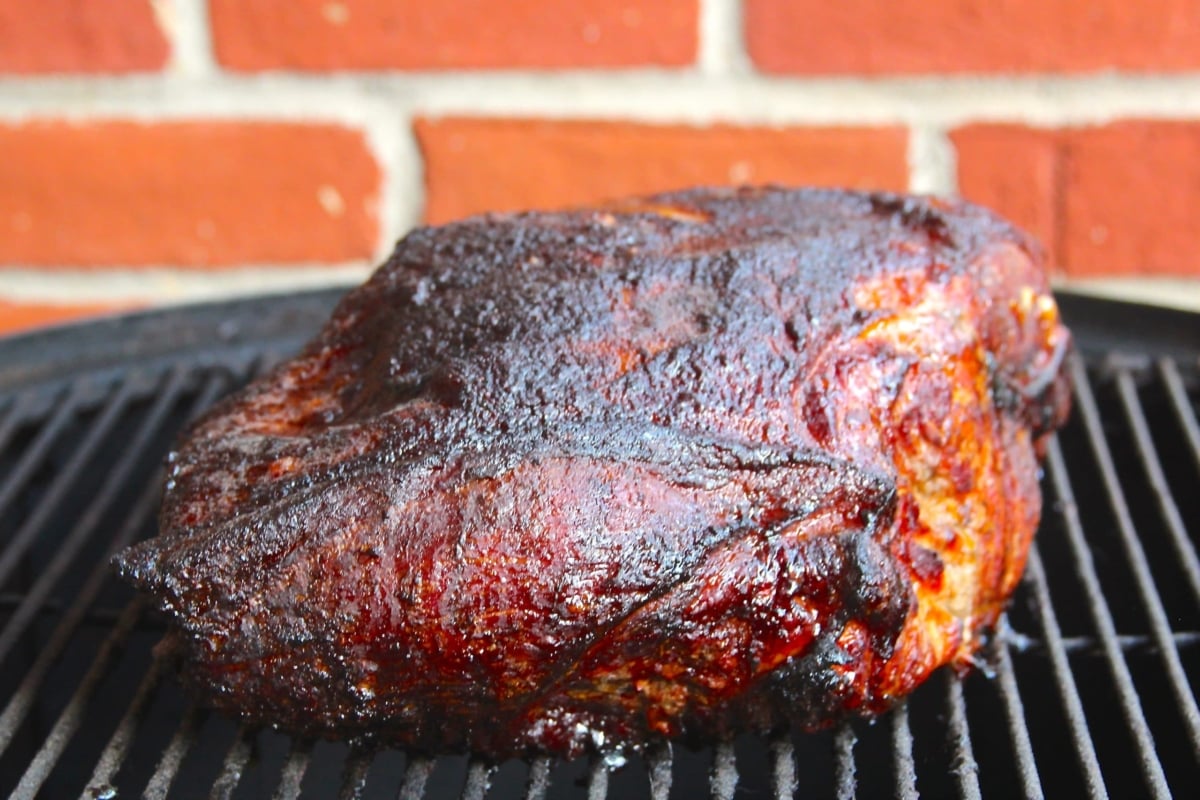
Deciding between slicing and pulling your pork butt can depend on the occasion and personal preference. Slicing is ideal for a more formal presentation. It showcases the beautiful layers and allows guests to appreciate the smoky crust. On the other hand, pulling the pork is perfect for a relaxed gathering. It creates tender, juicy shreds that are easy to pile onto buns or tortillas. Whichever method you choose, make sure the meat rests for a few minutes to lock in the juices.
Side Dishes To Pair
Pairing the right side dishes with pork butt can enhance its flavors and make your meal complete. A fresh coleslaw offers a crunchy contrast that complements the rich pork. Grilled vegetables are another great choice. They add color and a healthy balance to your plate. If you want to impress, serve a warm, cheesy cornbread that soaks up the savory juices beautifully.
Storage And Leftovers
Storing leftovers properly ensures you can enjoy your pork butt even after the party is over. Cool the meat completely before placing it in an airtight container. It can last in the fridge for up to four days. To reheat, add a splash of broth to keep it moist. Alternatively, freeze portions for up to three months, making future meals quick and easy. Have you tried transforming leftovers into a hearty soup or a flavorful taco filling? It’s a game-changer!
Troubleshooting Tips
Cooking pork butt on a gas grill can be rewarding, but it comes with challenges that can affect the final taste and texture. Knowing how to troubleshoot common issues will save you from disappointing results and help you achieve that tender, juicy meat you’re aiming for.
Avoiding Dry Meat
Dry pork butt is often the result of cooking at too high a temperature or for too long. Keep your grill temperature steady between 225°F and 275°F to allow the fat and collagen to break down slowly.
Using a meat thermometer is essential. Aim for an internal temperature of about 195°F to 205°F for that perfect pull-apart texture. If you notice the meat drying out, try wrapping it in foil or butcher paper halfway through cooking to lock in moisture.
Managing Flare-ups
Flare-ups happen when fat drips onto the flames, causing sudden bursts of heat. These can burn the meat’s exterior quickly, leaving it unevenly cooked inside.
To handle flare-ups, keep a spray bottle of water nearby to gently douse flames without cooling the grill too much. Moving the pork butt to a cooler part of the grill during flare-ups can also prevent charring while maintaining steady cooking.
Adjusting For Grill Variations
Every gas grill heats differently, which means your cooking times and temperatures might need tweaking. Some grills have hot spots that can cook one side faster than the other.
Test your grill’s heat distribution by placing slices of bread on the grates and observing how evenly they toast. Use this info to position your pork butt away from hotter zones, and consider rotating the meat periodically to ensure even cooking.
Frequently Asked Questions
How Long To Cook Pork Butt On A Gas Grill?
Cooking pork butt on a gas grill takes about 4 to 6 hours. Maintain a steady temperature of 225°F to 250°F. Use indirect heat to ensure even cooking and tender meat. Always check internal temperature for doneness.
What Temperature Should Pork Butt Reach To Cook Safely?
Cook pork butt until it reaches an internal temperature of 195°F to 205°F. This ensures the meat is tender and safe to eat. Use a meat thermometer for accuracy. Rest the meat before slicing.
Should Pork Butt Be Marinated Before Grilling?
Marinating pork butt enhances flavor and tenderness. Use a marinade with acid, herbs, and spices. Marinate for at least 4 hours or overnight for best results. Pat dry before grilling to avoid flare-ups.
How To Keep Pork Butt Moist On A Gas Grill?
Keep pork butt moist by using a water pan near the heat source. Baste occasionally with marinade or mop sauce. Cook at low temperatures to prevent drying. Wrap in foil during the last hour for extra moisture.
Conclusion
Cooking pork butt on a gas grill takes time and patience. Keep the temperature steady and check the meat often. Use a good rub and let the flavors soak in. Slice or pull the pork when it is tender and juicy.
Serve with your favorite sides for a tasty meal. Enjoy the process and the delicious results. Grilling pork butt can be simple and rewarding. Try these steps on your next cookout.