If you love pizza, you know that getting that perfect crispy crust can be tricky at home. But what if you could bake your pizza just like the pros do?
Using a pizza stone is the secret to achieving that amazing crunch and even cooking every time. In this guide, you’ll learn exactly how to use a pizza stone to make your homemade pizza taste better than ever. Ready to impress yourself and your friends with mouthwatering pizza?
Keep reading, and let’s get started!
Choosing The Right Pizza Stone
Choosing the right pizza stone is key to achieving that perfect crispy crust every time you bake. The right stone not only distributes heat evenly but also fits your oven and cooking style. Let’s look at what you should consider before making your pick.
Material Options
Pizza stones come in different materials, each affecting how your pizza cooks. Ceramic stones are popular because they absorb moisture well, creating a crisp base. However, they can crack if exposed to sudden temperature changes.
Another option is cordierite, known for its durability and heat retention. I once switched to cordierite after my ceramic stone cracked, and noticed my pizzas cooked more evenly and faster. Cast iron stones are less common but excellent for heat distribution and durability.
Size And Thickness
Choosing the right size depends on your oven and the size of pizza you usually make. A stone too large may not heat properly, while a small stone limits your pizza size. Measure your oven space before buying to avoid surprises.
Thickness affects heat retention and cooking time. Thicker stones hold heat longer but take more time to preheat. Thin stones heat quickly but may cool down faster once you place the dough on them. What kind of cooking pace do you prefer?
Maintenance And Durability
Think about how much effort you want to put into maintaining your stone. Ceramic stones can absorb oils and odors if not cleaned carefully, so avoid soap and instead scrape off residue after each use. Cordierite stones handle cleaning and temperature shocks better, making them a low-maintenance choice.
Durability matters if you plan to use your stone often. My cordierite stone has lasted years without any cracks or warping, even with frequent use. Would you rather invest in a stone that lasts or replace a cheaper one more often?

Credit: scarlatifamilykitchen.com
Preparing The Pizza Stone
Preparing the pizza stone properly ensures the best cooking results. It helps the stone heat evenly and prevents cracks. Taking care of the stone before use improves the pizza’s crust texture.
Seasoning The Stone
Most pizza stones come ready to use. But seasoning can add durability and help prevent sticking. To season, wipe the stone with a thin layer of vegetable oil. Avoid using too much oil to prevent smoke.
Place the stone in a cold oven. Heat it to 400°F (204°C) for about an hour. Let it cool inside the oven before removing. This process seals the stone’s pores and strengthens it.
Preheating Tips
Always preheat the pizza stone before placing dough on it. Put the stone in a cold oven on the middle rack. Set the oven to the highest temperature, usually 475-500°F (245-260°C).
Let the stone heat for at least 30 minutes. A hot stone cooks the pizza crust quickly and crisply. Avoid placing cold dough on a cold stone to prevent soggy crust.
Avoiding Common Mistakes
- Do not put a cold stone into a hot oven; it may crack.
- Avoid using soap to clean the stone; it absorbs odors.
- Never immerse the stone in water; it can break from moisture.
- Use a pizza peel or parchment paper to transfer pizza onto the stone.
- Let the stone cool naturally before cleaning or moving it.
Dough Preparation Tips
Preparing the dough correctly is key to baking delicious pizza on a pizza stone. It affects the crust's texture and flavor. Follow simple tips to get the dough ready for a perfect bake.
Selecting The Dough Type
Choose dough based on the pizza style you want. Thin crust dough bakes quickly and crisps well. Thick crust dough stays soft inside and crunchy outside. Fresh dough often gives better texture and taste than frozen. Look for dough with basic ingredients: flour, water, salt, and yeast.
Proper Rolling Techniques
Roll dough gently to keep air bubbles inside. Use a light touch with a rolling pin or stretch by hand. Avoid pressing too hard, which can make dough tough. Roll dough evenly to ensure uniform cooking on the stone. A round shape fits the stone better and cooks evenly.
Preventing Stickiness
Sprinkle flour or cornmeal on your work surface to stop dough from sticking. Dust the rolling pin lightly as well. If dough feels sticky, chill it in the fridge for 10–15 minutes. Avoid adding too much flour, which can dry out the dough. Keep dough covered with a cloth to maintain moisture.
Credit: www.cuisinart.com
Assembling Your Pizza
Assembling your pizza on a pizza stone is a crucial step for a delicious result. Careful layering ensures even cooking and great flavor. Preparing your toppings and dough properly helps create a perfect crust and tasty pizza.
Choosing Sauces And Toppings
Start with a sauce that matches your taste. Tomato sauce is classic and works well with many toppings. White sauce or pesto offers unique flavors for variety. Select fresh toppings like vegetables, meats, and cheeses. Avoid too many wet toppings to prevent sogginess. Keep toppings evenly spread for balanced cooking.
Balancing Ingredients For Crispiness
Too many heavy toppings can weigh the dough down. Use moderate amounts of cheese and sauce to keep the crust crispy. Thin slices of toppings cook faster and evenly. Drain watery vegetables like mushrooms or spinach before adding. This balance helps the pizza stone create a crunchy base.
Using Flour Or Cornmeal
Sprinkle flour or cornmeal on your pizza peel or baking surface. This prevents the dough from sticking to the peel. Cornmeal adds a slight crunch and texture to the crust edges. Flour works well for a smooth transfer onto the stone. Use just enough to slide the pizza easily onto the hot stone.
Baking On The Pizza Stone
Baking on a pizza stone brings out the best in homemade pizza. The stone stores heat evenly, creating a crispy crust. It mimics the effect of a traditional brick oven. This method ensures your pizza cooks thoroughly and tastes delicious.
Optimal Oven Temperature
Preheat the oven with the pizza stone inside. Set the temperature between 475°F and 500°F (245°C to 260°C). This high heat helps the stone absorb and radiate heat evenly. Wait at least 30 minutes for the stone to heat fully. A hot stone crisps the bottom of the pizza perfectly.
Using A Pizza Peel
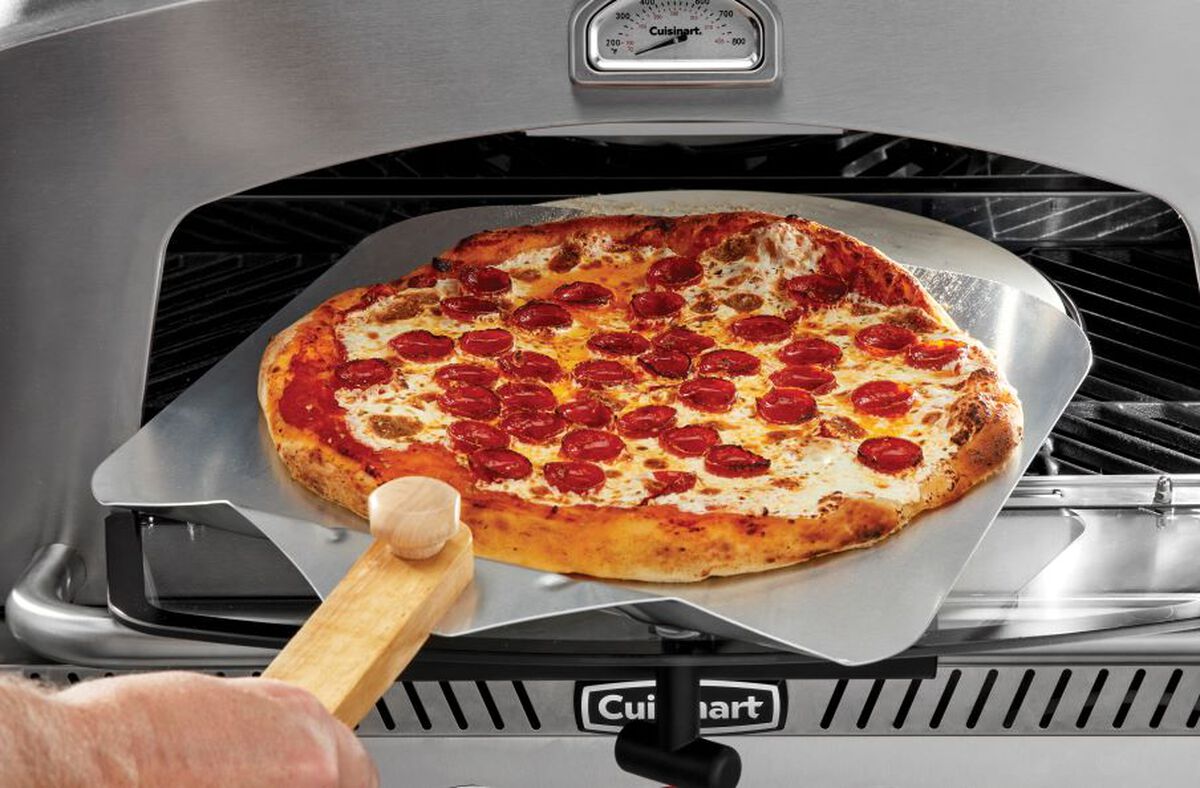
Prepare your pizza on a floured pizza peel or a flat wooden board. The flour stops the dough from sticking. Slide the pizza quickly and carefully onto the hot stone. Use a gentle rocking motion to move the pizza off the peel. This step takes practice but prevents tears or burns.
Baking Time And Monitoring
Cook the pizza for 8 to 12 minutes depending on thickness. Watch the crust for a golden-brown color. Check the cheese; it should bubble and melt fully. Rotate the pizza halfway through baking for even cooking. Use a spatula or peel to lift and check the bottom crust.
Achieving Crispy Results
Achieving a crispy pizza crust on a pizza stone is key to a delicious homemade pizza. The stone's ability to absorb and hold heat creates a perfect cooking surface. This results in a crust that is golden, crunchy, and well-cooked. A few techniques help maximize this effect for the best taste and texture.
Heat Distribution Benefits
A pizza stone spreads heat evenly across the dough. This stops hot spots that can burn or undercook the crust. The stone absorbs moisture from the dough, preventing sogginess. It also keeps the base hot during baking for consistent cooking. A well-heated stone mimics the effect of a traditional pizza oven.
Avoiding Soggy Crusts
Preheat the pizza stone for at least 30 minutes before baking. This ensures it is hot enough to crisp the crust quickly. Use a pizza peel with flour or cornmeal to prevent sticking. Avoid overloading the pizza with sauce or wet toppings. These add moisture that can soften the crust.
Post-baking Tips
Let the pizza rest on a wire rack after baking. This stops steam from making the bottom soggy. Slice the pizza only after a few minutes to keep the crust crisp. Clean the pizza stone only when cool, avoiding soap that can absorb odors. Proper care keeps the stone ready for the next crispy pizza.
Cleaning And Storing The Stone
Clean the pizza stone with a brush or scraper after it cools down. Avoid soap; use warm water only. Store the stone in a dry place to keep it ready for the next use.
Cleaning and storing your pizza stone properly extends its life. It also ensures delicious pizzas every time. A clean stone bakes evenly, while proper storage prevents damage. Follow these guidelines for maintaining your pizza stone.
Safe Cleaning Methods
Avoid using soap or detergent on your pizza stone. It absorbs liquids, which can affect taste. Use a brush or plastic scraper to remove stuck food. For stubborn stains, make a paste of baking soda and water. Gently scrub the surface with it. Rinse with warm water and dry completely before storing.
Avoiding Damage
Prevent thermal shock by allowing the stone to cool completely before cleaning. Do not place a hot stone in cold water. Avoid using metal utensils, as they can scratch the surface. Never use the self-cleaning cycle of your oven. High temperatures can cause the stone to crack.
Proper Storage Practices
Store your pizza stone in a cool, dry place. Ensure it's completely dry before storage to avoid mold. Avoid stacking heavy items on top of it, which can cause breakage. If space is limited, store it in the oven. This keeps it safe and ready for your next pizza night.

Credit: skotti-grill.eu
Frequently Asked Questions
How Do You Prepare A Pizza Stone For Cooking?
To prepare a pizza stone, preheat it in the oven at 475°F for 30-45 minutes. This ensures even heat distribution and a crisp crust.
Can You Use A Pizza Stone In A Regular Oven?
Yes, a pizza stone works well in a regular oven. It mimics a brick oven by retaining heat and cooking pizza evenly.
How Long Should Pizza Cook On A Stone?
Pizza typically cooks on a stone for 10-15 minutes at high heat. Keep an eye on it to avoid burning.
Should You Oil A Pizza Stone Before Use?
No, avoid oiling a pizza stone. It can absorb oil and cause smoking or uneven cooking.
Conclusion
Cooking pizza on a pizza stone brings great results every time. The stone helps heat evenly and makes the crust crispy. Preheat the stone well before placing your pizza on it. Use simple steps and watch your pizza bake perfectly.
Enjoy the delicious taste of homemade pizza with ease. Practice often, and you will improve quickly. A pizza stone is a helpful tool for any pizza lover. Give it a try and enjoy a tasty, crispy pizza at home.