Imagine biting into a pizza with a perfectly crispy crust, gooey cheese, and fresh toppings—all made right on your gas grill. You might think cooking pizza on a grill is tricky, but it’s easier than you expect.
In this guide, you’ll discover simple steps that turn your gas grill into a pizza oven. Whether you’re a beginner or just looking to impress your friends, you’ll learn how to get that restaurant-quality pizza at home. Ready to upgrade your grilling game?
Keep reading, and soon you’ll be serving mouthwatering pizzas straight from your backyard grill.
Choosing The Right Ingredients
Choosing the right ingredients sets the foundation for a perfect pizza cooked on your gas grill. Each element, from the dough to the toppings, impacts how the flavors come together and how well the pizza cooks. Your choices can make the difference between a bland pie and a mouthwatering masterpiece.
Selecting The Dough
The dough is the base of your pizza, so it’s important to pick one that holds up well on a grill. Look for dough that is slightly thicker than typical store-bought varieties; thin dough can burn quickly on high heat. If you make your own, aim for a dough with good elasticity so it stretches easily without tearing.
Have you ever tried letting dough rest longer before grilling? It improves texture and chewiness. Also, brushing the dough lightly with olive oil before placing it on the grill helps prevent sticking and creates a crispy crust.
Picking The Sauce
Choose a sauce that complements the smoky flavor from the grill without overpowering it. A simple tomato sauce seasoned with garlic, oregano, and a pinch of salt works perfectly. Avoid watery sauces; they can make the crust soggy and cause uneven cooking.
Consider making a thicker sauce or even using pesto for a fresh twist. Have you noticed how a well-balanced sauce can elevate even the simplest toppings?
Choosing The Cheese
Cheese is crucial for that gooey, melty texture everyone loves. Mozzarella is the classic choice because it melts evenly and has a mild flavor. You can mix it with provolone or fontina for added depth.
Try grating your cheese instead of using pre-shredded—it melts better and doesn’t release excess moisture. Ever wondered why some pizzas have that perfect cheese pull? The cheese quality and preparation make all the difference.
Toppings Tips
Less is more when it comes to toppings on a grilled pizza. Overloading can cause uneven cooking and soggy spots. Stick to thinly sliced vegetables and pre-cooked meats to ensure everything heats through properly.
Think about layering flavors: add fresh basil after grilling or a drizzle of balsamic glaze to finish. What unexpected ingredient could you add to surprise your taste buds?
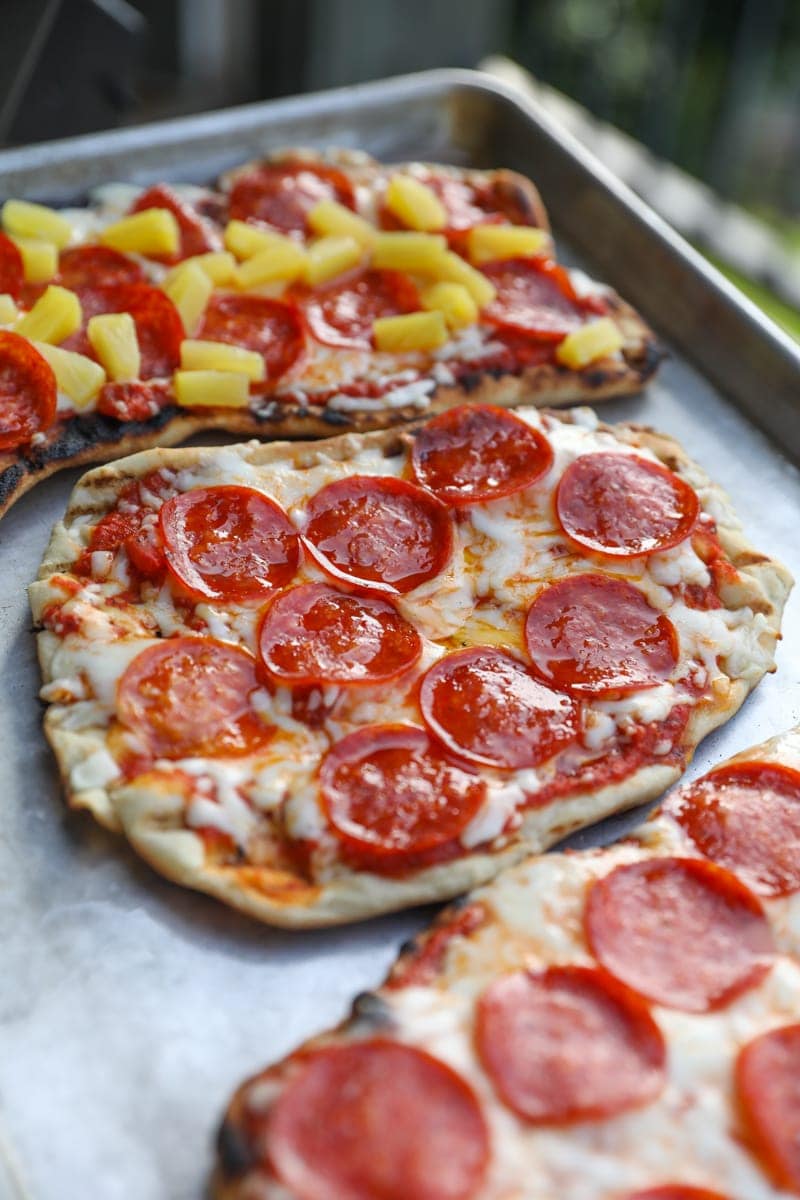
Credit: laurenslatest.com
Preparing The Grill
Preparing your gas grill properly is key to cooking a perfect pizza. It’s not just about turning on the heat; it involves careful steps that set the stage for a crispy crust and evenly melted cheese. Getting this right can transform your homemade pizza into a delicious, restaurant-quality meal.
Cleaning The Grill Grates
Start with clean grill grates to avoid flare-ups and prevent old food from sticking to your pizza. Use a stiff wire brush to scrub away any residue from previous grilling sessions. If you notice stubborn buildup, heat the grill for 10 minutes before brushing—it will burn off some of the grime.
Once the grates are clean, wipe them down with a paper towel dipped in oil. This creates a non-stick surface that helps your pizza slide off easily when it’s done. Have you ever tried grilling on dirty grates? The difference is huge—you’ll thank yourself for this quick extra step.
Setting The Temperature
Gas grills can have hot spots, so it’s important to set up a two-zone cooking area. Turn one side of the grill to medium-high heat (around 450-500°F) and leave the other side off or on low. This allows you to start the pizza on the hot side and finish it on the cooler side without burning it.
Use a grill thermometer or an infrared thermometer to check the surface temperature. Precise heat control makes a big difference—you don’t want your pizza burning before the toppings are cooked. Have you ever guessed the heat and ended up with a soggy or burnt crust?
Using A Pizza Stone Or Steel
Placing a pizza stone or steel on the grill helps distribute heat evenly and crisps the crust like a wood-fired oven. Preheat the stone or steel on the grill for at least 30 minutes before cooking. This ensures it’s hot enough to give your pizza that perfect crunch.
If you don’t have a stone or steel, you can place the pizza directly on the grates, but watch closely to avoid burning. Investing in a pizza stone or steel is worth it if you plan to grill often. Have you noticed how much better your pizza tastes with a crispy, evenly cooked base?
Shaping And Topping The Pizza
Shaping and topping the pizza sets the stage for a delicious grilled pie. The dough must be stretched evenly for a perfect crust. The sauce and cheese create the base flavor, so apply them carefully. Toppings add texture and taste, but they should not overwhelm the pizza. Proper layering helps the pizza cook evenly on a gas grill.
Rolling Out The Dough
Start with room temperature dough. Lightly flour your surface to prevent sticking. Use your hands to press the dough into a rough circle. Roll out the dough with a rolling pin or stretch it by hand. Aim for an even thickness, about ¼ inch. Avoid making the edges too thin to hold toppings well.
Adding Sauce And Cheese
Spread a thin layer of sauce over the dough, leaving a small border. Use a spoon or ladle for easy spreading. Add shredded mozzarella or your favorite cheese next. Cover the sauce evenly but do not overload. The cheese melts and binds the toppings during grilling.
Layering Toppings Properly
Choose toppings that grill well, like vegetables and cooked meats. Slice toppings thin for even cooking. Place toppings evenly across the pizza. Avoid piling too much in one spot to prevent soggy spots. A balanced topping layer keeps the pizza crispy and tasty.

Credit: modernistcuisine.com
Grilling Techniques
Grilling pizza on a gas grill brings a smoky flavor and crispy crust. Using the right techniques ensures your pizza cooks evenly and tastes delicious. Control and attention are key to grilling success.
Placing The Pizza On The Grill
Preheat the grill with the lid closed for about 10 minutes. Clean the grill grates to prevent sticking. Place the pizza directly on the grill grates over medium heat. Use a pizza stone or a cast-iron pan for more even cooking. Close the lid to trap heat and cook the pizza faster.
Managing Heat Zones
Create two heat zones on your grill: one side with high heat and the other with low heat. Start the pizza on the high heat zone to crisp the crust. Move it to the low heat side to cook the toppings without burning. This method avoids undercooked dough or burnt toppings.
Rotating For Even Cooking
Rotate the pizza every 2-3 minutes to avoid hot spots. Use tongs or a pizza peel for safe handling. Check the bottom of the crust to ensure it’s not burning. Rotate until the cheese melts and crust is golden brown. This keeps the pizza evenly cooked and tasty.
Finishing Touches
Sprinkle fresh herbs or extra cheese right after grilling for added flavor. Let the pizza rest briefly to set toppings and enhance taste.
Finishing touches make your grilled pizza delicious. They enhance flavors and create a beautiful presentation. Let's explore how to perfect your pizza with some simple tips.
Checking For Doneness
Ensure your pizza is fully cooked before serving. Check the crust for a golden brown color. It should be crispy and slightly charred. Use a spatula to lift the crust and look underneath. The cheese should be melted and bubbly. If toppings are uncooked, close the grill for a few more minutes. This helps everything cook evenly.
Adding Fresh Herbs Or Drizzles
Fresh herbs add flavor and color. Sprinkle basil, oregano, or parsley over your pizza. Drizzle a bit of olive oil for a rich taste. Balsamic glaze adds a sweet touch. Remember, less is more. Too many toppings can overpower the pizza.
Serving Suggestions
Cut the pizza into slices for easy serving. Use a pizza cutter or a sharp knife. Pair with a fresh green salad for a complete meal. Offer extra toppings like parmesan cheese or chili flakes. These add a personalized touch. Enjoy your pizza hot off the grill.

Credit: www.reddit.com
Troubleshooting Common Issues
Cooking pizza on a gas grill can be a fantastic way to achieve that smoky, crispy flavor, but it’s not without its challenges. Sometimes the crust burns before the toppings cook, or the base turns soggy. You might even struggle with the dough sticking to the grill. Let’s tackle these common problems so your next grilled pizza turns out perfectly.
Avoiding Burnt Crust
Burnt crust is usually caused by high direct heat. Try using indirect heat by turning off one burner and placing your pizza over the unlit side. This keeps the crust from charring while the toppings cook through.
Another trick is to preheat your grill with the lid closed, then lower the temperature right before placing your pizza. Keep a close eye on it—you want a golden brown crust, not blackened edges.
Preventing Soggy Bottoms
Soggy crust often happens because of excess moisture from toppings or dough that’s too thick. Pat dry wet ingredients like fresh tomatoes or mushrooms before adding them. Thinner dough also helps in getting a crisp base.
Consider using a pizza stone or a heavy cast-iron skillet on the grill. These tools distribute heat evenly and absorb moisture, giving you a firmer crust.
Handling Stuck Dough
Nothing’s more frustrating than your dough sticking to the grill grates. Always oil the grates well before placing your dough. You can also dust the dough lightly with cornmeal or flour to create a barrier.
If you feel the dough sticking as you try to lift it, gently wiggle your spatula or tongs instead of forcing it. Patience here saves your pizza from tearing apart.
Frequently Asked Questions
How Do You Prepare A Gas Grill For Pizza Cooking?
Preheat your gas grill to medium-high heat, about 450°F. Clean the grates well and oil them lightly to prevent sticking. Use indirect heat by turning off one burner and placing the pizza on the unlit side for even cooking.
What Type Of Pizza Dough Works Best On A Gas Grill?
Use a sturdy dough like Neapolitan or New York-style, which holds up well on the grill. Avoid thin, fragile doughs that may tear or burn. Let the dough rest and rise properly for better texture and easy handling.
How Long Does It Take To Cook Pizza On A Gas Grill?
Cooking pizza on a gas grill usually takes 8 to 12 minutes. Rotate the pizza halfway through to ensure even cooking. Watch for a golden crust and melted cheese before removing it from the grill.
Can I Use A Pizza Stone On A Gas Grill?
Yes, a pizza stone works great on a gas grill. Preheat the stone with the grill to avoid thermal shock. It helps distribute heat evenly and creates a crispy crust similar to traditional ovens.
Conclusion
Grilling pizza on a gas grill brings a fresh taste to your meals. It cooks fast and gives a crispy crust. You control the heat easily for perfect results. Experiment with toppings to find your favorite mix. Practice makes the process smoother and more fun.
Enjoy sharing your grilled pizza with friends and family. Try this method for your next pizza night. It’s a simple way to enjoy outdoor cooking.