Cooking a ham in a convection oven can turn a simple meal into a delicious feast. If you want your ham to be juicy, tender, and perfectly cooked every time, this guide is for you.
You’ll learn easy steps that save time and bring out the best flavors. Ready to impress your family or guests with a mouthwatering ham? Keep reading, and you’ll discover everything you need to make your next meal a hit.

Credit: www.youtube.com
Choosing The Right Ham
Choosing the right ham is the first step to making your convection oven cooking experience enjoyable and successful. The type and size of ham you select will influence the cooking time, flavor, and how evenly it cooks. Knowing what to look for helps you avoid common pitfalls like uneven heating or drying out the meat.
Types Of Ham For Convection Cooking
Not all hams behave the same in a convection oven. You have options like fresh ham, cured ham, smoked ham, and spiral-cut ham. Each has different moisture levels and fat content, affecting cooking time and texture.
- Fresh Ham:This is uncooked and requires thorough cooking. It’s perfect if you want full control over seasoning and glaze.
- Cured Ham:Already cured with salt or sugar, it usually needs less cooking time. It’s a great choice for quick meals.
- Smoked Ham:These hams come pre-smoked, adding extra flavor. Be mindful of cooking time to avoid over-drying.
- Spiral-Cut Ham:Pre-sliced and often pre-cooked, spiral-cut hams heat quickly and evenly in convection ovens.
Think about the flavor and convenience you want. Have you considered how the ham’s preparation affects your glaze or seasoning choices?
Size And Weight Considerations
The size of your ham impacts how long it takes to cook and how well heat circulates around it. Smaller hams cook faster but can dry out if overcooked. Larger hams take longer but stay moist if monitored properly.
- Choose a ham size that fits comfortably in your convection oven with space around it for air circulation.
- Consider the weight—aim for 1 to 1.5 pounds per person to ensure enough for everyone.
- Remember, the cooking time in a convection oven is usually 25% shorter than in a conventional oven, so adjust accordingly.
Have you ever struggled with a ham that cooked unevenly or took too long? Picking the right size can solve that problem before it starts.
Credit: www.theculinarypro.com
Preparing The Ham
Preparing your ham correctly sets the foundation for a delicious meal. It’s not just about tossing it in the oven; how you treat the ham beforehand affects flavor and texture. Pay close attention to each step to make sure your ham comes out perfectly cooked and full of taste.
Thawing And Cleaning
Start by thawing your ham safely if it’s frozen. The best way is to place it in the refrigerator for 24 to 48 hours, depending on size. Avoid rushing this step because uneven thawing can lead to uneven cooking.
Once thawed, rinse the ham under cold water to remove any packaging residues or excess salt. Pat it dry with paper towels—moisture on the surface can prevent browning. This simple cleanup makes a big difference in the final texture.
Scoring And Seasoning
Scoring the ham means making shallow cuts on the surface in a diamond pattern. This helps the heat penetrate evenly and lets your seasoning or glaze seep deeper. Don’t cut too deep; about ¼ inch is perfect.
Season your ham with a dry rub or simple spices like black pepper, garlic powder, and a touch of brown sugar. These ingredients enhance the natural flavor without overpowering it. You might want to experiment with small amounts to find your favorite mix.
Applying Glaze Options
Glazing adds moisture and a beautiful caramelized finish. You can use store-bought glazes or make your own with ingredients like honey, mustard, maple syrup, or fruit preserves. Each option brings a unique twist to your ham.
Apply the glaze during the last 20-30 minutes of cooking to avoid burning. Brush it on every 10 minutes for a glossy, sticky coat. Have you tried combining sweet and spicy glazes? It’s a game changer that keeps guests asking for your recipe.
Setting Up The Convection Oven
Setting up your convection oven correctly is key to cooking a ham that’s juicy and evenly heated. A few adjustments to temperature, rack placement, and using a drip pan will make a big difference in your final dish. Let’s look at each step to help you prepare your oven for the best results. When it comes to juicy rib roast cooking techniques, the right approach can elevate your meal to a whole new level. Start by seasoning your roast generously and allow it to come to room temperature before placing it in the oven. Additionally, utilizing a meat thermometer will ensure that your roast is cooked to perfection, achieving that desirable tenderness and flavor.
Temperature Settings
Convection ovens circulate hot air, so you need to lower the temperature compared to a conventional oven. Set your oven about 25°F lower than the recipe calls for in a regular oven. For example, if the recipe says 350°F, aim for 325°F in the convection oven.
This lower temperature prevents the ham from drying out while still cooking it thoroughly. Have you noticed how sometimes food cooks too fast and the outside burns before the inside is done? Adjusting the temperature avoids that problem.
Rack Positioning
Place the ham on the middle rack to allow hot air to circulate evenly around the meat. Avoid putting it too close to the top or bottom heating elements, which can cause uneven cooking or burning.
Make sure there’s enough space around the ham for air to flow freely. This helps achieve that perfect golden crust without drying the inside. Have you checked your oven’s racks lately? Sometimes a simple rearrangement can improve cooking performance.
Using A Drip Pan
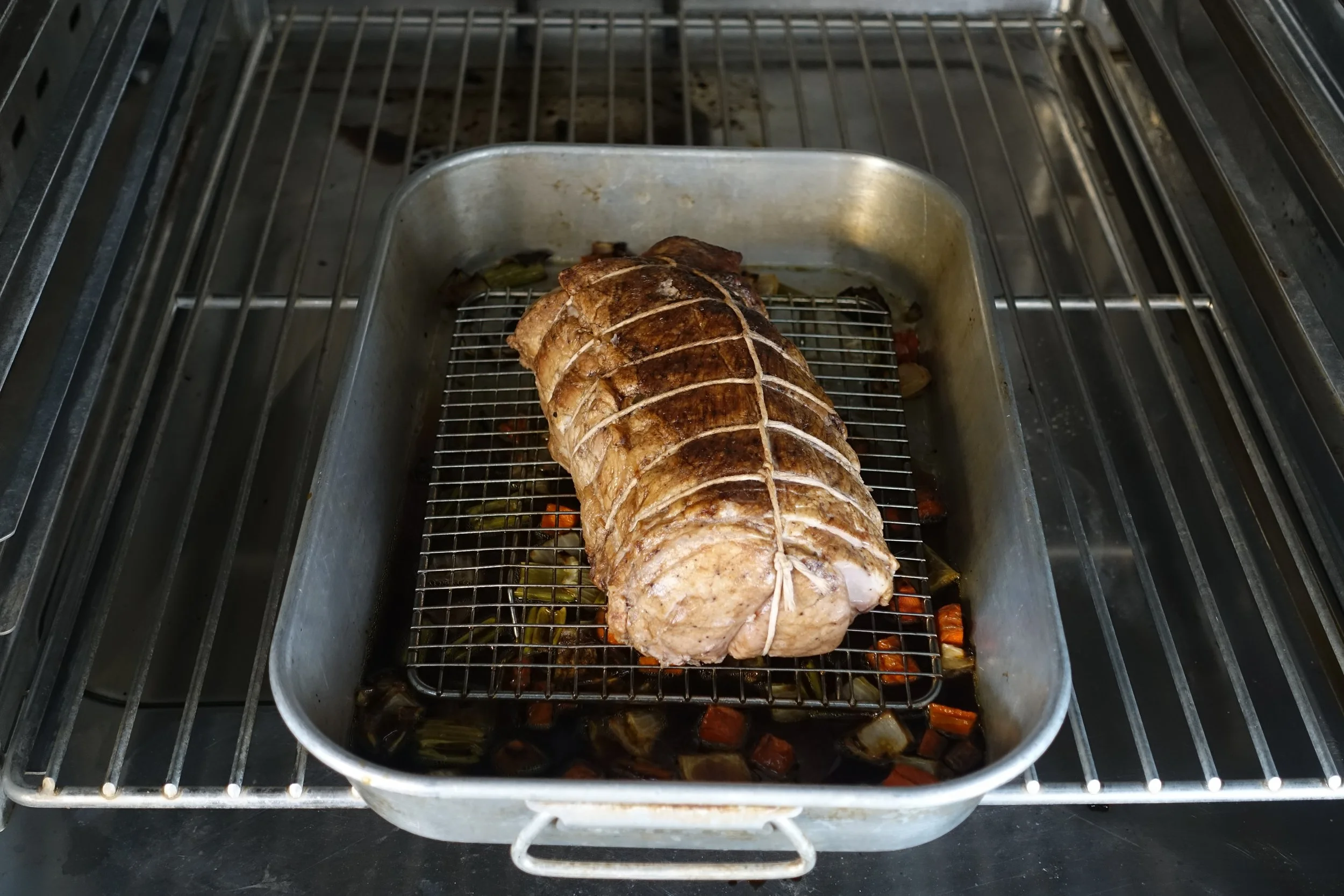
Always use a drip pan under the ham to catch juices and prevent smoking. This pan also reflects heat back onto the ham, helping it cook more evenly.
Choose a shallow pan and add a cup of water or broth to keep the environment moist. This little trick keeps your ham tender and adds flavor to the drippings, which you can turn into a delicious glaze or sauce.
Credit: simplybetterliving.sharpusa.com
Cooking The Ham
Cooking a ham in a convection oven keeps it juicy and tender. Set the temperature low and let the hot air cook it evenly. Check the internal temperature for perfect doneness without drying out the meat.
Cooking the ham in a convection oven ensures juicy and flavorful meat. Convection ovens use a fan to circulate hot air, cooking food evenly. This method is efficient and can reduce cooking time. Follow these steps for a perfectly cooked ham.
Calculating Cooking Time
First, determine the weight of your ham. For convection ovens, cook at 325°F. Generally, allow 10-12 minutes per pound. If your ham weighs 8 pounds, cook it for 80-96 minutes. Always check guidelines on the packaging for specific instructions.
Monitoring Internal Temperature
Use a meat thermometer to ensure the ham cooks safely. Insert it into the thickest part, avoiding bone. The ideal internal temperature is 145°F. This ensures the ham is cooked and safe to eat. Check the temperature halfway through the cooking time.
Basting Techniques
Basting keeps the ham moist and flavorful. Use a mixture of honey, mustard, and brown sugar. Baste the ham every 20 minutes during cooking. This adds a delicious glaze and enhances the taste.
Finishing Touches
Finishing touches give your ham the perfect end. This stage enhances flavor and presentation. Small steps here make a big difference. Follow these simple tips to complete your ham cooked in a convection oven.
Resting The Ham
Let the ham rest after cooking. Cover it loosely with foil. Resting keeps juices inside the meat. Wait 15 to 20 minutes before carving. This makes the ham moist and tender.
Carving Tips
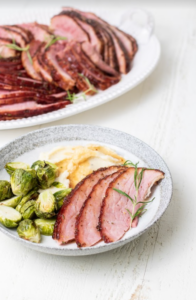
Use a sharp knife for clean slices. Cut against the grain for tenderness. Slice about 1/4 inch thick for easy serving. Remove the bone carefully if present. Arrange slices neatly on a platter.
Serving Suggestions
Serve ham with sides that balance its flavor. Try mashed potatoes, green beans, or roasted vegetables. Add a sweet glaze or mustard on the side. Warm bread or rolls also pair well. Offer fresh fruit for a light touch.
Troubleshooting Common Issues
Cooking a ham in a convection oven can sometimes come with a few challenges. You might find your ham turning out drier than expected or unevenly cooked. Understanding how to troubleshoot these common issues will help you get the perfect ham every time.
Avoiding Dryness
Dry ham can ruin your meal, but it’s easy to prevent. Keep your ham covered with foil to lock in moisture during cooking. You can also baste it with a bit of juice or glaze every 20-30 minutes to keep the surface from drying out.
Have you tried using a water pan in the oven? Placing a shallow pan with water beneath your ham helps create steam, which adds moisture to the cooking environment. This little trick often makes a big difference in keeping your ham juicy.
Ensuring Even Cooking
Uneven cooking is a common problem, especially with larger hams. Rotate your ham halfway through cooking to help heat distribute evenly. Avoid placing it too close to the oven walls or heating elements where one side might cook faster.
Using a meat thermometer is your best friend here. Check the temperature in multiple spots to ensure the entire ham reaches the safe internal temperature of 140°F (60°C) for pre-cooked hams. This step prevents cold spots and guarantees even doneness.
Handling Overcooked Or Undercooked Ham
If your ham turns out overcooked and tough, try slicing it thinner and serving it with a moist sauce or gravy. This can add back some moisture and improve the texture. You can also repurpose overcooked ham into soups or casseroles where extra cooking won’t matter as much.
For undercooked ham, simply return it to the oven, tented with foil to prevent drying out. Lower the temperature slightly to cook it more gently and avoid drying the outside while the inside finishes cooking. Always check the internal temperature before serving.
Frequently Asked Questions
How Long To Cook Ham In A Convection Oven?
Cook ham for about 10-12 minutes per pound at 325°F in a convection oven. This ensures even cooking and a tender result. Always check internal temperature for safety.
What Temperature Is Best For Convection Oven Ham?
Set the convection oven to 325°F for cooking ham. This temperature balances thorough cooking and moisture retention, preventing the ham from drying out.
Should I Cover Ham When Baking In Convection Oven?
Yes, loosely cover ham with foil to keep it moist. Remove foil in the last 20 minutes to brown the surface evenly.
How To Check If Ham Is Fully Cooked In Convection Oven?
Use a meat thermometer to check ham’s internal temperature. It should reach 140°F for pre-cooked ham or 145°F for raw ham.
Conclusion
Cooking a ham in a convection oven is simple and quick. The even heat helps cook the ham perfectly. You get a juicy inside and a nice crust outside. Remember to set the right temperature and time. Use a meat thermometer to check doneness.
Let the ham rest before slicing. This makes it tender and flavorful. Try this method for your next meal. Enjoy a tasty, easy-cooked ham with your family.