If you want to impress your guests or simply enjoy a tender, juicy steak at home, learning how to cook a filet mignon on a gas grill is a skill you need. This cut of beef is known for its buttery texture and rich flavor, but getting it just right can feel tricky.
You might wonder how to lock in that perfect sear while keeping the inside tender and juicy. In this guide, you’ll discover simple, step-by-step tips that make grilling filet mignon easy and foolproof. By the end, you’ll have the confidence to serve a restaurant-quality steak right from your own backyard.
Ready to master the art of grilling filet mignon? Let’s get started.
Choosing The Right Filet Mignon
Choosing the right filet mignon sets the foundation for a memorable grilling experience. This cut is known for its tenderness and subtle flavor, but not all filets are created equal. Paying attention to quality and size can elevate your meal from good to outstanding.
Selecting Quality Cuts
Look for filets with a bright red color and minimal discoloration. Freshness is key, so check the sell-by date if buying from a store. If you're at a butcher, ask about the source and aging process; dry-aged filets often have a richer flavor.
Don’t forget to check the marbling—the thin streaks of fat within the meat. These streaks melt during grilling and keep the filet juicy. Too little marbling can lead to a dry steak, while too much might overpower the delicate texture.
Thickness Matters
The thickness of your filet affects cooking time and final texture. Aim for cuts that are about 1.5 to 2 inches thick. Thinner filets can overcook quickly, losing their tenderness, while thicker ones allow for a perfect sear outside and a juicy center.
Think about how you like your steak cooked. Are you a fan of medium-rare or medium? Thicker cuts give you more control to reach that ideal doneness without drying out. Have you ever ended up with a filet that's too thin to grill properly? Choosing the right thickness can prevent that.
Preparing The Steak
Preparing your filet mignon properly sets the stage for a perfect cook on the gas grill. This phase is all about building flavor and ensuring even cooking. How you handle your steak before it hits the grill can change the entire experience.
Seasoning Tips
Keep your seasoning simple to highlight the natural flavor of filet mignon. Salt is your best friend here. Use coarse kosher salt or sea salt and sprinkle it generously on both sides.
Add freshly ground black pepper right before grilling to avoid it burning on the grill grates. If you want to elevate the taste, add garlic powder or a touch of smoked paprika for a subtle kick. Remember, filet mignon is a tender cut, so you don’t need heavy marinades or too many spices.
Bringing To Room Temperature
Let your steak sit out for about 30 to 60 minutes before grilling. This step helps the meat cook evenly by taking the chill off. Cold steak on a hot grill can cause the outside to overcook while the inside stays underdone.
Place the steak on a plate, cover it loosely with foil, and resist the urge to refrigerate it again. Have you noticed how steaks sometimes come out tough? Skipping this step might be why. Warming your steak to room temperature ensures a juicier and more tender result.
Setting Up The Gas Grill
Setting up your gas grill correctly is the foundation for cooking a perfect filet mignon. Without proper preparation, even the best cut of meat can end up overcooked or lacking flavor. Taking time to set your grill right will give you better control over the heat and ensure a juicy, tender steak every time.
Preheating The Grill
Start by turning on your gas grill and setting all burners to high. Let it preheat with the lid closed for about 10 to 15 minutes. This step is crucial because a properly heated grill sears the steak quickly, locking in juices and creating those beautiful grill marks.
Have you noticed how steaks cooked on a cold grill tend to stick or cook unevenly? Preheating prevents that and makes flipping the filet mignon easier.
Creating Heat Zones
Once the grill is hot, adjust the burners to create two heat zones: one side on high heat and the other on medium or low. This setup lets you sear the filet mignon over direct heat and then move it to indirect heat to finish cooking without burning.
- Direct heat zone: for searing, typically the hotter side
- Indirect heat zone: for gentle cooking and resting
Think of it like giving your steak a hot welcome party followed by a calm, cozy finish. This approach gives you control over the cooking process and helps avoid overcooking or flare-ups.

Credit: www.mychicagosteak.com
Grilling Techniques
Grilling a filet mignon on a gas grill demands attention to specific techniques to bring out its tenderness and flavor. The way you handle the heat and timing can turn a good steak into an unforgettable meal. Let’s break down the essential grilling techniques that will help you master this process.
Searing The Filet
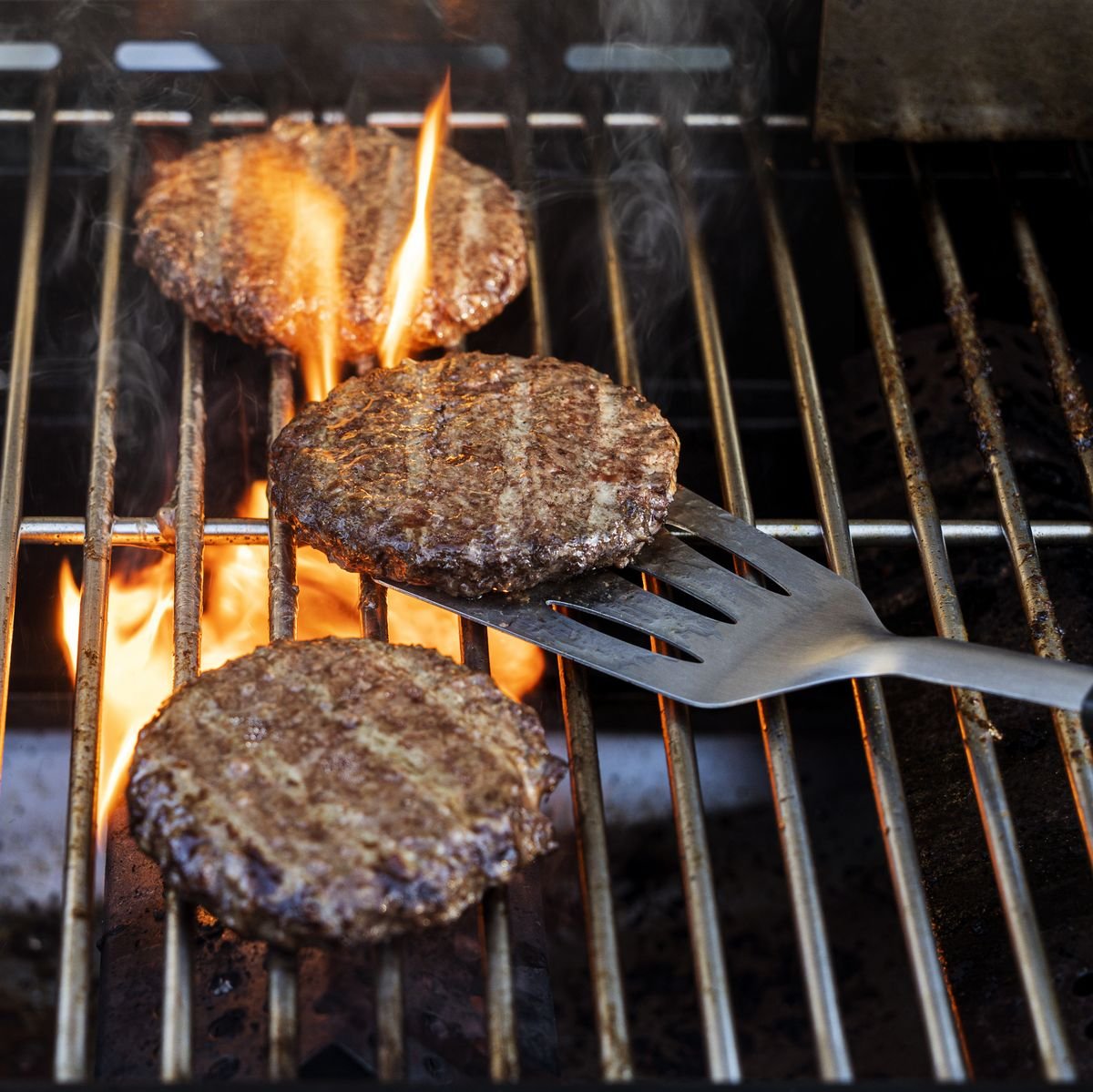
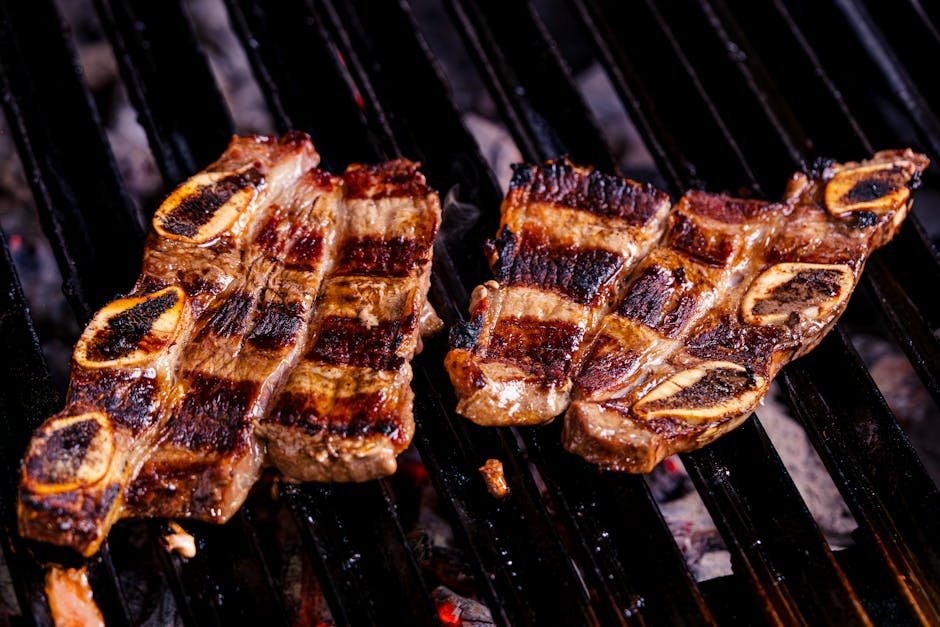
Searing is your first move to lock in the juices and create a flavorful crust. Preheat your grill on high to get a surface hot enough for a quick sear. Place the filet directly over the flames and let it cook without moving for about 2-3 minutes per side.
Watch closely—the steak should develop a deep brown color, not blackened or burnt. This caramelization adds layers of taste that are key to a great steak experience. Do you ever hesitate to sear because you worry about overcooking? Remember, searing is just the start.
Using Indirect Heat
After searing, move your filet to a cooler part of the grill to finish cooking gently. Indirect heat cooks the steak evenly without drying it out. Think of it as giving your filet a chance to relax and reach the right internal temperature.
Keep the lid closed to trap heat and speed up cooking. This method reduces flare-ups and prevents charring, which can ruin the delicate flavor of your filet. Have you tried this approach before? It’s a game-changer for even cooking.
Flipping And Timing
Flipping your filet too often can interrupt the sear and slow down the cooking process. Aim to flip it only once after the initial sear. Use a meat thermometer to check the temperature rather than guessing by touch or time alone.
For medium-rare, pull the steak at about 130°F (54°C); it will continue to cook slightly after removing it from the grill. Timing is crucial—overcooking a filet mignon wastes its tenderness and buttery texture. Have you noticed how just a few extra minutes can change everything?
Checking Doneness
Grilling a filet mignon to perfection requires checking its doneness. Use a meat thermometer to ensure your steak reaches the desired internal temperature. This helps achieve a juicy, tender result every time.
Cooking the perfect filet mignon on a gas grill requires attention to detail. One key aspect is checking doneness. Achieving the right level of doneness can elevate your steak from good to great. Let's explore two effective methods to ensure your filet mignon is cooked just the way you like it.
Using A Meat Thermometer
A meat thermometer is a reliable tool. It helps achieve precise doneness. Insert the thermometer into the thickest part of the steak. Avoid touching bone or fat, which can skew readings. For rare, aim for 125°F. Medium rare should hit 135°F. Medium requires 145°F. Each degree impacts the texture and flavor.
Touch Test Method
The touch test is a handy skill. It uses your hand as a guide. Touch your thumb to your index finger. Then, feel the palm below your thumb. This is how a rare steak feels. Move your thumb to your middle finger for medium rare. For medium, touch your ring finger with your thumb. Practice makes perfect with this method.
Credit: bakedbree.com
Resting And Serving
After grilling your filet mignon to perfection, the next crucial step is resting and serving. This phase allows the juices to redistribute, ensuring every bite is juicy and flavorful. How you rest and present your steak can elevate your entire dining experience.
Why Resting Is Crucial
Resting lets the meat fibers relax and reabsorb the juices pushed to the surface during cooking. If you cut into the steak immediately, those flavorful juices spill out, leaving your filet dry. A good rule is to rest your steak for about 5 to 10 minutes, tented loosely with foil to keep it warm.
I've noticed a huge difference in tenderness after giving my steaks this short break. It’s tempting to dig in right away, but patience pays off with richer taste and better texture. What if you tried resting your steak longer next time? You might be surprised how much juicier it gets.
Plating Suggestions
Presentation matters, especially with a premium cut like filet mignon. Keep it simple but elegant. Place the rested steak in the center of the plate to make it the star of your meal.
- Add a sprig of fresh rosemary or thyme on top for a pop of color and subtle aroma.
- Serve alongside grilled vegetables or a light salad to balance the richness.
- Consider a small drizzle of balsamic reduction or a dollop of herb butter for extra flavor.
Remember, your plating can set the mood before the first bite. How you arrange your sides and garnish can create anticipation and make your meal feel special. Have you experimented with different plating styles to find what excites your guests the most?
Enhancing Flavor
Enhancing the flavor of your filet mignon on a gas grill is key to transforming a simple steak into a memorable meal. Small touches can make a big difference, bringing out the natural tenderness and juiciness of the cut. How you season and finish your steak will determine how much your taste buds celebrate.
Butter And Herb Toppings
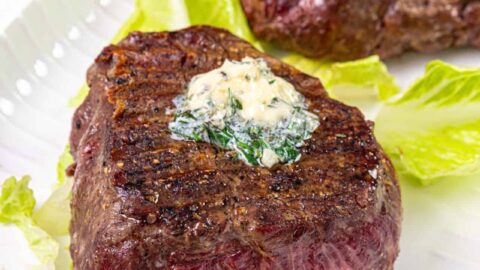
Adding butter and herbs right after grilling adds a rich, silky finish to your filet mignon. Try melting butter with fresh garlic, rosemary, or thyme, then spoon it over the steak as it rests. This not only boosts flavor but also keeps the meat moist.
Have you noticed how a dollop of herb butter melts slowly over a hot steak? It creates a beautiful glaze that enhances every bite. Don’t hesitate to experiment with different herbs like sage or tarragon to find your favorite combo.
Marinades And Rubs
Marinades and dry rubs can add layers of flavor before your filet even hits the grill. Use a marinade with olive oil, soy sauce, garlic, and a splash of balsamic vinegar to tenderize and infuse the meat. Let it soak for at least 30 minutes, but avoid longer times to keep the texture perfect.
Dry rubs, on the other hand, offer a quick way to add bold taste. Mix salt, black pepper, smoked paprika, and a pinch of cayenne for a spicy kick. Rubbing this blend onto the steak just before grilling creates a flavorful crust that contrasts beautifully with the tender inside.

Credit: www.foodnetwork.com
Common Mistakes To Avoid
Cooking filet mignon on a gas grill is a rewarding experience, but it’s easy to slip up if you’re not careful. Avoiding common mistakes can mean the difference between a juicy, tender steak and a dry, tough one. Let's look at some pitfalls you should watch out for to make sure your grilling session turns out perfectly.
Overcooking Risks
Filet mignon is a lean cut that cooks quickly. Leaving it on the grill for too long can dry it out and ruin its tender texture.
Use a meat thermometer to check the internal temperature. Aim for 130°F (54°C) for medium-rare—this keeps the steak juicy and flavorful.
Don’t forget to rest your steak for a few minutes after grilling. This helps the juices redistribute, making each bite tender and delicious.
Grill Maintenance Tips
A dirty grill can cause uneven cooking and unwanted flare-ups. Make sure to clean your grill grates thoroughly before you start.
Check your gas supply and burners for blockages to maintain consistent heat. Inconsistent flames can lead to hot spots that overcook parts of your steak while leaving others underdone.
Season your grill grates with a little oil before placing the steak. This prevents sticking and helps you get those perfect grill marks.
Frequently Asked Questions
How Long To Grill Filet Mignon On A Gas Grill?
Grill filet mignon for about 4-5 minutes per side for medium-rare. Adjust time for desired doneness. Use a meat thermometer to ensure accuracy.
What Temperature Should A Gas Grill Be For Filet Mignon?
Preheat your gas grill to high heat, around 450-500°F. High heat sears the steak, locking in juices and flavor perfectly.
Should Filet Mignon Be Rested After Grilling?
Yes, let filet mignon rest for 5 minutes after grilling. Resting helps redistribute juices, making the steak more tender and flavorful.
How To Prevent Filet Mignon From Sticking To Grill?
Oil the grill grates well before cooking. Also, brush the steak lightly with oil. This prevents sticking and ensures clean grill marks.
Conclusion
Grilling filet mignon on a gas grill is simple and fun. Start with good quality meat and keep the grill hot. Cook the steak a few minutes on each side. Let it rest before cutting. This helps keep the juices inside.
Season well, but don’t overdo it. Enjoy the tender, juicy result every time. Practice makes perfect. Soon, you will feel confident grilling like a pro. A delicious meal is just a few steps away. Try it today and taste the difference.