If you’ve ever wondered how to make tender, juicy duck without hours of fuss, you’re in the right place. Cooking duck in a slow cooker is a simple way to bring out rich flavors and melt-in-your-mouth texture with almost no effort.
Imagine coming home to a perfectly cooked duck that’s ready to impress your family or guests. You’ll discover easy steps and insider tips to master this delicious dish using your slow cooker. Keep reading, and you’ll unlock the secret to a dinner that tastes like it took hours, but actually didn’t.

Credit: www.slowcookercentral.com
Choosing The Right Duck
Choosing the right duck is crucial to get the best flavor and texture when cooking in a slow cooker. Not all ducks are created equal, and understanding the differences can save you time and improve your meal. Let’s look at how to pick the perfect duck for your slow-cooked recipe.
Types Of Duck For Slow Cooking
There are several types of duck you might find at the market, but not all are ideal for slow cooking. Pekin ducks are common and have tender meat that cooks well over low heat. Muscovy ducks have leaner meat with a richer flavor, which can stand up to the long cooking times in a slow cooker.
Some wild ducks are gamier and tougher, so they may need extra seasoning or longer cooking. Have you tried mixing different duck types in your recipe to create a unique taste? It can add an exciting twist to your dish.
Fresh Vs Frozen Duck
Fresh duck usually offers the best texture and flavor, but frozen duck is often more accessible and budget-friendly. If you choose frozen, make sure to thaw it completely before cooking to ensure even heat distribution. Did you know that slow cooking a partially frozen duck can lead to uneven cooking and dry spots?
Also, check the packaging date and avoid ducks with freezer burn. Freshness impacts how tender and juicy your slow-cooked duck will be, so choose wisely based on what’s available.
Size And Portion Considerations
Slow cookers vary in size, so picking a duck that fits comfortably is important. Most slow cookers work best with ducks weighing between 3 to 5 pounds. Smaller ducks cook faster, but larger ducks can feed more people if you have a big family or guests.
Think about your portions too—are you cooking for two or a crowd? Cutting a large duck into parts can help it cook more evenly and fit better in your slow cooker. How much duck do you usually find satisfying for a meal?

Credit: www.gressinghamduck.co.uk
Preparing The Duck
Preparing the duck properly sets the foundation for a tender, flavorful meal. It involves cleaning, trimming, scoring the skin, and seasoning. Each step helps the duck cook evenly and absorb flavors deeply. Taking time here improves the final dish greatly.
Cleaning And Trimming
Rinse the duck under cold water to remove any residue. Pat it dry with paper towels to get rid of moisture. Check for leftover feathers and remove them carefully. Trim excess fat around the neck and cavity. This prevents greasy flavors and helps the duck cook better.
Scoring The Skin
Use a sharp knife to gently score the duck’s skin. Make shallow cuts in a diamond pattern across the surface. Avoid cutting into the meat to keep juices inside. Scoring lets fat render out during cooking. This results in crisp skin and moist meat.
Seasoning And Marinating
Season the duck inside and out with salt and pepper. Use herbs like thyme, rosemary, or garlic for extra aroma. Consider marinating the duck for a few hours or overnight. A simple marinade with soy sauce, honey, and citrus adds great flavor. Marinating makes the meat tender and tasty.
Selecting Ingredients And Flavors
Choosing the right ingredients and flavors sets the foundation for a delicious slow-cooked duck. The slow cooker allows flavors to meld deeply, so every herb, spice, and liquid you add will shape the final dish. Think about what tastes you want to highlight and how they will complement the rich, gamey flavor of duck.
Herbs And Spices
Fresh herbs like thyme, rosemary, and sage work beautifully with duck. They add earthiness that balances the bird’s natural richness. If you prefer dried herbs, use smaller amounts since their flavors concentrate during slow cooking.
Spices such as star anise, cinnamon sticks, and black peppercorns create warmth and complexity. Don’t be afraid to experiment with a pinch of five-spice powder or smoked paprika for a twist. Have you tried adding a hint of clove or bay leaves? These subtle notes can surprise your taste buds.
Aromatics And Vegetables
Onions, garlic, and shallots are classic aromatics that bring depth to slow-cooked duck. They soften and sweeten as they cook, enriching the sauce naturally. Carrots and celery add texture and a gentle sweetness that pairs well with the meat.
Consider adding leeks or fennel for a mild anise flavor that complements duck’s richness. What about mushrooms? They absorb juices and intensify the dish’s umami profile. Layer these vegetables under the duck to keep them juicy and flavorful.
Liquids For Slow Cooking
Choosing the right liquid influences the tenderness and taste of your duck. Stock or broth provides a savory base that enhances natural flavors. For a touch of acidity, add wine or citrus juices—they help break down the fat and keep the meat moist.
Some cooks like to use beer or cider for a subtle sweetness and depth. If you want a hint of sweetness, a splash of orange juice or a drizzle of honey can work wonders. Which liquid will you choose to create your perfect slow-cooked duck?
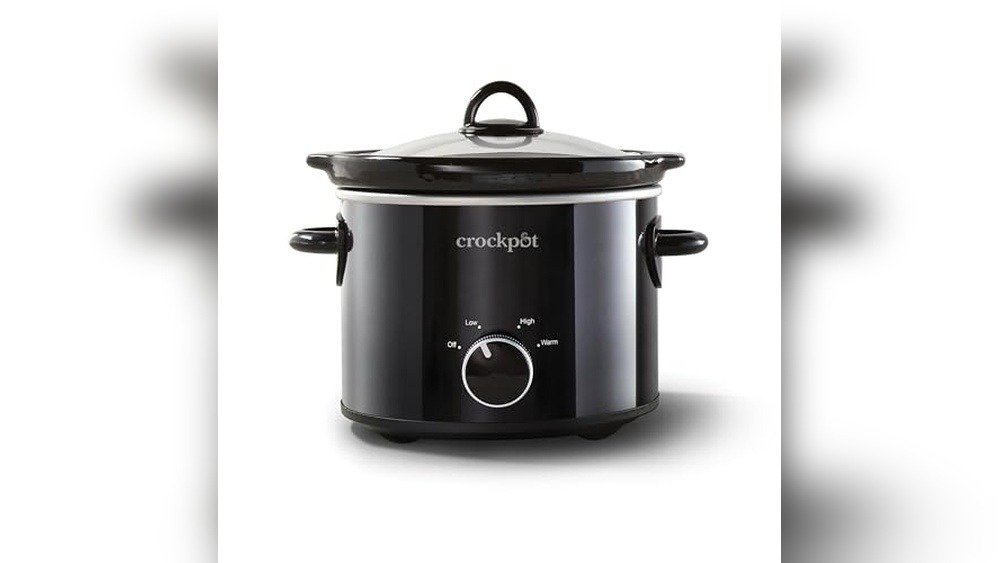
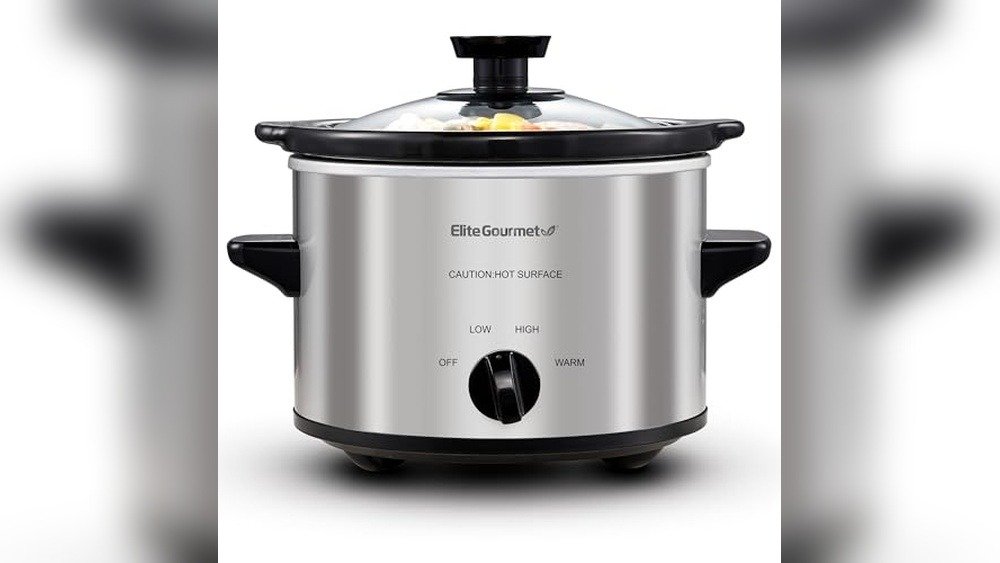
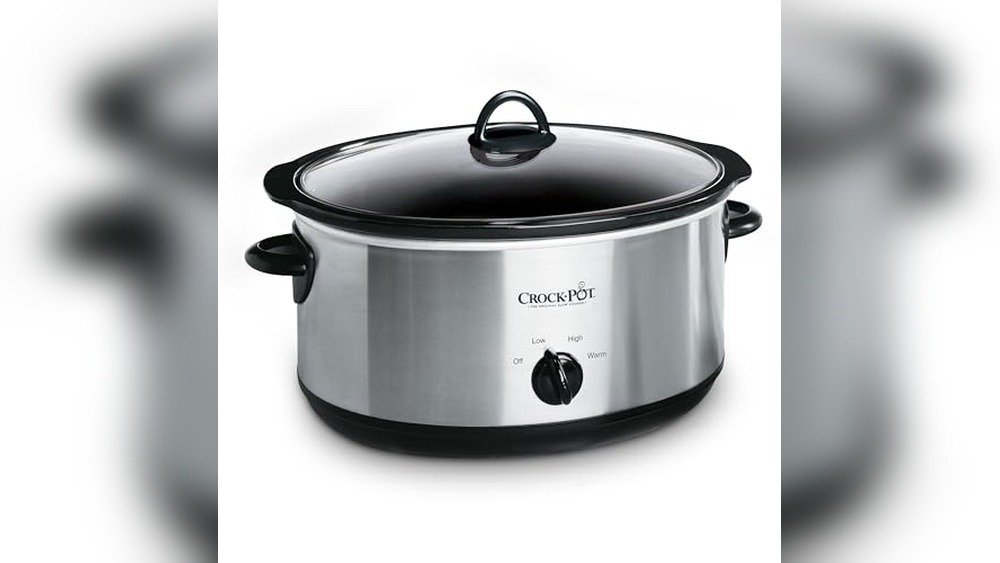
Slow Cooker Setup
Cooking duck in a slow cooker can be easy and rewarding. Preparing the slow cooker properly ensures a delicious and tender dish. Follow these steps for a successful setup.
Layering Ingredients
Start by placing vegetables at the bottom of the slow cooker. Use onions, carrots, and celery for flavor. Position the duck on top of the vegetables. This arrangement allows flavors to blend well. Ensure the duck is seasoned before placing it in the cooker. Add herbs and spices to enhance the taste.
Temperature Settings
Choose the right temperature for even cooking. Use the low setting for a longer, gentler cook. This method is ideal for tenderizing the duck. The high setting shortens cooking time but may affect texture. Adjust according to your schedule and preference.
Cooking Time Guidelines
A slow cooker requires patience for the best results. Cook the duck on low for 6 to 8 hours. For a quicker meal, cook on high for 4 to 5 hours. Ensure the internal temperature reaches 165°F for safety. Use a meat thermometer for accuracy. The duck should be moist and fall off the bone when done.
Cooking Techniques For Tender Duck
Cooking duck in a slow cooker requires a delicate balance to achieve tender, flavorful meat without drying it out. The slow, gentle heat helps break down tough fibers, but you must handle the process carefully to keep the meat juicy. Let’s dive into specific techniques that will help you master tender duck every time.
Avoiding Dryness
Duck has a high fat content, but its meat can still dry out if overcooked or exposed to too much heat. To prevent this, always add a bit of liquid like broth, wine, or even orange juice to your slow cooker. This moisture creates steam that keeps the duck juicy.
Another tip is to cook the duck skin-side down first if your slow cooker allows for browning. This helps render fat and lock in moisture. Also, avoid lifting the lid frequently; each time you do, heat escapes, and the cooking time extends, increasing dryness risk.
Checking Doneness
How do you know when your duck is perfectly cooked? Use a meat thermometer to check the internal temperature. The ideal temperature is about 165°F (74°C) for tender, fully cooked duck.
Insert the thermometer into the thickest part of the thigh, avoiding the bone. If you don’t have a thermometer, gently pierce the meat with a fork—if juices run clear and the meat pulls apart easily, it’s ready.
Resting The Duck
After slow cooking, resting your duck is key to juicy results. Let it sit covered for 10 to 15 minutes before cutting. This allows the juices to redistribute throughout the meat instead of spilling out when you slice.
I once skipped resting and ended up with dry pieces on the plate. Since then, I always wait, and the difference is noticeable—each bite is moist and flavorful. Don’t rush this step; your patience pays off.

Credit: food52.com
Serving Suggestions
Serving duck cooked in a slow cooker can be a delightful experience. The rich flavor of the meat pairs well with a variety of sides and sauces. Presentation also plays a key role in making your meal inviting. Here are some ideas to enhance your duck dinner.
Side Dishes To Complement Duck
- Roasted root vegetables like carrots and parsnips add sweetness.
- Steamed green beans or asparagus bring freshness and crunch.
- Mashed potatoes or creamy polenta offer smooth, comforting texture.
- Wild rice or quinoa provide nutty flavors that balance richness.
- A simple mixed green salad with vinaigrette adds lightness.
Sauces And Glazes
- Orange sauce enhances duck with a citrusy brightness.
- Cherry glaze adds a sweet and tart finish.
- Red wine reduction delivers deep, savory notes.
- Hoisin sauce brings an Asian-inspired sweet and salty touch.
- Cranberry sauce offers a classic fruity contrast.
Presentation Tips
- Slice the duck neatly to show juicy, tender meat.
- Arrange slices on a warm platter with colorful sides.
- Drizzle sauce lightly over the meat for shine and flavor.
- Garnish with fresh herbs like rosemary or thyme for aroma.
- Use simple, clean plates to keep the focus on the food.
Troubleshooting Common Issues
Cooking duck in a slow cooker can sometimes bring challenges. Common issues like dry meat, undercooked pieces, or off flavors may happen. Knowing how to fix these problems helps you enjoy a perfect meal every time.
Overcooked Or Dry Duck
Slow cookers can easily overcook duck if left too long. The meat becomes tough and dry. To avoid this, check the cooking time carefully. Use a meat thermometer to monitor the internal temperature. Duck is done at about 165°F (74°C).
If the duck is already dry, try serving it with a sauce or broth. This adds moisture back to the meat. You can also cook the duck on low heat next time for a gentler cook.
Undercooked Meat
Undercooked duck is unsafe and unpleasant. This problem happens if the cooker is too cold or the cooking time is too short. Always preheat the slow cooker before adding the duck. Cut the duck into smaller pieces to help it cook evenly.
Use a food thermometer to check for doneness. If the meat is pink or cold inside, cook it longer. Avoid opening the lid too often, as heat escapes and slows cooking.
Flavor Imbalances
Sometimes the duck may taste bland or have an odd flavor. This happens if spices or herbs are not balanced. Use fresh ingredients and measure seasonings carefully. Marinate the duck before cooking to boost flavor.
Adding vegetables like onions and garlic helps deepen the taste. Taste the broth during cooking and adjust seasoning with salt or pepper. Avoid too much salt early on; flavors intensify as the duck cooks.
Storing And Reheating Leftovers
Store leftover duck in an airtight container and refrigerate within two hours. Reheat slowly in the oven or microwave to keep it tender and juicy. Avoid overheating to prevent dryness.
Cooking a duck in a slow cooker creates flavorful leftovers. Properly storing and reheating these leftovers ensures they remain delicious. Explore safe storage practices and effective reheating methods. Discover creative ways to use leftover duck.
Safe Storage Practices
Store duck leftovers promptly. Use airtight containers to maintain freshness. Keep the refrigerator at 40°F or below. Consume refrigerated leftovers within 3 to 4 days. For longer storage, freeze the leftovers. Label containers with the storage date.
Best Reheating Methods
Reheat duck using a low oven setting. Preheat the oven to 300°F. Place duck in an oven-safe dish. Cover with foil to retain moisture. Heat until the internal temperature reaches 165°F. Alternatively, use a microwave for quick reheating. Place duck in a microwave-safe dish. Cover to prevent drying out. Heat on medium power, checking frequently.
Using Leftovers Creatively
Transform duck leftovers into new dishes. Shred duck meat for tacos or sandwiches. Add to a fresh salad for extra flavor. Create a hearty duck soup or stew. Use in stir-fries with vegetables and rice. Enhance pasta dishes with duck for a rich taste.
Frequently Asked Questions
How Long Should I Cook Duck In A Slow Cooker?
Cook duck in a slow cooker for 6 to 8 hours on low. This ensures tender, juicy meat that falls off the bone. Avoid cooking on high to prevent dryness.
What Seasoning Works Best For Slow-cooked Duck?
Use garlic, rosemary, thyme, salt, and pepper for slow-cooked duck. These herbs enhance the rich flavor without overpowering it. You can also add orange zest for a citrus twist.
Can I Cook Frozen Duck In A Slow Cooker?
It's best to thaw duck before slow cooking. Cooking frozen duck can lead to uneven cooking and food safety risks. Always thaw in the fridge overnight for best results.
Should I Brown Duck Before Slow Cooking?
Yes, browning duck before slow cooking seals in flavor and improves texture. Sear the skin until golden brown for a crispier finish. This step enhances the overall taste of your dish.
Conclusion
Cooking duck in a slow cooker is simple and rewarding. You get tender, juicy meat with little effort. Just follow the steps and set the right time. The slow cooker does most of the work for you. Serve your duck with your favorite sides for a tasty meal.
Enjoy the rich flavors and easy cooking process. Try this method for a delicious dinner any day. Cooking duck can be fun and stress-free with a slow cooker. Give it a go and taste the difference.