If you’ve ever wanted to make a tender, flavorful corned beef brisket without spending hours in the kitchen, you’re in the right place. Cooking corned beef in a slow cooker is simple, hands-off, and delivers mouthwatering results every time.
Whether you’re preparing for a special occasion or just craving a comforting meal, this method will make your brisket juicy and perfectly seasoned. Keep reading, and you’ll discover easy steps and insider tips to master this classic dish with minimal effort.
Your slow cooker is about to become your new best friend in the kitchen!
Choosing The Right Brisket
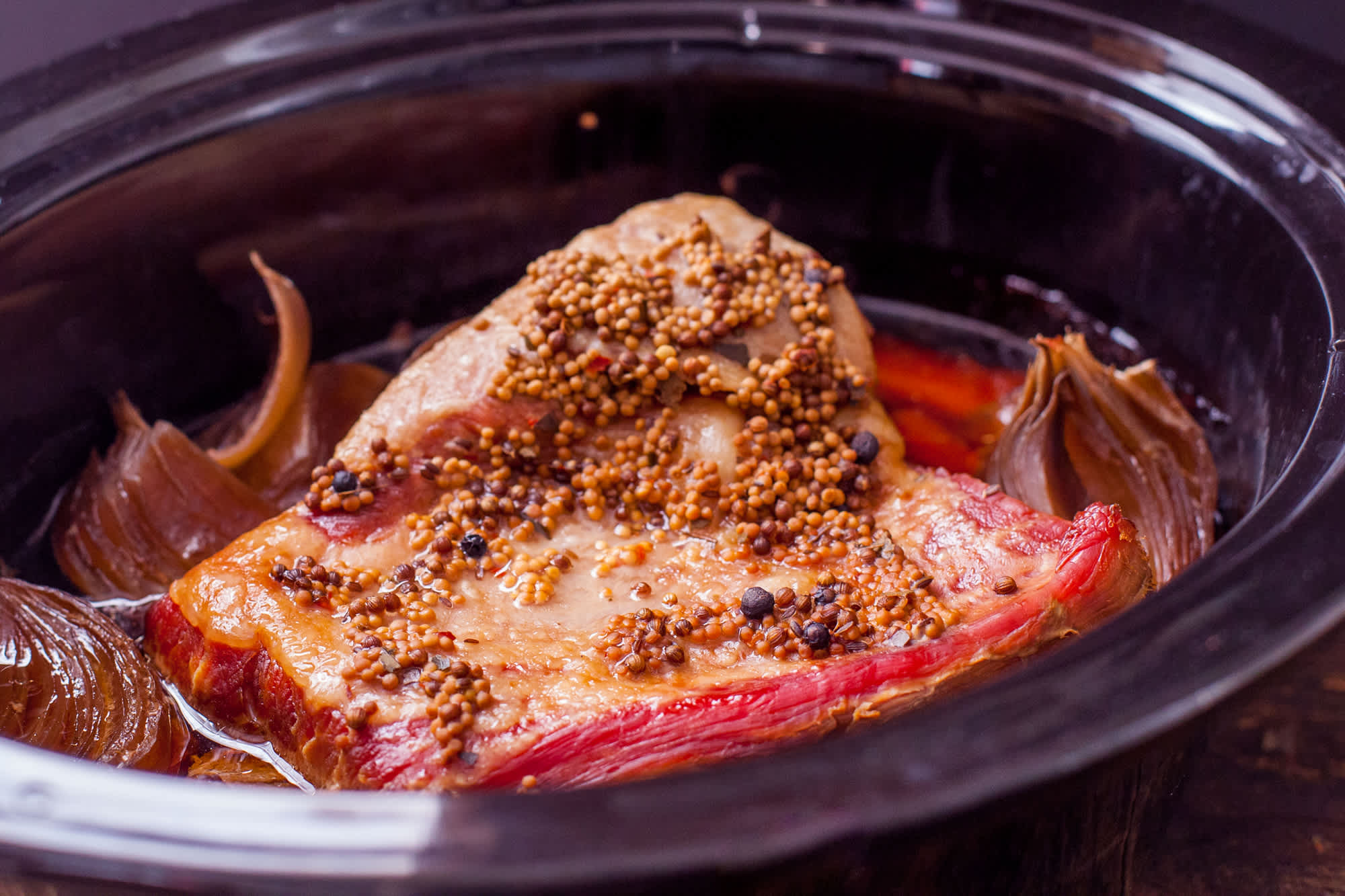
Choosing the right brisket is key to a delicious corned beef dish. The quality of meat affects taste and texture. Selecting the perfect piece ensures tender, flavorful results in your slow cooker. Consider factors like freshness, marbling, and size before buying.
Selecting Quality Corned Beef
Pick brisket with a fresh pink or red color. Avoid meat that looks dull or gray. Check for good marbling, the small fat streaks inside the meat. Marbling keeps the brisket juicy during cooking. Look for a firm texture and a clean smell. These signs show fresh, well-prepared corned beef.
Size And Cut Considerations
Briskets come in whole and flat cuts. Whole briskets have more fat and connective tissue. They take longer to cook but stay moist. Flat cuts are leaner and cook faster. Choose a size that fits your slow cooker comfortably. A 3 to 5-pound brisket works well for most slow cookers. Too large a piece may cook unevenly.
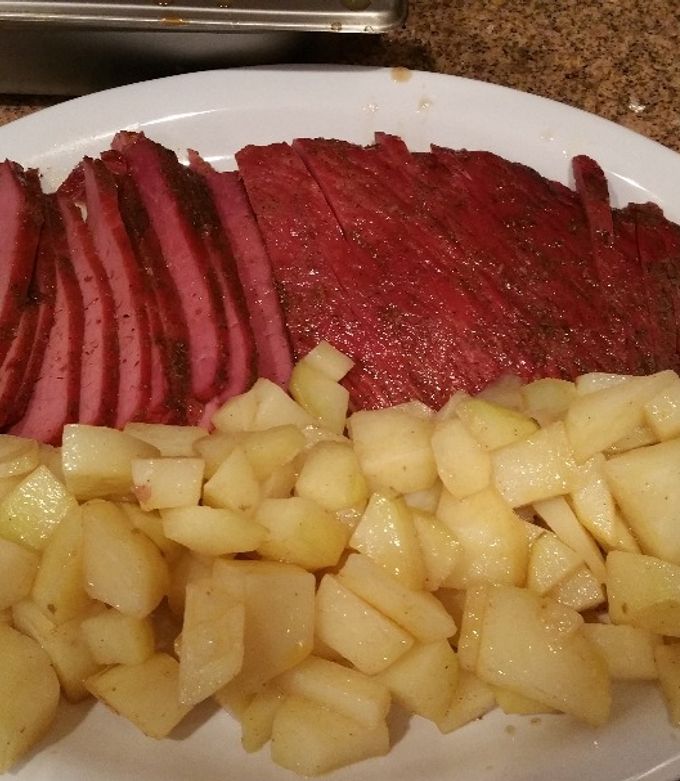
Preparing The Brisket
Preparing the brisket is a key step before slow cooking corned beef. Taking time to clean and season the meat ensures better taste and texture. This section guides through rinsing and trimming the brisket, followed by seasoning tips to enhance flavor.
Rinsing And Trimming
Start by rinsing the corned beef brisket under cold water. This removes excess salt from the curing process. Pat the meat dry with paper towels to help it brown better later.
Trim off any thick fat or tough pieces. Leave a thin fat layer to keep the meat moist. Removing large chunks of fat prevents greasy texture. Use a sharp knife for clean cuts.
Seasoning Tips
Even though corned beef is pre-seasoned, adding fresh spices boosts flavor. Use simple ingredients like black pepper, garlic powder, and bay leaves. These spices complement the meat without overpowering it.
- Sprinkle black pepper evenly over the brisket.
- Rub garlic powder into the surface for a mild aroma.
- Add a few bay leaves to the slow cooker for a subtle herbal note.
For extra flavor, add chopped onions or mustard seeds. These enhance the taste during slow cooking. Avoid heavy seasoning that masks the brisket's natural flavor.
Slow Cooker Setup
Setting up your slow cooker correctly can make a huge difference in how your corned beef brisket turns out. It’s not just about tossing the meat in and pressing start. You need to think about the size of your cooker and how you place your ingredients for even cooking and maximum flavor.
Choosing The Right Slow Cooker
Pick a slow cooker that fits your brisket comfortably. If it’s too small, the meat won’t cook evenly. Too big, and your brisket might dry out.
A 6-quart slow cooker usually works well for a standard 3 to 4-pound brisket. If your cooker is smaller, consider cutting the brisket to fit.
Does your cooker have multiple heat settings? Low heat works best for tender, juicy results over 8-10 hours. High heat can be used if you’re short on time, but be cautious to avoid overcooking.
Layering Ingredients
How you arrange your ingredients impacts the final taste and texture. Start by placing a layer of sliced onions or carrots at the bottom. This acts like a natural rack, preventing the brisket from sticking and burning.
Next, add the brisket fat side up. The fat will melt slowly, keeping the meat moist. Pour in the seasoning packet and your chosen liquids—like beef broth or a mix of water and beer—to cover at least half the brisket.
Don’t forget to tuck in some garlic cloves or bay leaves for extra aroma. Avoid overfilling the slow cooker; leave some space to allow heat to circulate evenly.
Cooking Process
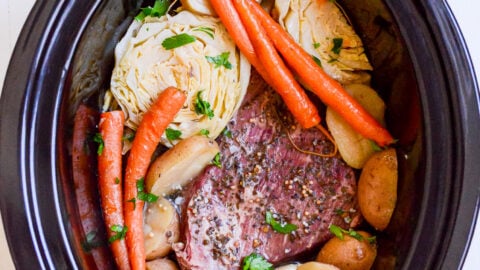
Place the corned beef brisket and seasonings in a slow cooker. Pour in water or broth to cover the meat. Cook on low for 8 to 10 hours until tender and flavorful.
Cooking a corned beef brisket in a slow cooker is a simple delight. The process infuses rich flavors and tenderizes the meat beautifully. This method is also convenient for busy days. Once you set it, you can leave it to cook on its own. Let’s explore the key aspects of this cooking process.
Optimal Temperature Settings
Set your slow cooker to the right temperature for best results. Use the low setting for a gentle, even cook. This allows flavors to meld and the meat to become tender. High settings can be used for quicker cooking. But, low heat ensures the best texture and flavor.
Cooking Time Guidelines
The cooking time depends on the brisket size and desired texture. Generally, on a low setting, cook for 8 to 10 hours. For a brisket that's 3 to 4 pounds, this time ensures thorough cooking. If using the high setting, reduce the cooking time to 4 to 6 hours. Check the meat’s tenderness with a fork. It should easily pull apart. Adjust the time based on your preference.
Adding Vegetables
Adding vegetables to your slow cooker corned beef brisket enhances flavor and nutrition. Vegetables soak up the savory juices, making every bite delicious. They also create a hearty, balanced meal in one pot.
Choosing the right vegetables and timing their addition is key. Overcooked veggies become mushy, while undercooked ones stay hard. Follow simple tips to get perfect texture and taste.
Best Vegetables To Include
- Carrots: Sweet and tender when slow-cooked
- Potatoes: Classic and absorb the broth well
- Cabbage: Adds crunch and lightness
- Onions: Bring a mild, savory flavor
- Turnips: Slightly peppery and firm
Timing For Adding Veggies
Start cooking the brisket alone for 3 to 4 hours. This lets the meat soften and release flavors.
Add root vegetables like carrots and potatoes after this initial cooking time. They need at least 2 hours to become tender.
Add cabbage and other quick-cooking veggies in the last 30 to 45 minutes. This keeps them from getting too soft.
Checking For Doneness
Checking for doneness is essential to cook the perfect corned beef brisket in your slow cooker. It ensures the meat is safe to eat and deliciously tender. Knowing the right signs helps avoid overcooking or undercooking.
Texture And Tenderness Signs
The brisket should feel soft and easy to pierce with a fork. It pulls apart gently without resistance. The texture becomes smooth, not stringy or tough. If the meat is still firm, it needs more cooking time. Tender brisket will almost melt in your mouth.
Using A Meat Thermometer
A meat thermometer gives a reliable check for doneness. Insert it into the thickest part of the brisket. The safe internal temperature is 195°F to 205°F (90°C to 96°C). This range ensures the collagen breaks down, making the meat tender. Avoid touching bones with the thermometer for an accurate reading.
Serving Suggestions
Serving your slow-cooked corned beef brisket is just as important as cooking it right. How you slice and pair it can change the whole meal experience. Think about how you want your guests or family to enjoy each bite and build your presentation around that.
Slicing Techniques
Always slice your corned beef brisket against the grain. This helps keep the meat tender and easy to chew. If you cut with the grain, the slices can become tough and stringy.
Use a sharp carving knife or a serrated knife for clean cuts. Aim for slices about 1/4 inch thick to balance tenderness and flavor. Thinner slices can dry out quickly, while thicker ones may feel heavy.
Complementary Sides And Sauces
Think about adding classic sides like boiled potatoes, steamed cabbage, or glazed carrots to complement the savory beef. These simple vegetables soak up the meat’s juices and add freshness to your plate.
Mustard and horseradish sauces work wonders to cut through the richness of the brisket. You can also try a creamy dill sauce or a tangy apple chutney for a twist. Have you experimented with different sauces before? They can surprise you with new flavor combos.
- Roasted root vegetables for earthy balance
- Buttery mashed potatoes for comfort
- Pickled cucumbers or sauerkraut for acidity
- Fresh bread or dinner rolls to soak up sauces
Tips For Extra Flavor
Enhancing the flavor of corned beef brisket in a slow cooker takes a few smart tweaks. Simple changes can transform the taste from plain to rich and savory. Use spices, herbs, and marinating techniques to boost the natural flavors. These tips help create a tender and aromatic dish.
Spices And Herbs
Spices and herbs add depth to the corned beef brisket. Classic choices include:
- Bay leaves for a subtle earthiness
- Whole black peppercorns for mild heat
- Mustard seeds for a slight tang
- Cloves to bring warmth and sweetness
- Thyme for fresh, herbal notes
Use fresh herbs near the end of cooking to keep their flavor bright. Dried spices work well at the start, releasing their aroma during slow cooking.
Marinating Options
Marinating adds layers of flavor before cooking. A simple marinade can include:
- Apple cider vinegar for tang and tenderness
- Garlic for a savory punch
- Brown sugar to balance saltiness with sweetness
- Worcestershire sauce for umami depth
Let the brisket sit in the marinade for at least a few hours. Overnight marinating works best for richer taste. Pat the meat dry before slow cooking to avoid excess liquid.
Common Mistakes To Avoid
Overcooking can make the brisket dry and tough. Skipping seasoning or not using enough liquid may lead to bland results. Avoid lifting the slow cooker lid often, as it slows down cooking.
Cooking corned beef brisket in a slow cooker can be delightful. Yet, many make simple mistakes that affect the final dish. Understanding these errors ensures your brisket is tender and flavorful.
Overcooking Risks
Slow cookers are great for softening meat. But, overcooking can make brisket dry. Always check the cooking time. Use a meat thermometer to monitor doneness. Aim for an internal temperature of around 145°F. This keeps the meat juicy and tender.
Ignoring Liquid Levels
Proper liquid levels prevent dry brisket. Too little liquid can scorch your meat. Fill the slow cooker with enough water or broth. Cover the brisket halfway with liquid. This keeps flavors balanced and the meat moist.
Frequently Asked Questions
How Long Does Corned Beef Brisket Take In A Slow Cooker?
Corned beef brisket typically takes 8 to 10 hours on low heat. This slow cooking ensures tender, flavorful meat that easily shreds or slices.
What Ingredients Enhance Slow Cooker Corned Beef Flavor?
Common additions include onions, garlic, bay leaves, and peppercorns. Vegetables like carrots and potatoes also boost taste and create a complete meal.
Can I Cook Frozen Corned Beef In A Slow Cooker?
It’s best to thaw corned beef before slow cooking. Cooking frozen meat may lead to uneven cooking and food safety risks.
How Do I Know When Corned Beef Is Fully Cooked?
The brisket is done when it reaches 190°F internal temperature and is tender. Use a meat thermometer and check tenderness with a fork.
Conclusion
Cooking corned beef brisket in a slow cooker is simple and rewarding. Just add your ingredients, set the time, and let it cook. The meat turns tender and full of flavor. This method saves time and effort in the kitchen.
Serve with your favorite sides for a complete meal. Try this easy recipe and enjoy a delicious, hearty dish. Slow cooking makes corned beef perfect every time. Give it a try and taste the difference yourself!