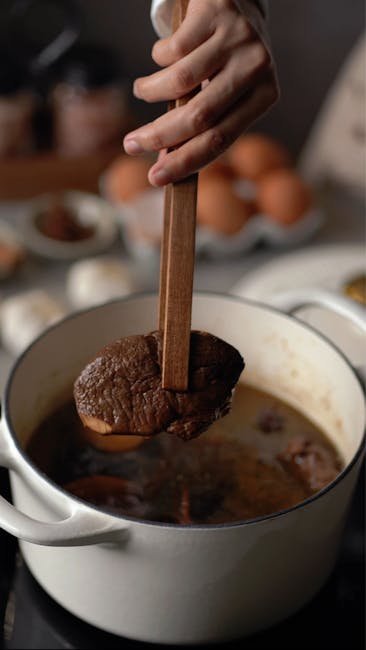
Are you ready to turn a simple cut of beef into a tender, mouthwatering meal without spending hours in the kitchen? Cooking a chuck roast in your slow cooker is the perfect solution.
It’s easy, hands-off, and delivers rich flavors that will have everyone asking for seconds. In this guide, you’ll discover step-by-step how to make the most of your chuck roast, ensuring juicy, fall-apart meat every time. Keep reading, and you’ll soon master a comforting, delicious dish that fits right into your busy life.
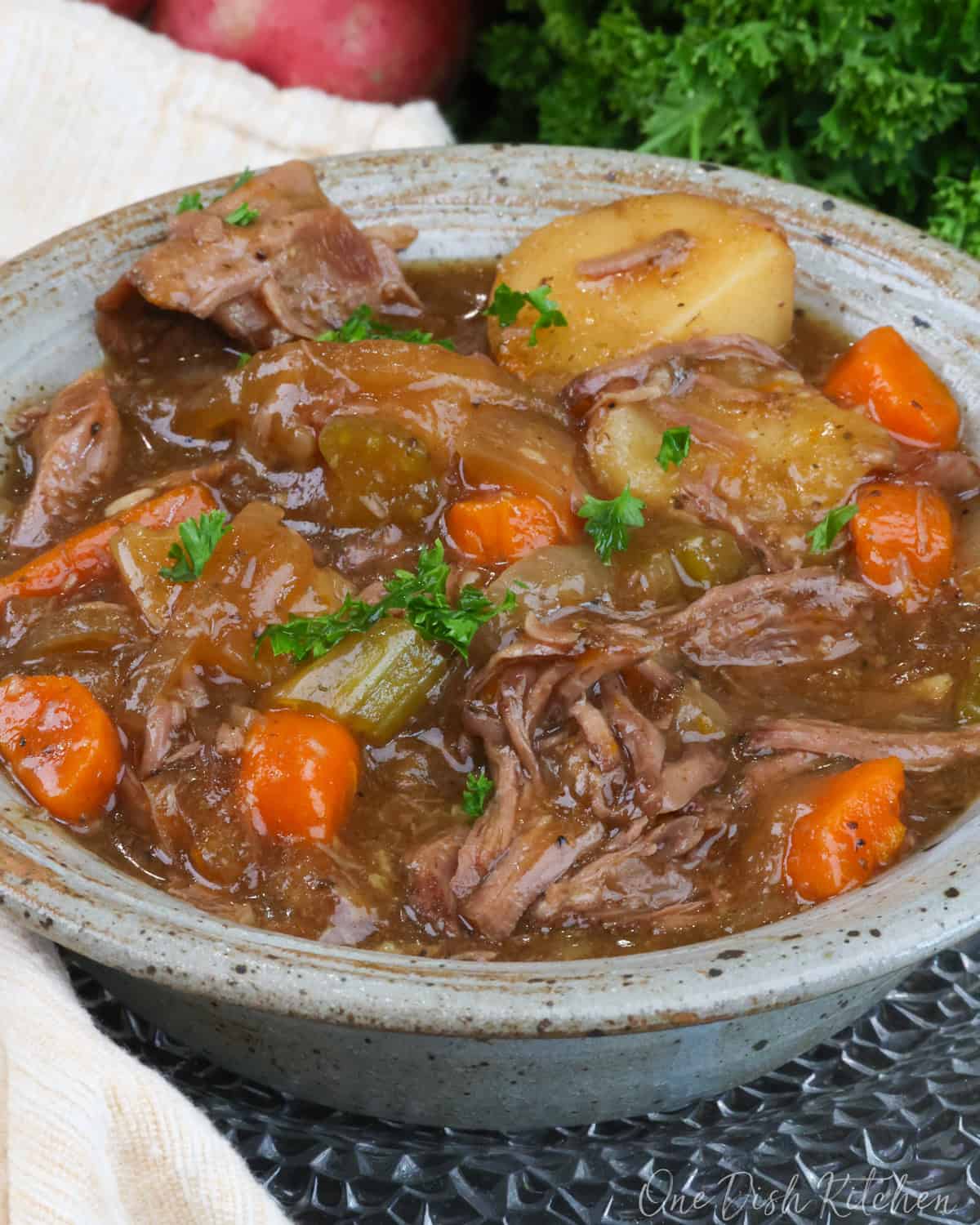
Credit: onedishkitchen.com
Choosing The Right Chuck Roast
Choosing the right chuck roast is the first step toward a delicious slow-cooked meal. The quality and size of your roast influence the texture and flavor of the final dish. Understanding how to pick the best cut and size ensures your slow cooker works its magic perfectly.
Selecting The Best Cut
Chuck roast comes from the shoulder area of the cow and is known for its rich marbling and connective tissue. Look for a piece with good fat distribution; this fat melts during cooking, keeping the meat tender and juicy.
A roast labeled “chuck eye” or “7-bone” often offers great flavor and tenderness when slow-cooked. Avoid cuts that look too lean or dry—they may turn out tough after hours in the slow cooker.
Have you ever picked a roast that ended up dry? That often happens because the cut wasn’t suitable for slow cooking. Choosing a cut with enough marbling helps you avoid this common pitfall.
Size And Weight Tips
Choosing the right size of chuck roast depends on your slow cooker’s capacity and how many people you’re feeding. A 3 to 4-pound roast fits well in most standard slow cookers and typically serves 4 to 6 people.
If your slow cooker is smaller, pick a roast that leaves some space around the meat for even heat circulation. Overcrowding the cooker can lead to uneven cooking and longer cooking times.
Think about leftovers too. A larger roast gives you extra meat for sandwiches or stews the next day, but don’t overload your cooker just for the sake of size. Balance is key.
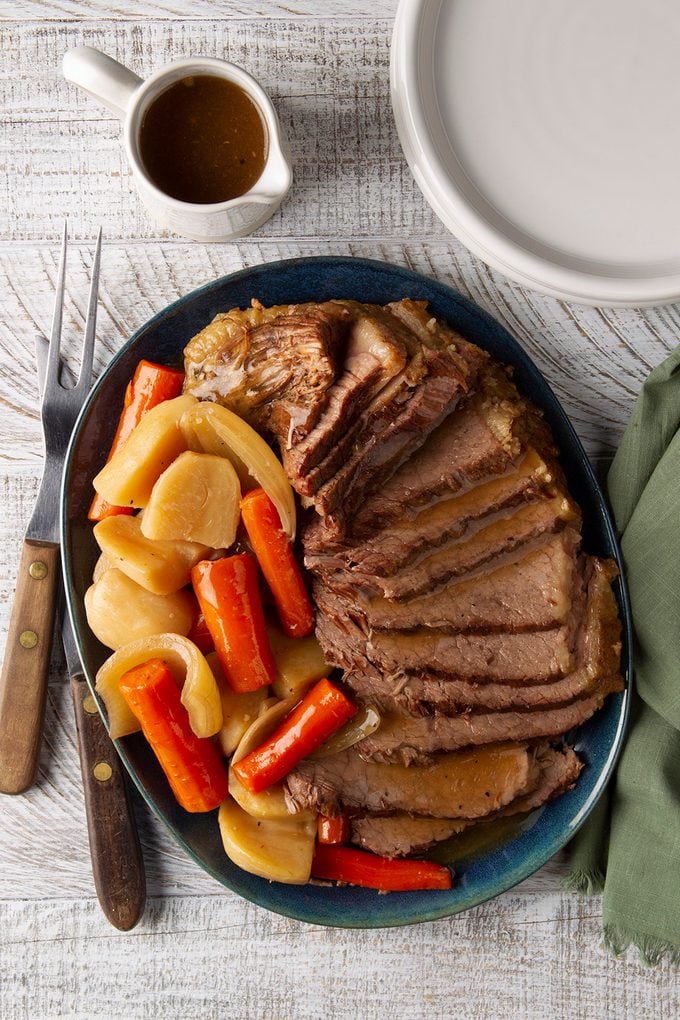
Credit: www.tasteofhome.com
Preparing The Chuck Roast
Preparing the chuck roast properly sets the foundation for a delicious slow-cooked meal. This step improves flavor and texture, making the roast tender and juicy. Taking time to trim, season, and brown the meat enhances the overall taste.
Trimming And Seasoning
Start by trimming excess fat and silver skin from the roast. This prevents greasy flavors and helps spices stick better. Pat the meat dry with paper towels to remove moisture.
Season the chuck roast evenly on all sides. Use simple ingredients like salt, black pepper, garlic powder, and onion powder. Rub the seasoning gently into the meat to cover every surface.
Browning Techniques
Browning the roast before slow cooking locks in juices and adds deep flavor. Heat a heavy skillet or pan over medium-high heat. Add a small amount of oil with a high smoke point, such as vegetable or canola oil.
- Place the roast in the hot pan without crowding.
- Cook each side for 3 to 4 minutes until a rich brown crust forms.
- Use tongs to turn the roast carefully, avoiding piercing the meat.
After browning, transfer the roast to the slow cooker. This step creates a flavorful base for the cooking juices.
Setting Up The Slow Cooker
Setting up the slow cooker correctly is key to cooking a tender chuck roast. It ensures even cooking and rich flavor. Proper setup helps the meat cook slowly and stay juicy. This section covers how to pick the right slow cooker and layer ingredients.
Choosing The Right Slow Cooker
Pick a slow cooker with a capacity of 5 to 7 quarts. This size fits a standard chuck roast well. Choose a model with low, high, and warm settings. A removable ceramic insert makes cleaning easier. Look for a lid that seals tightly to keep moisture in.
Layering Ingredients
Start by placing root vegetables at the bottom. Carrots, potatoes, and onions work well as a base. These vegetables help lift the roast off the cooker’s bottom. Place the chuck roast on top of the vegetables. Add seasoning and broth or sauce around the meat. This layering ensures even heat and flavor distribution.
Cooking Times And Settings
Cooking a chuck roast in a slow cooker requires setting it on low for 8 hours or high for 4-5 hours. Add carrots, potatoes, and seasonings to enhance flavor. Ensure the meat is tender before serving for the best results.
Cooking a chuck roast in a slow cooker can be your ticket to a delicious, fuss-free meal. The secret lies in understanding the cooking times and settings. Knowing whether to use low or high heat and determining the optimal cooking duration can make all the difference in achieving that tender, flavorful roast your family will love.
Low Vs High Heat
Choosing between low and high heat depends on your schedule and taste preference. Cooking on low heat usually takes longer but results in a more tender and juicier roast. The slow, even cooking process allows the flavors to develop and the meat to become incredibly succulent. On the other hand, high heat is perfect if you're short on time. While it cooks the roast faster, it might not be as tender as when cooked on low. However, if you're craving that roast sooner rather than later, it’s a viable option. Have you ever tried both methods to see which you prefer?
Optimal Cooking Duration
For a chuck roast cooked on low heat, aim for a cooking time of 8 to 10 hours. This extended duration ensures the meat becomes fork-tender and packed with flavor. It’s perfect for those days when you can set it and forget it, letting the slow cooker work its magic. If you choose high heat, plan for around 4 to 6 hours of cooking time. While this reduces the wait, keep an eye on the roast to prevent it from drying out. Adjust the time based on the size of your roast and personal texture preferences. Whether you opt for low or high heat, ensuring the internal temperature of the meat reaches 145°F is crucial for safe consumption. How do you usually check your roast’s doneness?
Adding Vegetables And Flavors
Adding vegetables and flavors to your chuck roast in the slow cooker transforms a simple cut of meat into a rich, hearty meal. The right vegetables not only add texture but also soak up the delicious juices, making every bite satisfying. Pairing these with the right herbs and spices turns your dish from bland to unforgettable.
Best Vegetables To Include
Root vegetables are a classic choice for slow-cooked chuck roast. They hold up well to long cooking times and absorb flavors beautifully.
- Carrots: Sweet and tender after slow cooking, they balance the savory meat.
- Potatoes: They add bulk and soak up the broth, making the dish more filling.
- Onions: Provide a natural sweetness and depth when they soften.
- Celery: Adds a subtle crunch and aromatic base flavor.
- Parsnips: A less common choice, offering a slightly nutty, sweet flavor.
Have you ever thought about adding mushrooms? They bring an earthy richness that complements the beef perfectly. Experimenting with a mix of these vegetables can make your roast more interesting and flavorful.
Flavor Boosters And Herbs
Simple herbs and spices can elevate your chuck roast without overwhelming it. Fresh herbs added at the right time keep their flavor vibrant.
- Rosemary: Adds a piney, aromatic note that pairs well with beef.
- Thyme: Offers a subtle earthiness and a hint of lemon.
- Bay leaves: Infuse a mild bitterness that rounds out the flavors.
- Garlic: Fresh cloves bring a savory punch, especially when crushed.
- Black pepper: Freshly cracked for a bit of heat.
Don’t be afraid to add a splash of Worcestershire sauce or a bit of beef broth for extra depth. How much flavor can you build with just a few simple ingredients?
Checking For Doneness
Checking the doneness of a chuck roast is vital for a delicious meal. A perfectly cooked roast is tender and juicy, not tough or dry. Knowing when your roast is done saves disappointment at the dinner table. Use simple tests to find out if the roast is ready. These methods help confirm the roast’s tenderness and safe temperature for eating.
Tenderness Tests
Use a fork or skewer to check tenderness. Insert it into the thickest part of the roast. It should slide in easily without resistance. If the meat feels tough, it needs more cooking time.
Another way is to gently pull the roast apart with two forks. The meat should shred or pull apart with little effort. This shows the connective tissues have broken down well.
Rest the meat for a few minutes before cutting. This helps the juices settle and keeps the roast moist.
Internal Temperature Guide
Use a meat thermometer to check the internal temperature. Insert it into the center of the roast, avoiding bones or fat.
| Doneness Level | Internal Temperature (°F) | Description |
|---|---|---|
| Medium Rare | 135°F | Warm, red center |
| Medium | 145°F | Pink and firm |
| Well Done | 160°F | No pink, very firm |
| Fully Tender | 190°F - 205°F | Meat pulls apart easily |
Chuck roast is best cooked low and slow until it reaches 190°F or higher. This high temperature breaks down collagen, making the meat tender.
Serving Suggestions
Serving a slow-cooked chuck roast is more than just placing it on a plate. How you pair it and present it can elevate a simple meal into a memorable experience. Paying attention to these details can make your dinner table inviting and your guests eager for seconds.
Side Dishes Pairing
Think about sides that soak up the rich juices from your roast. Creamy mashed potatoes are a classic choice, perfect for catching every bit of flavor.
Roasted root vegetables like carrots, parsnips, and potatoes add texture and sweetness. They also complement the deep, hearty taste of the beef.
For a fresh contrast, a crisp green salad with a tangy vinaigrette can balance the meal well. You might also try steamed green beans or sautéed mushrooms for earthiness.
- Mashed potatoes or creamy polenta
- Roasted carrots, parsnips, or Brussels sprouts
- Green beans almondine or sautéed mushrooms
- Fresh green salad with lemon vinaigrette
Presentation Ideas
How you arrange your chuck roast on the plate can make a big difference. Slice the roast against the grain to keep the meat tender and visually appealing.
Serve it over a bed of mashed potatoes or polenta to create height and interest on the plate. Drizzle some of the cooking juices or gravy over the meat and sides for extra flavor and shine.
Adding a sprig of fresh herbs like rosemary or thyme on top can provide a pop of color and a hint of aroma. Remember, a simple garnish can turn a home-cooked meal into a dish worthy of any restaurant.
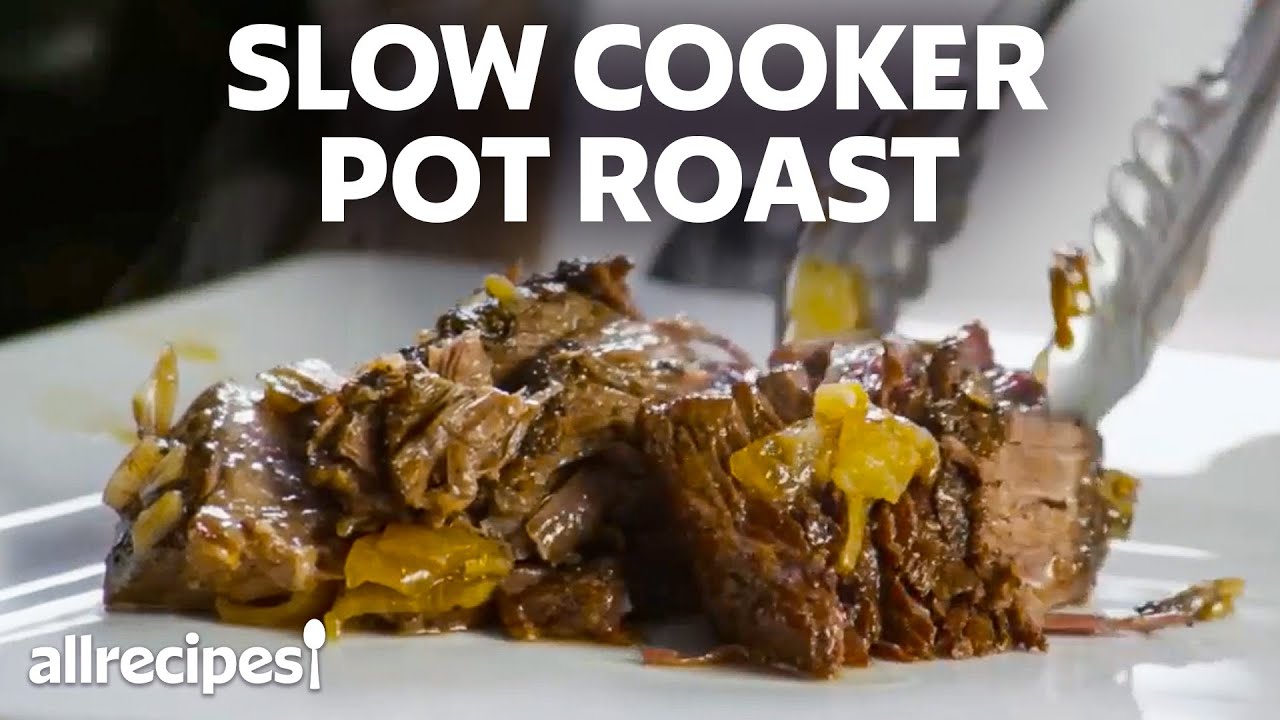
Credit: www.youtube.com
Storing And Reheating Leftovers
After enjoying a delicious slow-cooked chuck roast, you might wonder how to keep the leftovers just as tasty for the next meal. Storing and reheating your roast properly ensures it stays safe to eat and retains its rich flavor. Let’s look at the best ways to handle those leftovers so you can enjoy them again without sacrificing quality.
Proper Storage Methods
Cool your chuck roast leftovers quickly to prevent bacteria growth. Leaving meat out too long can cause spoilage. Place the roast in airtight containers or wrap it tightly with plastic wrap or aluminum foil.
Label the container with the date to keep track of freshness. Store the roast in the refrigerator if you plan to eat it within 3 to 4 days. For longer storage, freeze the roast in a freezer-safe container or heavy-duty freezer bags.
Think about portioning the roast before freezing. This way, you only thaw what you need and avoid waste. Have you ever defrosted a huge chunk of meat only to toss half of it? Proper portioning saves time and money.
Reheating Tips
Reheat your chuck roast gently to keep it tender and juicy. Using low heat methods like a microwave on medium power or a slow oven works best. Avoid high heat, which can dry out the meat quickly.
Add a splash of broth or water before reheating to maintain moisture. Cover the roast with a lid or foil to trap steam and prevent drying. Stirring or turning the meat halfway through helps heat it evenly.
Do you prefer reheating in the slow cooker? Just set it on low and warm the leftovers for 1 to 2 hours. This method revives the flavors without toughening the meat.
Frequently Asked Questions
How Long Does A Chuck Roast Take In A Slow Cooker?
A chuck roast typically takes 6 to 8 hours on low heat. Cooking it slowly ensures tender, juicy meat that easily shreds. High heat settings reduce time but may affect texture. Always check for internal temperature to confirm doneness.
What Liquid Is Best For Slow Cooker Chuck Roast?
Beef broth, red wine, or a mix of both works best. These liquids enhance flavor and keep the roast moist. Avoid too much water as it dilutes taste. Adding herbs and vegetables can improve the overall dish.
Should I Brown Chuck Roast Before Slow Cooking?
Yes, browning the roast adds rich flavor and better texture. Sear it in a hot pan for 3 to 4 minutes per side. This step is optional but highly recommended for deeper taste.
Can I Cook Frozen Chuck Roast In A Slow Cooker?
It's not recommended to cook frozen meat in a slow cooker. Slow cookers take longer to reach safe temperatures, increasing bacteria risk. Always thaw the chuck roast completely before cooking.
Conclusion
Cooking a chuck roast in a slow cooker takes time but is simple. The meat becomes tender and full of flavor. Just add your favorite spices and vegetables. Let the slow cooker do the work while you relax. This method saves effort and gives a tasty meal.
Try it for a cozy dinner any day. Enjoy the rich, juicy roast with little fuss. Easy steps lead to great results every time. A perfect dish for family meals or special occasions.