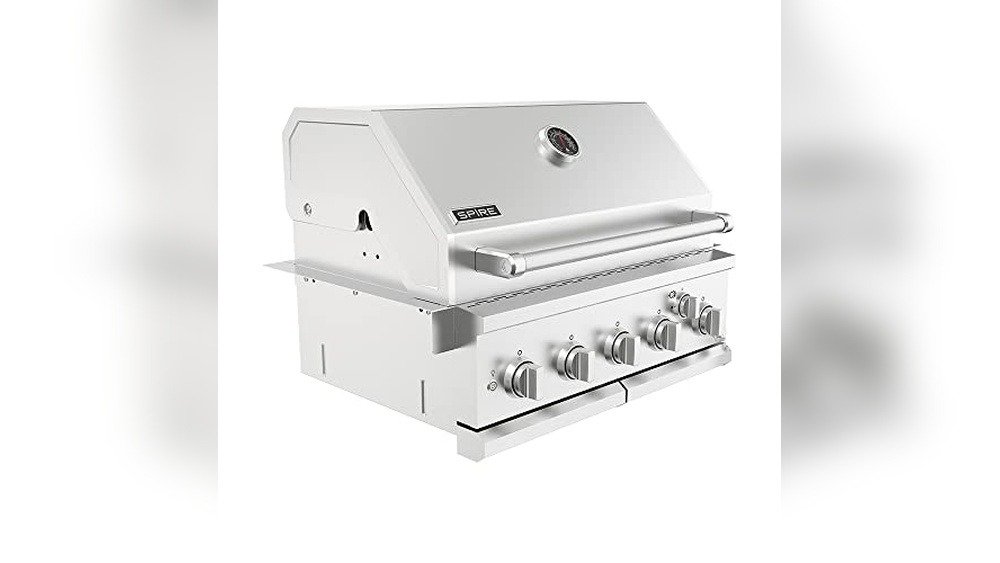
If you’ve ever wanted to master the art of cooking a brisket on your gas grill, you’re in the right place. Cooking brisket might seem tricky, but with the right steps, you can create a juicy, flavorful masterpiece that will impress everyone at your next barbecue.
Imagine slicing into tender, smoky meat that melts in your mouth—all from your own grill. In this guide, you’ll discover simple tips and tricks to turn your gas grill into a brisket-cooking powerhouse. Ready to learn how to make your brisket the star of the show?
Keep reading, and let’s get started.
Choosing The Right Brisket
Choosing the right brisket sets the foundation for a delicious meal on your gas grill. The quality, cut, and size of the brisket all play a crucial role in how your final dish will turn out. Let’s break down these important factors to help you pick the perfect piece for your grill.
Selecting Quality Meat
Look for brisket with a deep red color and good marbling—those thin streaks of fat running through the meat. Marbling is your best friend; it keeps the brisket juicy and flavorful during the long cooking process. Avoid briskets that look dry or have large patches of fat without any meat.
Ask your butcher for USDA Choice grade or higher. This grade typically has better marbling and tenderness. If you have the chance, choose briskets that have been freshly cut rather than pre-packaged for the best flavor and texture.
Understanding Brisket Cuts
The brisket is divided into two main parts: the flat and the point. The flat cut is leaner and slices nicely, making it great for sandwiches. The point cut has more fat and connective tissue, which melts down and adds richness—perfect if you like your brisket extra tender and juicy.
Decide what texture you want before you buy. If you prefer lean meat with a firm texture, the flat is your choice. If you want more flavor and fat, go for the point or a whole packer brisket, which includes both cuts.
Size And Weight Considerations
Briskets vary widely in size, usually between 8 and 20 pounds. Consider the number of people you’ll be feeding and your grill’s capacity. A 10-12 pound brisket is a solid choice for most gatherings, providing plenty of meat without overwhelming your grill space.
Keep in mind, brisket shrinks about 30-40% during cooking due to fat and moisture loss. If you want leftovers or are cooking for a larger crowd, aim for a slightly bigger cut. Also, a thicker brisket takes longer to cook, so plan your grilling time accordingly.
Preparing The Brisket
Preparing the brisket is a crucial step for a tender and flavorful result. It sets the foundation for cooking on a gas grill. Proper preparation helps the meat cook evenly and absorb spices deeply. This process involves trimming, seasoning, and resting the brisket before grilling.
Trimming Excess Fat
Start by trimming thick layers of fat from the brisket. Leave about a quarter-inch layer to keep the meat moist. Use a sharp knife and remove any hard or dry fat. Trimming helps the rub stick better and prevents flare-ups on the grill.
Applying Dry Rubs And Marinades
Cover the brisket evenly with your favorite dry rub or marinade. Use a mix of salt, pepper, garlic powder, and paprika for a simple rub. Pat the rub into the meat to help it stay in place. Marinades add extra flavor and tenderize the brisket. Apply marinade in a sealed bag or container for several hours or overnight.
Letting The Meat Rest
After seasoning, let the brisket rest at room temperature. This allows the flavors to soak in deeply. Resting also helps the meat cook more evenly. Aim for 30 minutes to one hour before placing the brisket on the grill.
Setting Up The Gas Grill
Setting up your gas grill properly is key to cooking a tender, flavorful brisket. Unlike direct grilling, brisket needs slow, even heat to break down its tough fibers. Getting your grill ready right away saves you from flare-ups and uneven cooking later.
Creating Indirect Heat Zones
To cook brisket evenly, you need to create indirect heat zones on your grill. Turn on one side of your burners and leave the other side off. This gives you a hot side for searing and a cooler side for slow cooking.
Place the brisket on the unlit side, away from direct flames. This setup mimics a smoker's low-and-slow environment and prevents burning the meat’s surface.
Controlling Temperature
Temperature control is crucial for a juicy brisket. Keep your grill temperature steady between 225°F and 275°F. Use your grill’s built-in thermometer or a standalone digital probe for accuracy.
If the grill gets too hot, lower the burners or open the lid briefly to release heat. Too cool? Add a little heat on the lit side and close the lid quickly to trap it.
Adding Smoke Flavor
Gas grills don’t naturally produce smoke like charcoal, but you can still add that smoky taste. Soak wood chips in water for 30 minutes, then place them in a smoker box or wrap them in foil with holes poked in it.
Put the box or foil directly over the lit burners. The chips will smolder and infuse your brisket with a subtle smoke flavor. Have you experimented with different wood types like hickory or applewood to match your taste?

Grilling The Brisket
Grilling a brisket on a gas grill requires patience and attention. The right technique makes the meat tender and full of flavor. This section explains how to grill the brisket properly for the best results.
Placing The Brisket On The Grill
Start by preheating the grill to medium-low heat. Place the brisket fat side up on the cooler side of the grill. This lets the fat slowly melt and keep the meat moist. Avoid putting the brisket directly over the flame to prevent burning. Arrange the brisket so there is space around it for even cooking.
Maintaining Consistent Heat
Keep the grill temperature steady between 225°F and 250°F. Use the burners on one side only for indirect cooking. Check the temperature every 30 minutes. Add charcoal or wood chips for extra smoky flavor if desired. Keep the lid closed to trap heat and smoke. Avoid frequent opening, which cools the grill and slows cooking.
Using A Meat Thermometer
Insert a meat thermometer into the thickest part of the brisket. This helps track the internal temperature accurately. Cook until the brisket reaches 195°F to 205°F for tender results. Remove the brisket from the grill once it hits this range. Let the meat rest for at least 30 minutes before slicing. This allows juices to redistribute and enhances flavor.
Wrapping And Resting
Wrapping and resting are crucial steps when cooking brisket on a gas grill. They help lock in moisture and develop that tender, juicy texture you’re aiming for. Skipping these steps can leave your brisket dry or tough, no matter how well you cooked it.
When And How To Wrap
Wrap your brisket once it hits an internal temperature of about 160°F (71°C). At this point, the meat has absorbed enough smoke and flavor, and wrapping helps push through the “stall” where the temperature seems to stop rising.
Use heavy-duty aluminum foil or butcher paper for wrapping. Foil creates a tight seal that traps moisture, while butcher paper allows some steam to escape, which can keep the bark a bit firmer. Make sure to wrap the brisket tightly but leave enough room for the meat to expand slightly as it cooks.
Resting Time For Juiciness
Resting your brisket is not optional—it’s essential. After you remove it from the grill, let it rest for at least 1 hour, ideally wrapped in a towel and placed in a cooler or warm spot.
This resting period allows the juices to redistribute evenly throughout the meat. Cutting into it too soon will cause all those flavorful juices to run out, leaving your brisket dry.
Slicing Techniques
How you slice your brisket makes a big difference in texture and tenderness. Always slice against the grain to shorten the muscle fibers, making each bite easier to chew.
Look closely at the meat to identify the grain direction before you start slicing. If your brisket has a flat and a point, the grain runs in different directions, so adjust your slicing angle accordingly for each section.

Serving Suggestions
Pair your perfectly grilled brisket with creamy coleslaw and buttery cornbread for a classic combination. Serve alongside tangy pickles and a fresh green salad to balance the rich flavors.
Cooking a brisket on a gas grill can be a rewarding experience, especially when it comes to serving your delicious creation. The key to a memorable meal is not just in the brisket itself, but also in the sides, sauces, and how you handle leftovers. Each element contributes to the overall enjoyment and satisfaction of your meal. Let's dive into some serving suggestions that will complement your perfectly grilled brisket.
Complementary Sides
Pairing your brisket with the right sides can elevate your dining experience. Consider classic options like creamy coleslaw or garlic mashed potatoes. The fresh crunch of coleslaw offers a refreshing contrast to the tender meat, while the mashed potatoes provide a comforting, hearty base. If you're feeling adventurous, try grilled corn on the cob or a tangy cucumber salad. Grilled corn adds a smoky sweetness that complements the brisket's rich flavors. Cucumber salad, with its crisp and cool profile, helps cleanse the palate between bites.
Sauce Pairings
A great sauce can enhance the flavors of your brisket. Barbecue sauce is a traditional favorite, with its sweet and tangy notes perfectly matching the savory brisket. Choose a sauce that suits your taste—whether it's spicy, sweet, or smoky. Consider offering a variety of sauces to your guests. A spicy mustard sauce or a vinegar-based sauce can provide an exciting twist for those looking for something different. This allows everyone at the table to customize their meal to their liking.
Storing Leftovers
If you find yourself with leftover brisket, storing it properly is crucial to maintaining its quality. First, let the brisket cool down to room temperature. Then, wrap it tightly in aluminum foil or place it in an airtight container to keep it fresh. Consider slicing the brisket before storing, as this makes reheating easier. When you're ready to enjoy it again, simply reheat in the oven or on the grill to bring back its juicy texture. Leftover brisket can also be repurposed into sandwiches or tacos for a quick and tasty meal. By considering these serving suggestions, you ensure that every aspect of your brisket meal is a hit. What will you pair with your next brisket?
Troubleshooting Tips
Cooking brisket on a gas grill can sometimes be tricky. Problems like dry meat, uneven heat, or sudden temperature changes can affect the final taste and texture. Knowing how to solve these issues helps keep your brisket juicy and flavorful. Below are simple tips to fix common grilling problems.
Preventing Dry Brisket
Dry brisket happens when it loses too much moisture. Keep the grill temperature low and steady. Use a water pan inside the grill to add humidity. Wrap the brisket in foil or butcher paper during the last cooking hours. Baste the meat occasionally with a marinade or beef broth to keep it moist.
Fixing Temperature Fluctuations
Gas grills can have temperature swings. Check the grill knobs and burners for proper function. Avoid opening the lid often; it lets heat escape. Use a grill thermometer to monitor the heat inside. Adjust the burners to balance the temperature. If the grill runs too hot, lower the heat and move the brisket to a cooler spot.
Dealing With Uneven Cooking
Uneven cooking causes some parts of the brisket to be overdone while others are undercooked. Place the brisket on the coolest part of the grill. Rotate the meat every 30 minutes for even heat exposure. Use indirect heat by turning off burners directly under the brisket. Let the brisket rest after cooking to allow juices to spread evenly.

Frequently Asked Questions
How Long Does Brisket Take On A Gas Grill?
Cooking brisket on a gas grill usually takes 1 to 1. 5 hours per pound. Maintain a steady temperature of 225°F to 250°F. Use indirect heat and monitor internal temperature for best results.
What Temperature Is Best For Grilling Brisket?
The ideal grilling temperature for brisket is between 225°F and 250°F. This low and slow method ensures tender, juicy meat. Avoid high heat to prevent drying out or burning the brisket.
Should I Marinate Brisket Before Grilling?
Marinating brisket can add flavor and tenderness. Use a marinade with acidic ingredients like vinegar or citrus. Marinate for at least 4 hours or overnight for best absorption. Pat dry before grilling to promote even cooking.
How Do I Keep Brisket Moist On A Gas Grill?
To keep brisket moist, cook it low and slow with indirect heat. Use a water pan inside the grill to maintain humidity. Wrap brisket in foil or butcher paper once it reaches 160°F to retain juices.
Conclusion
Cooking brisket on a gas grill takes patience and care. Keep the temperature steady and use indirect heat. Check the meat often to avoid overcooking. A good rub adds flavor and helps form a tasty crust. Rest the brisket before slicing to keep it juicy.
Serve with your favorite sides for a great meal. Enjoying homemade grilled brisket is worth the effort. Give it a try and taste the difference yourself. Simple steps lead to delicious results every time.