If you want to impress your friends and family with juicy, flavorful meat, cooking a Boston butt on a charcoal grill is the way to go. It might sound tricky, but with the right steps, you’ll get tender, smoky perfection every time.
In this guide, you’ll learn exactly how to prepare, grill, and serve your Boston butt so it melts in your mouth. Keep reading—you’re about to discover simple tips that turn your grill into a backyard smokehouse.
Choosing The Right Cut
Choosing the right cut of Boston Butt is key to great flavor and texture. This cut comes from the upper part of the pig’s shoulder. It has a good mix of meat and fat. The fat melts during cooking, keeping the meat tender and juicy.
Not all Boston Butts are the same. Some have more fat, some have more muscle. Picking the right one helps you get the best results on your charcoal grill.
Understanding Boston Butt Vs. Picnic Shoulder
Boston Butt is often confused with picnic shoulder. Boston Butt is the upper part of the shoulder. Picnic shoulder is lower and has more connective tissue. Boston Butt is better for slow cooking on a grill. It stays moist and tender after hours of cooking.
Look For Marbling And Fat Content
Marbling means small streaks of fat inside the meat. More marbling means more flavor and juiciness. Choose a Boston Butt with good marbling. Avoid cuts that look very lean or dry. The fat inside will keep the meat soft and tasty.
Size And Weight Matter
Boston Butts usually weigh between 5 and 10 pounds. Pick a size that fits your grill and the number of guests. Larger cuts take longer to cook. Smaller cuts cook faster but may dry out easier. Balance size with your cooking time and needs.
Check For Bone-in Or Boneless Cuts
Bone-in Boston Butts add extra flavor during cooking. The bone helps keep the meat juicy. Boneless cuts are easier to handle and carve. Both work well on a charcoal grill. Choose based on your comfort level and cooking style.
Preparing The Boston Butt
Preparing the Boston butt is the first step for a delicious charcoal grill cookout. Proper prep helps the meat cook evenly and enhances flavor. Taking time to prepare the meat right sets the stage for juicy, tender results.
Trimming Excess Fat
Boston butt has a thick fat layer. Trim large fat chunks but keep some for moisture. Removing too much fat can dry out the meat. Leave a thin fat layer to protect the meat during grilling.
Use a sharp knife to carefully trim. Cut away any hard or thick fat that won't render. This step improves smoke absorption and seasoning penetration.
Applying The Dry Rub
Dry rub adds flavor and creates a tasty crust. Use a mix of salt, pepper, paprika, garlic powder, and brown sugar for balance. Pat the meat dry before applying the rub.
Rub the seasoning evenly over the entire surface. Massage it gently into the meat so flavors stick well. Let the rub rest on the meat for at least 30 minutes before grilling.
Setting Up The Charcoal Grill
Setting up your charcoal grill correctly is the foundation for perfectly cooking a Boston butt. The right heat control ensures the meat cooks evenly and stays juicy. It also helps you manage the long cooking time without constantly adjusting the grill.
Arranging The Charcoal
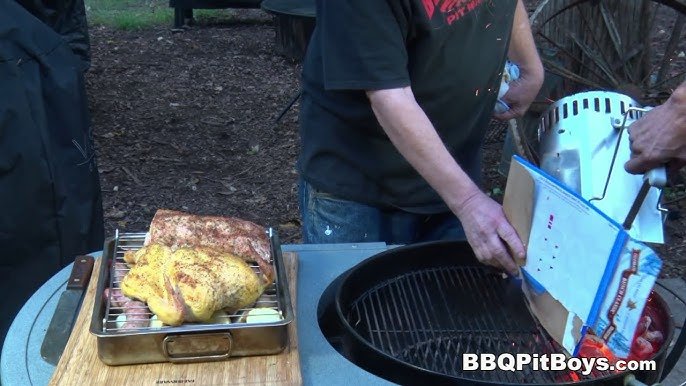
Start by lighting a good amount of charcoal—about half to three-quarters of the grill's capacity, depending on the size of your Boston butt. Use a chimney starter to get the coals glowing evenly without any chemical taste. Once the coals are covered with white ash, spread them out carefully.
Place the charcoal in a pile on one side of the grill. This setup gives you a hot zone for searing and a cooler zone for slow cooking. Have you noticed how uneven heat can ruin the bark on your meat? This arrangement prevents that by letting you move the meat away from direct flames when needed.
Creating The Two-zone Fire
Creating two zones means setting up one side of the grill for direct heat and the other for indirect heat. The hot side is where the coals are piled, and the cooler side is left empty or with minimal coals. This allows you to sear the Boston butt first and then move it to the cooler side to cook slowly.
Adjust the grill vents to control airflow and maintain a stable temperature around 225-250°F on the indirect side. Keep a spray bottle of water nearby to manage flare-ups. Have you tried shifting the meat between zones and noticed how it helps avoid burning while still getting that smoky crust?

Credit: www.youtube.com
Achieving The Ideal Temperature
Achieving the ideal temperature is key to cooking a Boston butt on a charcoal grill. The right heat ensures the meat cooks evenly and stays juicy. Too high, and the outside burns before the inside cooks. Too low, and the cooking takes too long, drying out the meat.
Maintaining a steady temperature between 225°F and 250°F is best for slow cooking. This low and slow approach breaks down the fat and connective tissue, making the meat tender and flavorful. Careful heat control keeps the cooking consistent, so the Boston butt turns out perfect every time.
Monitoring Grill Heat
Use a grill thermometer to check the temperature regularly. Place it near the meat, not directly over the coals. This gives a more accurate reading of the cooking area.
Watch the thermometer often, especially during the first hour. The temperature can change quickly as the charcoal burns. Adjustments will keep the heat steady.
Adjusting Vents For Control
Charcoal grills have vents at the bottom and top. These control airflow, which changes the fire's intensity.
- Open vents increase oxygen, making the fire hotter.
- Closing vents slows oxygen flow, lowering the heat.
Start with vents open to get the charcoal burning well. Once the fire is stable, adjust vents to hold the temperature steady. Small changes make big differences.
Cooking The Boston Butt
Cooking a Boston Butt on a charcoal grill requires patience and attention to detail. The process transforms a tough cut into tender, flavorful meat that melts in your mouth. Getting the cooking right means understanding how to place the meat and keep the grill temperature steady throughout the long cook.
Placing The Meat On The Grill
Start by setting up your charcoal grill for indirect heat. Arrange the coals on one side, leaving the other side empty or with fewer coals. This setup allows the Boston Butt to cook slowly without direct flames burning the exterior.
Place the Boston Butt on the cooler side of the grill, fat side up. This lets the fat render down, keeping the meat moist. Avoid putting it directly over the coals to prevent flare-ups and uneven cooking.
Think about airflow too. Position the grill vents to control oxygen flow, which affects heat and smoke circulation. Proper placement helps smoke wrap around the meat, adding that rich barbecue flavor.
Maintaining Consistent Temperature
Keeping your grill at a steady temperature between 225°F and 250°F is key. Fluctuating heat can cause the meat to cook unevenly or dry out. Use a reliable grill thermometer to monitor the temperature inside the cooking chamber.
Adjust the vents to control the temperature—open them to increase heat, close them slightly to lower it. Add charcoal gradually to maintain the fire without sudden temperature spikes.
Resist the urge to open the grill too often. Each time you lift the lid, heat escapes and slows down the cooking process. Instead, rely on your thermometer and visual cues like smoke color to judge progress.
Using Wood Chips For Flavor
Using wood chips adds a rich, smoky flavor to your Boston butt on a charcoal grill. The smoke infuses the meat slowly, making each bite tender and tasty. Choosing the right wood and preparing the chips properly helps control the flavor intensity. This simple step turns good barbecue into great barbecue.
Choosing The Right Wood
Pick wood chips that match the flavor you want. Fruit woods like apple or cherry give a mild, sweet smoke. Hickory and oak create a strong, classic barbecue taste. Mesquite offers a bold, earthy flavor but can be intense for long cooks. Avoid softwoods like pine; they create bad-tasting smoke.
- Apple: mild, sweet, great for pork
- Cherry: fruity, subtle, adds color
- Hickory: strong, smoky, traditional BBQ
- Oak: medium, versatile, steady smoke
- Mesquite: bold, intense, use sparingly
Soaking And Placing The Chips
Soak wood chips in water for at least 30 minutes before grilling. Wet chips burn slower and create more smoke. Drain excess water to avoid flare-ups. Place the chips directly on hot charcoal or inside a smoker box. Close the grill lid to trap smoke around the Boston butt. Add more chips every hour for steady smoke and flavor.
Monitoring And Turning
Keeping a close eye on your Boston butt while it smokes over charcoal is key to achieving that perfect, tender result. Monitoring and turning the meat ensures even cooking and helps avoid those dry spots or burnt edges. But how do you know when it’s time to turn or how to check the temperature accurately? Let’s break down the essentials.
Using A Meat Thermometer
A reliable meat thermometer is your best friend during this long cook. Insert it into the thickest part of the Boston butt, avoiding bones, to get an accurate read. You’re aiming for an internal temperature of about 195°F to 205°F for that fall-apart tenderness.
Checking the temperature regularly, every hour or so, lets you track progress without opening the grill too often. Each time you open the lid, heat escapes and the cooking time can extend. A digital instant-read thermometer can save you time and keep your grill’s temperature steady.
Rotating For Even Cooking
Charcoal grills often have hot spots, so turning the Boston butt is essential to prevent burning on one side. Rotate the meat every 45 minutes to an hour to expose all sides evenly to the heat. This helps cook the fat and connective tissues uniformly, enhancing flavor and texture.
Try positioning the thicker part of the butt closer to the hotter side of the grill first, then rotate it to balance things out. Have you noticed that some spots on your grill run hotter? Adjusting the meat’s position can make a big difference in how it cooks.
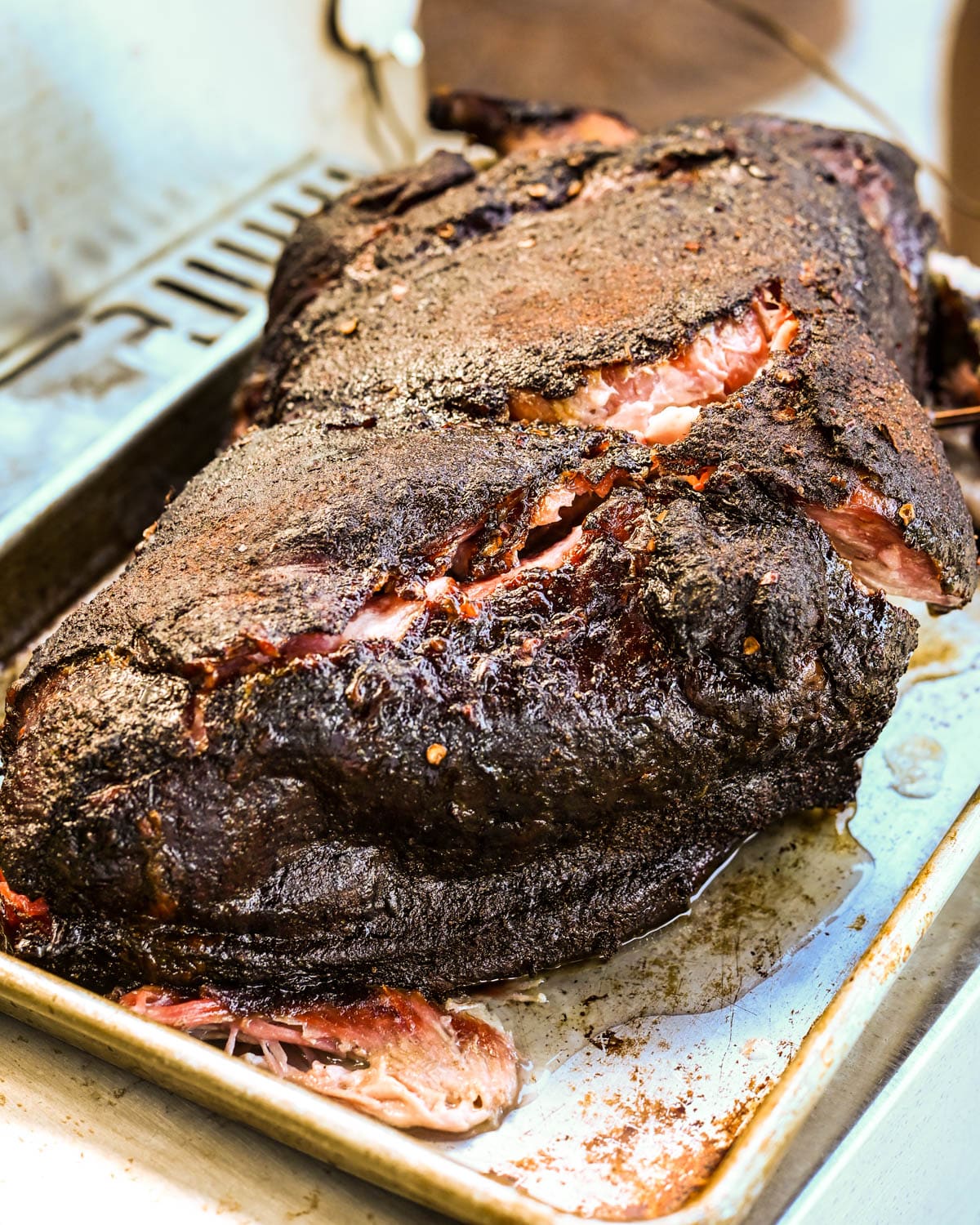
Credit: www.garlicandzest.com
Wrapping The Meat
Wrapping the Boston butt during grilling helps retain moisture and speed up cooking. It creates a barrier that locks in juices and tenderizes the meat. This step is key for achieving soft, flavorful pork with a beautiful bark on the outside.
Using Aluminum Foil
Aluminum foil is the most common wrap for Boston butt. Use heavy-duty foil to avoid tears. Wrap the meat tightly to trap steam and juices inside.
- Place the butt on a large sheet of foil.
- Wrap the foil around the meat, sealing all edges.
- Return the wrapped meat to the grill.
This method keeps the meat moist and tender. Foil also helps push the cooking process past the stall phase faster. Avoid opening the foil too often to keep heat and moisture in.
Understanding The Stall
The stall is a natural pause in temperature rise during long cooking. It happens when the meat's surface cools due to evaporation. The temperature may stay around 150-170°F for hours.
Wrapping the Boston butt helps break the stall. The trapped steam reduces evaporation, allowing the temperature to climb steadily. This speeds up cooking and prevents dry meat.
Patience is important during the stall. Resist the urge to increase the grill heat. Let the wrapped meat slowly rise to the target internal temperature.
Resting And Serving
Resting and serving are key parts of cooking a Boston butt on a charcoal grill. Resting lets the juices settle inside the meat. This keeps it moist and flavorful. Serving it right makes the eating experience even better. Small details in these steps make a big difference.
Letting The Meat Rest
Once the Boston butt is off the grill, do not cut it immediately. Wrap it loosely in foil. Let it rest for 20 to 30 minutes. This pause lets the juices spread evenly. The meat becomes tender and juicy.
Resting also helps the temperature to even out. This means the meat finishes cooking gently. Cutting too soon causes the juices to run out. The result is dry, tough meat. Patience pays off here.
Slicing And Serving Tips
Use a sharp knife for clean slices. Cut against the grain to make the meat easier to chew. Aim for slices about a quarter inch thick. Thicker slices keep more moisture inside.
Serve the Boston butt with simple sides. Coleslaw, pickles, and barbecue sauce work well. Offer buns for sandwiches or plates for a hearty meal. Let guests add sauce themselves to keep flavors fresh.
Keep the serving area warm. This keeps the meat at a nice temperature while eating. Enjoy the smoky, tender Boston butt with friends or family.

Credit: www.youtube.com
Troubleshooting Common Issues
Cooking a Boston butt on a charcoal grill can be incredibly rewarding, but it’s not without its challenges. Knowing how to troubleshoot common issues will help you keep your cook on track and deliver tender, flavorful results every time. Here’s how to handle two of the most frequent problems: temperature fluctuations and dry meat.
Handling Temperature Fluctuations
Keeping a steady temperature on a charcoal grill can feel like a guessing game. Your grill’s vents control airflow, which directly affects the heat, so adjust them slowly and watch the temperature gauge closely.
If you notice the heat rising too quickly, try closing the vents just a little to reduce oxygen flow. On the other hand, if the fire is dying down, open the vents to let more air in and revive the coals.
Using a water pan inside the grill can also help stabilize temperature by adding moisture and absorbing heat spikes. Have you tried moving the coals to one side for indirect cooking? This technique gives you more control over heat zones and prevents flare-ups.
Dealing With Dry Meat
Dry Boston butt can ruin your barbecue experience, but it’s often a sign that the meat cooked too fast or lacked moisture during the process. Avoid rushing the cook; low and slow is your best friend here.
Wrapping the meat in foil or butcher paper once it hits around 160°F helps trap juices and tenderize the meat. Another tip is to baste the meat periodically with a mop sauce or apple juice to keep the surface moist.
If dry meat still sneaks in, slicing against the grain and serving with a rich barbecue sauce can help balance texture and flavor. What small adjustment could you make next time to keep your Boston butt juicy?
Frequently Asked Questions
How Long To Cook Boston Butt On Charcoal Grill?
Cooking Boston butt on a charcoal grill takes about 4 to 6 hours. Maintain a grill temperature of 225°F to 250°F for slow, even cooking. Use indirect heat and check internal temperature to ensure doneness.
What Is The Best Charcoal For Grilling Boston Butt?
Lump charcoal is ideal for grilling Boston butt. It burns hotter and cleaner than briquettes. It also imparts a natural smoky flavor, enhancing the meat’s taste during long cooking sessions.
How To Maintain Temperature On Charcoal Grill?
Control airflow by adjusting the vents on your grill. Add charcoal gradually to keep consistent heat. Use a grill thermometer to monitor temperature and avoid flare-ups for steady cooking.
Should Boston Butt Be Wrapped During Grilling?
Yes, wrapping Boston butt in foil or butcher paper helps retain moisture. Wrap it after reaching an internal temperature of 160°F. This method speeds cooking and keeps the meat juicy and tender.
Conclusion
Cooking a Boston butt on a charcoal grill takes time and patience. Keep the heat steady and the smoke low. Use a good rub for flavor and wrap the meat to keep it juicy. Check the temperature often to avoid overcooking.
Let the meat rest before slicing. This will make it tender and tasty. Enjoy your delicious, smoky Boston butt with family and friends. Simple steps lead to great results every time. Give it a try and savor the flavor.