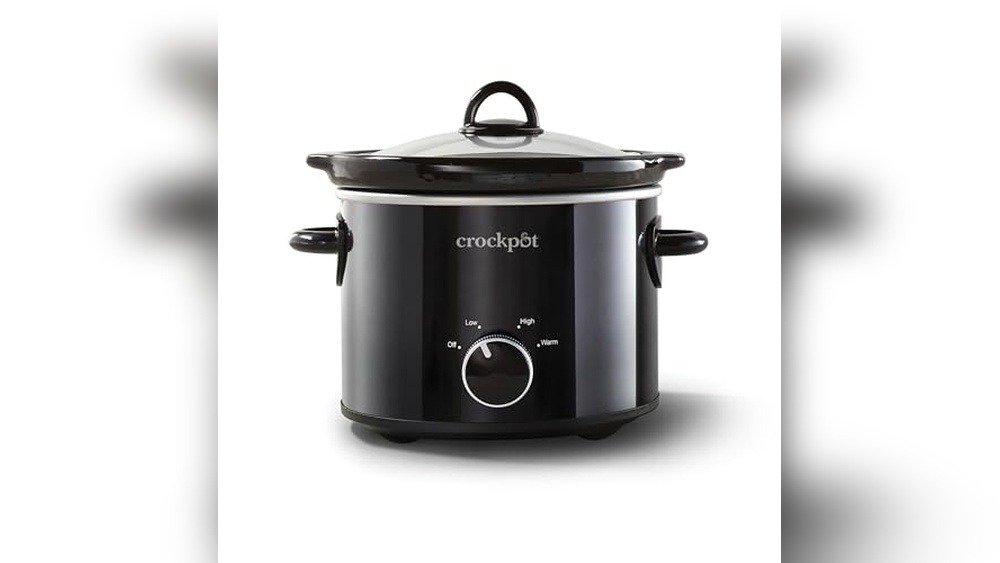
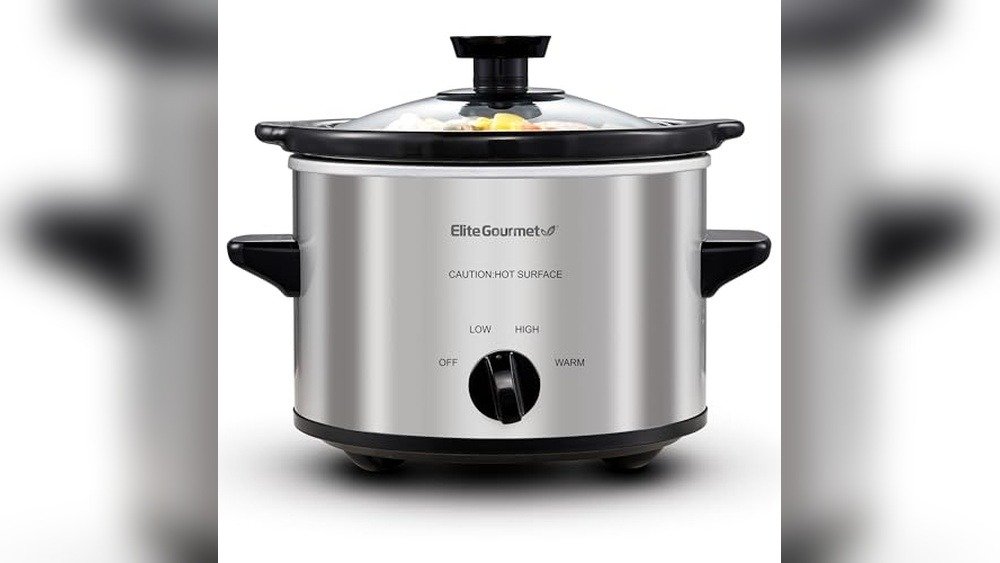
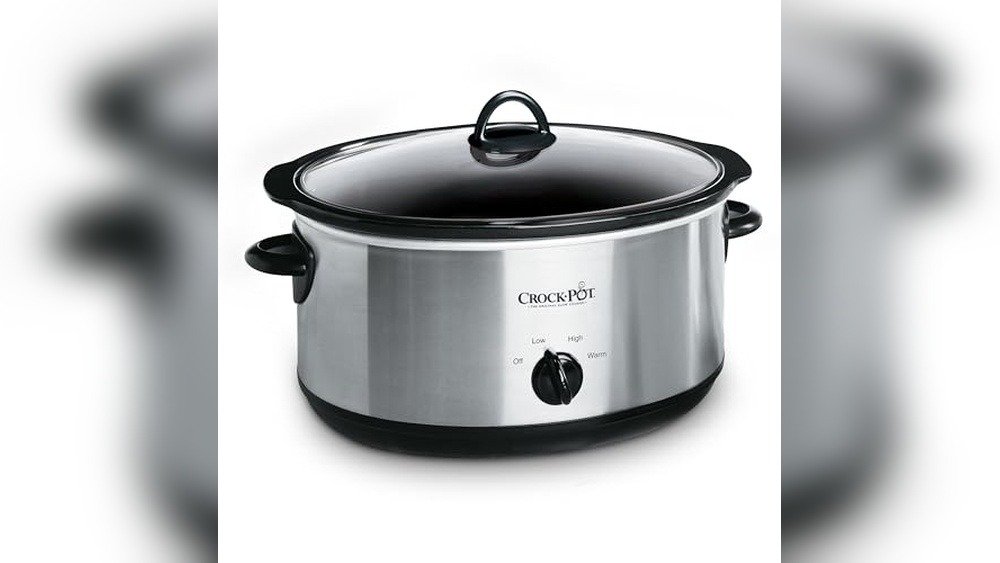
If you’ve ever wanted to enjoy tender, juicy pork without spending hours in the kitchen, cooking a Boston butt in a slow cooker is the answer. You don’t need to be a chef or have fancy equipment—just a few simple steps and your slow cooker will do all the hard work.
Imagine coming home to a mouthwatering meal that practically melts in your mouth. In this guide, you’ll learn exactly how to make the perfect Boston butt that will impress your family and friends every time. Ready to unlock the secret to effortless, delicious pork?
Keep reading!

Choosing The Right Cut
Choosing the right cut of Boston butt is crucial for a tender, flavorful slow-cooked meal. This cut comes from the upper part of the pig's shoulder and has a good balance of meat and fat. Picking the right piece sets the foundation for your cooking success.
Understanding The Boston Butt Cut
Boston butt is often confused with pork shoulder, but it’s a specific portion of the shoulder. It has more marbling, which means fat runs through the meat, keeping it juicy during slow cooking. Have you noticed how this marbling melts and makes the meat deliciously tender?
Size And Weight Considerations
Boston butts vary in size, usually between 4 to 8 pounds. Choose a size that fits your slow cooker comfortably, allowing space for even cooking. A piece too large might not cook evenly, while too small might dry out quickly.
Look For Good Marbling And Fat Cap
Marbling inside the meat means more flavor and moisture. A visible fat cap on top is a bonus, as it bastes the meat during cooking. You don’t want a piece that’s too lean; it can end up dry and tough after hours in the slow cooker.
Check For Freshness And Quality
Pick meat with a fresh, pinkish-red color and avoid any that looks dull or gray. Smell the meat if possible; it should have a clean, neutral scent. Quality meat makes a noticeable difference in the final taste and texture.
Bone-in Vs. Boneless Boston Butt
Bone-in cuts add extra flavor and help keep the meat moist, but they take a bit longer to cook. Boneless cuts are easier to shred once cooked but might lose some depth in flavor. Which do you prefer for your recipes—ease of shredding or richer taste?
Essential Ingredients
Preparing a Boston butt in a slow cooker needs a few essential ingredients. These ingredients bring out the rich flavors and tender texture you want in the dish. Choosing the right spices and liquids helps the meat stay juicy and tasty during the long cooking process.
Using fresh and quality ingredients improves the final taste. Each ingredient plays a key role in building deep, smoky, and savory notes in the meat. Below are the must-have ingredients for a perfect slow-cooked Boston butt.
Boston Butt Pork Shoulder
This cut is the star of the recipe. It comes from the upper part of the shoulder. The meat has good fat marbling that melts slowly, keeping it moist and flavorful.
Dry Rub Spices
You can use a highly-rated pre-mixed BBQ pork rub to save time, or mix your own using the following:
- Salt – enhances natural flavors
- Black pepper – adds mild heat
- Paprika – gives smoky color and taste
- Garlic powder – adds savory depth
- Onion powder – supports the garlic flavor
- Brown sugar – balances spices with sweetness
Liquid Ingredients
- Apple cider vinegar – tenderizes meat and adds tang
- Chicken broth or water – keeps meat moist during cooking
- Worcestershire sauce – adds umami and complexity
Additional Flavor Boosters
- Onions – provide sweetness and aroma
- Fresh garlic cloves – for robust garlic flavor
- BBQ sauce – for finishing and extra richness
Preparing The Boston Butt
Preparing the Boston butt properly sets the stage for a tender, flavorful slow-cooked meal. The way you handle the meat before it hits the slow cooker can make a big difference in texture and taste. Pay close attention to trimming and seasoning to get the most out of this cut.
Trimming Excess Fat
Boston butt comes with a thick layer of fat, which can add flavor but also make your dish greasy if left unchecked. Trim off large, thick chunks of fat but keep a thin layer to keep the meat moist during cooking.
Use a sharp knife to carefully remove the excess fat, especially around the edges. If you leave too much fat, your final dish might feel heavy rather than juicy.
Think about how much fat you enjoy—some prefer a leaner cut, others like the richness fat provides. Adjust trimming based on your taste and dietary needs.
Seasoning Techniques
Good seasoning is the secret to a mouthwatering Boston butt. Start by patting the meat dry with paper towels to help the spices stick better.
Rub the meat generously with salt and pepper, then add your favorite herbs and spices. Popular choices include garlic powder, paprika, cumin, and brown sugar for a hint of sweetness.
Don’t just sprinkle the seasoning on top—massage it into the meat with your hands. This helps the flavors penetrate deeper, giving you a richer taste after slow cooking.
Have you tried letting the seasoned meat rest overnight in the fridge? This step can dramatically boost the flavor, so consider prepping your Boston butt a day ahead.
Setting Up The Slow Cooker
Setting up the slow cooker correctly is key to cooking a Boston butt that is juicy and tender. The slow cooker uses low, steady heat to break down the meat’s fibers over time. This gentle cooking method helps keep the meat moist and full of flavor. Preparing the slow cooker well ensures the best texture and taste in your final dish.
Selecting The Ideal Temperature
The slow cooker usually offers low and high temperature settings. Low heat is best for cooking Boston butt. It allows the meat to cook slowly and evenly. High heat cooks faster but can dry out the meat. Choose low heat for a long, slow cook. This helps the fat melt and meat soften perfectly. For a delightful side dish, consider cooking great northern beans easily in the slow cooker as well. They absorb flavors beautifully and can be seasoned to complement your main dish. This method not only saves time but also ensures that the beans reach the perfect tenderness.
Timing For Perfect Tenderness
Cooking time depends on the size of the Boston butt. A 4 to 5-pound cut needs about 8 to 10 hours on low. Larger cuts may require 10 to 12 hours. Avoid rushing the process. Longer cooking at low heat breaks down tough fibers. The result is tender meat that falls apart easily. Check the meat near the end to test tenderness.
Adding Flavor Enhancements
Adding flavor to your Boston butt in the slow cooker is key to making every bite delicious. The right flavor enhancements bring out the natural richness of the pork while creating layers of taste. Let’s look at how choosing liquids and aromatics can elevate your dish.
Choosing The Right Liquid
The liquid you use in your slow cooker does more than just keep the meat moist—it infuses it with flavor. Think beyond water and stock.
- Try apple cider or apple juice for a subtle sweetness that pairs beautifully with pork.
- Use cola or root beer for a caramelized, slightly tangy finish.
- Consider beer or a splash of bourbon for depth and warmth.
Remember, the liquid will reduce during cooking, concentrating its flavors. Have you ever tasted how a small amount of balsamic vinegar mixed with broth can add unexpected brightness? Experimenting here can transform your slow-cooked Boston butt.
Incorporating Aromatics
Aromatics unlock the layers of flavor hidden in your pork. Fresh herbs, garlic, and onions are classic choices that never fail.
- Slice onions thick to let them soften slowly and sweeten over hours.
- Crush garlic cloves gently to release their aroma without overpowering.
- Add sprigs of rosemary or thyme for an earthy touch that complements pork perfectly.
Don’t hesitate to toss in whole spices like bay leaves, peppercorns, or even a cinnamon stick. These small additions can spark curiosity in your taste buds and keep each bite interesting. What aromatics have you used that surprised you with their effect?
Cooking Process
Cooking a Boston butt in a slow cooker is a rewarding process that transforms a tough cut of meat into a tender, flavorful meal. The key lies in patience and attention to detail throughout the cooking. Let’s dive into how you can keep track of your roast and fine-tune flavors as it cooks.
Monitoring Progress
Keep an eye on your Boston butt without lifting the lid too often. Each time you open the slow cooker, heat escapes and extends cooking time. Instead, check for visual cues like the meat pulling away from the bone or the aroma filling your kitchen.
Using a meat thermometer is a smart move. Aim for an internal temperature of about 195°F to 205°F for the most tender results. This range allows the connective tissues to break down properly, making the meat easy to shred.
Adjusting Seasonings
Seasonings can change during slow cooking as flavors meld and intensify. Taste the cooking liquid occasionally and adjust the salt, pepper, or spices if necessary. A pinch more seasoning can make a big difference in the final dish.
If you want to add fresh herbs or a splash of acid like vinegar or lemon juice, do it near the end of cooking. This keeps their flavors bright and prevents them from fading away. How often do you think about tweaking flavors while the food is still cooking?
Checking For Doneness
Knowing when your Boston butt is perfectly cooked in the slow cooker is key to achieving tender, flavorful meat. Relying solely on cooking time can be misleading because slow cookers vary in heat levels. Checking for doneness ensures your effort results in juicy, pull-apart pork every time.
Using A Meat Thermometer
A meat thermometer is the most reliable tool to check if your Boston butt is done. Insert the probe into the thickest part of the meat, avoiding bone or fat. The internal temperature should reach 195°F to 205°Ffor tender, shreddable pork.
If you don’t have a thermometer, consider investing in one—it takes the guesswork out of slow cooking. Many slow cooker recipes suggest a temperature range for doneness, but checking with a thermometer guarantees safe and perfect results. Have you ever cut into your roast too early and found it tough? A thermometer prevents that disappointment. When following cooking prime rib tips for beginners, it’s important to let the meat rest after cooking to enhance its flavor and tenderness. A well-rested prime rib will retain its juices better, resulting in a more succulent bite. Pair your roast with a simple horseradish sauce or a rich gravy to elevate your meal.
Visual And Textural Indicators
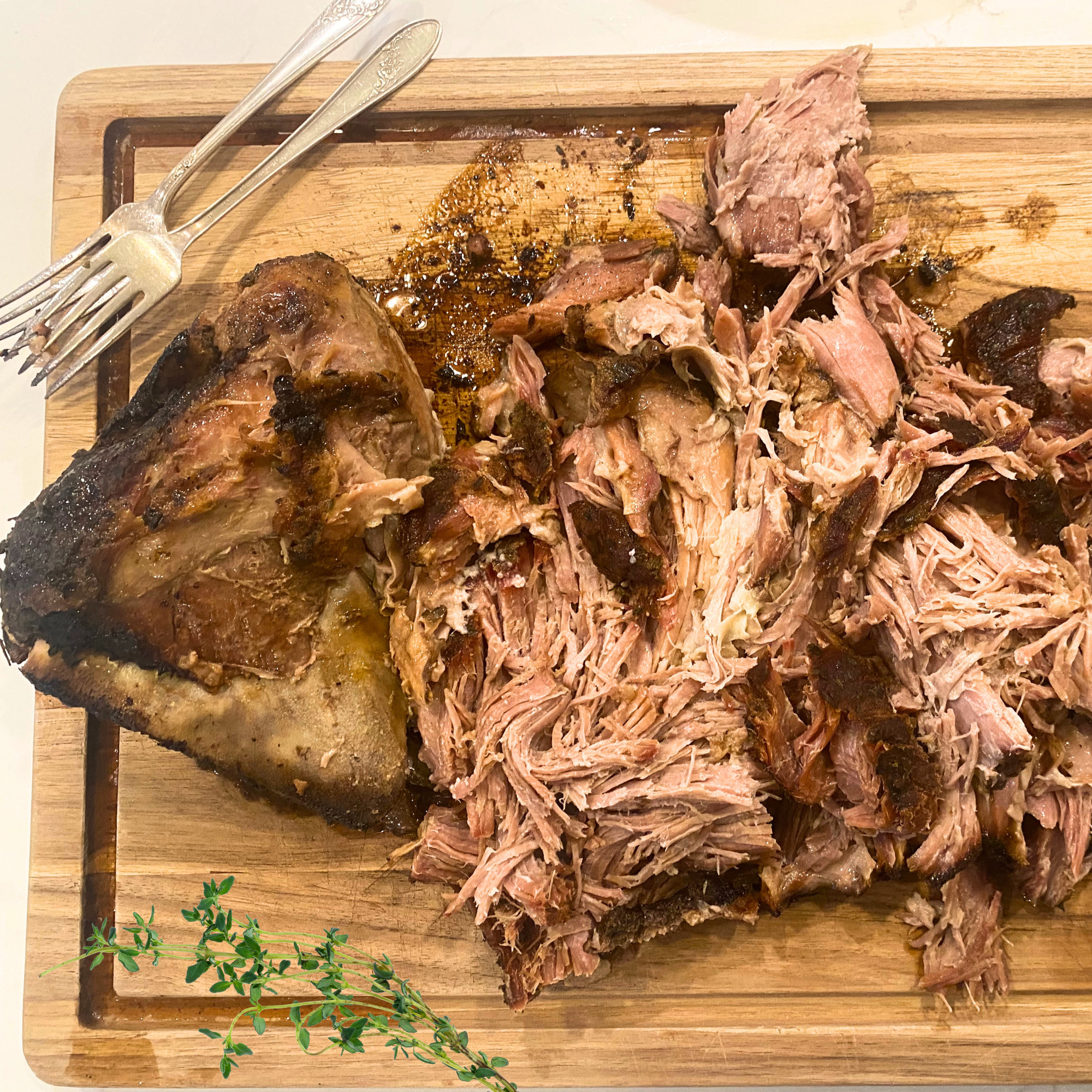
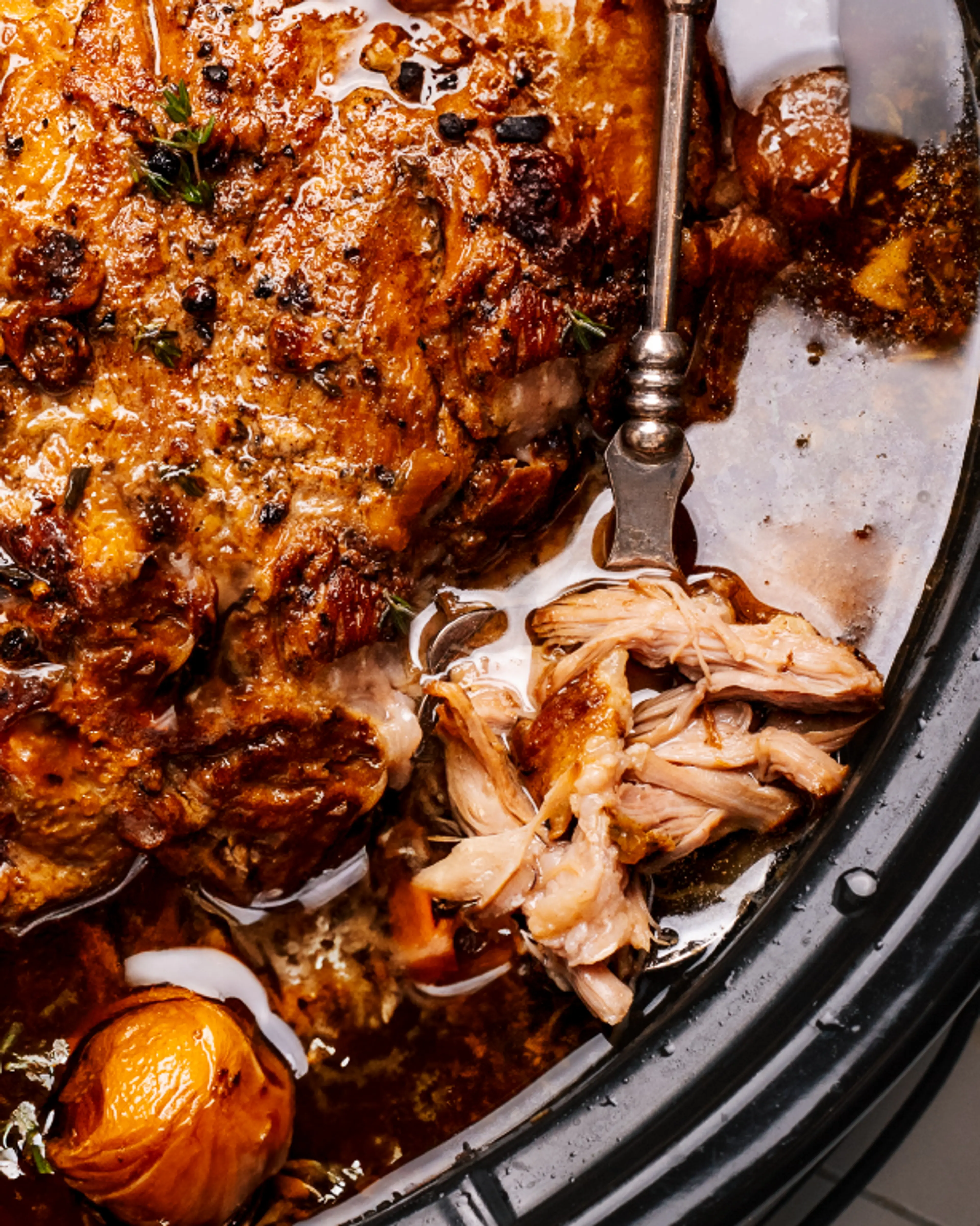
Beyond temperature, look for visual and textural clues to know your Boston butt is ready. The meat should pull apart easily with a fork—if it resists, it needs more time. The color deepens to a rich brown, and juices run clear rather than pink or bloody.
Touch the meat gently; it should feel tender and slightly springy, not firm or rubbery. Slow cookers can vary, so if your Boston butt passes these tests but isn’t quite shreddable, give it another 30 minutes and check again. What signs do you usually trust when cooking meat low and slow?
Shredding And Serving
After your Boston butt has slow-cooked to tender perfection, the next crucial step is shredding and serving. This transforms the meat into juicy, bite-sized pieces that soak up all the delicious flavors. Handling the shredded meat properly can elevate your meal from good to unforgettable.
Proper Shredding Techniques
Start by letting the meat rest for about 10 minutes to allow the juices to redistribute. This makes shredding easier and prevents the meat from drying out.
Use two forks (or a set of meat shredder claws for a much faster job!) to pull the meat apart gently, following the natural grain. Avoid chopping with a knife, as shredding preserves the texture and tenderness you worked hard to achieve. meal prep tips for ground beef include seasoning generously before cooking to enhance flavor. Additionally, consider mixing in ingredients like onions or garlic for added depth. Finally, if you're making a large batch, divide portions into meal-sized containers for quick access during the week.
If you want an even easier method, try using your hands (wearing gloves if you prefer). The warmth helps separate the meat fibers smoothly.
Serving Suggestions
Think about how you want to enjoy your shredded Boston butt. It’s perfect piled high on a soft bun with coleslaw for a classic barbecue sandwich.
- Mix it with your favorite barbecue sauce for extra flavor.
- Serve over rice or mashed potatoes for a comforting meal.
- Add it to tacos with fresh salsa and avocado for a quick dinner.
Ever considered how different toppings or sides can change the whole experience? Try experimenting with pickled vegetables or spicy mustard to find your perfect combo.
Storing Leftovers
After enjoying your perfectly cooked Boston butt, you might wonder how to keep those delicious leftovers fresh and tasty. Proper storage not only preserves flavor but also helps you avoid food waste. Let’s look at smart ways to store your slow cooker Boston butt so it stays just as good the next time you eat it.
Refrigeration Tips
Cool your Boston butt leftovers as quickly as possible—ideally within two hours of cooking. Leaving the meat out too long can cause bacteria to grow, risking food safety.
Use shallow airtight containers to store the meat. This helps it cool faster and prevents moisture buildup that can make the pork soggy.
- Label the containers with the date to keep track of freshness.
- Store the leftovers in the coldest part of your fridge, usually the back bottom shelf.
Have you noticed how some leftovers taste better the next day? Refrigerating your Boston butt properly lets the flavors develop even more overnight.
Freezing For Future Meals
If you don’t plan to eat the leftovers within 3-4 days, freezing is your best option. Wrap portions tightly in plastic wrap or aluminum foil before placing them in freezer bags to prevent freezer burn.
Divide the pork into meal-sized portions before freezing. This way, you only thaw what you need without wasting any meat.
| Freezing Tip | Why It Matters |
|---|---|
| Remove air from freezer bags | Prevents freezer burn and keeps meat moist |
| Label with date and content | Helps you use older portions first |
| Freeze in flat layers | Easier to stack and quicker to thaw |
Think about how much time you’ll save by having ready-to-use Boston butt in your freezer. It’s a quick fix for busy nights and unexpected guests.
Frequently Asked Questions
How Long To Cook Boston Butt In Slow Cooker?
Cook Boston butt on low for 8-10 hours or high for 4-6 hours. This ensures tender, juicy meat that easily shreds.
What Seasoning Works Best For Slow Cooker Boston Butt?
Use a mix of salt, pepper, garlic powder, paprika, and brown sugar. These spices enhance flavor and create a delicious crust.
Should Boston Butt Be Seared Before Slow Cooking?
Yes, searing locks in juices and adds rich flavor. Brown the meat on all sides before placing it in the slow cooker.
Can I Cook Frozen Boston Butt In A Slow Cooker?
It’s not recommended. Cooking frozen meat can cause uneven cooking and unsafe temperatures. Always thaw meat before slow cooking.
Conclusion
Cooking a Boston butt in a slow cooker is simple and rewarding. The meat turns tender and full of flavor. Just season well, set the cooker, and wait. You can enjoy a delicious meal with little effort. Perfect for family dinners or special occasions.
Try different spices to find your favorite taste. Slow cooking saves time and keeps the meat juicy. Enjoy your homemade slow-cooked Boston butt anytime. Easy, tasty, and satisfying every time.