Cooking a boneless turkey breast in a rotisserie might sound tricky, but it’s easier than you think. Imagine juicy, tender turkey with perfectly crispy skin, all cooked evenly without constant checking.
You’re about to learn simple steps that will make your next meal impress everyone at the table. Whether it’s for a family dinner or a special occasion, this method saves you time and delivers delicious results every time. Keep reading, and you’ll discover how to turn your rotisserie into a game-changer for cooking turkey breast.
Choosing The Right Turkey Breast
Choosing the right turkey breast is key to a delicious rotisserie meal. The perfect cut ensures even cooking and juicy meat. Picking the best option depends on freshness, size, and skin preferences. These factors affect taste, texture, and cooking time.
Fresh Vs Frozen Options
Fresh turkey breast usually tastes better and cooks more evenly. It has a natural texture and moisture. Frozen turkey breast can be convenient and last longer. Thaw it completely before cooking to avoid uneven heat. Fresh is best for rotisserie cooking but frozen works well if handled right.
Size And Weight Considerations
Choose a turkey breast size that fits your rotisserie spit. Smaller breasts cook faster and are easier to handle. Larger breasts serve more people but need longer cooking time. A typical size between 2 to 4 pounds works well for most rotisseries. Check your equipment’s capacity before buying.
Skin-on Or Skinless
Skin-on turkey breast helps keep the meat moist during cooking. The skin crisps up nicely on the rotisserie. Skinless breasts cook faster but can dry out if not watched carefully. For juicy meat with a crispy outside, skin-on is a great choice. Remove skin after cooking if you prefer less fat.
Preparing The Turkey Breast
Preparing your boneless turkey breast properly sets the stage for a juicy, flavorful rotisserie feast. Each step you take before cooking impacts the final taste and texture. Let’s break down the essentials of getting your turkey breast ready to spin on the rotisserie.
Trimming And Cleaning
Start by rinsing the turkey breast under cold water to remove any residue or packaging liquids. Pat it dry with paper towels to ensure the seasoning sticks well later on.
Check for excess fat or silver skin—these can cause uneven cooking or toughness. Use a sharp knife to trim off any unwanted bits carefully. Removing these parts helps the heat circulate evenly around the meat.
Brining Techniques
Brining is a game-changer for keeping your turkey breast moist during the rotisserie cooking process. You can use a simple saltwater solution or add herbs and spices for extra flavor.
Try soaking your turkey breast in a brine made from 4 cups of water, 1/4 cup of salt, and 1/4 cup of sugar. Refrigerate it for 4 to 8 hours—long enough for the meat to absorb moisture but not so long it becomes too salty.
Ever thought about dry brining? Simply rub salt and seasonings directly on the meat and let it rest uncovered in the fridge overnight. This technique improves the skin’s crispness and intensifies flavor without extra liquid.
Seasoning And Marinades
Seasoning is your chance to add personality to the turkey breast. Use a mix of herbs like rosemary, thyme, and garlic powder for a classic taste, or experiment with spices like smoked paprika or cumin for something different.
Marinades with acidic components such as lemon juice or vinegar can tenderize the meat further. Just be careful not to marinate too long—around 2 to 4 hours is enough to avoid mushy texture.
Don’t forget to rub the seasoning under the skin if possible. This ensures every bite bursts with flavor, not just the surface.
Setting Up The Rotisserie
Setting up your rotisserie correctly is key to cooking a juicy, evenly roasted boneless turkey breast. It ensures consistent heat and prevents any slipping or uneven cooking. Let’s break down the essentials to get your rotisserie ready for a perfect roast.
Rotisserie Equipment Basics
Start by checking your rotisserie kit for all necessary parts: the spit rod, forks, and motor. The spit rod holds the turkey breast and rotates it, while the forks keep the meat securely in place. If your motor has variable speeds, choose a slow rotation to allow even cooking without drying the meat.
Make sure the rotisserie setup fits your grill or oven. Some setups require a specific placement or extra support to keep everything balanced. If your equipment feels wobbly, tightening the forks or adjusting the rod position can prevent a messy cook.
Securing The Turkey Breast
Place the boneless turkey breast centrally on the spit rod to balance the load. Slide the forks into the meat from both sides, pushing them firmly into the thickest parts to avoid any movement during cooking. Tighten the forks' screws to lock the breast in place.
Double-check that the turkey breast doesn’t wobble or slide once secured. A well-balanced load reduces stress on the motor and promotes even cooking. If you notice imbalance, adjust the breast’s position or add a small piece of foil to balance the weight.
Preheating And Temperature Settings
Preheat your rotisserie grill to a steady 325°F (163°C). This temperature allows the turkey breast to cook through without burning the outside. Avoid higher heat which can dry out the meat or cause uneven cooking.
Once preheated, insert the spit rod with the turkey breast and start the rotation. Keep the grill covered to maintain consistent heat and moisture. Do you know your grill’s hot spots? Rotisserie cooking minimizes their effect, but it’s good to be aware for any adjustments.
Credit: www.foodnetwork.com
Cooking Process
Cooking a boneless turkey breast in a rotisserie brings out rich flavors. This method ensures a juicy and tender dish. Understanding the cooking process is key to success. Let's explore the essential steps.
Ideal Cooking Time
The ideal cooking time varies based on the turkey breast's weight. Generally, cook for 20 minutes per pound. This guideline helps achieve the perfect texture. Always adjust based on your specific rotisserie model.
Monitoring Temperature
Temperature control is crucial for safety and taste. Use a meat thermometer to check doneness. The turkey should reach 165°F internally. Check the thickest part for an accurate reading.
Basting Tips
Basting keeps the turkey moist and adds flavor. Use a brush or spoon to apply melted butter. Do this every 20 minutes for best results. Add herbs to the butter for extra taste.
Checking For Doneness
Checking for doneness is key to cooking a juicy boneless turkey breast in a rotisserie. It ensures the meat is safe to eat and perfectly tender. Overcooked turkey can become dry and tough, while undercooked turkey poses health risks. Knowing how to check doneness helps you serve a delicious meal every time.
Using A Meat Thermometer
A meat thermometer is the most accurate tool to check turkey doneness. Insert it into the thickest part of the breast, avoiding bone. The internal temperature should reach 165°F (74°C) for safe consumption. Remove the turkey from the rotisserie once it hits this temperature. Let it rest for 10 minutes; the temperature may rise slightly during this time.
Visual And Texture Cues
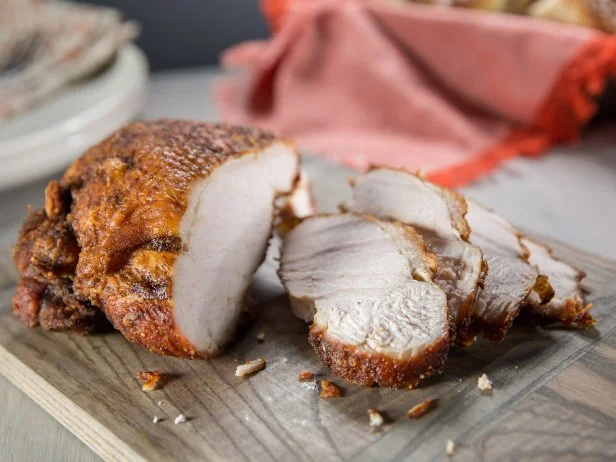
Besides temperature, look for visual and texture signs. The turkey’s juices should run clear, not pink or red. The meat should feel firm but still spring back when pressed. If the meat looks shiny or overly soft, it needs more cooking time. These cues help confirm the turkey is cooked properly and ready to serve.
Credit: www.foodnetwork.com
Resting And Serving
Resting and serving a boneless turkey breast cooked in a rotisserie are key steps. These steps ensure the meat stays juicy and tender. Proper resting lets the juices settle inside the meat. Serving it the right way enhances the whole dining experience. Follow these tips for the best results.
Resting Time Importance
Rest the turkey breast for at least 10 to 15 minutes. This pause lets juices move back into the meat. Cutting too soon causes the juices to spill out. The meat becomes dry and less flavorful. Cover the turkey loosely with foil to keep it warm during rest.
Carving Techniques
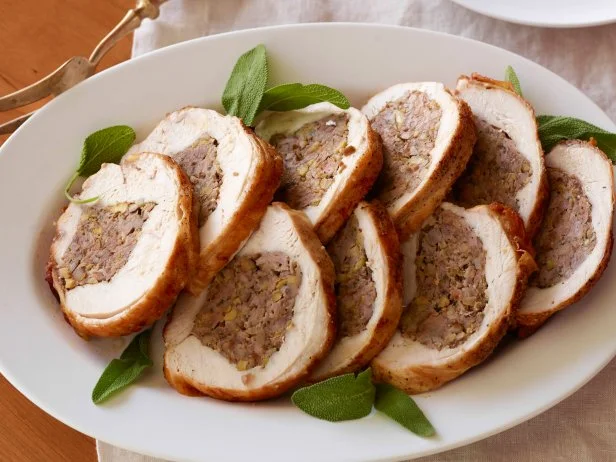
Use a sharp knife for clean cuts. Slice against the grain to keep meat tender. Cut the breast into even, thin slices. Avoid sawing motions; use smooth, steady strokes. Arrange slices neatly on the serving plate.
Serving Suggestions
Serve the turkey with simple sides like roasted vegetables or mashed potatoes. Add fresh herbs like rosemary or thyme for flavor. Use a light gravy or sauce on the side. Offer warm bread rolls or a crisp salad for balance.
Troubleshooting Common Issues
Cooking a boneless turkey breast in a rotisserie can sometimes bring unexpected challenges. Knowing how to spot and fix common issues will save you time and disappointment. Whether your turkey turns out dry, unevenly cooked, or your rotisserie acts up, practical solutions can get your meal back on track quickly.
Dry Turkey Solutions
Dry turkey breast is a common problem but easy to fix. One trick is to brine the turkey before cooking. Soaking it in a saltwater solution for a few hours locks in moisture and improves flavor.
If you notice dryness while cooking, baste the turkey regularly with melted butter or broth. This keeps the surface moist and adds richness.
After cooking, let the turkey rest for 10–15 minutes. Resting allows juices to redistribute, making the meat juicier when sliced. Have you tried covering the turkey loosely with foil during resting? It helps retain heat and moisture.
Uneven Cooking Fixes
Uneven cooking often happens if the turkey isn’t properly balanced on the rotisserie spit. Make sure you secure the breast firmly and center it evenly.
Rotate the turkey slowly and check for hot spots inside the rotisserie. If certain areas cook faster, try moving the heat source or adjusting the spit speed.
Using a meat thermometer is essential. Check the temperature in different spots to ensure the entire breast reaches 165°F (74°C). What’s your go-to tip for ensuring even cooking?
Rotisserie Malfunction Tips
Rotisserie malfunctions can disrupt cooking but often have simple fixes. If the spit isn’t turning, check if it’s properly seated in the motor.
Inspect the power source and connections. Sometimes, a loose plug or switch issue causes the motor to stop.
Clean the rotisserie regularly to prevent grease build-up, which can jam the motor. If the problem persists, testing with a different motor or contacting the manufacturer might be necessary.
Credit: thestayathomechef.com
Frequently Asked Questions
How Long To Cook Boneless Turkey Breast Rotisserie?
Cook the boneless turkey breast for about 1 to 1. 5 hours. Maintain a rotisserie temperature of 325°F (163°C). Use a meat thermometer to check for 165°F (74°C) internal temperature, ensuring it's fully cooked and safe to eat.
What Seasoning Works Best For Rotisserie Turkey Breast?
Use a mix of salt, pepper, garlic powder, and herbs like rosemary or thyme. This blend enhances flavor without overpowering the turkey. You can also add lemon zest or paprika for extra taste and aroma during cooking.
Should I Brine The Turkey Breast Before Rotisserie?
Yes, brining helps keep the turkey breast moist and flavorful. Soak it in a saltwater solution for 4 to 6 hours before cooking. This process improves tenderness and prevents the meat from drying out during rotisserie cooking.
How To Prevent Turkey Breast From Drying Out?
Keep the cooking temperature steady and avoid overcooking. Baste the turkey occasionally with its juices or butter. Using a meat thermometer ensures you stop cooking at the perfect time, keeping the meat juicy and tender.
Conclusion
Cooking a boneless turkey breast in a rotisserie is simple and fun. The meat stays juicy and cooks evenly all around. You only need basic ingredients and tools. Keep an eye on the temperature for best results. This method saves time and gives great taste.
Try it for your next meal and enjoy a tender turkey breast. Perfect for family dinners or special occasions. Cooking this way adds flavor without much effort. Your kitchen will smell amazing, and everyone will ask for seconds.