If you’ve never tried cooking beef tongue, you’re about to discover a surprisingly simple way to create a rich, tender dish that can impress anyone at your table. Using a slow cooker makes the process easy and hands-free, letting you focus on other things while your meal cooks to perfection.
In this guide, you’ll learn step-by-step how to prepare beef tongue so it melts in your mouth and bursts with flavor. Ready to transform an unusual cut of meat into a delicious, satisfying meal? Keep reading—your slow cooker is about to become your new best friend in the kitchen.
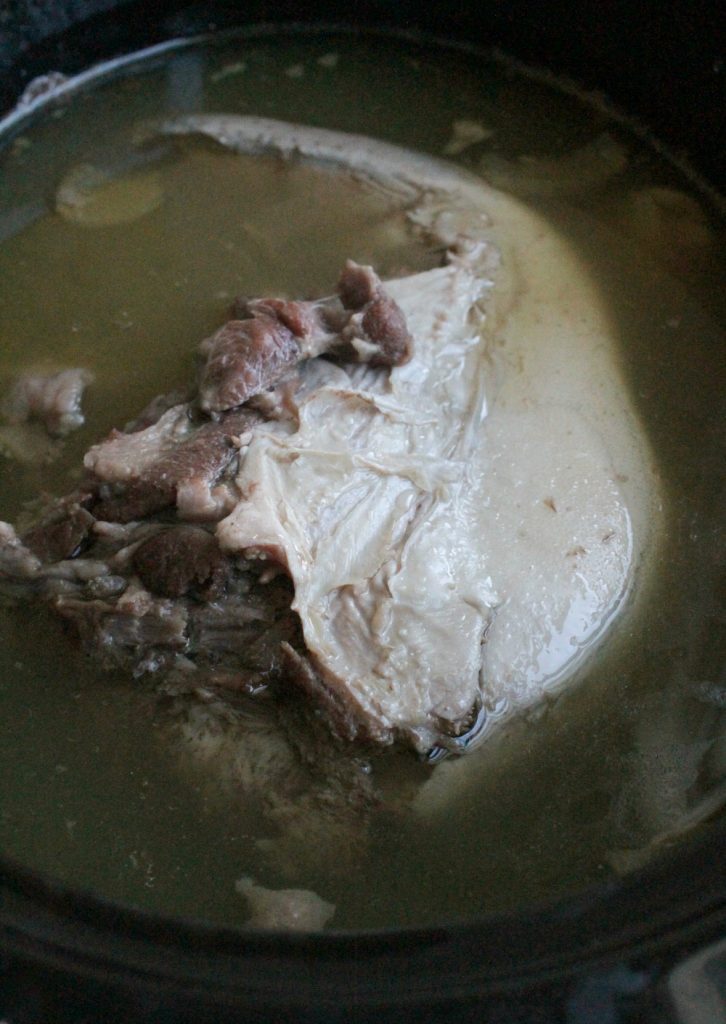
Credit: inmamamaggieskitchen.com
Choosing The Right Beef Tongue
Choosing the right beef tongue is important for a delicious slow-cooked meal. The quality and freshness affect taste and texture. Knowing what to pick helps ensure tender, flavorful results. This section explains how to select the best beef tongue for your slow cooker recipe.
Fresh Vs Frozen Tongue
Fresh beef tongue offers the best flavor and texture. It feels firm and moist, not slimy or dry. The color should be a deep pink or red. Frozen tongue is convenient and often more affordable. It may lose some texture but still cooks well in a slow cooker. Defrost frozen tongue slowly in the fridge before cooking.
Size And Quality Tips
Choose a beef tongue that weighs 2 to 3 pounds for easy handling and cooking. Larger tongues take longer to cook and may be tougher. Look for smooth skin without cuts or bruises. Avoid tongues with a strong, unpleasant smell. Quality tongues have a fresh, mild aroma. Check for even thickness to ensure uniform cooking.
Preparing The Tongue For Cooking
Preparing the beef tongue correctly before cooking is key to achieving tender, flavorful results in your slow cooker. This process involves cleaning, trimming, and sometimes an optional brining step that can enhance taste and texture. Taking the time to prepare the tongue properly makes a noticeable difference in the final dish.
Cleaning And Trimming
Start by rinsing the beef tongue thoroughly under cold running water. Use a brush or your hands to remove any dirt or residue on the surface. Pay special attention to the rough skin that covers the tongue, as it needs to be trimmed off after cooking.
Before cooking, trim any excess fat or tough bits you can easily see. This helps reduce greasiness and improves the texture. Keep in mind, you don’t need to peel the skin before cooking; it becomes much easier to remove once the tongue is tender.
Optional Brining Step
Brining is not required but can add extra moisture and flavor to your beef tongue. If you decide to brine, prepare a simple solution with water, salt, and optional sugar or spices like bay leaves and peppercorns.
Submerge the tongue in the brine for 4 to 12 hours in the refrigerator. This step helps break down the muscle fibers and seasons the meat evenly. Have you tried brining before? It can transform your slow-cooked beef tongue into something truly special.
Setting Up The Slow Cooker
Setting up your slow cooker correctly is key to tender, flavorful beef tongue. This stage determines how well the meat absorbs flavors and how evenly it cooks. Taking a little extra time here makes a big difference in your final dish.
Choosing Cooking Liquids
The liquid you choose sets the cooking environment for the beef tongue. Water works fine but lacks flavor; broth or stock adds a rich base that seeps into the meat. You might try beef broth for a deeper taste or mix in some tomato juice for a slight tang.
Think about acidity too. A splash of vinegar or a squeeze of lemon juice can help break down the meat fibers, making the tongue more tender. Just a couple of tablespoons can change the texture without overpowering the dish.
Adding Aromatics And Spices
Aromatics and spices turn simple slow-cooked meat into a memorable meal. Onion, garlic, and bay leaves are classic choices that infuse the tongue with savory notes. Don’t hesitate to toss in whole peppercorns or a cinnamon stick for complexity.
Fresh herbs like thyme or rosemary add brightness, but add them toward the end of cooking to keep their flavor fresh. Have you ever tried star anise or cloves? These spices can introduce a subtle warmth that surprises your taste buds.
Cooking Process And Timing
Cooking beef tongue in a slow cooker ensures tenderness. Simply season, cover with water, and cook for 6-8 hours. Enjoy a melt-in-your-mouth delicacy with minimal effort.
Cooking beef tongue in a slow cooker is an art that combines patience with precision. The tongue, often overlooked, transforms into a tender delicacy with the right method. Understanding the cooking process and timing is crucial to achieving that melt-in-your-mouth texture. Don't rush this journey. Let the slow cooker work its magic while you go about your day. The right balance of heat and time can elevate this humble cut to a gourmet delight.
Low Vs High Heat Settings
Choosing between low and high heat is the first step in mastering the slow-cooking process. Low heat settings are your best friend if you're after tenderness. It allows the connective tissues to break down gently, resulting in a softer texture. High heat might seem tempting for a quicker result, but it can compromise the meat's tenderness. Opt for low heat if you can spare the extra time. Your patience will be rewarded with a more flavorful and succulent dish.
Ideal Cooking Duration
The question of timing can make or break your cooking experience. For the best results, aim for a cooking duration of 8 to 10 hours on low heat. This long, slow cook ensures the beef tongue absorbs all the flavors and achieves that perfect tenderness. If you do choose high heat, reduce the time to 4 to 5 hours. However, be prepared for a slightly firmer texture. Timing is everything, and a little planning can yield mouthwatering results. Are you ready to embark on this culinary adventure? The reward is a dish that not only tastes amazing but also impresses anyone lucky enough to taste it.
Checking For Doneness
Checking for doneness is a crucial step in cooking beef tongue in a slow cooker. The goal is to achieve a tender and flavorful result. Beef tongue should be soft enough to cut easily but not fall apart completely. Proper doneness ensures the meat is safe and delicious.
Texture And Tenderness Tests
Use a fork or skewer to test the tongue’s texture. Insert it into the thickest part. It should slide in with little resistance. If the tongue feels tough or chewy, it needs more cooking time. The meat should be soft and slightly springy. Press gently on the tongue; it should yield easily. Avoid overcooking to prevent mushy texture.
Using A Meat Thermometer
A meat thermometer helps check internal temperature accurately. Insert it into the thickest part of the tongue. The safe temperature is around 190°F to 200°F (88°C to 93°C). This range ensures the connective tissues break down properly. If the temperature is lower, cook longer. Avoid removing the tongue too early to keep it tender and safe to eat.

Credit: www.punchfork.com
Peeling And Slicing The Tongue
Peeling and slicing the beef tongue is an important step after slow cooking. The outer skin must be removed to reveal the tender meat inside. Proper slicing ensures the best texture and flavor in every bite. This section guides you through these steps clearly and simply.
Removing The Outer Skin
After cooking, let the tongue cool until it is safe to handle. The skin will feel loose and soft. Use a sharp knife or your fingers to make a small cut on the thick end. Gently pull the skin away from the meat. It should come off easily in large pieces. Rinse the tongue under cold water to clean any leftover bits. Dry it with a paper towel before slicing.
Best Slicing Techniques
Place the peeled tongue on a cutting board. Use a sharp knife to slice thin pieces. Cut against the grain for tender slices. Aim for uniform thickness to cook evenly if reheating. Slices about ¼ inch thick work well for most recipes. Serve the slices warm or cold, depending on your dish.
Serving Suggestions
Serving beef tongue cooked in a slow cooker offers many tasty possibilities. This tender meat pairs well with various sides and sauces. Choosing the right accompaniments can elevate your meal and delight your guests.
Popular Side Dishes
- Mashed potatoes with butter and herbs
- Steamed green beans or asparagus
- Roasted carrots and parsnips
- Rice pilaf with toasted almonds
- Simple garden salad with vinaigrette
- Crusty bread or dinner rolls
- Pickled vegetables for a tangy contrast
Sauce And Seasoning Ideas
- Classic chimichurri sauce for freshness
- Horseradish cream for a spicy kick
- Rich mushroom gravy with garlic
- Mustard sauce with honey and lemon
- Barbecue sauce for smoky flavor
- Simple drizzle of olive oil and lemon juice
- Fresh herbs like parsley or cilantro
Storing And Reheating Leftovers
After enjoying your slow-cooked beef tongue, you might find yourself with leftovers that are just too good to waste. Properly storing and reheating these leftovers ensures they stay flavorful and tender, ready to be savored again. Let’s talk about how to handle your beef tongue so it keeps its delicious texture and taste for your next meal.
Proper Storage Methods
First, let your beef tongue cool down to room temperature before storing it. This helps avoid condensation, which can make the meat soggy or spoil faster.
- Wrap the tongue tightly in plastic wrap or aluminum foil to keep air out.
- Place it in an airtight container or a resealable plastic bag.
- Store it in the refrigerator if you plan to eat it within 3 to 4 days.
- If you want to keep it longer, freezing is your best option. Use a freezer-safe bag or container, and try to remove as much air as possible.
Have you ever noticed how some leftovers lose their texture after a day or two? Keeping air and moisture away is key to avoiding that problem.
Reheating Tips For Tenderness
Reheating beef tongue requires a gentle touch to keep it tender. Avoid high heat that can dry it out or toughen the meat.
- Reheat slowly in a microwave using medium power, checking every 30 seconds.
- Wrap the slices in a damp paper towel to maintain moisture.
- Alternatively, warm it in a covered pan over low heat with a splash of broth or water to prevent drying.
- If you have frozen leftovers, thaw them overnight in the fridge before reheating for best results.
Have you tried reheating beef tongue only to find it chewy? These simple tips helped me keep it juicy and tender every time.

Credit: www.youtube.com
Frequently Asked Questions
How Long Does Beef Tongue Take In A Slow Cooker?
Beef tongue typically takes 6 to 8 hours on low heat in a slow cooker. This ensures tenderness and full flavor. Cooking on high heat reduces time but may affect texture. Always check for softness before serving.
Should I Peel Beef Tongue Before Or After Cooking?
You should peel beef tongue after cooking. The outer skin becomes easy to remove once the tongue is tender. Peeling before cooking can make the tongue tough. Use a knife to help gently remove the skin.
What Seasonings Work Best For Slow-cooked Beef Tongue?
Common seasonings include garlic, onion, bay leaves, salt, and pepper. Some add cumin or chili powder for extra flavor. Herbs like thyme or rosemary enhance the taste. Customize seasonings based on your preferred cuisine style.
Can I Use Leftover Beef Tongue In Other Recipes?
Yes, leftover beef tongue is versatile. Use it in tacos, sandwiches, or salads. It can be sliced, diced, or shredded depending on the dish. Store leftovers properly in the refrigerator for up to 3 days.
Conclusion
Cooking beef tongue in a slow cooker is simple and rewarding. The meat turns tender and full of flavor. You just need patience and basic ingredients. This method saves time and effort in the kitchen. Serve it with your favorite sides for a tasty meal.
Try this recipe to enjoy a unique dish at home. Slow cooking makes beef tongue easy for everyone to enjoy. Give it a chance and taste the difference yourself.