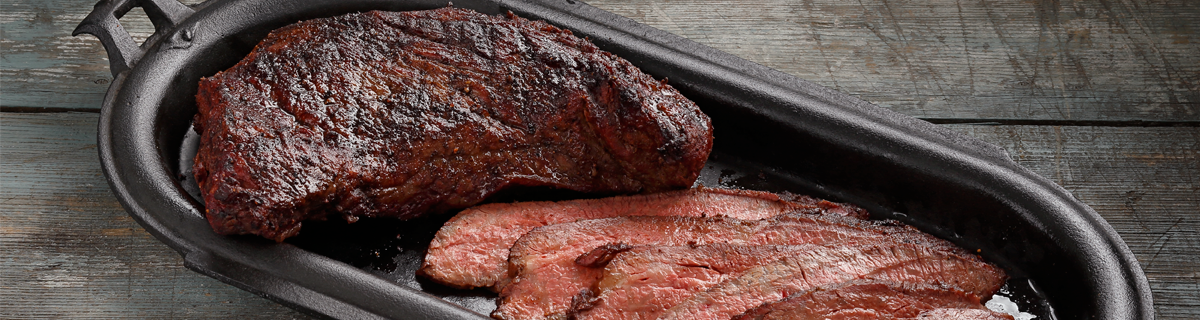
If you’ve ever wanted to cook a mouthwatering beef brisket on your gas grill, you’re in the right place. Imagine sinking your teeth into tender, juicy meat with a smoky flavor that rivals any barbecue joint.
It might seem tricky at first, but with the right steps, you can master this delicious dish at home. In this guide, you’ll discover simple tips and tricks to turn your gas grill into the perfect brisket cooker. Ready to impress your friends and family with your grilling skills?
Keep reading, and let’s get started!
Choosing The Right Brisket
Choosing the right brisket is key to a delicious grilled meal. The right cut and size affect cooking time and flavor. Quality meat ensures tenderness and rich taste. Understanding brisket types helps pick the best piece for your gas grill. Size matters too. It should fit your grill and serve your guests well.
Selecting Quality Meat
Pick brisket with fresh, bright red color. Look for good marbling—white streaks of fat inside the meat. Fat adds flavor and keeps the brisket juicy. Avoid meat with brown spots or a sour smell. Choose USDA Choice or Prime grades for better quality. Freshness and fat content create the best taste and texture.
Understanding Brisket Cuts
Brisket has two main parts: the flat and the point. The flat is leaner and slices well. The point has more fat and is softer. Fat melts during cooking, making the meat tender and flavorful. Some cooks prefer the whole packer brisket, which includes both parts. Knowing the difference helps match your cooking style and taste.
Sizing For Your Grill
Measure your grill space before buying brisket. Briskets range from 8 to 20 pounds. Pick a size that fits comfortably with room for smoke and heat circulation. Consider the number of people you will serve. A 10-12 pound brisket usually feeds 6 to 8 people. Avoid overcrowding the grill to cook evenly and get the best results.
Preparing The Brisket
Preparing the brisket is a key part of cooking it on a gas grill. This step affects the flavor and tenderness of your meat. A well-prepared brisket will cook evenly and taste delicious. It starts with trimming fat, then applying seasoning, and sometimes marinating to enhance flavors.
Trimming Excess Fat
Trim the thick fat cap on the brisket to about 1/4 inch. Too much fat can cause flare-ups on the grill. Too little fat may dry out the meat during cooking. Use a sharp knife to remove large chunks of fat. Leave a thin layer to keep the brisket moist.
Applying A Dry Rub
Use a dry rub to add flavor and form a tasty crust. Mix salt, pepper, garlic powder, and paprika for a simple rub. Coat the entire brisket evenly with the rub. Pat the rub into the meat to help it stick. Let the brisket sit for at least 30 minutes before grilling.
Marinating Tips
Marinating can boost the brisket’s flavor and tenderness. Use a mixture of oil, vinegar, and spices for a good marinade. Place the brisket in a zip-lock bag or container with the marinade. Refrigerate for 4 to 12 hours for best results. Remove the brisket from the marinade and pat dry before grilling.
Setting Up The Gas Grill
Setting up your gas grill correctly is crucial for cooking a tender and flavorful beef brisket. This process ensures even cooking and helps you achieve that smoky taste without the need for a traditional smoker. Let’s dive into how to prepare your grill for the best results.
Arranging For Indirect Heat
Start by turning on only one or two burners on your gas grill, leaving the others off. This creates a cooler zone where the brisket can cook slowly without burning. Place a drip pan under the grill grates on the side with no flames to catch fat drippings and prevent flare-ups.
Position your brisket over the unlit side of the grill. This indirect heat setup allows the meat to cook evenly over several hours. Have you noticed how direct heat often chars the outside before the inside cooks? Avoid that by mastering indirect heat.
Controlling Temperature
Maintaining a consistent temperature between 225°F and 275°F is key for a juicy brisket. Use your grill’s built-in thermometer or an external grill thermometer to monitor heat precisely. Adjust the burners to keep the temperature steady throughout the cook.
If the grill heats up too much, slightly close the lid vents or lower the burner flame. Too low? Open vents or increase the flame. This balance can seem tricky at first, but watching your grill’s behavior closely will help you learn fast.
Using Wood Chips For Smoke
Add wood chips to bring authentic smoky flavor to your brisket. Soak the chips in water for at least 30 minutes before grilling to prevent quick burning. Wrap the soaked chips in aluminum foil, poke holes in the foil, and place the packet on the lit burner.
Different woods produce distinct flavors—hickory adds strong smoke, while applewood offers a milder, sweet aroma. Have you tried experimenting with wood types? It can dramatically change your brisket’s taste and might become your signature touch.

Credit: www.reddit.com
Cooking Process
Cooking a beef brisket on a gas grill requires careful steps. Each step ensures delicious, tender results. Let's dive into the cooking process.
Placing The Brisket On The Grill
Start with a clean grill to avoid old flavors. Preheat the grill to 225°F. Use indirect heat to cook the brisket slowly. Place the brisket fat-side up on the cooler side of the grill. This allows the fat to melt, adding moisture and flavor. Close the lid to maintain even cooking.
Maintaining Consistent Heat
Keep the grill temperature steady at 225°F. This ensures slow, even cooking. Use the grill's built-in thermometer to monitor heat. Adjust the burners if needed to maintain the temperature. Avoid lifting the lid too often. This helps keep the heat inside.
Monitoring Internal Temperature
Insert a meat thermometer into the thickest part of the brisket. Aim for an internal temperature of 195°F to 205°F. This range ensures tenderness. Check the temperature every hour. Remove the brisket once it reaches the desired temperature. Let it rest before slicing to keep the juices inside.
Wrapping And Resting
Wrapping and resting are crucial stages in cooking a beef brisket on a gas grill. They help lock in moisture and develop tender, juicy meat. Skipping or rushing these steps can leave your brisket dry or tough, so pay close attention to timing and technique.
When To Wrap The Brisket
You should wrap your brisket once it hits an internal temperature of about 160°F (71°C). This usually happens after several hours of smoking or grilling. Wrapping at this point helps push the meat through the “stall,” where the temperature plateaus due to moisture evaporation.
Waiting too long to wrap can dry out the brisket’s surface. Wrapping too early might create a steamed texture rather than a crispy bark. Have you noticed your brisket’s bark getting soggy? Timing the wrap correctly can prevent that.
Choosing Wrapping Materials
Common wrapping materials include aluminum foil and butcher paper. Foil traps all the moisture, speeding up cooking and creating a softer bark. Butcher paper lets the meat breathe, preserving a firmer bark and slightly smoky flavor.
I usually prefer butcher paper for a perfect bark, but foil works well if you want to finish faster. Consider your grill’s heat and how much bark you like when choosing. What texture do you prefer for your brisket’s outer layer?
Resting Time And Techniques
Resting allows juices to redistribute evenly throughout the meat. Wrap your brisket in a towel and place it in a cooler or an insulated container for at least 1 hour. This step prevents juices from spilling out when you slice the meat.
Don’t rush resting—it’s as important as cooking. A brisket rested too briefly might lose moisture, while resting too long can cool it down excessively. Experiment with resting times to find what works best for your brisket and grill setup.

Credit: www.youtube.com
Serving Suggestions
Serving a beef brisket cooked on a gas grill involves more than just placing it on a plate. Presentation and preparation after cooking can enhance the flavor and texture. Proper slicing and pairing with sides make the meal enjoyable. Also, knowing how to store leftovers keeps the brisket fresh for later meals.
Slicing Against The Grain
Always slice brisket against the grain. This means cutting perpendicular to the muscle fibers. Doing so makes the meat more tender and easier to chew. Use a sharp knife and cut thin slices for the best results. Thick cuts can be tough and chewy.
Pairing With Side Dishes
Brisket pairs well with simple, hearty sides. Consider classic options like:
- Coleslaw for a crunchy, tangy contrast
- Baked beans for a sweet and smoky flavor
- Grilled vegetables to keep the smoky theme
- Mashed potatoes for creamy comfort
- Cornbread to add a slightly sweet touch
Choose sides that balance the rich taste of brisket. Keep the flavors complementary and not overpowering.
Storing Leftovers
Cool the brisket before storing to keep it fresh. Wrap it tightly in foil or use an airtight container. Store in the refrigerator for up to four days. For longer storage, freeze the brisket in portions. Reheat gently to avoid drying out the meat.
Troubleshooting Tips
Cooking beef brisket on a gas grill takes patience and care. Problems can happen during cooking. Knowing how to fix common issues helps keep the brisket juicy and tasty. These tips solve frequent problems. They make the grilling process smoother and more enjoyable.
Avoiding Dry Brisket
Dry brisket means losing flavor and texture. Keep the grill temperature low, around 225°F to 250°F. Use a water pan inside the grill to add moisture. Wrap the brisket in foil or butcher paper after a few hours. This traps juices and stops drying. Baste the meat occasionally to keep it moist.
Fixing Overcooked Meat
Overcooked brisket is tough and chewy. Slice the meat thinly against the grain to make it easier to eat. Use a sauce or gravy to add moisture. Let the brisket rest for at least 30 minutes before cutting. Resting helps the juices spread evenly throughout the meat.
Managing Flare-ups
Flare-ups cause burnt spots and uneven cooking. Keep a spray bottle of water nearby to control flames. Move the brisket to a cooler part of the grill if flames get too high. Trim excess fat before cooking to reduce drips. Close the grill lid to limit oxygen and control flare-ups.

Credit: www.goldenscastiron.com
Frequently Asked Questions
How Long Does It Take To Cook Beef Brisket On A Gas Grill?
Cooking beef brisket on a gas grill typically takes 4 to 6 hours. Maintain a steady temperature of 225°F to 250°F for best results. Use indirect heat and monitor internal temperature until it reaches 195°F for tender meat.
What Temperature Is Best For Grilling Beef Brisket?
The ideal grilling temperature for beef brisket is between 225°F and 250°F. This low and slow cooking method ensures the brisket becomes tender and juicy. Avoid high heat to prevent drying out or burning the meat.
Should I Wrap Brisket While Cooking On A Gas Grill?
Yes, wrapping brisket in foil or butcher paper halfway through cooking helps retain moisture. It speeds up the cooking process and prevents the meat from drying out. Unwrap during the last 30 minutes for a crispy bark.
How Do I Know When Beef Brisket Is Fully Cooked?
Beef brisket is fully cooked when its internal temperature reaches 195°F to 205°F. Use a meat thermometer to check doneness. The meat should feel tender and pull apart easily with a fork.
Conclusion
Cooking beef brisket on a gas grill takes patience and care. Keep the temperature steady and use indirect heat. Check the meat often to make sure it stays juicy and tender. Rest the brisket before slicing to keep flavors locked in.
Enjoy your delicious, home-cooked meal with friends or family. Practice makes perfect, so try again and learn from each cook. Grilling brisket can be simple and fun with the right steps. Your gas grill can deliver tasty results every time.