If you’ve ever wanted to master the art of cooking a tender, juicy beef brisket right on your gas grill, you’re in the right place. Cooking brisket can seem tricky, but with the right steps, you’ll impress your friends and family with mouthwatering results every time.
Imagine slicing into a perfectly smoky, flavorful brisket that melts in your mouth. In this guide, you’ll discover simple techniques and tips that make the whole process easier than you think. Ready to turn your grill into a brisket powerhouse?
Let’s dive in and make your next cookout unforgettable.
Choosing The Right Brisket
Choosing the right brisket sets the stage for a delicious meal on a gas grill. The cut you pick affects flavor, texture, and cooking time. Understanding brisket types and size helps you select the best piece for grilling success.
Types Of Brisket Cuts
Brisket has two main parts: the flat and the point.
- Flat Cut:Leaner, with a uniform shape. Cooks evenly and slices nicely.
- Point Cut:More fat and marbling. Offers richer flavor and tenderness.
Choose based on your taste and cooking style. Some prefer a mix of both for balance.
Size And Quality Tips
Briskets vary widely in size. Pick a size that fits your grill and guest count.
- Look for a brisket weighing between 8 to 12 pounds for most gatherings.
- Check the color; a bright red indicates freshness.
- Marbling is key. Thin veins of fat improve flavor and juiciness.
- A smooth texture without dryness or dark spots signals good quality.
Smaller briskets cook faster but may lack depth of flavor. Larger ones need more time but reward patience.
Preparing The Brisket
Preparing the brisket is the first key to a tasty gas-grilled meal. This process sets the stage for flavor and tenderness. Proper preparation helps the meat cook evenly and absorb spices well. Follow simple steps to get your brisket ready for the grill.
Trimming Excess Fat
Brisket has a thick fat layer called the fat cap. Trim it down to about 1/4 inch thick. Too much fat will cause flare-ups on the grill. Too little fat can dry out the meat. Use a sharp knife to carefully remove large fat chunks. Keep some fat for flavor and moisture.
Applying A Dry Rub
A dry rub adds flavor and creates a tasty crust on the brisket. Use a mix of salt, pepper, garlic powder, and paprika. Rub the spices evenly over the entire surface. Press the rub into the meat gently. Let the brisket sit for at least 30 minutes to absorb the flavors.
Marinating Options
Marinating can make the brisket more tender and flavorful. Use simple liquids like soy sauce, apple cider vinegar, or Worcestershire sauce. Combine these with herbs and spices of your choice. Place the brisket in a resealable bag with the marinade. Refrigerate for 4 to 12 hours for best results. Remove the meat from the marinade and pat dry before grilling.
Setting Up The Gas Grill
Setting up your gas grill correctly is essential for cooking a tender and flavorful beef brisket. It involves managing heat carefully and creating the right environment so the meat cooks slowly without drying out. Let’s look at how to prepare your grill for the best results.
Creating Indirect Heat Zones
Indirect heat is key when cooking a beef brisket on a gas grill. You want to avoid placing the brisket directly over the flame, which can cause flare-ups and uneven cooking.
To create indirect heat zones, turn on only one or two burners on your grill, leaving the others off. Place the brisket on the side where the burners are off. This setup allows the heat to circulate around the meat, cooking it slowly and evenly.
Have you noticed how direct flames can quickly char the outside while leaving the inside undercooked? Using indirect heat zones helps you avoid that problem and gives you better control.
Controlling Temperature
Maintaining a steady temperature between 225°F and 275°F is ideal for brisket. Too high, and the meat will cook too fast and dry out; too low, and it may stay in the danger zone too long.
Use your grill’s built-in thermometer to monitor the temperature, but consider adding a separate grill or meat thermometer for more accuracy. Adjust the burners as needed to keep the heat steady.
Remember to keep the grill lid closed as much as possible. Opening it frequently lets heat escape and causes temperature fluctuations. Have you tried using a water pan inside the grill? It adds moisture and helps stabilize the temperature, which can make a big difference.
Credit: www.farmison.com
Cooking The Brisket
Grilling beef brisket on a gas grill demands patience and care. Start by seasoning the brisket well and letting it rest. Set the grill to low heat, allowing for slow cooking. Keep the brisket moist by occasionally basting it. Enjoy the tender, flavorful results.
Cooking the brisket on a gas grill can transform a simple cut of beef into a mouthwatering masterpiece. The process requires patience, precision, and a little bit of know-how to ensure the brisket turns out tender and flavorful. If you're ready to impress your friends and family with your grilling skills, here's how to master the art of cooking a beef brisket on a gas grill.
Placing The Meat On The Grill
Start by preheating your gas grill to a low temperature, around 225°F. This low and slow cooking method is key for a tender brisket. Place the brisket fat-side up on the grill grates to allow the fat to render down through the meat, enhancing its flavor. If you're using a two-burner grill, turn off one burner and place the brisket on the cooler side of the grill for indirect cooking.
Maintaining Consistent Heat
Keeping a steady temperature throughout the cooking process is crucial. Use a grill thermometer to monitor the grill's internal temperature, and adjust the burners as needed to maintain 225°F. Check the temperature every hour, and resist the urge to open the grill too often, as this can cause heat fluctuations. Consistency is key, and a well-cooked brisket is worth the patience.
Using A Water Pan For Moisture
Place a water pan beneath the grill grate, directly under the brisket. This helps maintain a moist environment inside the grill, preventing the brisket from drying out during its lengthy cook. Fill the pan with water or a mixture of water and apple juice for added flavor. Refill the water pan as needed, especially during extended cooking sessions. Cooking a brisket on a gas grill might seem daunting, but the reward is a deliciously tender and flavorful piece of meat. Have you ever tried this method? What tips do you have for maintaining the perfect temperature?
Monitoring The Brisket
Monitoring the brisket on a gas grill is key to cooking it perfectly. The right temperature ensures tender, juicy meat. Paying attention to the brisket’s internal heat helps avoid overcooking or undercooking. Checking the meat regularly lets you adjust the grill settings for even cooking. A steady watch improves flavor and texture, giving a great meal every time.
Using A Meat Thermometer
A meat thermometer is the best tool for checking brisket temperature. Insert it into the thickest part, avoiding bones or fat pockets. Aim for a temperature between 195°F and 205°F for tender brisket. Digital probes give quick, accurate readings. Leave the thermometer in while grilling for real-time updates. This prevents opening the lid too often and losing heat.
Checking For Doneness
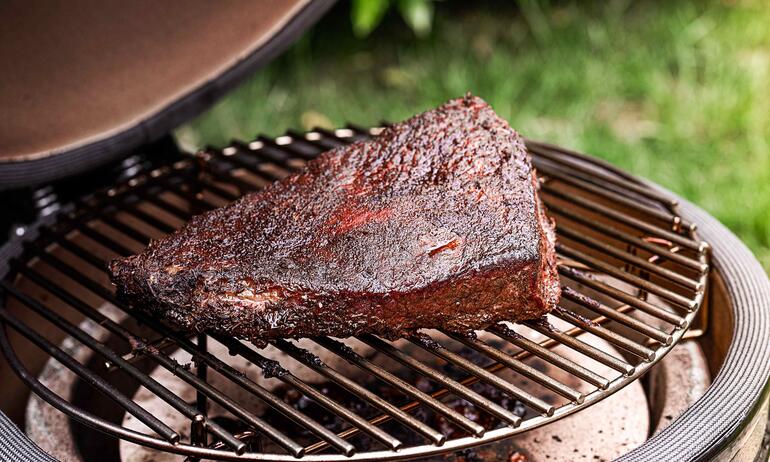
Doneness goes beyond temperature alone. The brisket should feel soft and slightly springy to the touch. Use a fork or skewer to test tenderness; it should slide in easily. Look for a dark, bark-like crust on the outside. Let the brisket rest after grilling to allow juices to redistribute. Proper doneness means juicy, flavorful meat that pulls apart smoothly.

Credit: www.youtube.com
Wrapping And Resting
Wrapping and resting are crucial steps in cooking a beef brisket on a gas grill. They help lock in moisture and improve tenderness, making your brisket juicy and flavorful. Skipping these steps can leave you with dry or unevenly cooked meat.
When And How To Wrap
Wrap your brisket once it reaches an internal temperature of about 160-170°F (71-77°C). This is usually halfway through the cooking process, when the bark has formed but the meat still needs to soften.
Use either butcher paper or heavy-duty aluminum foil for wrapping. Butcher paper allows some moisture to escape, keeping the bark crispy, while foil traps more steam, making the brisket more tender but softer on the outside.
- Place the brisket on a large sheet of your chosen wrap.
- Fold the edges tightly to seal in the juices.
- Return it to the grill, preferably over indirect heat.
Have you noticed how wrapping changes the texture? It’s like the brisket takes a second cooking stage, slowly breaking down tough fibers.
Resting Time Benefits
Resting your brisket after cooking is not optional—it's essential. Let it sit wrapped for at least 30 to 60 minutes before slicing.
During this time, the juices redistribute evenly throughout the meat. This means each bite stays moist and flavorful instead of leaking out onto your cutting board.
Resting also allows the brisket to cool slightly, making it easier to slice without shredding. Have you ever cut into a hot brisket and lost half the meat on your knife? Resting prevents that.
Serving Suggestions
Serving a beef brisket cooked on a gas grill is all about presentation and flavor balance. How you slice the meat affects its texture and taste. Pairing the brisket with the right sides and sauces enhances the meal. Thoughtful serving makes your brisket memorable and enjoyable.
Slicing Techniques
Cut the brisket against the grain to keep it tender. Use a sharp knife for clean slices. Slice the meat about ¼ inch thick. Thin slices help the meat stay juicy and easy to chew. Arrange slices neatly on a warm platter for the best look.
Complementary Side Dishes
- Classic coleslaw adds crunch and freshness.
- Baked beans bring a sweet and smoky flavor.
- Grilled corn on the cob offers a sweet, charred taste.
- Potato salad gives a creamy and cool contrast.
- Pickles cut through the richness with their tang.
These sides balance the rich, smoky brisket well. They create a complete and satisfying meal.
Sauce Pairings
- Traditional barbecue sauce is a popular choice.
- Mustard-based sauces add a sharp, tangy punch.
- Chimichurri brings fresh herbs and bright acidity.
- Horseradish cream sauce offers a spicy kick.
- Simple au jus keeps the beef flavor pure.
Serve sauces on the side to let guests choose. This adds variety and enhances the brisket’s flavor.
Troubleshooting Common Issues
Troubleshooting common issues during gas grill brisket cooking helps keep the meat juicy and flavorful. Problems like dryness, flare-ups, and timing errors can affect the final result. Knowing quick fixes saves frustration and improves your grilling skills. Below are solutions for these typical problems.
Dry Brisket Fixes
Dry brisket often means too much heat or not enough moisture. Try these tips:
- Wrap the brisket in foil or butcher paper halfway through cooking.
- Add a water pan inside the grill to maintain humidity.
- Brush the brisket with a mop sauce or beef broth during cooking.
- Let the brisket rest wrapped in a towel for 30 minutes before slicing.
Handling Flare-ups
Flare-ups happen when fat drips onto the flames. Control flare-ups by:
- Moving the brisket to a cooler part of the grill.
- Keeping a spray bottle of water nearby to gently douse flames.
- Trimming excess fat before cooking to reduce drippings.
- Using indirect heat rather than placing the meat directly over the flame.
Adjusting Cooking Time
Cooking times vary based on brisket size and grill temperature. Adjust timing by:
- Checking internal temperature with a meat thermometer; aim for 195-205°F.
- Adding more time for larger cuts or lower grill heat.
- Reducing time if the brisket cooks too quickly or the outside burns.
- Allowing resting time after cooking to let juices redistribute.

Credit: www.darksideofthegrill.com
Frequently Asked Questions
How Long Should I Cook Beef Brisket On A Gas Grill?
Cook beef brisket on a gas grill for 1 to 1. 5 hours per pound. Maintain a temperature of 225-250°F for even cooking. Use a meat thermometer to check for an internal temperature of 195-205°F for tenderness.
What Is The Best Temperature For Grilling Brisket?
The ideal temperature for grilling brisket is between 225°F and 250°F. This low and slow method ensures the meat cooks evenly and remains juicy. Avoid high heat to prevent drying out or burning the brisket.
Should I Wrap Brisket While Grilling On Gas?
Yes, wrapping brisket in foil or butcher paper after 3-4 hours helps retain moisture. It speeds up cooking and keeps the meat tender. Wrap once the brisket reaches an internal temperature of about 160°F for best results.
How Do I Prevent Brisket From Drying Out On A Grill?
Keep the grill temperature low and consistent. Use a water pan to maintain moisture in the grill. Wrap the brisket in foil or butcher paper during the cooking process to lock in juices and prevent drying.
Conclusion
Grilling a beef brisket on a gas grill takes patience and care. Keep the temperature steady and cook slowly for best results. Use a meat thermometer to check doneness. Rest the brisket before slicing to keep it juicy. Enjoy the rich, smoky flavor you create at home.
With practice, your brisket will impress family and friends every time. Try different rubs and sauces to find your favorite taste. This simple method brings delicious barbecue to your backyard.