Imagine biting into a perfectly cooked baked potato with a crispy skin and fluffy inside—all made right on your gas grill. If you’ve been sticking to the oven or microwave, you’re missing out on a simple way to add smoky flavor and easy cleanup to your meal.
You might think grilling a baked potato is tricky, but with the right steps, it’s actually quick and foolproof. Keep reading, and you’ll learn exactly how to turn your gas grill into the secret weapon for the best baked potatoes you’ve ever tasted.
Choosing The Right Potato
Choosing the right potato is key to making a great baked potato on a gas grill. The potato type affects taste, texture, and cooking time. Picking the best potato ensures a fluffy inside and a crispy skin.
Best Potato Varieties For Grilling
Some potatoes work better for grilling. Look for varieties with a starchy texture. They cook evenly and become soft inside.
- Russet potatoes – Classic choice, large and fluffy.
- Idaho potatoes – Similar to Russet, great for grilling.
- Yukon Gold – Creamy texture and buttery taste.
- Red potatoes – Waxy but can work if cooked longer.
Russet and Idaho are top picks for a traditional baked potato.
Size And Shape Considerations
Size matters when grilling a potato. Medium to large potatoes cook well without drying out. Avoid very small potatoes; they cook too fast and may dry out.
The shape should be uniform. Round or oval potatoes cook evenly. Irregular shapes might need more attention to avoid uneven cooking.
Choose potatoes similar in size for even cooking times. This makes grilling easier and results better.

Credit: grillnationbbq.com
Preparing The Potato
Preparing the potato is the first important step for a perfect baked potato on a gas grill. This process ensures the potato cooks evenly and tastes delicious. Clean potatoes help avoid dirt and unwanted flavors. Seasoning adds flavor and creates a crispy skin. Follow these simple steps for the best results.
Washing And Scrubbing
Start by rinsing the potato under cold water. Use a vegetable brush to scrub the skin gently. Remove all dirt and debris from the surface. Dry the potato with a clean towel. Clean skin helps the potato roast well and prevents grit in the bite.
Piercing And Seasoning
Use a fork to pierce the potato several times. This allows steam to escape during cooking. Rub the potato with olive oil or melted butter. Sprinkle salt evenly over the skin for extra flavor. Seasoning the skin makes it crispy and tasty. Wrap the potato in foil if desired for softer skin.
Setting Up The Gas Grill
Setting up your gas grill properly is key to cooking the perfect baked potato. It’s not just about turning the grill on; you need to control the heat and decide where to place your potato. These details make a big difference in texture and flavor.
Temperature Settings
Set your gas grill to medium heat, around 375°F to 400°F. This temperature range allows the potato to cook evenly without burning the skin.
A higher heat might cook the outside too fast, leaving the inside undercooked. Too low, and the potato will take forever to bake, risking dryness.
Use a grill thermometer if your grill doesn’t have one built-in. It helps you keep the temperature steady throughout the cooking process.
Direct Vs Indirect Heat
Decide whether to cook your potato over direct or indirect heat. Direct heat means placing the potato right above the flame, which cooks quickly but can char the skin.
Indirect heat means turning on one side of the grill and placing the potato on the other side. This method cooks the potato gently and evenly, which I find works best.
Have you ever noticed how a baked potato on indirect heat has a better fluffy inside? That’s because the slower cooking allows the starches to soften perfectly without burning.
Grilling Techniques
Mastering the grilling techniques for baked potatoes on a gas grill can transform a simple side dish into a smoky, flavorful treat. How you handle the potato before it touches the grill and where you place it can make a big difference in taste and texture. Let’s dive into the details that will help you get the perfect baked potato every time.
Wrapping In Foil Vs Unwrapped
Wrapping your potato in foil traps moisture, which steams the inside and keeps it soft. This method is great if you want a tender, almost mashed potato texture with a slightly steamed skin. However, foil wrapping can prevent the skin from getting crispy.
Grilling your potato unwrapped allows the skin to crisp up beautifully, adding a delightful crunch. You will need to watch the heat closely to avoid burning the skin before the inside is fully cooked. Which texture do you prefer—the soft skin or the crispy, smoky exterior?
Placement On The Grill
Where you put your potato on the grill affects how evenly it cooks. Placing it directly over the flame can char the skin quickly but risks undercooking the center. Instead, try placing the potato on the cooler side of the grill for indirect heat.
Indirect heat lets the potato cook slowly and evenly, similar to an oven, but with that unique grilled flavor. You can also turn the potato occasionally to ensure even cooking on all sides. Have you tried using the grill’s lid to maintain consistent heat around your potato?
Cooking Time And Doneness
Cooking a baked potato on a gas grill takes about 45-60 minutes. Turn every 15 minutes for even cooking. Check doneness by gently squeezing; a soft feel means it's ready.
Cooking a baked potato on a gas grill offers a delightful twist. The grilling process imparts a smoky flavor, enhancing the potato's natural taste. But the key lies in perfecting the cooking time and ensuring the potato is done just right. This section will guide you on how to check for doneness and how to adjust the cooking time based on potato size.
How To Check For Doneness
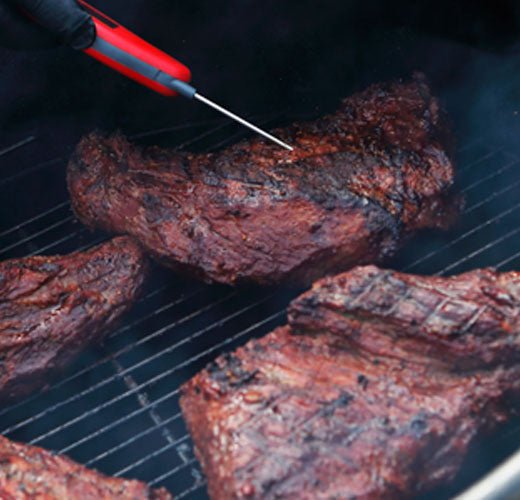
Pierce the potato with a fork or skewer. It should slide in smoothly. The skin should feel crisp, while the inside should be soft. A meat thermometer can be used for precision. Aim for an internal temperature of around 210°F (99°C). This ensures a fluffy interior.
Adjusting Time For Potato Size
The potato size affects cooking time. Larger potatoes require more time on the grill. A medium-sized potato might need about 45 minutes. Larger ones could take up to an hour. Smaller potatoes cook faster, around 30 to 40 minutes. Monitor them closely to avoid overcooking. Adjust the time as needed to achieve perfect results.
Finishing Touches
After your baked potato has cooked to perfection on the gas grill, it’s time to focus on the finishing touches. This final step transforms a simple grilled potato into a flavorful masterpiece. Paying attention here can elevate your meal and impress anyone at your table.
Adding Toppings
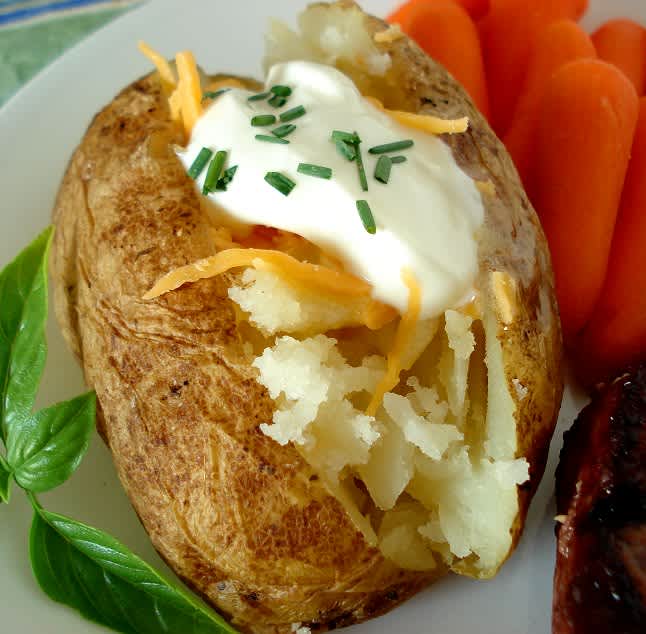
Think beyond just butter and sour cream. You can add a variety of toppings to make your baked potato more exciting and satisfying. Try crispy bacon bits for crunch or shredded cheese that melts perfectly on the warm potato.
Fresh herbs like chives or parsley add a bright pop of flavor and color. Don’t forget options like sautéed mushrooms, caramelized onions, or even a dollop of guacamole. What’s your favorite topping combo that makes a baked potato unforgettable?
Serving Suggestions
Serve your grilled baked potato alongside grilled meats or a fresh salad for a complete meal. You can slice it open and serve it as a side, or turn it into a loaded potato meal by piling on your toppings.
Consider wrapping your potato in foil after grilling to keep it warm until you’re ready to serve. This trick helps maintain the perfect texture and flavor. How do you like to present your baked potatoes for the best dining experience?
Troubleshooting Common Issues
Grilling baked potatoes on a gas grill can sometimes bring unexpected challenges. Troubleshooting common issues helps you get perfect results every time. Understanding these problems saves time and keeps your potatoes delicious.
Potatoes Not Cooking Through
Potatoes often stay hard inside if the heat is too low. Use medium heat to cook evenly. Large potatoes take longer to cook. Wrap potatoes in foil to trap heat and moisture. Turn them every 10-15 minutes to cook all sides.
Check doneness by inserting a fork. It should slide in easily without resistance. If not cooked, close the grill lid and continue cooking. Avoid opening the lid too often to keep heat steady.
Skin Too Crispy Or Too Soft
Skin texture depends on heat and moisture. For crispy skin, cook potatoes directly on the grill grate without foil. Brush skins with oil before grilling to enhance crispiness. Rotate potatoes to avoid burning spots.
Soft skin means too much moisture or foil wrapped too tight. Remove foil for last 10 minutes to dry out skin. Use dry potatoes and avoid rinsing before grilling. Pat potatoes dry with a towel to reduce moisture.

Credit: girlcarnivore.com
Credit: www.food.com
Frequently Asked Questions
How Long To Bake A Potato On A Gas Grill?
Bake a potato on a gas grill for 45 to 60 minutes. Use medium heat (around 400°F). Turn occasionally for even cooking.
Should I Wrap Potatoes In Foil Before Grilling?
Wrapping potatoes in foil helps retain moisture and cook evenly. It also prevents the skin from burning on the grill.
What Type Of Potatoes Work Best For Grilling?
Russet potatoes are best for grilling due to their starchy texture. They cook fluffy inside and crisp on the outside.
How To Check If A Grilled Potato Is Done?
Insert a fork or skewer into the potato. If it slides in easily, the potato is fully cooked and ready to serve.
Conclusion
Grilling a baked potato on a gas grill is simple and tasty. Start with clean potatoes and wrap them in foil for even cooking. Keep an eye on the heat and turn the potatoes often. In about an hour, you get a soft inside and crispy skin.
Add your favorite toppings for extra flavor. This method saves oven space and adds a smoky taste. Try it next time you grill for a quick, delicious side dish. Enjoy the easy process and great results every time.