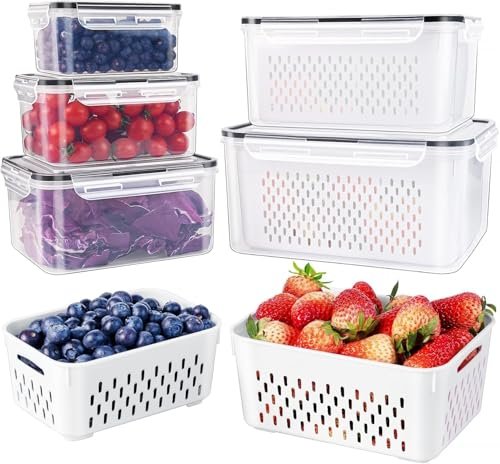
Have you ever found yourself needing extra fridge space but only have a freezer available? What if you could easily turn that freezer into a fridge without buying a new appliance?
Imagine saving money and making better use of your kitchen space with a simple trick. You will discover step-by-step how to convert your freezer into a fridge quickly and safely. Keep reading, and you’ll learn everything you need to know to make this smart change happen today.
Check Freezer Compatibility
Checking freezer compatibility is essential before converting it into a fridge. Not all freezers can function well as refrigerators. This step ensures safety and efficiency. Understanding the freezer’s type and cooling power helps make the right decision.
Identify Freezer Type
Freezers come in different types such as chest, upright, and frost-free models. Chest freezers hold cold air better but may lack temperature control features. Upright freezers often have adjustable thermostats, making conversion easier.
Check the freezer’s manual or label to know its type. Look for frost-free or manual defrost features. Frost-free models usually adapt better to fridge settings. Manual defrost freezers might need more effort to maintain fridge temperatures.
Assess Cooling Capacity
Cooling capacity is the freezer’s ability to keep temperature low. It is measured in watts or BTUs. A freezer with high cooling power may cool too much for fridge use, causing food to freeze.
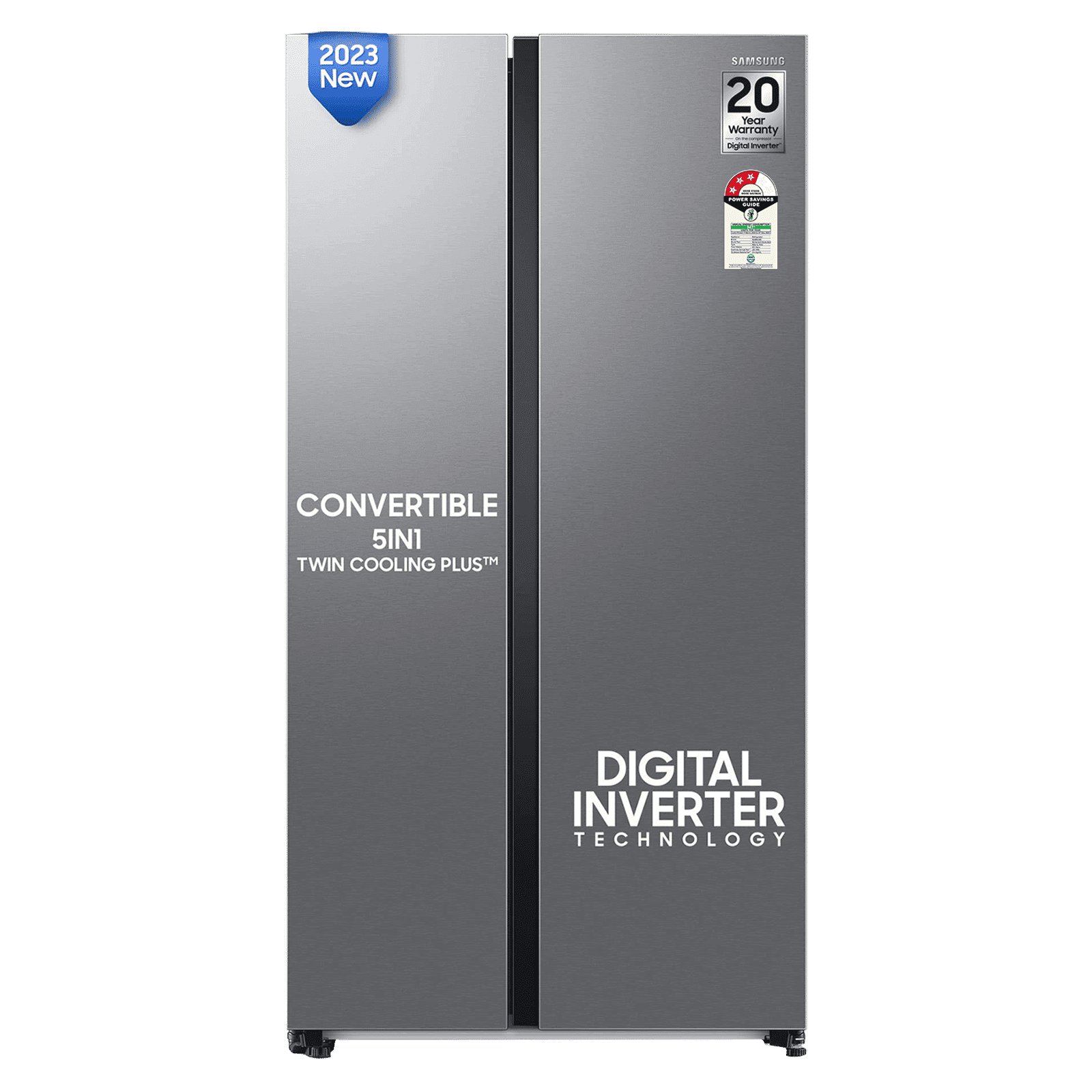
Look for a freezer with adjustable thermostat and moderate cooling power. It should maintain temperatures between 35°F and 40°F (1.5°C to 4.5°C) for fridge use. If the cooling is too strong, the appliance may not work well as a fridge.
Credit: www.tataneu.com
Adjust Temperature Settings
Adjusting the temperature settings is a crucial step when converting your freezer into a fridge. It ensures that your food stays fresh and safe without freezing. Getting the temperature right can save you from spoiled groceries and wasted money.
Locate Temperature Controls
Most freezers have temperature controls inside the unit, but they might look different from those in refrigerators. Look for a dial, slider, or digital panel near the back or inside the door. If your freezer has a digital display, you can usually find temperature settings in the menu options.
If you can't find the controls, check the user manual or search online with your freezer’s model number. Sometimes the controls are hidden behind a cover or inside a small compartment. Knowing exactly where the temperature control is will make the rest of the process much easier.
Set Ideal Fridge Temperature
The ideal fridge temperature is between 35°F and 38°F (1.7°C to 3.3°C). Setting your converted freezer within this range keeps food cool without freezing it solid. If you set it too cold, your fruits and vegetables might get frostbite; too warm, and bacteria can grow quickly.
Start by lowering the freezer’s temperature setting slightly and then check the actual temperature with an appliance thermometer after 24 hours. Adjust the dial in small increments until you find the sweet spot. Don’t rush—finding the perfect temperature can take a couple of days.
Have you ever opened a fridge only to find your milk frozen? That’s a sign the temperature is too low. Adjusting the settings carefully prevents this and helps your converted fridge work efficiently.
Modify Door Seals
Modifying the door seals is a crucial step in converting your freezer into a fridge. The seals control how well the cold air stays inside, directly affecting temperature and energy use. If the seals are damaged or not suited for fridge temperatures, your appliance won’t work efficiently.
Inspect Existing Seals
Start by checking the current door seals for cracks, gaps, or stiffness. These signs mean the seals may not close tightly, allowing cold air to escape. Press around the edges and see if the seal feels firm and flexible, not brittle.
Look for dirt or debris stuck in the seal groove, which can prevent a proper seal. Cleaning this area can sometimes improve the seal’s effectiveness without needing a replacement. Have you noticed frost buildup around your door? That’s often a sign your seals aren’t working well.
Replace Or Adjust Seals
If the seals are worn out, consider replacing them with ones designed for fridge temperatures. Freezer seals are usually colder and might not perform well once the appliance runs warmer. You can order replacement gaskets online or at appliance stores.
Sometimes, just adjusting the seal tension or repositioning it can solve the problem. Try gently pulling the seal out and pushing it back in place to improve the fit. Tighten any screws or clips holding the seal if they’re loose.
Remember, a tight seal reduces your energy bill and keeps food fresh longer. Have you ever ignored a faulty seal and ended up with spoiled groceries? Don’t let that happen—check those seals carefully before switching your freezer to a fridge.
Rearrange Shelving
Shelves inside the freezer need rearranging to fit fridge items better. Adjust shelf height for easy storage and improved airflow. This simple step helps create space and keeps food organized in the converted fridge.
Rearranging the shelving in your converted freezer is crucial. It allows for efficient use of space. It helps transform your freezer into a functional fridge. This process involves removing unnecessary parts and installing new ones.
Remove Freezer Bins
Begin by taking out all freezer bins. These bins are often bulky. They occupy valuable space needed for fridge items. Removing them is easy. Simply slide them out of their slots. You might need to tilt them slightly. Make sure to clean them before storage. This step clears room for your new shelves.
Install Fridge Shelves
Next, install fridge shelves. Choose shelves that fit well. They should be sturdy and adjustable. Begin by placing the shelves into the slots. Ensure they are level and secure. Adjustable shelves offer flexibility. They let you organize items of different sizes. Proper installation maximizes storage and ensures airflow.
Optimize Airflow
Optimizing airflow is vital when converting a freezer to a fridge. Proper airflow helps maintain even temperatures. It prevents hot or cold spots inside the appliance. Good airflow reduces energy use and keeps food fresh longer. To achieve this, focus on clearing vent blockages and maintaining proper ventilation.
Clear Vent Blockages
Check all vents inside the freezer. Remove any food items blocking airflow paths. Dust and debris can also clog vents. Use a soft brush or cloth to clean vents gently. Keep vents clear to allow cold air to circulate freely. This simple step improves cooling efficiency.
Maintain Proper Ventilation
Place the appliance away from walls or objects. Leave enough space around it for air to flow. Avoid stuffing the fridge or freezer too full. Overcrowding blocks vents and stops air movement. A well-ventilated space helps the compressor work better. It also prevents overheating and extends the appliance’s life.
Credit: www.tataneu.com
Monitor Cooling Performance
Monitoring the cooling performance is key to successfully converting a freezer into a fridge. This step ensures that the temperature stays in the right range for safe food storage. It helps avoid spoilage and keeps your food fresh longer.
Consistent checks help detect any cooling issues early. This way, you can make adjustments before problems worsen. Careful monitoring also improves energy efficiency and prevents waste.
Use Thermometer For Accuracy
A reliable thermometer gives you precise temperature readings inside the converted fridge. Place it in the middle shelf for the most accurate measure. Digital thermometers with clear displays work best.
Check the temperature several times a day at first. The ideal fridge temperature is between 35°F and 38°F (1.7°C to 3.3°C). Avoid letting it drop below 32°F (0°C), which causes freezing.
Keep a log of temperature readings to track any fluctuations. This record helps you understand how well the fridge maintains coolness over time.
Adjust Settings As Needed
Use the temperature control dial or digital panel to adjust cooling. Turn the settings slightly warmer if the fridge gets too cold. Lower the temperature if it stays too warm.
Make small changes and give the fridge time to stabilize before checking again. Sudden large adjustments can cause temperature swings and stress the appliance.
Also, ensure the door seals tightly. Warm air entering can affect cooling and cause inconsistent temperatures.
Energy Efficiency Tips
Converting a freezer to a fridge can save space and money. Energy efficiency is key to keeping costs low. Simple habits and regular care help your appliance run smoothly. These tips keep your fridge cold without wasting power.
Keep Door Closed
Open the door only when needed. Cold air escapes quickly. This makes the fridge work harder. Check the door seal for tight closure. A good seal keeps cold air inside. Avoid leaving the door open for long.
Regular Maintenance
Clean the coils at least twice a year. Dusty coils reduce cooling efficiency. Defrost the freezer part fully before converting. Remove any ice buildup inside. Check the gasket for cracks or damage. Replace worn parts to keep it airtight. Regular checks prevent energy waste and extend appliance life.

Credit: www.youtube.com
Frequently Asked Questions
How Can I Convert My Freezer Into A Fridge?
To convert a freezer to a fridge, adjust its temperature control to 35-40°F. This warms the interior, making it suitable for fresh food storage instead of freezing.
Is It Safe To Use A Freezer As A Refrigerator?
Yes, using a freezer as a fridge is safe if temperature is set correctly. Ensure it stays between 35-40°F to prevent spoilage and maintain food safety.
What Temperature Should A Converted Freezer Be Set To?
Set the converted freezer’s temperature between 35°F and 40°F. This range keeps food fresh without freezing or causing bacterial growth.
Will Converting A Freezer To Fridge Affect Energy Consumption?
Converting a freezer to a fridge may increase energy use slightly. Running at higher temperatures makes the compressor work differently but usually remains efficient.
Conclusion
Converting a freezer to a fridge saves money and space. The steps are simple and clear. You only need basic tools and patience. Check temperature settings carefully to keep food fresh. Remember to clean the appliance well before use. Small changes make a big difference in your kitchen.
Try this easy project and enjoy the extra fridge space. It’s a smart way to reuse your old freezer. Give it a shot and see how it works for you.