
Is your refrigerator leaking water or smelling unpleasant? The problem might be a clogged drain tube.
Cleaning your refrigerator drain tube is easier than you think, and doing it can save you from costly repairs and spoiled food. In this guide, you'll discover simple steps to clear out that drain tube and keep your fridge running smoothly.
Keep reading—you’ll be surprised how quickly you can fix this common issue yourself!

Credit: www.reddit.com
Signs Of A Clogged Drain Tube
Recognizing the signs of a clogged refrigerator drain tube early can save you from bigger problems down the line. A blocked drain prevents water from flowing out properly, which leads to issues inside your fridge and freezer. Keep an eye out for these clear signals that your drain tube needs cleaning.
Water Pooling Inside Fridge
If you notice water collecting at the bottom of your fridge, it’s a strong indication the drain tube is clogged. This water can come from condensation or defrost cycles that aren’t draining properly. Have you ever opened your fridge and felt a wet puddle? That’s your fridge telling you it needs some attention.
Unpleasant Odors
Stagnant water trapped in a clogged drain tube becomes a breeding ground for bacteria and mold. This causes unpleasant smells that can spread throughout your fridge. If your fresh groceries start smelling off or there’s a musty odor, check the drain tube before the smell worsens.
Ice Buildup In Freezer
A blocked drain tube can cause water to freeze where it shouldn’t, leading to ice buildup inside the freezer. This ice can reduce your freezer’s efficiency and take up valuable space. Have you found unexpected ice chunks or frost patches? That’s a red flag signaling a drainage problem.
Credit: www.temu.com
Tools Needed For Cleaning
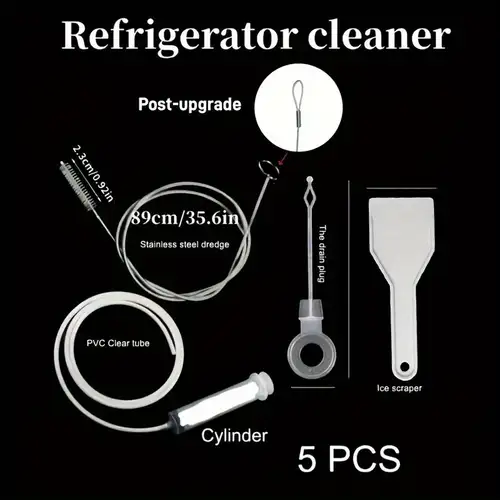
Cleaning a refrigerator drain tube needs specific tools. These tools help remove clogs and keep the drain clear. Using the right items makes the task easier and faster. Some tools are common in most homes. Others are made for this cleaning job.
Basic Household Items
- Warm water: Helps dissolve dirt and debris inside the tube.
- Baking soda: Acts as a gentle cleaner and deodorizer.
- Vinegar: Breaks down buildup and kills bacteria.
- Pipe cleaner or flexible brush: Clears out small blockages.
- Cloth or sponge: Wipes spills and cleans around the drain area.
- Bucket or bowl: Catches water and debris during cleaning.
Specialized Cleaning Tools
- Drain snake: A thin, flexible tool that removes tough clogs deep inside.
- Wet/dry vacuum: Sucks out water and debris from the tube.
- Compressed air canister: Blows out dirt stuck in the drain pipe.
- Tube cleaning brush: Designed to fit narrow pipes for thorough cleaning.
Preparing The Refrigerator
Preparing the refrigerator before cleaning the drain tube is essential. This step ensures safety and makes the cleaning process easier. Taking time to clear the area and unplug the appliance helps avoid accidents and damage.
Unplugging The Appliance
Always unplug the refrigerator before starting any cleaning. This action cuts off the power supply. It prevents electric shocks and protects the appliance from short circuits. Safety comes first.
Removing Food And Shelves
Empty the fridge by taking out all food items. Store perishable goods in a cooler to keep them fresh. Next, remove the shelves carefully. This creates space and allows better access to the drain tube. Clean shelves separately for best results.
Locating The Drain Tube
Locating the refrigerator drain tube is the first step in cleaning it effectively. This tube helps drain water from the fridge to prevent leaks and ice build-up. Knowing where to find it saves time and effort during maintenance.
Common Drain Tube Positions
The drain tube usually sits at the back or bottom of the fridge. Most models place it near the freezer section or under the vegetable drawer. It often connects to a small hole inside the fridge where water collects.
- Behind the lower back panel
- Underneath the crisper or vegetable drawers
- Near the freezer compartment’s bottom
Look for a small plastic or rubber tube. It may run from inside the fridge to the drain pan below.
Accessing Hidden Areas
Some drain tubes hide behind panels or insulation. You might need to remove shelves or drawers to see them. Use a flashlight to spot dark or tight spaces.
- Remove drawers carefully
- Unscrew back or bottom panels if needed
- Check under the fridge for the drain pan connection
Handle parts gently to avoid damage. Cleaning becomes easier once the tube is visible and reachable.
Step-by-step Cleaning Process
Cleaning your refrigerator drain tube is essential for maintaining efficiency. A clogged drain tube can cause leaks or unpleasant odors. Follow this step-by-step guide to clean it effectively.
Clearing Debris With Warm Water
Start by unplugging your refrigerator. Locate the drain tube, usually found at the back. Use a turkey baster to squirt warm water into the tube. This helps to loosen any debris. Repeat a few times for best results.
Using A Pipe Cleaner Or Brush
Next, insert a pipe cleaner or a small brush into the drain tube. Gently push the cleaner through the tube. This action dislodges stubborn debris. Pull the cleaner out and rinse it with warm water.
Flushing With A Mild Solution
Prepare a mild solution of water and vinegar. Use a funnel to pour the solution into the drain tube. Allow it to sit for a few minutes. This helps to clear any remaining residue.

Credit: www.temu.com
Preventing Future Clogs
Keeping your refrigerator drain tube clear is key to avoiding leaks and funky smells. Preventing future clogs saves you time and hassle, and it’s easier than you might think. Let’s look at simple ways to keep that drain tube flowing smoothly.
Regular Maintenance Tips
Check your drain tube every few months to catch buildup early. Use a pipe cleaner or a flexible brush to gently clear any debris. Flushing the drain with warm water mixed with a bit of mild dish soap can help dissolve any grease or gunk stuck inside.
Don’t forget to clean the drip pan beneath the fridge. It collects water and can become a breeding ground for mold if neglected. Wiping it out regularly keeps everything fresh and reduces the chance of clogging.
Avoiding Common Mistakes
Many people overlook the importance of proper food storage, which can lead to excess moisture and debris entering the drain tube. Avoid placing uncovered liquids or foods that release moisture near the fridge walls.
Never use harsh chemicals or sharp tools to clear the drain tube. They can damage the tube and cause leaks. Instead, stick to gentle cleaning tools and natural cleaners like vinegar or baking soda.
Have you noticed a strange smell near your fridge lately? That’s often a sign the drain tube needs attention. Catching these signs early helps you act before a full clog develops, saving you from costly repairs.
When To Call A Professional
Knowing when to call a professional for cleaning your refrigerator drain tube can save you time, money, and frustration. While minor clogs can be handled with simple DIY methods, some issues require expert attention. Recognizing the signs that point to serious problems helps you avoid costly repairs or damage to your appliance.
Signs Of Serious Problems
Is your fridge leaking water onto the floor or inside the compartments? This could mean the drain tube is clogged beyond a simple blockage or damaged. If you notice persistent foul odors despite cleaning, it might indicate mold or bacterial buildup inside the drain system.
Another red flag is if the refrigerator’s cooling performance drops or ice builds up in the freezer unexpectedly. These symptoms often suggest drainage issues that affect the appliance’s overall function. Attempting to fix these without proper tools or knowledge can worsen the problem.
Cost Considerations
Hiring a professional might seem expensive at first, but it often saves you money in the long run. Trying to fix a deep clog or a broken drain tube yourself can lead to further damage, resulting in higher repair bills or even replacement costs.
Professionals bring specialized tools and experience, ensuring the job is done right the first time. Before you decide, ask for a quote and compare it to the potential expenses of DIY mistakes. Would you prefer a quick fix with confidence or risk turning a small issue into a big one?
Frequently Asked Questions
How Often Should I Clean My Refrigerator Drain Tube?
Clean the drain tube every 3 to 6 months. Regular cleaning prevents clogs and water leaks. It keeps your refrigerator running efficiently and avoids mold growth.
What Tools Do I Need To Clean The Drain Tube?
You need a flexible brush, warm water, and mild detergent. A turkey baster or pipe cleaner also helps to flush out debris easily.
Can A Clogged Drain Tube Cause Refrigerator Leaks?
Yes, a clogged drain tube causes water to back up and leak inside or under the fridge. Cleaning the tube prevents leaks and maintains proper drainage.
Is It Safe To Use Vinegar To Clean The Drain Tube?
Yes, vinegar is a natural cleaner that removes mold and bacteria. Dilute it with water and flush the tube to keep it clean and odor-free.
Conclusion
Cleaning your refrigerator drain tube keeps your fridge fresh and working well. Blocked tubes cause water leaks and bad smells. Regular cleaning stops these problems early. Use simple tools like a pipe cleaner or warm water. Take your time and be gentle.
A clean drain tube helps your fridge last longer. Small efforts bring big results. Keep your fridge in top shape with this easy step. It’s worth the few minutes you spend. Stay ahead and enjoy a clean, dry fridge every day.