Is your ice maker leaving you with cloudy or foul-tasting ice? Cleaning your ice maker is easier than you think, and it can make a big difference in the quality of ice you get.
When you keep your ice maker clean, you not only enjoy fresher ice but also extend the life of your machine. In this guide, you’ll discover simple steps to get your ice maker sparkling clean without any hassle. Keep reading, and you’ll learn how to do it right—quickly and effectively.

Credit: www.sloanappliance.com
Why Clean Your Ice Maker
Keeping your ice maker clean is more important than you might think. It’s not just about having clear, fresh ice but also about protecting your health and saving money in the long run. Let’s look at why regular cleaning should be a non-negotiable part of your appliance care routine.
Health Risks Of Dirty Ice Makers
Dirty ice makers can become breeding grounds for bacteria, mold, and other harmful microorganisms. These contaminants can mix with your ice, posing health risks every time you use it. Have you ever noticed a strange smell or taste in your ice? That could be a sign of hidden germs.
Ignoring this can lead to illnesses or allergic reactions, especially if you or your family have sensitive immune systems. Cleaning removes these dangers, giving you peace of mind with every chilled drink.
Improving Ice Taste And Quality
Ice that tastes off or looks cloudy usually means your ice maker needs cleaning. Mineral deposits and leftover food particles can affect the clarity and flavor of your ice. You want your ice to enhance your beverages, not ruin them.
Regular cleaning ensures your ice is fresh, clear, and free from unpleasant odors. Imagine serving guests ice that looks and tastes perfect every time—cleaning makes that possible.
Extending Appliance Lifespan
Your ice maker works hard to keep your drinks cold, but buildup of scale and debris can strain its components. This extra workload can cause breakdowns and shorten the life of your machine. Have you ever had to replace an appliance sooner than expected? Often, neglecting maintenance is why.
By cleaning your ice maker regularly, you prevent damage and keep it running smoothly for years. This simple task can save you money on repairs and replacements in the future.

Credit: www.reddit.com
Tools And Supplies Needed
Cleaning your ice maker requires the right tools and supplies. This ensures the process is safe and effective. Using proper items avoids damage and keeps your ice fresh.
Gathering everything beforehand saves time and effort. It also helps maintain your ice maker’s performance over time.
Cleaning Solutions And Alternatives
- White vinegar: A natural cleaner that removes mineral buildup.
- Mild dish soap: Effective for general cleaning and grease removal.
- Baking soda: Helps eliminate odors and gently scrubs surfaces.
- Commercial ice maker cleaner: Designed specifically for ice machines.
- Distilled water: Prevents mineral deposits during rinsing.
Essential Cleaning Tools
- Soft cloths or microfiber towels: For wiping and drying.
- Soft-bristle brush: Removes dirt without scratching surfaces.
- Spray bottle: For easy application of cleaning solutions.
- Measuring cup: To mix cleaning solutions accurately.
- Bucket or container: Holds water or cleaning mixtures.
Safety Equipment
- Rubber gloves: Protect hands from cleaning chemicals.
- Eye protection: Shields eyes from splashes.
- Mask: Prevents inhaling fumes from cleaners.
- Non-slip shoes: Keep you steady during cleaning.
Preparing The Ice Maker
Begin by unplugging the ice maker to ensure safety. Remove any ice and water from the machine before cleaning. This prepares the unit for thorough and effective cleaning.
Cleaning your ice maker might seem like a daunting task, but with some preparation, you can make the process smooth and efficient. Ensuring your ice maker is clean not only guarantees fresh ice but also extends the life of your machine. Before diving into the cleaning process, it's crucial to prepare your ice maker properly. Let's explore the essential steps to get your ice maker ready for cleaning.
Turning Off And Unplugging
The first step is to ensure safety. Turn off your ice maker to prevent any accidents. Unplugging the machine is equally important, as it eliminates any risk of electrical shock. This simple action sets the stage for a thorough cleaning without any interruptions.
Removing Ice And Water
Next, clear out any remaining ice and water. Empty the ice bin completely to avoid a watery mess during cleaning. Drain any water from the reservoir. This not only makes cleaning easier but also prevents any residual water from freezing and causing issues later.
Disassembling Removable Parts
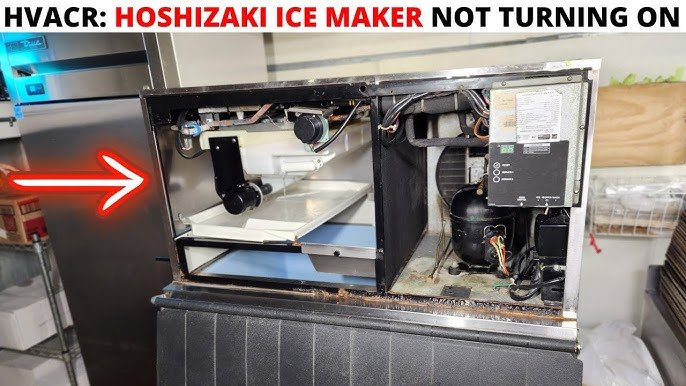
Identify all removable parts of your ice maker. This could include trays, the ice bin, and any filters. Carefully disassemble these parts for a more effective clean. This approach allows you to reach hidden areas where dirt and grime often accumulate. As you prepare your ice maker, consider how often you perform this maintenance. Could regular cleaning become a part of your routine to ensure consistent ice quality? With these steps, you're well on your way to maintaining a pristine ice maker.

Credit: m.youtube.com
Step-by-step Cleaning Process
Cleaning your ice maker regularly keeps it working well and ensures clean ice. Follow each part carefully to make your ice fresh and tasty. This process removes dirt, mold, and bacteria that can build up inside your machine.
Cleaning The Ice Bin And Tray
First, unplug the ice maker to stay safe. Remove the ice bin and tray from the machine. Empty all the ice and water inside. Wash the bin and tray with warm water and mild soap. Use a soft cloth or sponge to scrub gently. Rinse well to remove soap residue. Dry completely with a clean towel before putting them back.
Wiping Internal Surfaces
Open the ice maker’s lid to access the inside. Use a soft cloth dampened with warm water to wipe the walls and corners. Avoid harsh chemicals that can damage parts. Pay attention to areas with visible dirt or stains. Dry the surfaces using a clean cloth. Ensure no moisture remains to stop mold growth.
Sanitizing Water Lines And Filters
Water lines and filters carry the water for ice, so keep them clean. Follow the manufacturer’s instructions to remove filters safely. Soak filters in a mixture of water and vinegar for about 15 minutes. Rinse thoroughly with clean water. Flush the water lines by running fresh water through the machine. This clears out buildup and kills germs. Replace filters as recommended for best results.
Reassembling And Testing
After cleaning your ice maker, putting it back together correctly and making sure it runs smoothly is crucial. This part ensures your appliance works efficiently and produces clean, fresh ice. Let’s look at how to reassemble and test your ice maker for the best results.
Reattaching Components
Start by carefully putting each part back in its place. Check that all seals, trays, and filters are snug and secure to avoid leaks or malfunctions.
Use your photo or notes taken before disassembly to guide you. If any parts don’t fit easily, don’t force them; double-check alignment and connections instead.
Running A Cleaning Cycle
Once reassembled, run a cleaning cycle if your ice maker has one. This helps flush out any remaining residues and ensures internal parts are sanitized.
If your model lacks a specific cycle, simply run a couple of ice-making cycles and discard the first batches. This clears out any leftover cleaning solution or debris.
Checking Ice Quality
After a few cycles, inspect the ice cubes closely. They should be clear, odor-free, and taste fresh.
If you notice cloudiness, odd smells, or strange tastes, consider repeating the cleaning process or checking your water source. Clean ice means a healthy machine and better drinks.
Maintenance Tips For Sparkling Ice
Keeping your ice maker clean ensures fresh, clear ice every time. Proper maintenance stops dirt and bacteria from building up. Sparkling ice tastes better and looks more appealing. Follow simple tips to maintain your ice maker’s hygiene and performance.
Regular Cleaning Schedule
Set a cleaning routine for your ice maker. Clean it at least once a month. Use warm water and mild soap for the exterior parts. For internal parts, follow the manufacturer’s cleaning instructions. Remove ice and unplug the machine before cleaning. Regular cleaning prevents mineral buildup and keeps ice fresh.
Using Filtered Water
Use filtered water for making ice. Filtered water reduces impurities that cause bad taste. It also helps prevent mineral deposits inside the machine. Keep the water source clean and replace filters as needed. Clear water makes clearer, better-tasting ice cubes.
Preventing Mold And Odors
Keep the ice maker dry when not in use. Empty the ice bin regularly to avoid stale ice. Use a mixture of vinegar and water to clean mold-prone areas. Leave the door open for a while to air out the machine. Avoid strong-smelling foods near the ice maker to stop odors from absorbing.
Frequently Asked Questions
How Often Should I Clean My Ice Maker?
You should clean your ice maker every 3 to 6 months. Regular cleaning prevents mold and bacteria buildup. It also ensures fresh, clean ice and efficient machine performance.
What Materials Do I Need To Clean An Ice Maker?
Use warm water, mild detergent, and a soft cloth or sponge. Avoid harsh chemicals or abrasive tools that can damage the machine. Sanitizing solution recommended by the manufacturer is also helpful.
Can I Use Vinegar To Clean My Ice Maker?
Yes, vinegar is effective for removing mineral deposits and odors. Mix equal parts vinegar and water to clean. Rinse thoroughly afterward to avoid any vinegar taste in the ice.
How Do I Descale My Ice Maker Properly?
To descale, use a descaling solution or vinegar mix. Run the cleaning cycle if your model has one. Rinse the machine with clean water to remove any residue.
Conclusion
Cleaning your ice maker keeps ice fresh and safe to use. Regular cleaning stops bad smells and mold growth. Use gentle cleaners and soft cloths for best results. Check the machine often to catch dirt early. Clean ice makers last longer and work better.
Simple care saves you time and money later. Keep your ice cold and tasty with easy cleaning steps. Your ice maker will thank you with pure, clear ice every time.