Is your freezer showing signs of mold? It’s not just unpleasant—it can also be harmful to your health and spoil your food.
You might be wondering how to clean mold in your freezer quickly and safely. Don’t worry, you’re in the right place. You’ll discover simple, effective steps to get rid of mold and keep your freezer fresh and clean. Keep reading to protect your food and your family from mold’s hidden dangers.
Signs Of Mold In Freezer
Noticing mold in your freezer can be unsettling, but recognizing the signs early helps you act fast and keep your food safe. Mold doesn’t always appear as obvious black spots; sometimes it’s subtle and easy to miss. Paying attention to these clues can save you from bigger cleaning jobs and potential health issues.
Common Mold Spots
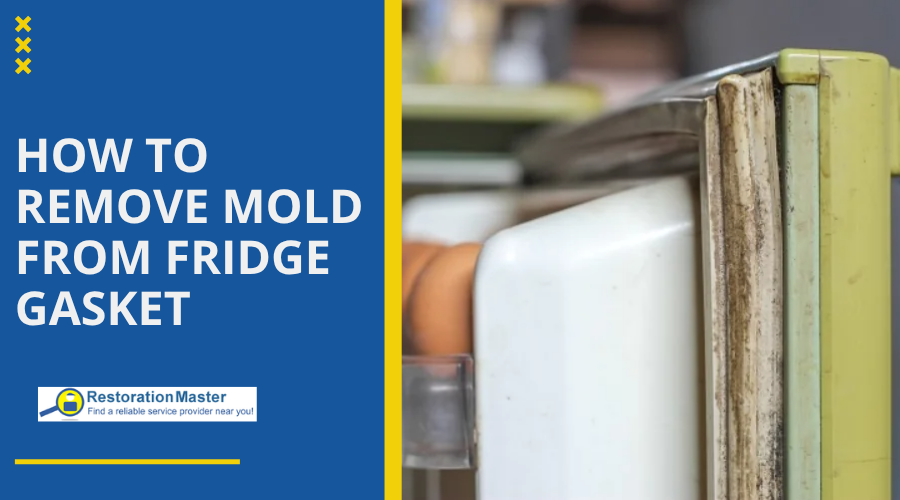
Mold often hides in damp, dark areas inside your freezer. Check the rubber door seals carefully—they tend to trap moisture and crumbs, creating a perfect mold-friendly environment. Also, inspect the corners and crevices where frost builds up; these cold, wet spots can harbor mold colonies.
Look for fuzzy patches in colors like white, green, or black on food containers or packaging. Sometimes, mold appears as slimy layers on freezer walls or shelves, especially if condensation is common. If you spot any unusual smells—musty or sour odors—it might be a hint that mold is growing out of sight.
Health Risks
Ignoring mold in your freezer can lead to health problems. Mold spores can cause allergic reactions, including sneezing, coughing, and skin irritation. For people with asthma or weakened immune systems, exposure can trigger more severe respiratory issues.
Eating mold-contaminated food isn't just unpleasant—it can cause food poisoning or infections. Are you willing to risk your family’s health over a small cleaning task? Identifying and removing mold early keeps your freezer safe and your meals healthy.
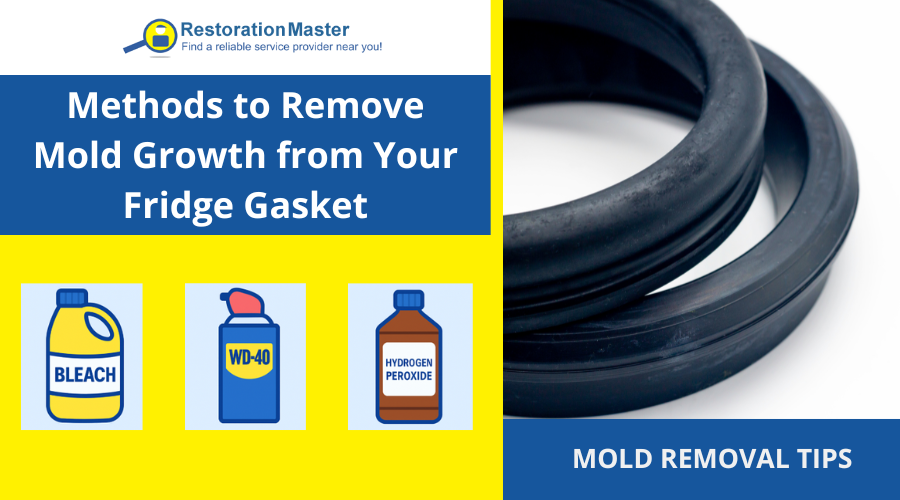
Credit: restorationmasterfinder.com
Prepare For Cleaning
Preparing to clean mold in your freezer is essential to ensure the process goes smoothly and safely. Taking the time to gather the right supplies and following safety precautions can save you a lot of hassle and protect your health. Have you ever started a cleaning task only to realize you’re missing key items? Avoid that frustration by preparing properly.
Gathering Supplies
Start by collecting all the materials you’ll need. This includes:
- Rubber gloves to protect your hands from mold and cleaning agents
- A mask to avoid inhaling mold spores
- Soft cloths or sponges for wiping surfaces
- A spray bottle filled with a mixture of water and white vinegar or a commercial mold cleaner
- A bucket of warm, soapy water for rinsing
- A scrub brush for tougher mold spots
- Paper towels for drying the area after cleaning
Having everything ready will make your cleaning efficient and less stressful. It also helps you avoid unnecessary trips to the store mid-cleaning.
Safety Precautions
Mold can cause allergic reactions and respiratory problems, so protecting yourself is critical. Always wear gloves and a mask before you start cleaning to minimize skin contact and prevent breathing in spores.
Ensure your workspace is well-ventilated. Open windows or turn on a fan to keep air circulating and reduce exposure to mold particles.
If you have asthma or mold allergies, consider asking someone else to help or take extra precautions. Your health should always come first during this task.
Remove Food And Defrost
Removing food and defrosting are crucial first steps when you spot mold in your freezer. Mold thrives in cold, damp environments, so clearing out the space lets you tackle the problem effectively. Before you start cleaning, you need a clear freezer to work with and a way to melt the ice safely.
Emptying The Freezer
Start by taking everything out of your freezer. Check the food carefully—any items with visible mold should be thrown away immediately. Mold spores can spread, so don’t risk keeping questionable food.
Place the safe-to-keep items in a cooler with ice packs. This keeps your food cold while you clean. Have you ever lost a whole freezer load because you didn’t have a backup plan? Keeping a cooler ready can save you from that hassle.
Defrosting Methods
Defrosting the freezer is key to removing mold hidden in ice buildup. You can leave the door open and let the ice melt naturally, but that takes time. Speed up the process by placing bowls of hot water inside and closing the door to trap steam.
Another option is using a hairdryer on a low setting to melt ice carefully. Be cautious to avoid water contact with electrical parts. Using towels to catch dripping water helps keep the floor dry and prevents slipping.
Which defrosting method fits your schedule and equipment? Picking the right one makes your cleaning easier and safer.
Credit: restorationmasterfinder.com
Cleaning Solutions For Mold
Cleaning mold in your freezer requires effective solutions that not only remove the mold but also prevent its return. Choosing the right cleaning agent is key to protecting your appliance and keeping your food safe. Let’s look at some cleaning solutions that are both practical and easy to use.
Natural Cleaners
Natural cleaners offer a safe way to tackle mold without harsh chemicals. White vinegar is a powerful option because its acidity kills most mold species. Simply spray undiluted vinegar onto the moldy area and let it sit for an hour before wiping it clean.
Baking soda is another handy ingredient. Mix a tablespoon of baking soda with water to create a paste, apply it to the mold, and scrub gently. This not only removes mold but also neutralizes odors inside your freezer.
Have you tried tea tree oil? Adding a few drops to water creates an antifungal spray that works well on mold. Its strong smell fades quickly, leaving your freezer fresh and clean.
Commercial Products
There are many commercial mold removers designed specifically for appliances. Look for products labeled safe for use on food surfaces to avoid contamination. These cleaners often contain ingredients that break down mold faster than natural solutions.
Bleach-based sprays can be very effective, but use them with caution. Always dilute bleach properly and ventilate the area well to avoid harmful fumes. Remember, bleach kills mold on the surface but doesn’t prevent regrowth, so follow up with a mold inhibitor if possible.
Some commercial products combine cleaning and deodorizing. These can save time and effort, especially if your freezer has persistent mold or odors. Have you noticed how a quick spray can make a big difference in freshness?
Step-by-step Cleaning Process
Cleaning mold from your freezer might seem daunting, but tackling it step-by-step makes the job manageable and effective. Each part of the process is designed to ensure your freezer is safe, odor-free, and ready to store food again. Let’s break down the key actions you need to take.
Scrubbing Moldy Areas
Start by unplugging your freezer and removing all food items to prevent contamination. Use a mixture of warm water and mild dish soap or a solution of equal parts water and white vinegar to soften the mold. Apply this to the affected areas with a sponge or soft brush, scrubbing gently but thoroughly.
Focus on corners, rubber seals, and crevices where mold loves to hide. Avoid harsh chemicals that might damage your freezer’s surfaces or leave harmful residues. If mold persists, a paste made from baking soda and water can provide extra cleaning power without being abrasive.
Wiping And Drying
After scrubbing, wipe down all surfaces with a clean, damp cloth to remove any remaining mold and cleaning solution. Dry the freezer completely using a dry towel or allow it to air dry with the door open for several hours. Moisture is mold’s best friend, so eliminating all dampness is critical to prevent regrowth.
Have you noticed persistent odors after cleaning? Wiping with a cloth dipped in lemon juice or placing an open box of baking soda inside can help neutralize smells. Remember, keeping your freezer dry and clean regularly saves you from bigger mold problems in the future.
Preventing Future Mold Growth
Ensure your freezer stays mold-free by cleaning it regularly. Use vinegar or baking soda to wipe surfaces clean. Keep the freezer dry and well-ventilated to prevent mold growth.
Preventing mold growth in your freezer not only protects your food but also ensures your appliance runs efficiently. While cleaning mold is essential, preventing it is equally crucial. Understanding the steps to keep mold at bay can save you time and stress in the long run. So, how can you keep your freezer mold-free?
Proper Storage Tips
To prevent mold, start with how you store your food. Always use airtight containers or heavy-duty freezer bags to keep moisture out. Moisture invites mold, so reducing its presence is key. Label your items with dates to ensure you use older items first, minimizing the risk of forgotten, mold-prone food. Avoid overpacking your freezer. Proper airflow is essential for maintaining an even temperature. This helps prevent condensation, which can lead to mold. You might wonder, are there specific foods more prone to mold? Yes, items like bread and certain fruits can mold quickly if not stored properly.
Regular Maintenance
Routine checks can make a significant difference in preventing mold. Set a reminder to clean your freezer every three to six months. This prevents debris and spills from becoming moldy over time. Inspect the door seals regularly. A tight seal keeps warm air out, maintaining the right temperature to deter mold growth. If you notice cracks or gaps, it might be time to replace them. Additionally, keep a thermometer inside your freezer. This small tool ensures your freezer stays at the ideal temperature of 0°F (-18°C) or lower. If temperatures fluctuate, it could invite mold, affecting your food and appliance efficiency. By adopting these simple strategies, you ensure a healthier, mold-free freezer environment.
When To Call A Professional
Knowing when to call a professional for mold cleaning in your freezer can save you time, stress, and potential health risks. Mold can sometimes be stubborn and dangerous, so it’s important to recognize the signs that the situation is beyond a simple DIY fix. Understanding these warning signals helps you protect your home and your health effectively.
Severe Mold Infestations
If you notice large patches of mold inside your freezer, it’s a clear sign to seek professional help. Mold that spreads quickly or covers wide areas can damage the appliance and pose health risks.
Professionals have the right tools and chemicals to remove mold safely without spreading spores. Attempting to clean severe infestations yourself might only make the problem worse.
Persistent Odors
Do you still smell a musty odor even after thorough cleaning? Persistent smells often mean mold has penetrated deeper than the surface.
Experts can identify hidden mold growth inside insulation or behind walls connected to your freezer. Ignoring these odors can lead to long-term air quality issues in your home.

Credit: www.searshomeservices.com
Frequently Asked Questions
How Do I Safely Remove Mold From My Freezer?
First, unplug the freezer and empty all items. Use a mixture of water and vinegar or baking soda to scrub mold. Wear gloves and ensure good ventilation. Dry thoroughly before plugging it back in to prevent mold return.
What Causes Mold Growth Inside Freezers?
Mold grows due to excess moisture and poor air circulation. Frequent door opening, spills, or leaks increase humidity. Warm temperatures inside the freezer also encourage mold. Regular cleaning and sealing gaps help prevent mold buildup.
Can I Use Bleach To Clean Freezer Mold?
Yes, bleach can kill mold effectively. Use one tablespoon of bleach per gallon of water. Avoid mixing bleach with ammonia or vinegar. Wipe with the solution, then rinse and dry completely for safety.
How Often Should I Clean My Freezer To Prevent Mold?
Clean your freezer every 3 to 6 months. Regular cleaning removes spills and moisture that cause mold growth. Inspect seals and remove expired food regularly to maintain hygiene and freshness.
Conclusion
Cleaning mold in your freezer keeps food safe and fresh. Act quickly to stop mold from spreading. Use simple cleaning tools and natural cleaners like vinegar. Always dry the freezer well after cleaning. Regular checks help you catch mold early.
A clean freezer saves money and avoids health risks. Stay consistent with cleaning to keep mold away. Your freezer will stay fresh and odor-free this way. Simple steps make a big difference in freezer care.