Finding mold in your freezer can be both frustrating and worrying. You might wonder how it got there and, more importantly, how to get rid of it safely.
If you want to protect your food and keep your freezer fresh, knowing the right steps to clean mold is essential. In this guide, you’ll discover simple and effective methods to tackle mold quickly and prevent it from coming back.
Keep reading to learn how you can restore your freezer to a clean, healthy state in no time.
Credit: restorationmasterfinder.com
Identifying Mold In Freezer
Mold in the freezer can be a hidden problem. It grows in cold, damp places and may spoil your food. Knowing how to identify mold early helps keep your freezer clean and safe. Mold looks different depending on its type and location.
Signs of mold include strange spots, odors, and slimy textures. These signs may appear on food packaging or inside the freezer walls. Mold can be black, green, white, or gray. Some molds have a fuzzy or powdery look.
Common Mold Colors And Textures
- Black mold:Dark spots or patches, often fuzzy.
- Green mold:Bright or dark green, sometimes slimy.
- White mold:Powdery or cotton-like texture.
- Gray mold:Dusty and spread out in patches.
Where Mold Usually Grows In Freezers
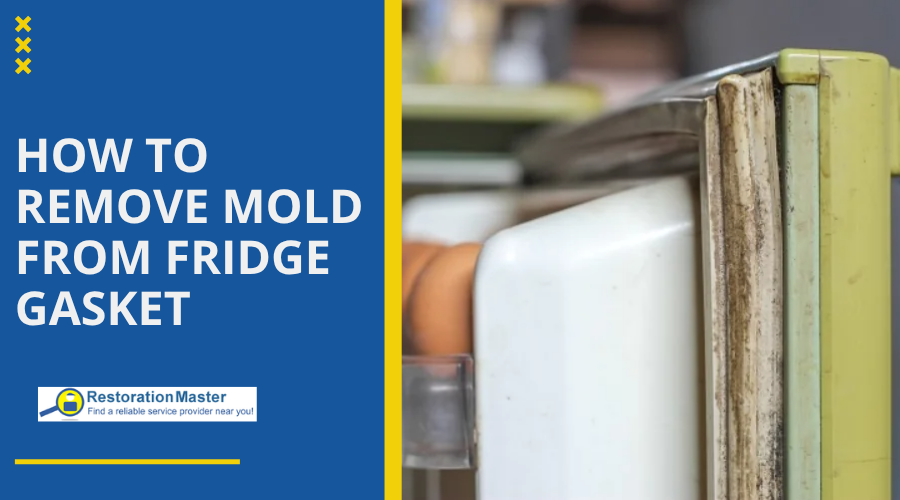
- Door seals and gaskets where moisture collects.
- Cracks and crevices inside freezer walls.
- Under or behind freezer drawers.
- On food containers with moisture buildup.
How To Detect Mold By Smell
- A musty or earthy odor inside the freezer.
- Unpleasant smell coming from frozen food.
- Stronger smell near door seals or vents.

Credit: www.reddit.com
Safety Precautions
Cleaning mold from your freezer is necessary for health and hygiene, but it’s important to prioritize safety before you start. Mold can release spores that irritate your skin, eyes, and lungs. Taking proper precautions protects you and keeps the cleanup process smooth and effective.
Protective Gear
Before you touch any moldy surfaces, gear up to shield your body. Wear rubber gloves to keep mold spores and cleaning chemicals off your skin. A mask, especially an N95 respirator, prevents you from breathing in harmful spores.
Don’t forget eye protection—goggles can stop spores and splashes from reaching your eyes. If you have long hair, tie it back to avoid contact with mold. Wearing old clothes or a disposable apron is smart because mold can cling to fabric.
Ventilation Tips
Good airflow helps reduce mold spores in the air while you clean. Open windows and doors near the freezer to let fresh air in and contaminated air out. If your kitchen has an exhaust fan, turn it on to improve ventilation.
A portable fan can also help push mold spores away from your face and out of the room. Avoid using a vacuum cleaner unless it has a HEPA filter, as regular vacuums can spread spores around. Are you ready to make your kitchen a safer place while tackling that mold?
Gathering Cleaning Supplies
Cleaning mold from your freezer requires the right supplies for safe and effective results. Preparing these items before starting saves time and effort. Gather all tools and cleaning agents to handle mold without spreading spores.
Essential Tools
- Rubber gloves to protect your hands from mold and cleaning solutions
- Face mask to avoid inhaling mold spores
- Soft cloths or sponges for gentle scrubbing
- Plastic scraper to remove stubborn mold spots without damaging surfaces
- Bucket or bowl to hold cleaning solutions
- Spray bottle for easy application of cleaning agents
- Old towels or rags to dry and wipe surfaces
Effective Cleaning Agents
- White vinegar, a natural disinfectant that kills mold spores
- Baking soda to scrub and deodorize freezer surfaces
- Dish soap mixed with warm water for general cleaning
- Hydrogen peroxide for tough mold stains and sanitizing
- Commercial mold cleaner designed for kitchen appliances (optional)

Credit: www.reddit.com
Emptying The Freezer
Emptying the freezer is the first important step to clean mold safely. It clears space for thorough cleaning and prevents mold from spreading to food. Taking out all items helps find any hidden mold spots. This process also gives a chance to check food quality and discard spoiled items.
Removing Food Items
Start by taking out every item from the freezer. Use a basket or box to carry food easily. Check each package for mold or damage. Throw away any food that looks or smells bad. Keep safe food in a cool place while cleaning. Clean containers or bags can protect food from mold spores during this time.
Temporary Storage Solutions
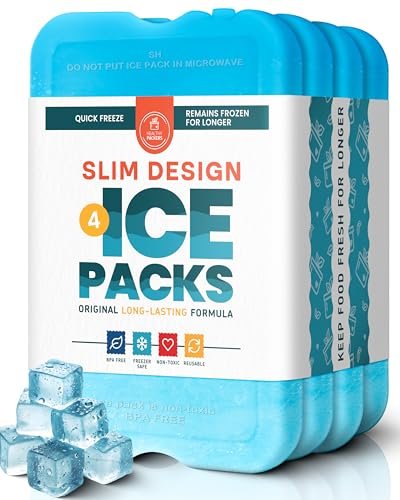
Choose a cold spot to keep food safe during cleaning. A second freezer or refrigerator works best. Ice packs or coolers can help keep food frozen for short times. Group food by type to find it easily later. Avoid leaving food out too long to stop thawing. Label containers with names and dates for quick identification.
Defrosting The Freezer
Defrosting the freezer is a crucial step before you can effectively clean mold. Ice buildup traps moisture, creating the perfect environment for mold growth. Removing this ice not only clears space but also makes wiping away mold easier and more thorough.
Powering Down
Start by unplugging your freezer to ensure safety and to stop the cooling process. Leaving it on while defrosting can be risky and slows down melting. Take this moment to remove all frozen food and store it in a cooler or another freezer to keep it fresh.
Have you checked the freezer door gasket? A worn or loose seal can cause excess frost buildup and mold growth. This small check can save you from repeated defrosting sessions.
Speeding Up Defrosting
If patience isn’t your strong suit, there are ways to speed up melting ice. Placing a pot of hot water inside the freezer and closing the door helps the steam soften the ice faster. Just be sure to keep an eye on it to avoid any water spills.
Alternatively, you can gently scrape ice off with a plastic spatula. Metal tools can damage the freezer’s interior, so avoid them. Remember, rushing too much might harm your appliance, so find a balance.
Have you tried using a fan to circulate warm air around the freezer? This simple trick can reduce defrosting time without extra effort.
Cleaning Mold From Surfaces
Mold in your freezer can be stubborn and tricky to remove. Cleaning mold from surfaces requires more than just wiping it away; you need effective techniques to get rid of spores and prevent them from returning. Paying attention to the right methods will protect your freezer and keep your food safe.
Scrubbing Techniques
Start by unplugging your freezer and removing all items. Use a mixture of warm water and mild dish soap to create a gentle cleaning solution. Dip a soft brush or sponge into the solution and scrub the affected areas thoroughly.
Focus on corners and crevices where mold often hides. Avoid harsh scrubbing tools that could damage the freezer’s surface. After scrubbing, wipe the area with a clean damp cloth to remove soap residue.
Have you noticed that mold tends to grow in overlooked spots? Make sure to check door seals and vents carefully. These spots can trap moisture and mold spores, so give them extra attention.
Spot Treatment Methods
For stubborn mold stains, a targeted approach works best. Mix equal parts of white vinegar and water in a spray bottle and apply it directly to the moldy spots. Vinegar is a natural mold killer and safe for most freezer surfaces.
Let the solution sit for 10 to 15 minutes to break down the mold. Then, scrub gently with a brush or sponge and wipe clean with a damp cloth. If vinegar isn’t strong enough, a baking soda paste (baking soda mixed with water) can also be applied to tough areas.
Did you know that some people use hydrogen peroxide as a spot treatment? It’s effective but should be tested on a small area first to avoid discoloration. Always dry the treated areas well to prevent mold from coming back quickly.
Rinsing And Drying
After scrubbing away mold from your freezer, the rinsing and drying stage is vital. This step removes cleaning residues and prevents mold from returning. Proper rinsing clears off any leftover dirt or cleaning solution. Drying stops moisture build-up, which mold loves. Follow these tips for a clean, fresh freezer.
Rinse Thoroughly
Use warm water to rinse all surfaces inside the freezer. Avoid harsh chemicals for rinsing. Focus on corners and crevices where mold hides. Wipe down with a clean cloth or sponge soaked in water. Repeat rinsing until no soap or cleaner remains. Proper rinsing keeps the freezer safe for food.
Ensure Complete Dryness
Dry all freezer parts with a clean towel or cloth. Leave the freezer door open to air dry for several hours. Use a fan to speed up drying if needed. Moisture left inside causes mold to grow back fast. Make sure no damp spots remain before closing the freezer. To maintain a fresh environment, consider removing odors from your freezer regularly. You can place an open box of baking soda inside to absorb any unpleasant smells. Additionally, keeping the freezer organized helps prevent old food from lingering and causing unwanted scents.
Preventing Future Mold Growth
Stopping mold from growing again in your freezer keeps your food safe and fresh. Mold loves damp, dirty places with warm spots. Prevent it by keeping your freezer clean and cold. Small actions daily can block mold before it starts. Follow simple steps to maintain a healthy freezer environment.
Regular Cleaning Schedule
Clean your freezer every few months. Remove all food and unplug the freezer. Use warm water and mild soap to wipe all surfaces. Dry thoroughly to remove any moisture. Check door seals and clean them well. Dirt and crumbs can hide mold spores. A clean freezer limits mold’s chance to grow.
Maintaining Optimal Temperature
Keep your freezer at or below 0°F (-18°C). This temperature stops mold from growing. Use a freezer thermometer to check often. Avoid opening the door too long or too often. Warm air inside can cause moisture buildup. Proper cold keeps food fresh and mold away.
Reorganizing The Freezer
Reorganizing the freezer helps keep it clean and mold-free. It also makes finding items faster. A tidy freezer improves air flow and reduces moisture buildup. This stops mold from growing again. Use smart storage ideas and clear labels to keep order.
Efficient Storage Tips
- Use airtight containers to keep food fresh and dry.
- Group similar items together for easy access.
- Store flat packages to save space and allow better air circulation.
- Avoid overpacking to prevent blocking vents and reduce moisture.
- Keep raw meat separate to avoid cross-contamination.
Labeling And Rotation
- Label each item with the name and date of freezing.
- Place new items behind older ones to use older food first.
- Regularly check expiration dates to discard old or spoiled food.
- Use clear bags or containers for quick identification.
- Maintain a list of contents to track what is inside.
Frequently Asked Questions
How Do I Safely Remove Mold From My Freezer?
To remove mold safely, unplug the freezer and empty it. Use a mixture of baking soda and water to scrub moldy areas. Rinse with clean water and dry thoroughly before restarting the freezer. Always wear gloves and ensure good ventilation during cleaning.
What Household Products Kill Freezer Mold Effectively?
White vinegar, baking soda, and hydrogen peroxide are effective mold killers. Vinegar disrupts mold growth, while baking soda cleans and deodorizes. Use these products diluted with water, apply to moldy spots, scrub gently, and rinse well. Avoid harsh chemicals that can damage your freezer.
How Often Should I Clean My Freezer To Prevent Mold?
Clean your freezer at least every 3 to 6 months to prevent mold. Regular cleaning removes spills and moisture, which feed mold growth. Also, check door seals and keep food properly sealed to maintain a mold-free freezer environment.
Can Mold In The Freezer Affect Food Safety?
Yes, mold in the freezer can contaminate food and affect safety. Mold spores can spread to stored food, causing spoilage and potential health risks. Discard any moldy or suspicious food immediately and clean the freezer thoroughly to ensure safety.
Conclusion
Cleaning mold from your freezer keeps food safe and fresh. Act quickly to stop mold from spreading. Use gentle cleaners and soft cloths for best results. Regular checks help catch mold early. Keep your freezer dry and organized to avoid moisture build-up.
A clean freezer lasts longer and works better. Stay consistent with cleaning to protect your health. Mold-free freezer, peace of mind. Simple steps, big difference.