You use your insulated lunch bag every day to keep your meals fresh and tasty. But have you ever stopped to think about how clean it really is?
Over time, crumbs, spills, and odors can build up, making your lunch bag less effective and even unhygienic. If you want to enjoy your meals safely and keep your lunch bag in great shape, learning how to clean it properly is key.
In this guide, you’ll discover simple, step-by-step tips that make cleaning quick and easy—so your lunch bag stays fresh and ready for every meal. Keep reading to find out how you can protect your food and your health with just a little regular care.
Materials Needed
Cleaning your insulated lunch bag doesn’t require fancy tools or harsh chemicals. Having the right materials on hand makes the process easier and ensures your bag stays fresh and odor-free. Before you start scrubbing, gather these simple items that you probably already have at home.
Soft Cloth Or Sponge
A soft cloth or sponge is gentle enough to protect the insulation and fabric. Avoid abrasive scrubbers that can damage the lining or outer material. I learned this the hard way after accidentally scratching my bag with a rough brush.
Mild Dish Soap
Choose a mild dish soap without strong fragrances or dyes. It cleans effectively without leaving behind residues that could affect your food’s taste. Harsh detergents might seem powerful but can degrade the bag’s material over time.
Warm Water
Warm water helps loosen dirt and food stains without being too hot to damage the insulation. It also activates the soap to clean better. Use enough water to create a gentle lather but avoid soaking the bag entirely.
Baking Soda (optional)
Baking soda works wonders for tackling stubborn smells or stains. Sprinkle a little inside the bag, let it sit for a few hours, then wipe clean. It’s a natural deodorizer that’s safe and effective.
Towel Or Air Drying Space
After cleaning, your lunch bag needs a dry spot to air out completely. A clean towel can speed up drying if you’re in a hurry. Avoid folding or closing the bag while it’s wet to prevent mold growth.
Empty And Prepare The Bag
Before you dive into cleaning your insulated lunch bag, it’s essential to empty and prepare it properly. This step sets the foundation for an effective clean and helps prevent lingering odors or stains. Taking a few moments to prepare your bag right can save you time and effort later.
Remove All Items And Debris
Start by taking everything out of your lunch bag—leftover food, containers, napkins, and utensils. Check every pocket and compartment to make sure nothing is left behind. Small crumbs or spilled liquids can cause stains and smells if ignored.
Check For Stains And Spills
Look closely inside the bag for any visible stains or sticky spots. Identifying these areas early lets you focus your cleaning efforts more effectively. Have you noticed any stubborn spots that might need extra attention?
Unzip And Lay The Bag Flat
Open all zippers and pockets to expose every corner of the bag. Lay it flat on a clean surface to make cleaning easier. This also helps the bag air out before you start scrubbing.
Detach Removable Parts
If your lunch bag has any removable liners or inserts, take them out now. Cleaning these separately ensures a more thorough wash. Plus, it prevents damage to any delicate materials inside the bag.
Remove Loose Debris
Removing loose debris from your insulated lunch bag is the first important step in cleaning. Small crumbs and dirt can stick to the bag's surface and inside pockets. Clearing these out makes the next cleaning steps easier and more effective. It also helps prevent stains and bad odors from settling in.
Take your time to check every corner and pocket. Loose debris includes crumbs, food bits, dust, and dirt. Removing these particles keeps your lunch bag fresh and hygienic.
Empty All Pockets And Compartments
Start by opening all zippers and pockets. Take out any leftover food, napkins, or small items. Shake the bag gently to dislodge crumbs hiding inside pockets.
Use A Handheld Vacuum Or Brush
A small handheld vacuum works well to remove fine crumbs. If you do not have one, use a soft brush or cloth. Brush the inside and outside surfaces to lift debris from seams and corners.
Turn The Bag Upside Down And Shake
Hold the bag upside down and shake it firmly. This helps loosen and remove crumbs stuck at the bottom. Repeat shaking after brushing or vacuuming for best results.
Wipe With A Dry Cloth
After removing loose debris, wipe the bag with a dry cloth. This picks up any remaining dust or particles. A microfiber cloth is ideal for trapping small dirt bits.

Credit: www.amazon.com
Choose The Right Cleaning Solution
Choosing the right cleaning solution is key to keeping your insulated lunch bag fresh and intact. Harsh chemicals can damage the insulation and lining, reducing the bag’s lifespan. Use gentle and effective cleaners that remove stains and odors without harm.
Natural ingredients and mild soaps work well for regular cleaning. They kill bacteria and lift dirt without affecting the bag’s material. Avoid bleach or strong detergents as they can cause discoloration or weaken the insulation.
Mild Soap And Water
Mild soap and water is the safest choice for cleaning most insulated lunch bags. Use a soft cloth or sponge dipped in warm, soapy water. Gently scrub the interior and exterior surfaces to remove food residue and spills.
- Mix a few drops of mild dish soap with warm water.
- Use a soft cloth or sponge to clean all surfaces.
- Rinse thoroughly with clean water.
- Air dry completely before use.
This method cleans well without damaging the insulation. It also prevents lingering odors.
Vinegar And Baking Soda
For stubborn smells or stains, vinegar and baking soda work wonders. Both are natural and safe for most insulated bags. Baking soda neutralizes odors, while vinegar breaks down grime and kills bacteria.
- Sprinkle baking soda inside the bag and let it sit for 15 minutes.
- Mix equal parts white vinegar and water in a spray bottle.
- Spray the mixture onto the baking soda and scrub gently.
- Rinse with warm water and dry thoroughly.
This combo refreshes the bag and removes tough stains without harsh chemicals.
Clean The Interior
Wipe the inside of the insulated lunch bag with a damp cloth and mild soap. Rinse carefully to remove all soap residue and let it air dry completely. This keeps the bag fresh and free from odors.
Cleaning the interior of your insulated lunch bag is crucial for maintaining hygiene and prolonging the life of the bag. Many people overlook this step, but it's essential to ensure no harmful bacteria or unpleasant odors linger inside. Let's dive into the practical steps you can take to keep the interior of your lunch bag spotless.
Empty And Shake Out Debris
Begin by emptying your lunch bag completely. Remove any wrappers, crumbs, or leftovers that might be lurking at the bottom. Give the bag a good shake over a trash can to ensure all loose debris is out. This simple step can prevent mold and unpleasant smells.
Wipe With A Damp Cloth
Use a soft, damp cloth to wipe down the interior. Opt for warm, soapy water to tackle any sticky spots or stains. Be thorough, ensuring you reach every corner and seam of the bag. This routine cleaning can make a big difference in maintaining freshness.
Use A Mild Disinfectant
Consider using a mild disinfectant spray or wipes designed for kitchen surfaces. These products can kill bacteria without leaving harsh chemical residues. Always rinse with a damp cloth after disinfecting to keep the bag safe for food contact.
Air Dry Thoroughly
Leave the bag open to air dry completely. Moisture trapped inside can lead to mold, so ensure it's fully dry before storing or using it again. An airy spot in your kitchen or a sunny window ledge works well for this purpose.
Regular Maintenance Tips
Make cleaning the interior a regular habit. Doing this weekly can prevent build-up and save you from deep cleaning sessions later. Also, consider using removable liners if your lunch bag supports them, as they can be easier to clean. Do you find yourself often forgetting to clean your lunch bag? Scheduling regular cleaning might just become your best friend in maintaining a fresh and hygienic lunch companion.
Clean The Exterior
Cleaning the exterior of an insulated lunch bag keeps it looking fresh and prevents dirt buildup. The outer surface often collects dust, spills, and stains from daily use. Regular cleaning helps maintain the bag’s appearance and hygiene.
Use gentle cleaning methods to avoid damaging the material. Focus on removing visible dirt and stains carefully. A clean exterior also extends the life of the lunch bag.
Gather Cleaning Supplies
Prepare a soft cloth or sponge, mild detergent, and warm water. Avoid harsh chemicals that can harm the fabric. Have a dry towel ready for drying the bag after cleaning.
Wipe Off Loose Dirt
Use a dry cloth or soft brush to remove dust and crumbs. This prevents dirt from spreading during the cleaning process. Pay special attention to corners and seams.
Spot Clean Stains
Apply a small amount of mild detergent mixed with water to a cloth. Gently rub the stained areas in circular motions. Rinse the cloth and wipe off the soap residue carefully.
Dry The Exterior Properly
Pat the cleaned surface with a dry towel. Let the lunch bag air dry completely before storing or using it. Avoid direct sunlight to prevent color fading or damage.
Rinse Thoroughly
Rinsing thoroughly is a crucial part of cleaning your insulated lunch bag. It removes soap, dirt, and leftover food particles. This step ensures no residue stays behind, which can cause odors or stains.
Use clean, warm water to rinse every corner of the bag. Pay attention to seams and pockets where dirt often hides. Rinsing well also keeps the insulation material safe and fresh.
Use Lukewarm Water For Effective Rinsing
Choose lukewarm water to rinse your lunch bag. Cold water may not wash away soap completely. Hot water can damage insulation or fabric. Lukewarm water strikes the right balance.
Flush All Soap And Detergent Residue
Soap left inside can cause smells and irritate skin. Rinse until water runs clear without bubbles. Move the bag around to reach hidden spots.
Pay Attention To Zippers And Corners
Zippers and corners trap dirt and soap. Open zippers fully and rinse inside them. Use a soft brush if needed to clear stubborn spots.
Shake Out Excess Water After Rinsing
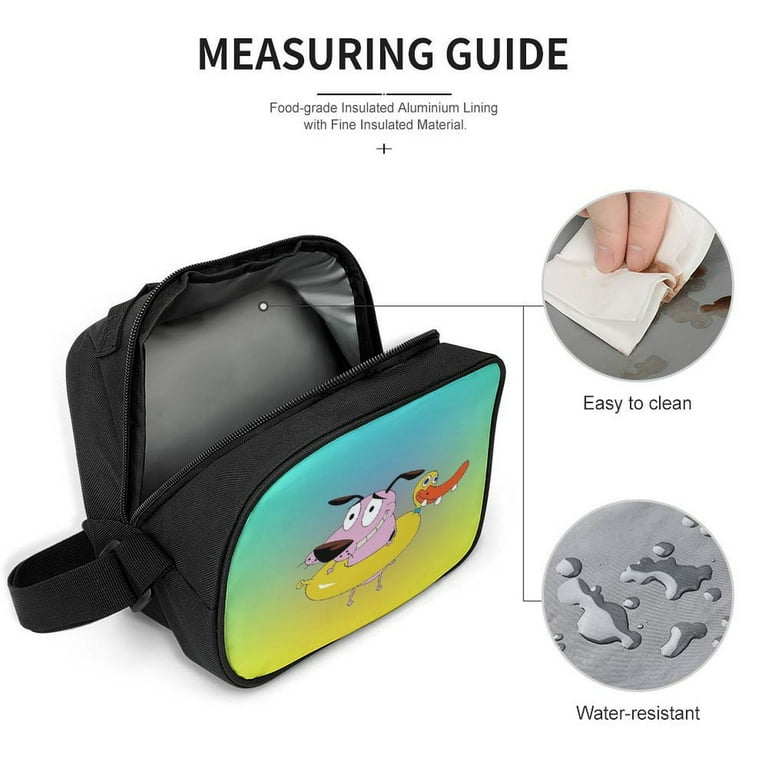
After rinsing, shake the bag gently to remove water. This helps dry the bag faster. Avoid squeezing too hard to protect the insulation layer.
Credit: www.walmart.com
Dry The Bag Properly
Drying your insulated lunch bag properly is key to keeping it fresh and odor-free. If moisture lingers inside, it can cause mold, mildew, and unpleasant smells. Taking a little extra time to dry the bag thoroughly ensures it stays clean and lasts longer.
Remove All Moisture Before Storing
After washing, always check for any damp spots inside the bag. Use a clean towel to blot out water from corners and seams where moisture hides. Leaving the bag slightly open while drying helps air circulate and speeds up the process.
Use A Well-ventilated Area
Choose a spot with plenty of airflow to dry your lunch bag. Placing it near an open window or a fan works wonders. Avoid stuffing it into a dark cupboard while it’s still wet; trapped moisture will only cause problems.
Keep The Bag Open During Drying
Prop open the zipper or flap so air can reach inside the insulated layers. This prevents dampness from getting trapped. I once left my lunch bag zipped up after washing and noticed a sour smell the next day—don’t let that happen to you.
Consider Using Absorbent Materials
If you’re in a hurry, placing a few paper towels or a dry cloth inside the bag can soak up extra water. Replace them every hour until the bag feels dry. This little trick can cut down drying time significantly.
Check For Complete Dryness Before Packing
Before storing or using your lunch bag again, make sure it’s 100% dry. Even a little dampness can cause bacteria growth. Give it a quick sniff and touch test to confirm it’s ready for your next meal.
Preventing Odors And Stains
Regular cleaning prevents odors and stains from settling in insulated lunch bags. Wiping spills quickly and airing the bag helps keep it fresh and stain-free. Using mild soap and warm water ensures gentle yet effective cleaning.
Preventing odors and stains in your insulated lunch bag can seem like a daunting task, but with a few simple steps, it becomes surprisingly easy. These bags are the unsung heroes of our daily routines, keeping our meals fresh and ready. However, they can quickly become breeding grounds for unpleasant smells and unsightly stains if not cared for properly. Taking small, consistent actions can make a big difference. Let's dive into some practical tips that will help keep your lunch bag in tip-top shape.
Regular Cleaning
Regular cleaning is crucial for maintaining a fresh-smelling lunch bag. After each use, make it a habit to empty the bag completely. Wipe down the inside with a damp cloth to remove any spills or crumbs. For deeper cleaning, use mild dish soap and warm water. Scrub gently to avoid damaging the insulation. Rinse thoroughly to ensure no soap residue remains, as it can lead to odors. Allow the bag to air dry completely before storing it away. This prevents mold and bacteria from developing in damp areas.
Use Of Baking Soda
Baking soda is a powerful ally in battling odors. Sprinkle a small amount inside the bag and let it sit overnight. This natural deodorizer absorbs unwanted smells, leaving your bag fresh. For stubborn stains, create a paste using baking soda and a little water. Apply it to the stained area and let it sit for a few minutes. Gently scrub the paste with a soft brush or cloth, then rinse thoroughly. Repeat if necessary, until the stain is gone. Have you ever noticed how a simple ingredient from your kitchen can make such a difference? Keeping a box of baking soda handy could be your secret weapon against lunch bag odors and stains. By maintaining a regular cleaning routine and utilizing baking soda's natural cleaning properties, you can enjoy a fresh and stain-free lunch bag every day. Don't let odors and stains ruin your lunch experience. Keep your bag clean, and your meals will taste even better.
Tips For Maintaining Freshness
Maintaining freshness in your insulated lunch bag keeps your food tasty and safe. Proper care prevents bad smells and stains. Clean bags last longer and stay hygienic. Follow simple steps to keep your lunch bag fresh every day.
Empty And Air Out After Use
Remove all food and crumbs immediately after eating. Leave the bag open to air dry. This stops moisture buildup and mold growth. A dry bag stays fresh and odor-free.
Clean Spills Quickly
Wipe any spills inside the bag right away. Use a damp cloth with mild soap. Avoid harsh chemicals that can damage insulation. Quick cleaning stops stains and smells from setting in.
Use Baking Soda To Absorb Odors
Sprinkle a small amount of baking soda inside the bag. Leave it overnight to absorb bad smells. Shake out the baking soda before next use. This keeps the bag smelling clean and fresh.
Store Properly When Not In Use
Keep the bag in a dry, cool place. Avoid storing it in damp or warm areas. Store with the zipper open to let air flow. Proper storage helps prevent mold and odors.
Wash Regularly Following Care Instructions
Check the label for cleaning tips. Most insulated bags can be hand washed. Use warm water and gentle soap. Rinse well and air dry completely before use. Regular washing keeps bacteria and smells away.
Credit: simplegreen.com
Frequently Asked Questions
How Do I Clean The Inside Of An Insulated Lunch Bag?
To clean the inside, wipe it with a damp cloth and mild soap. Avoid harsh chemicals. Rinse with a clean cloth and air dry fully before use.
Can I Machine Wash My Insulated Lunch Bag?
Most insulated lunch bags aren’t machine washable. Check the care label. Hand washing with warm soapy water is safer and prevents damage.
How Often Should I Clean My Insulated Lunch Bag?
Clean your lunch bag after every use to prevent bacteria buildup. Regular cleaning keeps it fresh and odor-free, ensuring food safety.
What Household Items Effectively Clean Lunch Bags?
Use mild dish soap, baking soda, or white vinegar. These clean and deodorize without harming the insulation or fabric.
Conclusion
Cleaning your insulated lunch bag keeps it fresh and safe. Regular washing stops bad smells and germs from growing. Use mild soap, warm water, and a soft cloth. Let it dry fully before you store or use it again. Taking care of your bag helps it last longer.
A clean lunch bag makes your meals more enjoyable. Try these easy steps to keep your bag neat every day. Simple habits make a big difference in hygiene and freshness.