Your Hasegawa cutting board is a reliable kitchen companion, but keeping it clean is key to making it last and staying safe from bacteria. If you’re wondering how to clean your cutting board the right way, you’re in the right place.
You’ll discover simple, effective tips to keep your board spotless and fresh without damaging it. Follow these easy steps, and your cutting board will look and feel like new every time you use it. Ready to make cleaning quick and hassle-free?
Let’s dive in!
Credit: www.globalkitchenjapan.com
Choosing The Right Cleaning Tools
Choosing the right cleaning tools for your Hasegawa cutting board is essential to keep it in top condition. Using harsh or abrasive materials can damage the surface, reducing its lifespan. The right tools gently remove residue without scratching or warping the board.
Soft Brushes And Sponges
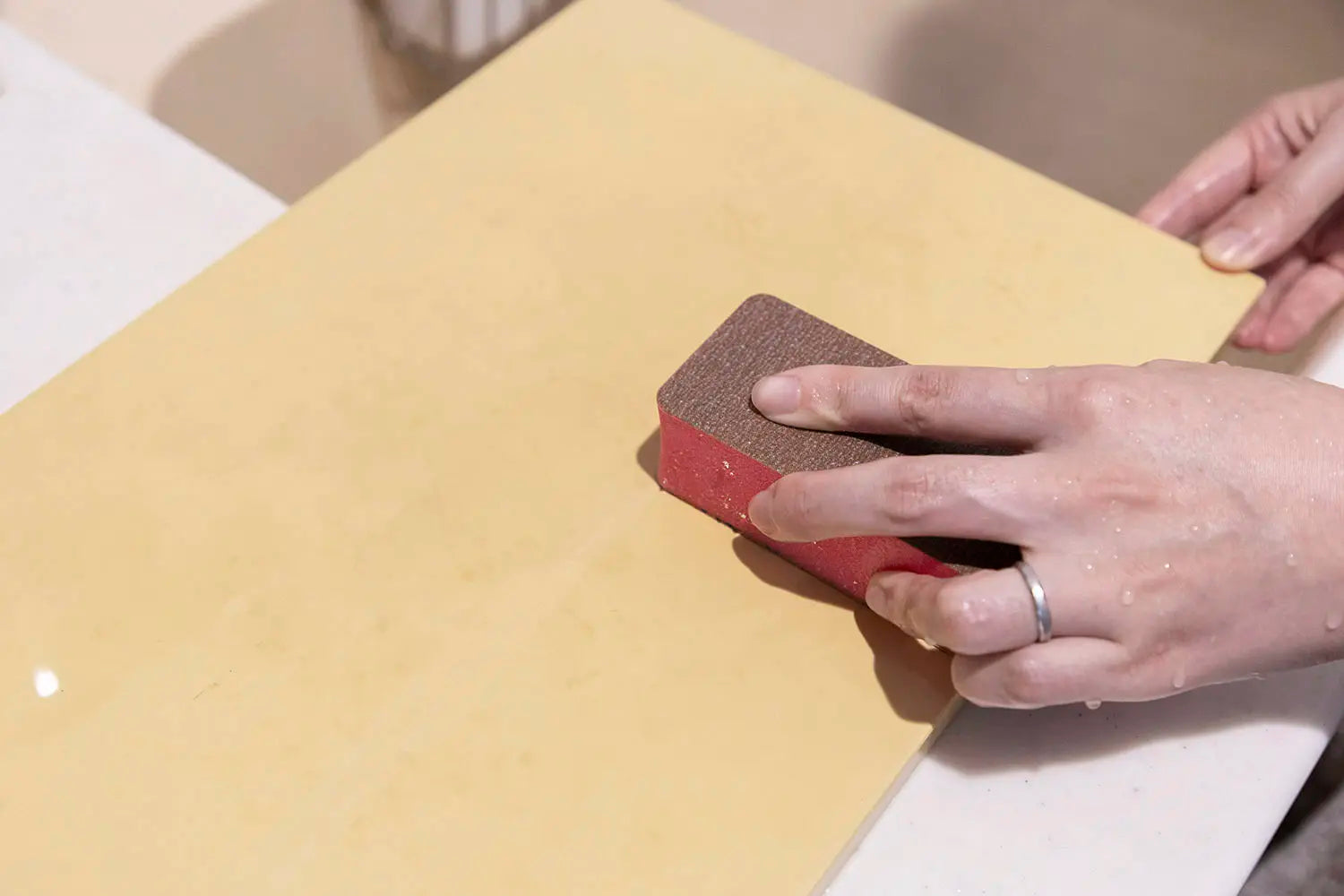
Soft brushes and sponges are your best friends when cleaning a Hasegawa cutting board. They effectively scrub away food particles without harming the surface. Avoid steel wool or rough scrubbers that can leave scratches and grooves.
I once tried cleaning my board with a stiff brush, and it left tiny marks that collected bacteria over time. Since switching to a soft-bristled brush, cleaning feels easier and the board stays smooth longer.
- Use brushes with nylon or silicone bristles
- Choose non-abrasive sponges with a soft side
- Replace sponges regularly to prevent buildup
Safe Cleaning Agents
Picking safe cleaning agents is just as important as the tools themselves. Harsh chemicals can degrade the cutting board's material and leave harmful residues. Stick to mild dish soap or natural cleaners like diluted vinegar.
Have you ever noticed a strong chemical smell after cleaning your board? That’s a warning sign your cleaning agent might be too harsh. Mild soaps keep your board clean without compromising its safety or durability.
- Avoid bleach or ammonia-based cleaners
- Use warm water to help dissolve grease
- Rinse thoroughly to remove all soap traces

Credit: mtckitchen.com
Daily Cleaning Routine
Keeping your Hasegawa cutting board clean every day helps it last longer. A simple daily routine removes food particles and bacteria. Clean the board right after use to avoid stains and odors. Follow these easy steps to keep your cutting board fresh and safe.
Rinsing And Scrubbing
Start by rinsing the cutting board under warm water. This removes loose food and debris. Use a mild dish soap and a soft scrub brush or sponge. Gently scrub the board’s surface to clean all areas. Avoid harsh scrubbing tools that can damage the board. Rinse thoroughly to wash away soap and residue.
Drying Techniques
Dry the cutting board immediately after washing. Use a clean towel to wipe it down. Stand the board upright or lean it against a wall to air dry. Make sure both sides get enough air to prevent moisture build-up. Never leave the board soaking in water or wet on the countertop.
Deep Cleaning Methods
Keeping your Hasegawa cutting board in top condition means going beyond daily cleaning. Deep cleaning removes stubborn stains, odors, and bacteria that regular washing can’t tackle. These methods help you maintain a safe and fresh surface for all your food prep.
Using Vinegar And Baking Soda
Start by sprinkling baking soda generously over the cutting board’s surface. Baking soda acts as a gentle abrasive and deodorizer, making it perfect for tackling tough grime.
Next, spray or pour white vinegar over the baking soda. You’ll notice a fizzing reaction—that’s vinegar breaking down residues and killing bacteria. Let it sit for about 5 minutes.
Then, scrub the board with a soft brush or sponge in circular motions. Rinse thoroughly with warm water and dry with a clean cloth. This combo not only cleans but also neutralizes odors, leaving your board fresh.
Sanitizing With Bleach Solution
If your cutting board needs serious sanitizing, a diluted bleach solution is effective. Mix 1 tablespoon of unscented bleach with 1 gallon of water.
Soak a clean cloth in the solution and wipe down the entire cutting board. Make sure you cover all areas, especially any grooves or cuts where bacteria hide.
Let the solution sit on the surface for 2 minutes, then rinse thoroughly with water. Dry the board completely before storing to prevent moisture buildup.
Have you noticed lingering smells or discoloration on your cutting board? These deep cleaning steps can save your board from premature wear and keep your kitchen healthier.
Removing Stains And Odors
Cleaning your Hasegawa cutting board is essential for hygiene. Removing stains and odors ensures your board stays fresh and clean. Here are two effective methods to tackle this task.
Lemon And Salt Treatment
Lemon and salt work wonders on stains and smells. First, sprinkle coarse salt generously over the board. Cut a lemon in half and rub the cut side on the board. The lemon juice mixes with the salt, lifting stubborn stains. Leave the mixture on the board for about 5 minutes. Rinse with warm water and dry with a clean cloth. This method deodorizes and brightens the board naturally.
Hydrogen Peroxide Application
Hydrogen peroxide is a powerful cleaner for cutting boards. Pour a small amount of hydrogen peroxide directly onto the stained area. Allow it to sit for 5 to 10 minutes. This gives it time to penetrate and lift the stain. Wipe the board with a clean, damp cloth to remove residue. Rinse thoroughly with water and pat dry. This method is effective for tough stains and odors.
Maintaining Board Longevity
Keeping your Hasegawa cutting board in top shape means paying attention to how you care for it regularly. A well-maintained board not only lasts longer but also stays safer and more pleasant to use. Little habits and timely care can make a big difference in preserving its quality and appearance.
Oiling And Conditioning
Oiling your cutting board is essential to prevent it from drying out and cracking. Use food-grade mineral oil or a specialized cutting board conditioner. Apply the oil evenly with a clean cloth, let it soak in for a few hours, and wipe off the excess.
How often should you oil it? If you use your board daily, oil it once a week. For less frequent use, every month or two should suffice. This simple step creates a protective barrier that repels moisture and keeps the wood strong.
Avoiding Damage
Protecting your board means avoiding practices that cause wear and tear. Never put your Hasegawa cutting board in the dishwasher or soak it in water; this can warp and crack the wood. Instead, wash it by hand with warm soapy water and dry it immediately.
Also, steer clear of cutting on the same spot repeatedly. Rotate your board regularly to distribute knife marks evenly. Have you noticed how uneven cutting surfaces can dull your knives faster? Taking care of your board helps maintain both the board and your kitchen tools.

Credit: www.globalkitchenjapan.com
When To Replace Your Cutting Board
Knowing the right time to replace your Hasegawa cutting board is important. It keeps your kitchen safe and your food fresh. A cutting board in poor condition can cause problems. It may hide bacteria or affect your food’s taste. Watch your board closely for signs that it needs to go.
Signs Of Wear And Tear
- Deep grooves or cuts that are hard to clean
- Cracks or splits in the board’s surface
- Warping or bending that makes the board unstable
- Discoloration that does not fade after cleaning
- Loose pieces or layers coming apart
These signs mean your cutting board is less safe for food. Cleaning becomes difficult, and bacteria can hide in cracks.
Health Considerations
Bacteria can grow in damaged areas of a cutting board. This increases the risk of foodborne illness. Cross-contamination is a serious concern, especially with raw meat.
Replace your board if it shows damage or has absorbed strong odors. A clean, smooth surface is easier to sanitize and safer to use.
Frequently Asked Questions
How Do I Clean A Hasegawa Cutting Board?
Use warm, soapy water and a soft sponge to clean the board. Rinse thoroughly and dry immediately to prevent warping or bacteria buildup.
Can I Put My Hasegawa Cutting Board In The Dishwasher?
No, avoid dishwashers as heat and water pressure can damage the board. Hand washing is recommended for longevity.
How Often Should I Sanitize My Hasegawa Cutting Board?
Sanitize after every use with a mixture of vinegar and water or a mild bleach solution to kill bacteria effectively.
What Is The Best Way To Remove Stains On Hasegawa Boards?
Use a paste of baking soda and water, scrub gently, then rinse well. This method removes stains without damaging the surface.
Conclusion
Cleaning your Hasegawa cutting board is simple and quick. Use warm water and mild soap for best results. Avoid soaking it for a long time to keep it strong. Dry the board well after washing to stop cracks and smells.
Regular care helps your board last longer and stay safe. A clean board means healthier meals and better cooking. Keep these easy steps in mind every time you clean. Your cutting board will thank you with great performance.