
If you use an electric tea kettle every day, you’ve probably noticed mineral buildup that affects its performance and taste. Cleaning it might seem tricky, but what if you could do it easily with something you already have at home?
Vinegar is a simple, natural solution that can make your kettle shine like new again. You’ll learn exactly how to clean your electric tea kettle with vinegar—quickly, safely, and effectively. Keep reading to discover the step-by-step method that will save you time and keep your tea tasting great.
Why Use Vinegar For Cleaning
Cleaning your electric tea kettle regularly is essential to keep it working efficiently and to ensure your tea tastes fresh. Vinegar stands out as a popular choice for this task, but why exactly should you choose it over other cleaning agents? Understanding the benefits of vinegar can help you make a smarter, healthier, and more cost-effective decision for maintaining your kettle.
Natural Descaling Agent
Vinegar contains acetic acid, which effectively breaks down mineral deposits like limescale inside your kettle. These deposits build up from hard water and can affect the heating element's performance. Using vinegar helps dissolve these deposits without damaging your kettle’s surface.
Have you noticed white, crusty layers inside your kettle? That’s limescale, and vinegar tackles it naturally, avoiding harsh chemicals that could shorten your kettle’s lifespan.
Safe And Eco-friendly
Unlike many commercial cleaners, vinegar is non-toxic and safe to use around food appliances. It doesn’t release harmful fumes, making it a healthier option for your home environment. Plus, it’s biodegradable, so you’re not polluting the planet with your cleaning routine.
If you’re concerned about safety for your family or pets, vinegar offers peace of mind while still delivering powerful cleaning results.
Cost-effective Solution
Vinegar is inexpensive and readily available in almost every household, making it a budget-friendly choice. A small bottle can last for many cleaning sessions, unlike specialized descaling products that can be pricey and single-use. This means you save money while keeping your kettle in top shape.
Why spend extra on products when you can use something simple and effective like vinegar? It’s a smart way to maintain your appliances without breaking the bank.

Credit: www.abt.com
Preparing Your Kettle For Cleaning
Before you start cleaning your electric tea kettle with vinegar, it’s important to get it ready properly. This ensures safety and makes the cleaning process more effective. Taking a few simple steps can save you from accidents and help the vinegar work better on removing mineral buildup.
Unplug And Cool Down
Always unplug your kettle before cleaning. This prevents any electrical hazards while you work on it. Also, let the kettle cool down completely if you recently used it—handling a hot kettle can cause burns or accidents.
Empty The Kettle
Pour out any remaining water from the kettle. Leftover water can dilute the vinegar and reduce its cleaning power. Make sure the kettle is completely empty to allow the vinegar to reach all the surfaces that need cleaning.
Gather Cleaning Supplies
Collect everything you’ll need before starting. You’ll want:
- White vinegar (distilled works best)
- Water
- A soft cloth or sponge
- A brush or toothbrush for scrubbing tight spots
Having your supplies ready means you won’t be interrupted once you begin. Have you ever started cleaning only to realize you’re missing something essential? Avoid that hassle by preparing ahead.
Step-by-step Cleaning Process
Cleaning an electric tea kettle with vinegar is simple and effective. This process removes mineral buildup and keeps your kettle working well. Follow these steps carefully to get the best results without damage.
Mixing Vinegar And Water
Start by preparing a cleaning solution. Use equal parts white vinegar and water. For example, mix one cup of vinegar with one cup of water. This solution will help break down lime scale inside the kettle.
Filling The Kettle
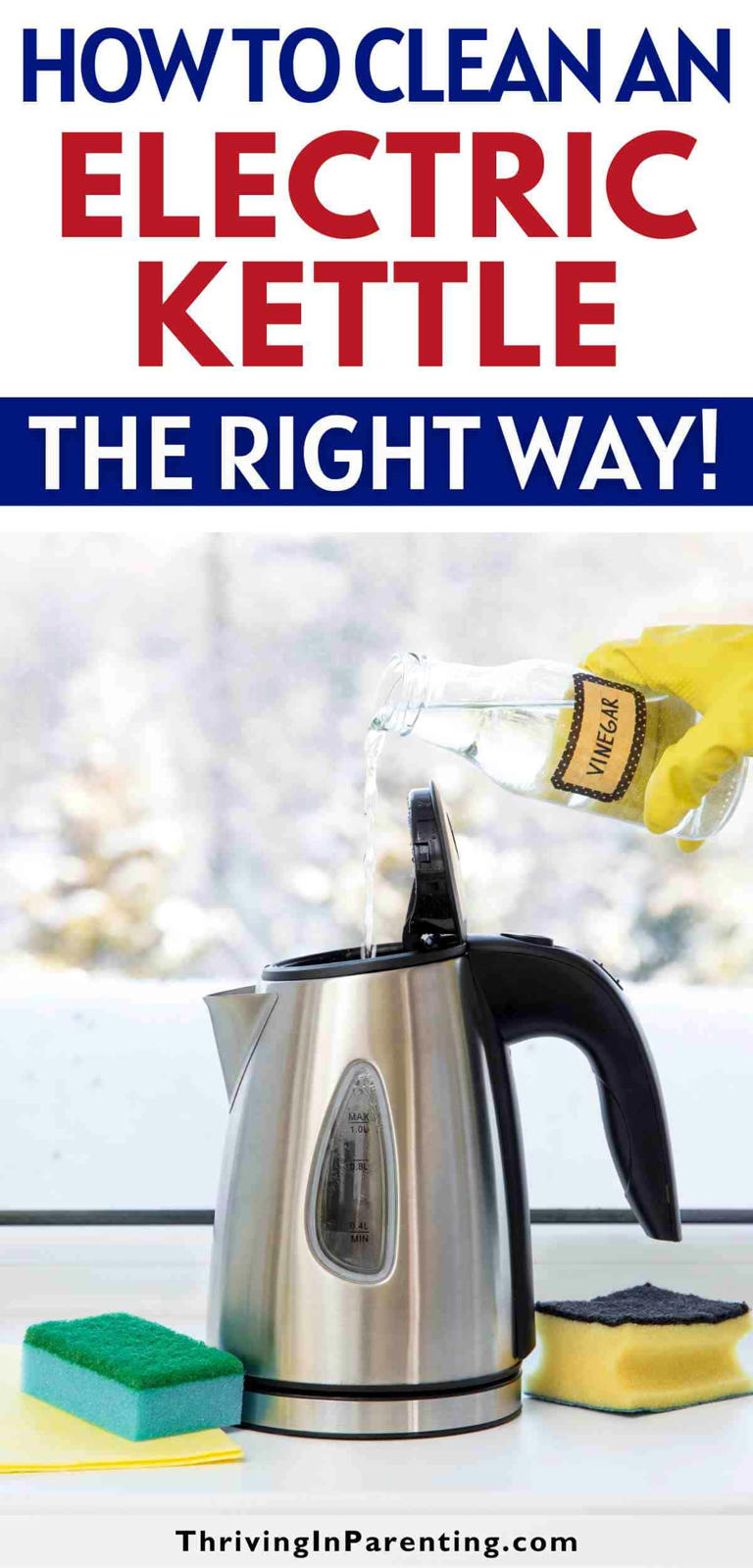
Pour the vinegar and water mixture directly into the kettle. Fill it up to the maximum level mark. Make sure the liquid covers the parts with buildup. This ensures all areas get cleaned evenly.
Boiling And Soaking
Turn on the kettle and let the solution boil. Once it reaches boiling point, turn off the kettle. Leave the mixture inside for at least 20 minutes. This soaking loosens tough deposits and stains.
Rinsing Thoroughly
Empty the vinegar solution from the kettle. Rinse the inside well with clean water. Repeat the rinsing process two or three times. This removes any vinegar smell and leftover deposits. Your kettle will look fresh and clean.
Credit: www.msn.com
Removing Stubborn Stains
Electric tea kettles are essential for tea lovers. Over time, they can develop stains. These stubborn stains often resist simple cleaning methods. Vinegar is a natural and effective solution. It helps remove these tough stains effortlessly.
Using Vinegar Paste
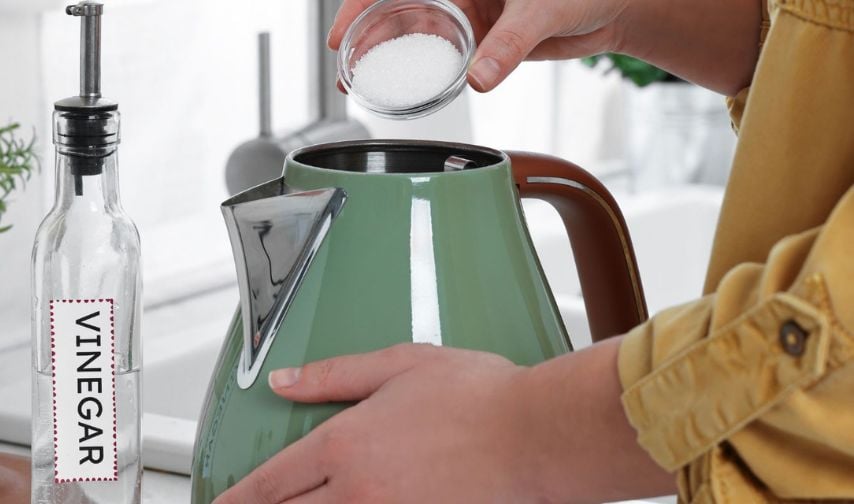
Mix equal parts of vinegar and baking soda. This forms a thick paste. Spread the paste over the stubborn stains inside the kettle. Let it sit for about 15 minutes. This allows the vinegar to break down the stains. The baking soda enhances the cleaning power.
Scrubbing Techniques
Use a soft-bristled brush or sponge. Gently scrub the stained areas. Circular motions can help lift the stains more efficiently. Avoid using metal brushes. They can scratch and damage the kettle.
Repeated Cleaning
Sometimes, one cleaning session is not enough. Repeat the process if stains persist. This ensures a clean and shiny kettle. Regular cleaning prevents the buildup of stubborn stains. It also prolongs the kettle's lifespan.
Maintaining Your Kettle
Keeping your electric tea kettle in top shape means more than just a quick rinse. Regular care prevents stubborn mineral buildup and extends the life of your appliance. Let’s look at how you can maintain your kettle effectively with simple habits and storage tips.
Regular Cleaning Schedule
Set a consistent cleaning routine based on how often you use your kettle. If you boil water daily, clean it at least once every two weeks with vinegar to remove mineral deposits.
Mark your calendar or set a reminder on your phone. This small step ensures you don’t forget and helps maintain your kettle’s performance.
Avoiding Mineral Buildup
Mineral buildup affects your kettle’s heating efficiency and can change the taste of your tea. Using filtered or distilled water reduces the amount of minerals entering your kettle.
Empty your kettle completely after each use and wipe the inside dry. This simple habit prevents water from sitting and minerals from settling.
Proper Storage Tips
Store your kettle in a dry place to avoid moisture damage. Keep the lid slightly open if possible, allowing air circulation inside the kettle.
Also, avoid wrapping the cord tightly around the kettle; it can damage the cord over time. Instead, loosely coil it to keep everything neat and safe.
Safety Tips And Precautions
Cleaning an electric tea kettle with vinegar is effective but requires careful handling. Safety should be a priority to avoid injury and damage. Follow these tips to keep the process safe and efficient.
Handling Vinegar Safely
Use white vinegar in a well-ventilated area to avoid strong fumes. Keep vinegar away from your eyes and skin to prevent irritation. Wear gloves if you have sensitive skin. Store vinegar out of reach of children and pets. Avoid mixing vinegar with bleach or other cleaners to prevent harmful gases.
Avoiding Damage To Kettle
Unplug the kettle before cleaning to prevent electric shock. Do not immerse the kettle base or cord in water. Use a soft cloth or sponge to avoid scratching the surface. Rinse the kettle thoroughly after cleaning to remove vinegar taste. Avoid using vinegar on kettles with aluminum parts to prevent corrosion.
When To Seek Professional Help
If the kettle leaks or does not heat properly, stop using it. Persistent odors or stains may need expert cleaning. Contact a professional for electrical repairs or internal damage. Do not attempt to open the kettle yourself. Professional help ensures safe and proper maintenance.
Credit: www.abt.com
Frequently Asked Questions
How Often Should I Clean My Electric Kettle With Vinegar?
Clean your electric kettle with vinegar every 1-3 months. This prevents limescale buildup and keeps your kettle efficient and safe.
Can Vinegar Damage My Electric Tea Kettle?
No, vinegar is safe for electric kettles. Use a diluted solution and rinse thoroughly to avoid any residue or odor.
What Is The Best Vinegar Concentration For Cleaning Kettles?
Use white vinegar diluted with water in a 1:1 ratio. This concentration effectively removes limescale without harming your kettle.
How Long Should Vinegar Stay In The Kettle For Cleaning?
Let the vinegar solution sit in the kettle for 15-30 minutes. This allows it to dissolve mineral deposits effectively.
Conclusion
Cleaning your electric tea kettle with vinegar is simple and effective. Vinegar removes mineral buildup and keeps your kettle working well. Regular cleaning helps your kettle last longer and taste better. Just follow the easy steps to clean safely. Use vinegar often to avoid tough stains and smells.
A clean kettle means better tea every time. Try this natural method and enjoy fresh, pure water daily. Keep your kettle sparkling with vinegar—it’s quick and gentle.


