If you own an aluminum meat grinder, you know how important it is to keep it clean. But cleaning it the wrong way can damage your grinder or leave harmful residue behind.
You want a simple, effective method that keeps your grinder safe and working smoothly. You’ll discover easy steps to clean your aluminum meat grinder thoroughly—so you can enjoy fresh, delicious meat without any worry. Keep reading to learn how to protect your investment and ensure your grinder lasts for years to come.
Tools Needed
Cleaning an aluminum meat grinder requires specific tools to ensure it is done safely and thoroughly. Having the right items makes the process easier and protects the grinder's surface from damage. Below are the essential tools needed for a proper cleaning job.
Soft Brush
A soft brush removes meat bits and debris from small crevices. It reaches areas a cloth cannot. Use a brush with gentle bristles to avoid scratching the aluminum.
Mild Dish Soap
Mild dish soap breaks down grease without harsh chemicals. It cleans effectively without harming the metal. Choose a soap that is gentle on surfaces.
Warm Water
Warm water helps dissolve fats and makes cleaning easier. It also helps soap work better. Avoid using hot water to prevent warping the aluminum.
Soft Cloth Or Sponge
A soft cloth or sponge wipes the grinder clean after scrubbing. Use non-abrasive materials to protect the aluminum finish. This tool helps dry and polish the surface.
Toothbrush
A toothbrush cleans tight spots and small parts. It is perfect for detailed cleaning around blades and screws. Use a clean, soft-bristled toothbrush for best results.
Dry Towel
A dry towel removes moisture from the grinder after washing. This prevents rust and corrosion. Use a clean, absorbent towel for thorough drying.
Disassemble The Grinder
Disassembling your aluminum meat grinder is the first and most crucial step to ensure a thorough cleaning. Taking it apart carefully allows you to reach every nook and cranny where meat residue and grease can hide. Doing this not only maintains the grinder's performance but also extends its lifespan.
Remove The Feeding Tube And Hopper
Start by detaching the feeding tube and hopper from the main body. These parts often hold bits of meat and fat that can spoil if left uncleaned. Gently twist or pull them off according to your grinder’s design to avoid damaging any components.
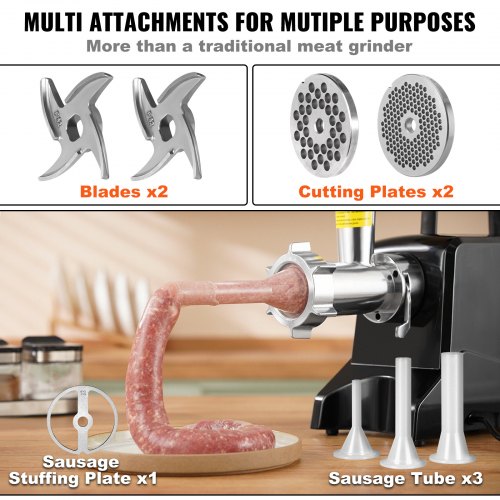
Unscrew The Grinding Plate And Blade
The grinding plate and blade require careful removal next. These parts are usually held in place by a screw ring or locking mechanism. Use a cloth for grip if the parts are stuck; this prevents slipping and possible injury.
Separate The Auger From The Body
Pull out the auger, the spiral piece inside the grinder’s body. This part pushes the meat toward the blade, so it often collects the most residue. Check for any stuck meat and clean it off as soon as you remove it to prevent bacteria growth.
Organize Parts For Cleaning
Lay out all disassembled parts on a clean surface. This helps you keep track of everything and ensures nothing gets lost. It also makes the cleaning process faster and more efficient.
Remove Residual Meat
Scrape off leftover meat from the grinder using a soft brush or cloth. Rinse parts with warm water to remove small bits. This prevents buildup and keeps the grinder clean.
Cleaning an aluminum meat grinder is essential for maintaining its performance. One important step is to remove any residual meat. Meat can stick in various parts, leading to hygiene issues. Here's how you can effectively clean it. Begin by taking the grinder apart. Separate all detachable parts. This makes it easier to clean each component thoroughly.
Use Bread To Push Out Residue
Run a slice of bread through the grinder. The bread will absorb and push out leftover meat. This step is crucial for thorough cleaning.
Scrape Off Stubborn Pieces
Use a small brush or spatula. Scrape off any stubborn meat pieces. Ensure all areas are clear of residue.
Rinse With Warm Water
Rinse each part under warm water. This helps remove any remaining bits and grease.
Check For Hidden Meat
Inspect all parts carefully. Look for hidden or stuck meat pieces. Clean them out with a brush.
Prepare For Deep Cleaning
After removing the meat, it's time for a deep clean. This ensures the grinder stays in excellent condition.
Soak And Wash Components
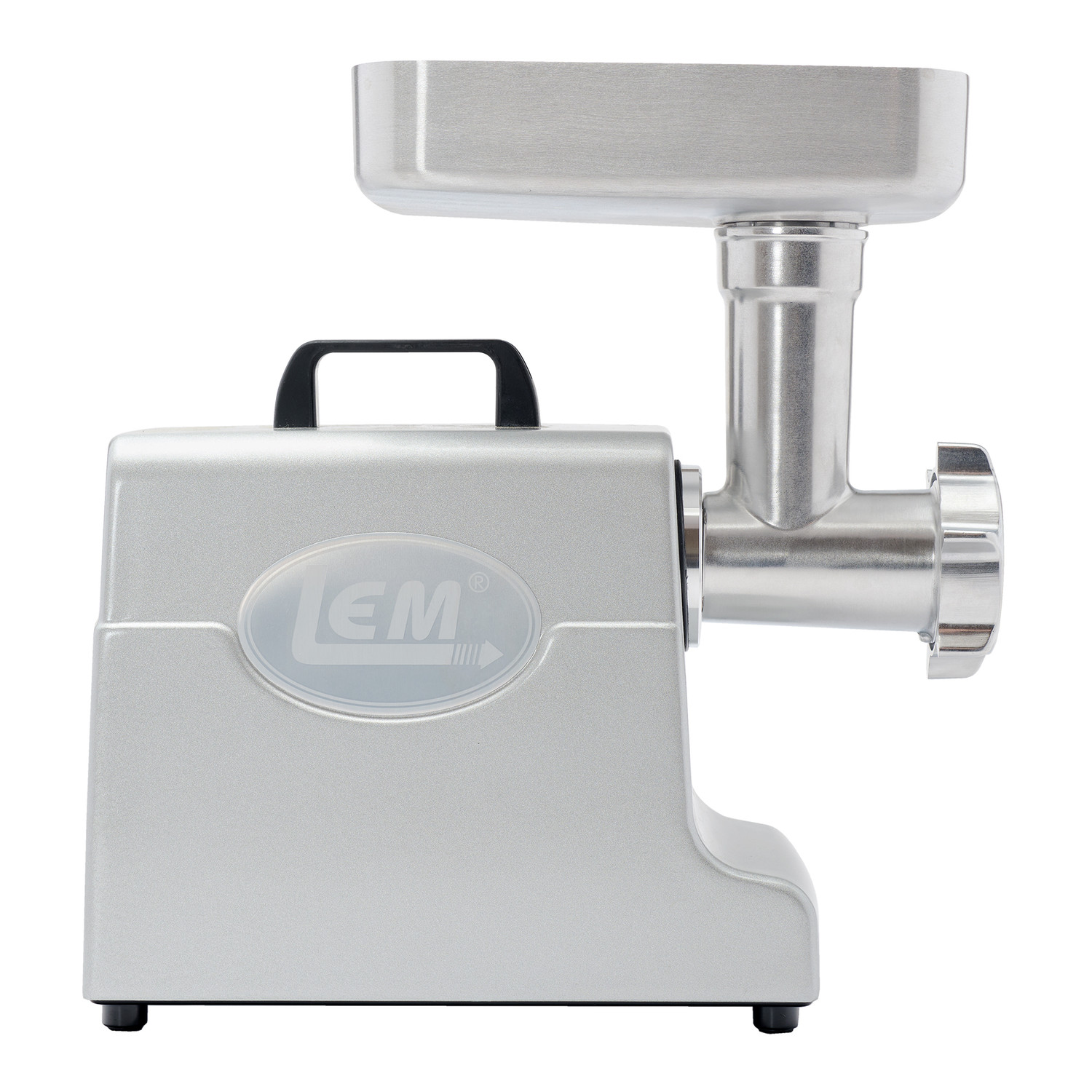
Soaking and washing the parts of your aluminum meat grinder is key to keeping it clean and safe. This process loosens food bits stuck in crevices. It also removes grease and grime without damaging the metal. Proper soaking softens residues, making washing easier and faster.
Handle each component with care to avoid dents or scratches. Use warm water for soaking, which helps break down fats. After soaking, wash each part thoroughly. Pay attention to the blade and grinding plate, where meat often clings.
Use Mild Detergent
Choose a gentle dish soap for washing your grinder parts. Mild detergent cleans well without harming aluminum surfaces. Harsh soaps can cause discoloration or corrosion over time. Mix a small amount of soap with warm water. Use a soft sponge or cloth to scrub each piece carefully. Rinse all soap off completely to prevent residue.
Avoid Harsh Chemicals
Do not use bleach, ammonia, or abrasive cleaners. These chemicals can damage the aluminum and shorten the grinder’s life. Avoid steel wool or rough scrubbers that scratch the surface. Stick to soft cleaning tools and natural detergents. This keeps the grinder in good condition and safe for food use.
Scrub Stubborn Residue
Stubborn residue on an aluminum meat grinder can be tough to remove. This residue often sticks to the surface and crevices. Cleaning it thoroughly is important to keep your grinder safe and working well. Using the right tools makes scrubbing easier and protects the aluminum from damage.
Use Soft Brushes
Soft brushes help remove residue without scratching the aluminum. Choose brushes with nylon or natural bristles. These brushes reach small holes and corners effectively. Gently scrub the grinder parts in circular motions. This loosens stuck particles without harming the surface. Soft brushes also prevent metal wear and maintain the grinder's finish.
Avoid Abrasive Materials
Abrasive materials can scratch and damage aluminum easily. Avoid steel wool, rough sponges, and harsh scrubbers. These can create tiny scratches that trap dirt later. Abrasive cleaners may also wear down the metal over time. Stick to mild soaps and soft cleaning tools. Protect the grinder to ensure long-lasting use and hygiene.
Rinse Thoroughly
Rinsing your aluminum meat grinder thoroughly is a crucial step to maintain its performance and hygiene. If you skip this or do it poorly, leftover meat particles can cause rust or unpleasant odors. Taking the time to rinse every crevice ensures your grinder stays clean and safe for your next cooking session.
Remove All Visible Residue
Start by rinsing under warm running water to wash away any loose meat bits. Pay attention to the blades and the grinding plate where meat often gets stuck. If you notice stubborn pieces, gently use a soft brush to dislodge them without scratching the aluminum.
Use Warm Water To Your Advantage
Warm water helps break down fats and oils that cold water cannot. This makes rinsing more effective and reduces the chance of residue buildup. Ensure the water is not too hot, as excessive heat may warp some parts of the grinder.
Check Every Nook And Cranny
Aluminum grinders have many small parts where grime can hide. Make sure to rinse inside the feeding tube, the auger, and the grinding plate holes thoroughly. Can you spot any spots where water doesn’t reach? Use a small brush or toothpick to clean those areas carefully.
Dry Immediately After Rinsing
After rinsing, dry your grinder parts with a clean towel right away. Leaving them wet can cause oxidation and discoloration on aluminum surfaces. A quick air dry is okay, but wiping down speeds up the process and keeps your grinder looking new.
Dry Completely
Drying your aluminum meat grinder completely after cleaning is crucial to keep it in good shape. Moisture left on the grinder can lead to damage, affecting its performance and lifespan. Taking a few extra minutes to dry it well will save you from future hassles and keep your equipment working smoothly.
Air Dry Tips
After rinsing your grinder parts, shake off excess water gently. Place them on a clean, dry towel in a well-ventilated area. Avoid stacking parts on top of each other to let air flow freely around each piece.
You might want to use a fan or open a window nearby to speed up the drying process. If you’re in a hurry, a soft cloth can help wipe off moisture, but don’t skip the air drying step. Patience here pays off by preventing hidden damp spots.
Prevent Rust And Corrosion
Even aluminum can suffer from corrosion if left wet. After drying, inspect your grinder carefully for any water trapped in seams or crevices. Use a clean cloth or cotton swab to reach tight spots where moisture hides.
Applying a thin layer of food-safe mineral oil can add extra protection. This simple step creates a barrier against moisture and keeps the surface smooth. Have you noticed how a little oil can make cleaning easier next time as well?
Reassemble The Grinder
After thoroughly cleaning your aluminum meat grinder, putting it back together correctly is key to keeping it working smoothly. Reassembling might seem tricky, but taking it step-by-step makes the process straightforward. A well-assembled grinder ensures safety and efficiency the next time you use it.
Identify Each Part And Its Place
Before you start, lay out all the parts on a clean surface. Make sure you recognize the main components: the hopper, auger, blade, grinding plate, and locking ring. Knowing exactly where each piece fits helps avoid frustration and damage.
Start With The Auger And Blade
Slide the auger into the main body first; it’s the heart of your grinder. Next, carefully place the blade onto the auger's end, ensuring the sharp edges face outward to cut the meat properly. If the blade sits incorrectly, your grinder won’t work well, and you risk dulling the blade.
Attach The Grinding Plate
Pick the grinding plate that matches your desired grind size and place it over the blade. Check that the plate fits snugly without any gaps. Loose plates can cause meat to get stuck or reduce grinding efficiency.
Secure With The Locking Ring
Twist the locking ring onto the grinder’s front to hold everything tight. Don’t overtighten, or you might strip the threads or make disassembly difficult later. It should be firm enough to keep parts from moving but easy to unscrew when needed.
Test The Movement Before Use
Turn the handle or motor briefly to see if the parts move smoothly together. Any resistance or unusual noise means something might be misaligned. Catching this now saves you from a messy, frustrating grind later.
Maintenance Tips
Maintaining your aluminum meat grinder is crucial for its longevity. Proper care ensures it functions well for years. Regular cleaning and proper storage are essential. Follow these maintenance tips to keep your grinder in top shape.
Regular Cleaning Schedule
Clean your grinder after every use. Dismantle the parts carefully. Use warm, soapy water to wash each component. Avoid harsh detergents that might damage the aluminum. A soft brush helps remove meat residues. Rinse thoroughly with clean water. Dry each part with a soft cloth. Ensure no moisture remains. Moisture can cause rust or discoloration.
Storage Recommendations
Store your grinder in a dry place. Avoid damp areas to prevent rust. Assemble the grinder loosely before storing. Wrap it in a clean, dry cloth. This prevents dust accumulation. Place it on a stable surface away from kids. Proper storage increases the grinder's lifespan.
Frequently Asked Questions
How Do I Safely Clean An Aluminum Meat Grinder?
Disassemble the grinder before cleaning. Use warm soapy water and a soft brush. Avoid harsh abrasives to prevent scratching. Dry all parts thoroughly to avoid rust. Regular cleaning ensures hygiene and prolongs the grinder’s life.
Can I Use Dishwasher For Aluminum Grinder Parts?
No, avoid dishwashers as high heat and detergents can damage aluminum parts. Hand wash with mild soap and water instead. Proper drying is essential to prevent corrosion and maintain grinder performance.
What Is The Best Cleaning Method For Stubborn Meat Residue?
Soak parts in warm soapy water for 10-15 minutes. Use a soft brush or toothbrush to remove stuck residue. Avoid metal brushes that can scratch aluminum surfaces. Rinse well and dry immediately to prevent rust.
How Often Should I Clean My Aluminum Meat Grinder?
Clean your grinder after every use to ensure food safety. Regular cleaning prevents bacteria buildup and keeps the grinder functioning optimally. Proper maintenance also extends the appliance’s lifespan.
Conclusion
Cleaning your aluminum meat grinder regularly keeps it safe and working well. Use warm water and mild soap to wash all parts carefully. Dry everything completely to stop rust and damage. Avoid harsh chemicals that can harm the aluminum surface.
Taking these simple steps helps your grinder last longer. It also makes your food taste better and stay healthy. Clean grinders work smoothly and save you time. Remember, a clean grinder means better meals every time you cook. Keep it clean, and enjoy fresh, tasty ground meat easily.