You’ve just finished cutting raw meat on your wooden cutting board. Now, what’s the best way to clean it to keep your kitchen safe and your board in great shape?
If you don’t clean it properly, harmful bacteria can linger, putting your health at risk. But don’t worry—this guide will show you simple, effective steps to clean your wooden cutting board thoroughly. By following these tips, you’ll protect your family from foodborne illnesses and keep your cutting board looking and smelling fresh for years to come.
Ready to learn how? Let’s dive in.
Why Clean Wooden Boards Thoroughly
Wooden cutting boards need deep cleaning after cutting meat. Meat juices contain bacteria that can cause illness. Cleaning thoroughly stops bacteria from spreading to other foods.
Wood is porous and can absorb liquids easily. This means bacteria can hide inside the wood fibers. A quick rinse is not enough to remove harmful germs.
Proper cleaning keeps the board safe and extends its life. It also prevents bad smells and stains from developing on the wood.
Preventing Cross-contamination
Cross-contamination happens when bacteria move from raw meat to other foods. This can cause food poisoning. Thorough cleaning removes meat juices and bacteria to keep food safe.
Maintaining Board Hygiene
Regular deep cleaning helps keep your wooden board hygienic. Using the right cleaning methods kills bacteria and prevents buildup. This keeps your kitchen healthier and safer.
Protecting The Wood
Cleaning with harsh chemicals can damage wood. Proper cleaning uses gentle solutions that kill germs without harming the board. This protects the wood’s surface and structure.
Extending Board Lifespan
Wood can crack or warp if not cleaned properly. Removing meat residue and drying the board well prevents damage. Clean boards last longer and perform better.

Credit: www.theindusvalley.in
Initial Cleaning Steps
Cleaning your wooden cutting board right after cutting meat is crucial to keep it safe and in good shape. The first steps you take can prevent bacteria from settling in and make the board easier to clean deeply later. Let's look at how you can start cleaning effectively.
Remove Meat Residue
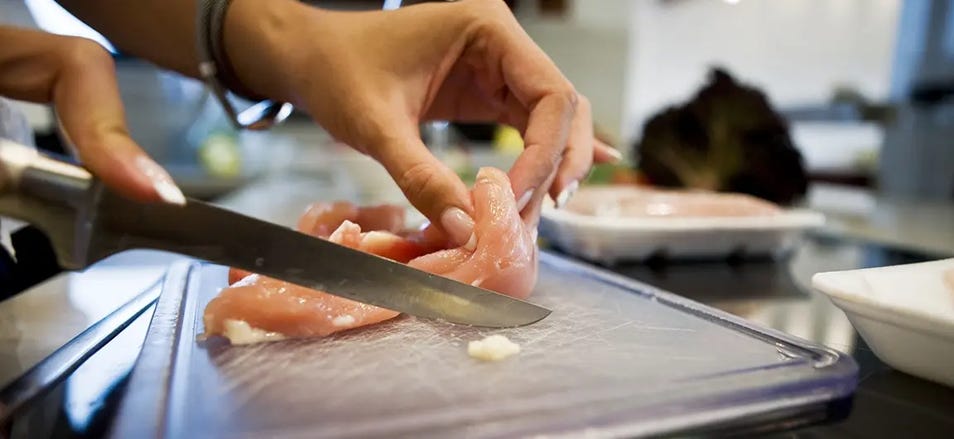
Begin by scraping off any leftover meat bits from the board. Use a bench scraper or the back of a knife to gently lift the residue without damaging the wood. This quick action helps reduce the risk of cross-contamination and stops the meat juices from soaking deeper into the board.
Have you noticed how skipping this step often makes your board smell bad later? Removing residue right away can save you from that unpleasant experience.
Rinse With Warm Water
After removing the meat pieces, rinse the board under warm running water. Warm water helps wash away loose particles and some of the oils from the meat without harming the wood. Avoid soaking your board completely, as too much water can cause it to warp or crack over time.
Try to rinse off all visible meat juices and check for any sticky spots. Warm water cleans better than cold and prepares the board for the next cleaning steps you’ll take.
Effective Sanitizing Methods
Sanitizing your wooden cutting board after cutting meat is crucial to prevent bacteria buildup and keep your kitchen safe. Effective methods don’t just clean; they kill harmful germs embedded in the wood. Here are some practical ways you can sanitize your board using common household items.
Use Of Vinegar
Vinegar is a natural disinfectant that helps eliminate bacteria without harsh chemicals. Simply spray or wipe your cutting board with white vinegar and let it sit for a few minutes. The acidity in vinegar breaks down bacteria, making it a quick and safe choice for sanitizing.
Have you noticed how vinegar also removes odors? After treating your board, rinse it with warm water and dry thoroughly to avoid moisture damage.
Applying Hydrogen Peroxide
Hydrogen peroxide is another powerful sanitizer you can use on wooden boards. Pour a small amount over the surface and spread it evenly using a clean cloth or paper towel. Let it bubble for a few minutes—that’s the peroxide attacking germs.
This method is especially useful if you want a deeper clean. Rinse with water afterward and air-dry your board completely to prevent warping.
Salt And Lemon Scrub
This combination works wonders for scrubbing and disinfecting simultaneously. Sprinkle coarse salt over the board, then rub it with half a lemon, squeezing slightly to release juice as you scrub. The salt acts as an abrasive, and the lemon’s natural acids kill bacteria.
After scrubbing, rinse with warm water and dry. It’s a refreshing way to clean your board and keep it smelling fresh—have you tried this before?
Drying And Maintenance Tips
Keeping your wooden cutting board in top condition requires proper drying and maintenance. After cutting meat, effective drying methods and regular care are vital. These steps prevent bacteria build-up and ensure your board lasts longer. Below are some essential tips on drying and maintaining your wooden cutting board.
Proper Air Drying
After washing, stand your cutting board upright. This allows both sides to dry evenly. Avoid laying it flat, as moisture can get trapped underneath. Place it in a well-ventilated area. Ensure no direct sunlight to prevent warping.
Regular Oiling Routine
Oil your board to keep it moisturized. This prevents cracking and maintains its quality. Use food-grade mineral oil for best results. Apply oil with a clean cloth, covering all surfaces. Let the oil soak in for several hours, then wipe off excess.
Avoiding Common Mistakes
Cleaning your wooden cutting board after cutting meat is crucial for food safety and board longevity. However, many people unknowingly make mistakes that can damage the wood or fail to remove harmful bacteria effectively. Avoiding these common errors can save you time, money, and even prevent health risks.
No Soaking
It might seem like soaking your cutting board will get it cleaner, but it actually does more harm than good. Wood absorbs water, and prolonged soaking causes it to warp, crack, or split over time. Instead, wash your board promptly with warm, soapy water and dry it immediately with a towel.
I once soaked a board overnight, thinking it would disinfect better. The next day, I noticed it had developed deep cracks, making it unusable. Don’t let a simple habit ruin your cutting board.
Avoid Harsh Chemicals
Using bleach or strong chemical cleaners might sound like a quick way to sanitize your board, but these can damage the wood’s surface. Harsh chemicals strip away the natural oils that protect the wood and can leave residues harmful to your health. Opt for natural cleaners like vinegar or a mixture of lemon and salt instead.
Have you ever tasted leftover chemical smells from your board? That’s a warning sign to switch your cleaning routine. Gentle cleaning keeps your board safe and extends its life.
Credit: www.lysol.com
When To Replace Your Wooden Board
Knowing when to replace your wooden cutting board is just as important as cleaning it properly after cutting meat. A worn-out board can harbor harmful bacteria and affect the safety of your food. Paying attention to the condition of your board helps you decide if it’s time to say goodbye and get a new one.
Signs Of Deep Cracks And Gouges
Deep cracks or gouges in your wooden board can trap meat juices and bacteria, making thorough cleaning nearly impossible. If you notice these grooves, even after sanding or oiling, it’s a clear sign your board is past its prime. Ask yourself: can you clean it well enough to keep your food safe?
Persistent Odors That Don’t Go Away
Sometimes, no matter how much you wash or deodorize your board, it still smells like meat or something unpleasant. This lingering odor means bacteria might be embedded deep inside the wood fibers. If your board smells bad after cleaning, it’s safer to replace it.
Warping And Splitting
Wooden boards can warp or split over time, especially if exposed to water frequently. A warped board won’t sit flat, making it unsafe and harder to use. Splits can also harbor bacteria and cause the board to break during use. When you spot warping or splitting, it’s time to consider a new board.
Frequent Use And Age
How long have you been using your cutting board? Boards used daily for several years may start to wear down even with good care. If your board feels rough or looks dull despite regular oiling, think about replacing it to maintain hygiene.
Visual Inspection Tips
- Look closely for dark stains or discoloration that won’t wash off.
- Check if the surface feels rough or uneven under your hand.
- Notice if any pieces of wood are coming loose or splintering.
Taking a few moments to inspect your board can save you from health risks. Could your board be hiding problems you’ve overlooked?

Credit: www.theindusvalley.in
Frequently Asked Questions
How Do I Sanitize A Wooden Cutting Board After Meat?
Clean the board with hot, soapy water immediately after use. Then, apply white vinegar or diluted bleach to kill bacteria. Rinse thoroughly and air dry to prevent moisture buildup and warping.
Can I Use Bleach On Wooden Cutting Boards?
Yes, but only in a diluted solution (1 tablespoon bleach per gallon water). Apply briefly, rinse well, and dry immediately. Avoid strong or prolonged exposure to prevent wood damage.
How Often Should I Clean Wooden Boards After Meat?
Clean the board right after every use with meat. Proper cleaning prevents bacteria growth and cross-contamination. Regular maintenance keeps your board safe and odor-free.
What’s The Best Way To Remove Meat Odors From Wood?
Rub the board with coarse salt and half a lemon. Let it sit for five minutes, then rinse with hot water. This natural method effectively neutralizes odors and cleans the surface.
Conclusion
Cleaning your wooden cutting board after cutting meat keeps it safe and fresh. Use hot water and soap to wash it well. Scrub gently to remove all meat bits and juices. Dry the board completely to stop germs from growing.
Treat the wood with oil to keep it strong and smooth. Regular care helps your board last longer and stay healthy. Simple steps make your kitchen safer every time you cook. Clean boards mean better food and happy meals.