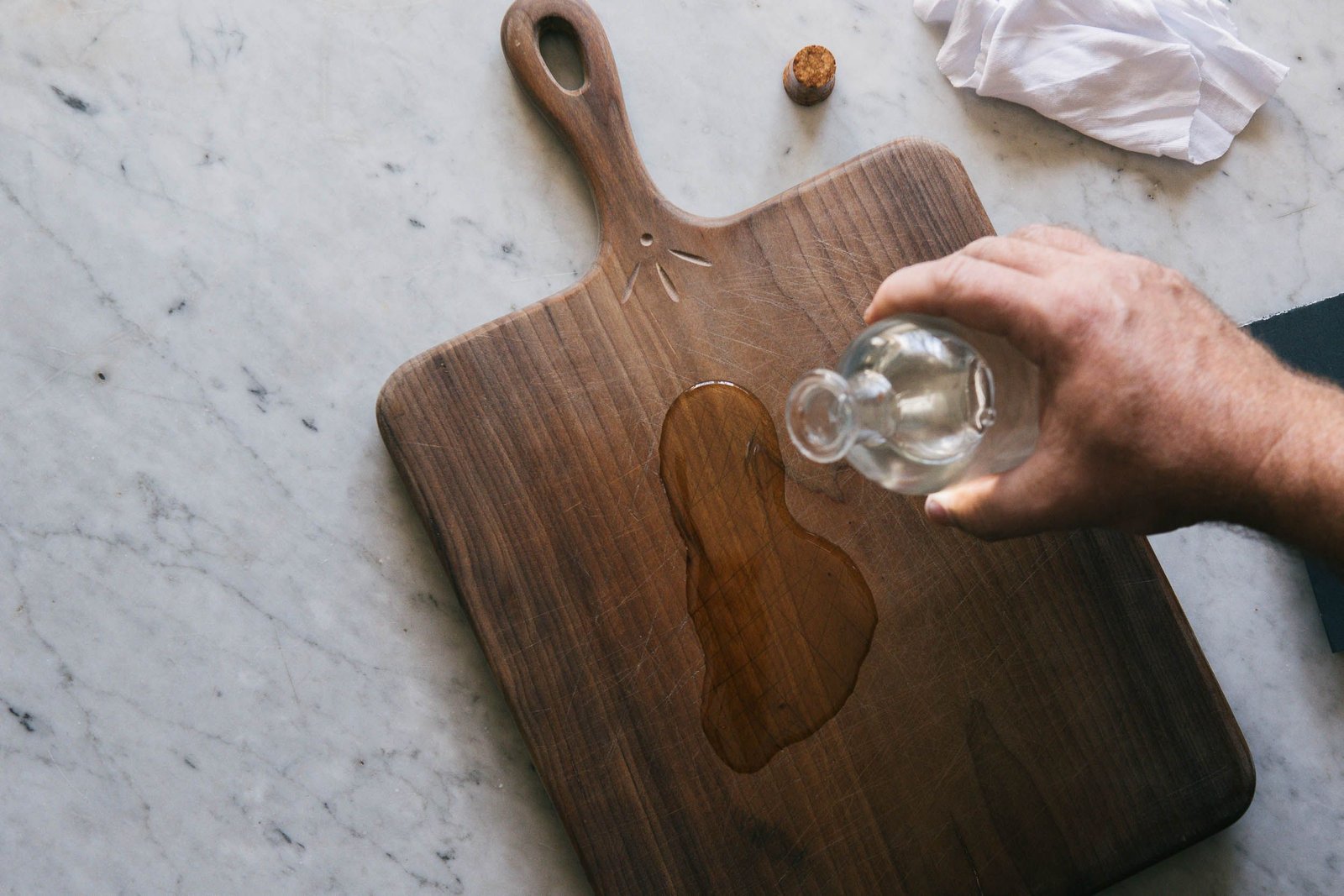
Your wood cutting board is a kitchen essential, but keeping it clean can be tricky. If you want a natural, easy way to freshen it up and get rid of stubborn stains and odors, lemon might be your best friend.
Imagine a simple ingredient right in your kitchen that not only cleans but also leaves your board smelling fresh and looking like new. You’ll discover exactly how to clean a wood cutting board with lemon, step by step. Keep reading to learn this quick trick that will protect your board and make your cooking space healthier.
:max_bytes(150000):strip_icc()/GettyImages-2195439933-114e75009db444fd816a82aeb8f7a5a8.jpg)
Credit: www.southernliving.com
Why Use Lemon For Cleaning
Using lemon to clean your wood cutting board is more than just a fresh idea—it's a smart choice that taps into nature’s own cleaning power. Many people overlook the benefits of this simple fruit, yet it offers practical solutions that soap and water alone can’t match. Are you ready to discover why lemon deserves a spot in your kitchen cleaning routine?
Natural Antibacterial Properties
Lemon contains natural acids that help kill bacteria on your cutting board. This makes it effective at reducing germs without harsh chemicals. I remember once using lemon after prepping raw chicken, and the board smelled fresh and felt cleaner than ever.
Using lemon juice directly on the board lets you sanitize surfaces safely. It’s a natural way to protect your family from harmful bacteria lingering on wood surfaces.
Deodorizing Effects
Wood cutting boards often absorb strong food smells, like garlic or fish. Rubbing lemon over the surface neutralizes these odors quickly. Your board won’t just be clean; it will smell bright and fresh too.
Have you ever noticed how lemon zest can brighten a dish? The same principle applies to your board—lemon lifts away unwanted smells so your next meal tastes just right.
Eco-friendly Choice
Lemon is biodegradable and chemical-free, making it an environmentally friendly cleaning option. Choosing lemon over synthetic cleaners reduces plastic waste and toxic runoff. This small change helps protect both your kitchen and the planet.
Plus, you likely already have lemons in your kitchen. Using them for cleaning cuts down on the need for extra products, saving you money and cabinet space.
Preparation Before Cleaning
Preparing your wood cutting board before cleaning with lemon ensures better results. It helps remove food particles and dry the board properly. This preparation makes the lemon cleaning more effective and hygienic.
Remove Food Residue
Start by scraping off any leftover food on the board. Use a plastic or wooden scraper to avoid damage. Rinse the board under warm water to wash away small bits. Removing residue prevents stains and bacteria buildup.
Dry The Board
Pat the board dry with a clean towel or cloth. Avoid soaking the board in water to prevent warping. A dry surface allows the lemon juice to soak in evenly. Drying also reduces the chance of mold growth.
Step-by-step Cleaning Process
Cleaning your wood cutting board with lemon is a natural and effective way to remove stains and odors. This process not only refreshes your board but also helps keep it hygienic without harsh chemicals. Here’s a simple step-by-step guide to get your board looking and smelling great.
Cut The Lemon
Start by cutting a fresh lemon in half. You only need one half for most boards, but larger or heavily stained boards might require both. Make sure the lemon is juicy and fresh to maximize the cleaning power.
Rub Lemon On The Board
Take the cut side of the lemon and rub it directly onto the surface of your cutting board. Apply gentle pressure and move in circular motions to cover every inch. The natural acidity in lemon helps break down stains and kill bacteria.
Let It Sit
Allow the lemon juice to sit on the board for about 5 to 10 minutes. This gives the acid time to work on stubborn spots and odors. Have you noticed how lemon not only cleans but also leaves a fresh scent behind?
Rinse With Warm Water
After the lemon has done its job, rinse your board thoroughly with warm water. Avoid soaking the board for too long to prevent warping. Dry it completely with a clean towel or let it air dry standing upright.
Additional Cleaning Tips
Rubbing salt on the board before lemon helps scrub away stains. Let lemon juice sit for a few minutes to kill germs. Dry the board fully to prevent cracks and warping.
Cleaning a wood cutting board with lemon is a natural and effective method, but sometimes it needs a little extra care. Consider these additional cleaning tips to keep your board in top shape. These simple practices will not only enhance the cleanliness but also extend the life of your cutting board.
Use Salt For Scrubbing
After applying lemon juice, sprinkle coarse salt over the board. The salt acts as a natural abrasive, helping to scrub away any stubborn stains or food particles. Gently scrub the board with the lemon halves, using circular motions. This combination of lemon and salt ensures a deep clean without damaging the wood. Have you ever noticed how refreshed your board looks after this treatment?
Drying And Maintenance
Proper drying is crucial to prevent warping and cracking. Always pat your board dry with a clean towel after washing. Stand it upright or lean it against a wall to air dry completely. Regularly apply mineral oil to keep the wood hydrated and prevent drying out. Have you considered setting a reminder for this maintenance routine?
Avoid Harsh Chemicals
Harsh chemicals can strip the wood of its natural oils and cause damage. Stick to natural cleaning agents like lemon and salt to preserve your board's integrity. Would you trust your food on a board treated with strong chemicals? Embracing natural methods not only cleans effectively but also ensures your kitchen remains a safe and healthy environment.
When To Deep Clean Or Replace
Knowing when to deep clean or replace your wood cutting board can save you from food contamination and keep your kitchen safe. A well-maintained board lasts longer and stays fresh, but ignoring wear signs can lead to bacteria buildup. Let’s explore how to recognize these signs and the best ways to give your board a thorough clean before deciding it’s time to get a new one.
Signs Of Wear And Damage
Check your board regularly for deep cracks or grooves. These can trap food particles and moisture, creating a perfect environment for bacteria.
Discoloration or persistent odors that don’t go away after cleaning are red flags. If your board feels rough or splinters start showing, it’s a clear sign that the surface is breaking down.
Have you noticed your knife slipping or the board feeling unstable? These are subtle hints that your cutting surface is no longer safe or effective.
Deep Cleaning Methods
Lemon is a powerful natural cleaner for wood cutting boards. Cut a lemon in half and rub it vigorously over the board’s surface to lift stains and odors.
After lemon treatment, sprinkle coarse salt over the board and use the lemon half as a scrubber. This combo helps remove stuck-on food and kills bacteria.
Rinse with warm water and dry thoroughly. For extra deep cleaning, you can apply a mixture of baking soda and water before the lemon scrub.
Try this routine once a month or whenever your board starts to look dull or smell musty. It’s a simple way to refresh your board and extend its life.

Credit: www.aol.com

Credit: food52.com
Frequently Asked Questions
How Does Lemon Clean A Wood Cutting Board?
Lemon’s natural acidity breaks down stains and bacteria on wood boards. It deodorizes and brightens the surface safely without harsh chemicals.
Can Lemon Remove Odors From Wood Cutting Boards?
Yes, lemon neutralizes strong odors by killing odor-causing bacteria. It leaves a fresh citrus scent, making boards smell clean and pleasant.
How Often Should I Clean A Wood Board With Lemon?
Clean with lemon after heavy use or weekly for maintenance. Frequent cleaning prevents bacteria buildup and keeps the wood fresh and safe.
Is Lemon Safe For All Wood Cutting Boards?
Lemon is safe for most hardwood boards but avoid soft or unfinished woods. Test a small area first to prevent potential damage or discoloration.
Conclusion
Cleaning a wood cutting board with lemon keeps it fresh and safe. The lemon’s natural acid removes stains and kills bacteria. It’s simple, affordable, and good for your kitchen. Use lemon regularly to stop bad smells and germs. Your board will last longer and look better.
Try this easy method for a cleaner, healthier cutting board.