You’ve just finished preparing a delicious meal, but now comes the tricky part—cleaning your wood cutting board after cutting raw meat. If you don’t clean it properly, harmful bacteria can stay behind, putting your health at risk.
But don’t worry—this guide will show you simple, effective steps to keep your board safe and fresh. By following these easy tips, you’ll protect your family and keep your kitchen spotless. Ready to learn how to clean your wood cutting board the right way?
Let’s dive in.
Safety First
Keeping safety at the forefront when cleaning your wood cutting board after handling raw meat is essential. It’s not just about making your kitchen look tidy; it’s about protecting yourself and your loved ones from harmful bacteria. You might think a quick rinse is enough, but there’s more to it than that.
Why Cleaning Matters
Raw meat carries bacteria like Salmonella and E. coli that can cause serious illness. These germs can easily transfer to your cutting board and linger there if not cleaned properly.
Your wood cutting board is porous, which means it can absorb juices and bacteria from raw meat. This makes thorough cleaning crucial to prevent cross-contamination when you prepare other foods.
Have you ever noticed a strange smell from your board after using it with raw meat? That’s a sign bacteria are still present and need to be removed promptly.
Risks Of Improper Cleaning
Failing to clean your board properly can lead to food poisoning. Even tiny amounts of leftover bacteria can multiply and contaminate your next meal.
Wood can also crack or warp if exposed to harsh cleaning methods, creating hiding spots for bacteria. This makes your board unsafe and hard to sanitize in the future.
Imagine serving a meal to family or friends, only to have someone fall ill due to unseen bacteria on your cutting board. Isn’t it worth investing a little extra time to clean safely?

Credit: www.theindusvalley.in
Initial Cleaning Steps
Cleaning a wood cutting board after handling raw meat requires careful attention to ensure all harmful bacteria are removed. The initial cleaning steps set the foundation for a safe and hygienic kitchen surface. Let’s break down these crucial first actions that you should take immediately after use.
Removing Meat Residue
Start by scraping off any visible meat bits and juices with a bench scraper or a stiff spatula. This removes the bulk of the residue without spreading it further across the board.
Next, wipe the surface with paper towels to soak up leftover moisture and fat. Avoid using a cloth towel at this stage to prevent bacterial transfer.
Have you ever noticed how leftover scraps can hide in the board’s grooves? Pay special attention to those areas to avoid trapped bacteria.
Rinsing Techniques
Rinse the board under warm running water, directing the flow from one end to the other to wash away loosened particles. Avoid soaking the board, as excessive water can warp the wood.
Use your hands or a soft brush to gently scrub the surface while rinsing. This helps dislodge any stubborn bits without damaging the wood fibers.
Consider the water temperature: warm water is effective but not so hot that it damages the wood. How often do you check the temperature when cleaning?
Deep Cleaning Methods
Cleaning a wood cutting board after handling raw meat requires more than a quick rinse. Deep cleaning ensures harmful bacteria don’t linger in the wood’s pores, keeping your kitchen safe. Let’s dive into effective methods that go beyond surface cleaning.
Using Soap And Hot Water
Start with warm, soapy water to break down meat juices and grease. Use a sponge or brush to scrub the board thoroughly, paying close attention to knife grooves where bacteria hide.
Rinse well with hot water to wash away loosened debris and soap residue. Dry your board immediately with a clean towel to prevent wood from absorbing moisture, which can cause warping or cracking.
Natural Disinfectants
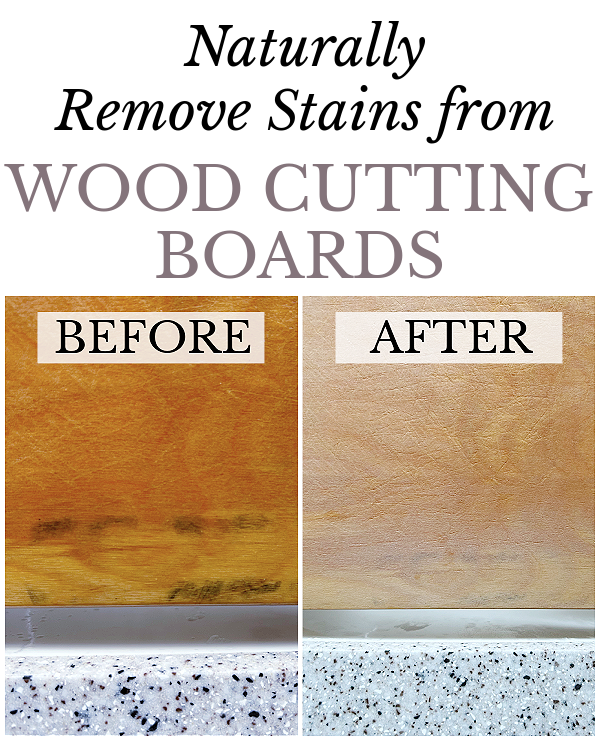
After washing, apply natural disinfectants like white vinegar or lemon juice to kill bacteria without damaging the wood. Vinegar’s acidity helps neutralize germs, while lemon adds a fresh scent and mild bleaching effect.
Let the disinfectant sit for a few minutes before rinsing or wiping off. You can even sprinkle coarse salt on the board and rub it with half a lemon for extra scrubbing power and odor removal.
Avoiding Harsh Chemicals
Steer clear of bleach or commercial cleaners that can seep into wood and leave harmful residues. These harsh chemicals may also degrade the board’s surface, shortening its lifespan.
Instead, stick to gentle, food-safe cleaning agents. Your cutting board will stay clean and safe without the risk of chemical contamination or damage.

Credit: ca.style.yahoo.com
Deodorizing The Board
After cleaning your wood cutting board of raw meat, odors can linger. Deodorizing the board helps remove smells and keeps it fresh. Natural ingredients work well to neutralize odors without harsh chemicals. These easy methods use common kitchen items to refresh your board safely.
Lemon And Salt Scrub
Cut a lemon in half and sprinkle coarse salt over the board. Use the lemon half to scrub the salted surface. The salt acts as a gentle abrasive, while the lemon juice breaks down odors. Scrub in circular motions to cover the entire board.
Let the mixture sit for 5 minutes to absorb smells. Rinse with warm water and dry the board thoroughly. This method brightens the wood and leaves a clean scent.
Baking Soda Application
Sprinkle baking soda evenly over the cutting board surface. Baking soda absorbs strong odors and cleans the wood naturally. Use a damp cloth to spread it across the board.
Let the baking soda sit for 15 minutes for best results. Rinse off with warm water and dry well. This simple step helps remove tough smells and freshens the board quickly.
Drying And Maintenance
Allow the wood cutting board to air dry completely after washing. Apply mineral oil regularly to keep the wood from cracking and warping. Store the board in a dry, well-ventilated area to maintain its condition.
Drying and maintaining your wood cutting board is crucial. It helps preserve its beauty and functionality. Proper care ensures your board lasts for years. Let's explore essential drying techniques and maintenance tips.
Proper Drying Techniques
Drying your board properly prevents warping and cracking. After washing, use a clean towel to remove excess moisture. Stand the board upright on its side. This allows air to circulate around it. Never leave it flat on a wet surface. Avoid placing it in direct sunlight or near heat sources.
Oiling And Conditioning
Regular oiling keeps your board in top condition. Use food-grade mineral oil for best results. Apply a generous amount to the surface. Rub it in with a soft cloth, following the grain. Allow the oil to soak for several hours or overnight. Wipe away any excess oil before using the board again. Conditioning your board helps prevent it from drying out. It also enhances its natural appearance.
Avoiding Common Mistakes
Cleaning your wood cutting board after handling raw meat is crucial, but many people make mistakes that can damage the board or leave harmful bacteria behind. Avoiding these common errors helps keep your board safe and lasting longer. Let’s take a look at what you should never do and when it’s time to think about replacing your board altogether.
What Not To Do
Never soak your wood cutting board in water. Wood absorbs water, which can cause it to warp and crack over time.
Avoid using harsh chemicals or bleach. These can damage the wood fibers and leave toxic residues that might contaminate your food.
Do not put your wood board in the dishwasher. The high heat and water pressure will ruin its surface quickly.
Steer clear of using the same sponge or cloth on your cutting board that you use on other kitchen surfaces. Cross-contamination is a real risk here.
Don’t forget to dry your board immediately after washing. Leaving it wet invites bacteria growth and can cause mold.
Signs Your Board Needs Replacement
Look out for deep grooves or cracks that are hard to clean properly. These crevices can trap bacteria and pose health risks.
If your board smells persistently sour or like raw meat despite thorough cleaning, it’s a red flag that bacteria have taken hold.
Notice if the surface is excessively worn or splintering. This not only makes cleaning difficult but also increases the chance of wood fragments getting into your food.
Ask yourself: Can you restore the board by sanding it down, or is it beyond repair? Sometimes, investing in a new board is safer and more practical than trying to save an old one.
Credit: www.lemonslavenderandlaundry.com
Frequently Asked Questions
How Do I Disinfect A Wood Cutting Board After Raw Meat?
Use hot, soapy water to scrub the board immediately after use. Rinse well, then apply white vinegar or hydrogen peroxide to kill bacteria. Let it sit for a few minutes, rinse again, and dry thoroughly to prevent moisture buildup and warping.
Can I Use Bleach To Clean A Wood Cutting Board?
Avoid using bleach on wood cutting boards as it can damage the wood fibers. Instead, use natural disinfectants like vinegar or hydrogen peroxide. These options effectively kill bacteria without harming the wood or affecting its longevity.
How Often Should I Oil My Wood Cutting Board?
Oil your wood cutting board once a month or when it looks dry. Use food-safe mineral oil to maintain moisture and prevent cracking. Regular oiling prolongs the board’s life and keeps it resistant to stains and bacteria.
Is It Safe To Wash Wood Boards In A Dishwasher?
No, wood cutting boards should never be washed in a dishwasher. The high heat and water pressure can cause the wood to warp, crack, or split. Always hand wash and dry your wood board to maintain its shape and durability.
Conclusion
Cleaning a wood cutting board after raw meat is simple and important. Use hot water and soap right away. Scrub the surface well to remove germs. Rinse thoroughly and dry it fast to keep wood safe. Sometimes, use vinegar or baking soda for extra cleaning.
Always keep your board clean to avoid sickness. A clean board lasts longer and stays strong. Remember, careful cleaning protects your family’s health every time. Easy steps make your kitchen safer and your cutting board ready to use again.