Your cast iron Dutch oven is a kitchen treasure, but rust can turn it into a frustrating mess. If you’ve noticed reddish spots or rough patches, don’t worry—you can bring your Dutch oven back to life.
Imagine cooking your favorite meals in a pot that’s clean, smooth, and ready to use again. In this guide, you’ll discover simple and effective steps to remove rust and restore your cast iron’s shine. Keep reading, and you’ll learn how easy it is to save your Dutch oven and keep it cooking like new.
Identify Rust On Your Dutch Oven
Identifying rust on your cast iron Dutch oven is the first step to proper cleaning. Rust forms when moisture meets iron, causing a reddish-brown layer. This layer weakens the metal and affects cooking quality. Spotting rust early helps maintain your cookware’s life and performance.
Rust can appear in different ways. It might show as small spots or cover larger areas. Sometimes, it looks like a rough texture instead of smooth cast iron. Knowing these signs helps you treat the rust effectively.
Visual Signs Of Rust On Cast Iron
- Reddish-brown discoloration on the surface
- Flaky or rough patches instead of smooth metal
- Areas where the black seasoning has worn away
- Dull or faded spots in the cooking area
Physical Texture Changes To Notice
- Surface feels rough or gritty to the touch
- Loose flakes that come off when rubbed gently
- Uneven patches that look pitted or corroded
Common Areas Where Rust Develops
- Inside the pot, especially the bottom and sides
- Edges of the lid and handles
- Any cracks or chips in the seasoning layer
- Spots where water might have sat for a long time

Credit: caravancampingclassifieds.com.au
Gather Cleaning Supplies
Before you start scrubbing away at your rusted cast iron Dutch oven, it's essential to gather the right cleaning supplies. Having everything ready makes the process smoother and helps you avoid frustration. Plus, using the correct tools protects your cookware and ensures a thorough clean.
Essential Cleaning Tools
- Steel Wool or Wire Brush:Perfect for scrubbing off tough rust spots without damaging the iron.
- Non-Metallic Scrubbing Pad:Use this for lighter rust or after the heavy scrubbing to smooth the surface.
- Plastic or Wooden Scraper:Ideal for removing stuck-on food and rust flakes gently.
Cleaning Agents To Have On Hand
- White Vinegar:Its acidity helps dissolve rust effectively. Have enough to soak your Dutch oven.
- Baking Soda:Acts as a gentle abrasive and neutralizer after vinegar treatment.
- Mild Dish Soap:For final cleaning after rust removal, ensuring no residues remain.
Protective Gear For Safe Cleaning
- Rubber Gloves:Protect your hands from harsh scrubbing and acidic vinegar.
- Old Towels or Rags:Useful for drying and applying oil after cleaning.
Have you ever started cleaning only to realize you were missing a key tool? It’s frustrating and wastes time. Preparing your supplies in advance gives you control and confidence to tackle the rust head-on.
Remove Loose Rust
Before you dive into deep cleaning your rusted cast iron Dutch oven, it's crucial to tackle the loose rust first. Removing these flaky bits prevents further damage and prepares the surface for seasoning. This step is all about gently scraping away what’s easy to lift without harming the cast iron underneath.
Use Steel Wool Or A Scrubber
Grab a piece of steel wool or a heavy-duty scrubber designed for cast iron. Apply firm, even pressure to rub off the loose rust patches. You’ll notice the rust flakes coming off in small bits—don’t rush; take your time to avoid scratching the metal beneath.
If you hit a stubborn spot, try dipping the wool or scrubber in a little warm water or mild dish soap. This helps soften the rust and makes scrubbing easier. How often have you walked away too fast, only to see rust return? Slow and steady wins here.
Rinse And Dry Thoroughly
Once the loose rust is removed, rinse your Dutch oven under warm water to wash away any rust particles. It’s important to remove all debris, so your next cleaning steps work effectively.
Dry your Dutch oven completely with a clean towel right after rinsing. Leaving any moisture behind invites new rust spots. You can even warm it gently on the stove to evaporate lingering dampness—have you tried this quick trick before?
Apply A Vinegar Soak
Cleaning a rusted cast iron Dutch oven can seem daunting. But applying a vinegar soak is an effective method. This approach uses common household items. It makes the process easy and affordable. The acidity of vinegar helps dissolve rust. Below is a guide on how to apply a vinegar soak.
Mix Vinegar And Water Solution
Start by mixing vinegar with water. Use a ratio of 1:1. For a medium-sized Dutch oven, fill it halfway with vinegar. Then add an equal amount of water. This solution is strong enough to tackle rust.
Soak For The Right Time
Place the Dutch oven in the solution. Ensure the rusted areas are submerged. Allow it to soak for several hours. Check the progress every hour. Do not exceed 8 hours to avoid damage. After soaking, rinse the oven thoroughly. You may need to scrub gently to remove loosened rust.
Scrub Away Remaining Rust
Scrubbing away the remaining rust is a crucial step in restoring your cast iron Dutch oven. Rust can be stubborn, but with the right approach, you can bring your cookware back to life without damaging its surface. The key is to use gentle yet effective cleaning agents and techniques that target rust without stripping away the seasoning.
Use Baking Soda Paste
Baking soda is a natural abrasive that works wonders on rust. Make a thick paste by mixing baking soda with a little water until it reaches a spreadable consistency. Apply this paste directly onto the rusty spots of your Dutch oven.
Let the paste sit for about 15 minutes. This waiting period helps break down the rust, making it easier to remove. Baking soda is safe for cast iron and won't harm the seasoning if used correctly.
Scrub Gently
Use a soft-bristled brush or a non-metal scrubber to gently scrub the baking soda paste into the rusted areas. Avoid harsh scrubbing tools like steel wool, which can scratch the surface and remove seasoning.
Work in circular motions and focus on the rust spots. You might be surprised how much rust can come off with just a little elbow grease. If some rust remains, reapply the paste and repeat the process.
Have you ever noticed how patience and gentle effort can save your favorite cookware from being tossed out? Taking your time here pays off with a Dutch oven ready for many more meals.

Credit: www.youtube.com
Season Your Dutch Oven
Seasoning your cast iron Dutch oven is key to restoring its protective layer and ensuring it cooks beautifully for years. After cleaning off the rust, you’ll want to rebuild that natural, non-stick surface. This process might seem simple, but it requires care and attention to detail to get it right.
Apply Oil Coating
Start by applying a thin layer of oil all over your Dutch oven. Use oils with high smoke points like flaxseed, grapeseed, or vegetable oil. Avoid thick coatings—too much oil can create a sticky residue instead of a smooth finish.
Rub the oil evenly inside and out, including the lid. Pay close attention to corners and handles where oil can pool. This even coating is what forms the seasoning layer and protects your cast iron from rust.
Bake To Seal Seasoning
Next, place your Dutch oven upside down in a preheated oven at 450°F (230°C). Put a sheet of aluminum foil on the rack below to catch any drips. Bake it for an hour to allow the oil to polymerize and bond to the surface.
After baking, turn off the oven and let the Dutch oven cool inside. This slow cooling helps the seasoning harden evenly. Do you notice how your kitchen starts to smell a little smoky? That’s the oil transforming into a durable, protective layer.
Maintain Rust-free Cast Iron
Maintaining a rust-free cast iron Dutch oven keeps it strong and lasts longer. Rust forms when water stays on the surface too long. Proper care after cleaning stops rust from coming back. Follow simple steps to protect your cast iron and keep it ready for cooking.
Dry Immediately After Use
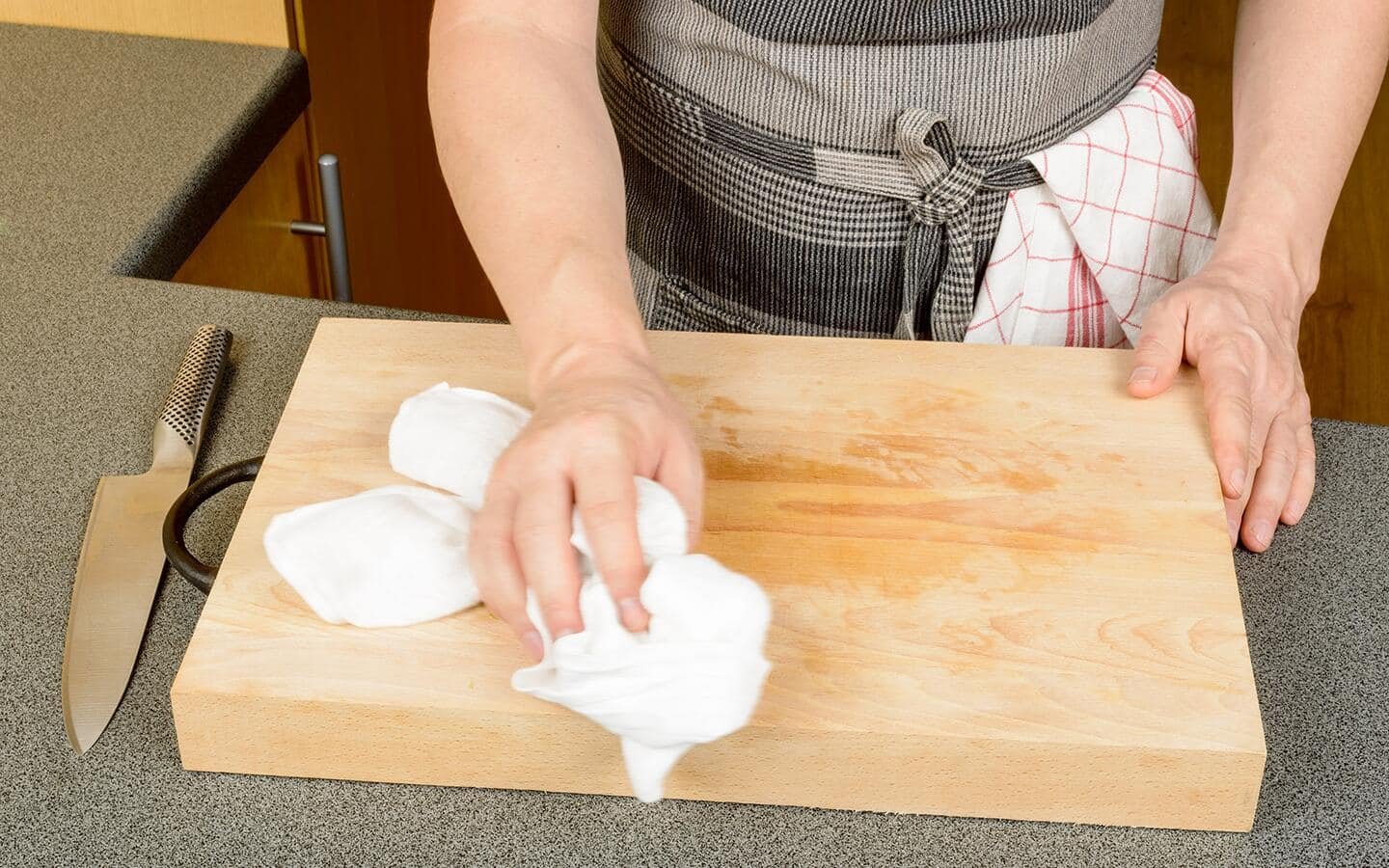
Water causes rust quickly on cast iron. Always dry your Dutch oven right after washing. Use a clean towel to wipe all moisture off. For best results, heat the pot on low stove heat for a few minutes. This removes any leftover dampness. Make sure the inside and outside are fully dry before storing.
Store Properly
Store your cast iron in a dry place with good air flow. Avoid keeping it in damp areas like under the sink. Place a paper towel or cloth inside the pot to absorb moisture. Keep the lid slightly open to allow air circulation. Proper storage prevents rust and keeps your Dutch oven ready to use.

Credit: food52.com
Frequently Asked Questions
How Do I Remove Rust From A Cast Iron Dutch Oven?
To remove rust, scrub the surface with steel wool or a wire brush. Rinse, dry thoroughly, and re-season your Dutch oven to restore its protective layer.
Can Vinegar Clean Rust Off Cast Iron Cookware?
Yes, soak the rusted area in a 50/50 vinegar-water solution for up to one hour. Scrub gently and rinse well to prevent damage.
How Often Should I Season A Cast Iron Dutch Oven?
Season your Dutch oven after every deep clean or rust removal. Regular seasoning keeps the surface non-stick and prevents future rust.
Is It Safe To Use Soap On Rusted Cast Iron?
Mild soap can be used cautiously to clean rusted cast iron. Avoid harsh detergents to preserve the seasoning and prevent drying out the metal.
Conclusion
Cleaning a rusted cast iron Dutch oven takes time and care. Use simple tools like steel wool and salt for scrubbing. Rinse and dry it well to stop rust from coming back. Season your pot with oil to keep it smooth and shiny.
Regular cleaning helps your Dutch oven last many years. Enjoy cooking with your restored, strong cookware every day. Keep this routine, and your pot will stay in great shape. Easy steps bring back its beauty and usefulness.