You love making fresh pasta at home, but cleaning your pasta maker can feel like a hassle. If you don’t clean it right, dough can get stuck and ruin your machine.
What if you could keep your pasta maker spotless without wasting time or effort? In this guide, you’ll learn simple, effective steps to clean your pasta maker quickly and safely. By the end, your machine will be ready for every delicious batch you want to create.
Keep reading to discover easy tips that protect your pasta maker and make your cooking experience even better.
Tools Needed
Cleaning your pasta maker properly means having the right tools at hand. Without them, the process can become frustrating or ineffective. Gathering everything you need beforehand saves time and ensures your machine stays in great condition.
Basic Cleaning Tools
- Dry brush:A small, stiff-bristled brush helps remove flour and dough bits from the rollers and cutters without damaging the machine.
- Soft cloth:Use a lint-free cloth to wipe down surfaces and remove any remaining residue gently.
- Toothpicks or wooden skewers:Perfect for reaching tiny crevices where dough might get stuck.
I once tried cleaning my pasta maker with a wet sponge and ended up damaging the rollers. That taught me the importance of sticking to dry tools.
Optional Cleaning Supplies
- Compressed air can:Useful for blowing out flour dust from hard-to-reach spots.
- Vacuum with small nozzle:If you have one, it can quickly suck out loose particles from inside the machine.
- Mild soap and water:Only for parts specified as washable by the manufacturer; otherwise, avoid liquids entirely.
Be cautious about moisture near the metal parts to avoid rust. Have you checked your pasta maker’s manual to see if any parts are dishwasher safe?
Maintenance Tools
- Small screwdriver:Handy if you need to remove parts for a deeper clean or to tighten screws.
- Food-safe oil:Some machines require occasional lubrication to keep rollers moving smoothly.
Regular maintenance tools can extend your pasta maker’s life. Do you keep a maintenance kit ready, or do you clean only when problems arise?

Credit: www.youtube.com
Disassembling The Pasta Maker
Disassembling your pasta maker is the first crucial step toward a thorough clean. Taking it apart carefully lets you reach all the hidden spots where dough and flour often get stuck. Have you ever noticed how those tiny crevices can build up residue that affects your pasta’s texture?
Locate and Remove the Handle
Start by locating the handle, which is usually attached to the side. Gently pull or unscrew it depending on your model. This part is simple to remove but critical to take off before you can access the rollers.
Detach the Rollers
The rollers are the core of your pasta maker. Look for screws or levers holding them in place. Carefully loosen these so you can slide the rollers out without forcing them—force can damage the alignment.
Separate the Cutting Blades
Cutting blades can be fiddly but don’t rush this step. Identify the clips or screws securing them. Removing blades lets you clean dough bits that often jam the cutting process.
Keep Track of Small Parts
It’s easy to lose tiny screws or washers during disassembly. Use a small bowl or a magnetic tray to hold these parts. You’ll thank yourself when you reassemble your pasta maker without hunting for missing pieces.
Refer to the Manual if Needed
Every pasta maker design is a bit different. If you hit a snag, check the manual or the manufacturer’s website for diagrams. Sometimes a quick reference prevents accidental damage and saves time.
Removing Dough Residue
Removing dough residue from a pasta maker is essential for its smooth operation. Leftover dough can harden and block the machine’s rollers. Cleaning it promptly keeps your pasta maker in good condition and ready for the next use.
Use gentle tools and avoid harsh cleaning methods to protect the machine. Proper cleaning helps maintain hygiene and extends the life of your pasta maker.
Using A Brush
A small brush works well to remove dough stuck in the crevices. Choose a brush with firm but gentle bristles.
- Brush the rollers to clear away dried dough.
- Focus on edges and corners where dough hides.
- Use short strokes to loosen residue without damaging parts.
A toothbrush or a pastry brush suits this task perfectly. Clean the brush regularly to avoid spreading old dough back onto the machine.
Avoiding Water Damage
Do not use water to clean the pasta maker unless the manual says so. Water can cause metal parts to rust and wooden components to swell.
- Remove dough with dry tools only.
- Wipe with a dry cloth if needed.
- Store in a dry place to prevent moisture buildup.
Keeping the machine dry protects its moving parts and ensures smooth pasta making every time.
Cleaning The Rollers
Cleaning the Rollers Remove any leftover dough with a dry cloth. Gently turn the roller knobs to dislodge stuck particles. Use a soft brush to clean crevices and ensure no residue remains. Finish with a damp cloth to wipe down the rollers for a thorough clean.
Cleaning the rollers of your pasta maker is a task that might seem daunting, but it's essential for ensuring your machine continues to produce perfect pasta. Residue can accumulate quickly, affecting the quality of your pasta and even damaging the rollers over time. With a few simple techniques, you can keep your pasta maker in excellent condition and extend its lifespan.
Wiping With A Dry Cloth
Start by gently wiping down the rollers with a dry cloth. This helps remove any flour or dough remnants stuck to the surface. Make sure the cloth is soft to avoid scratching the rollers. It's surprising how much debris can cling to the rollers, and a simple wipe can go a long way in maintaining cleanliness.
Using A Toothpick For Crevices
Rollers often have small crevices where dough can hide. Grab a toothpick to carefully dislodge any stubborn bits. This step ensures that no hidden debris remains that could affect your next batch of pasta. It might feel meticulous, but this attention to detail pays off with smoother pasta-making sessions. Have you ever noticed how small details can make a big difference? Cleaning these crevices is one of those small details that can significantly enhance your pasta maker's performance.
Cleaning Attachments
Cleaning the attachments of your pasta maker keeps it working smoothly. Food particles and dough bits can stick in small spaces. Regular cleaning stops buildup and prevents bad smells. It also helps the machine last longer. Focus on removing all residue carefully. Use the right tools for each part. Clean attachments make fresh pasta every time.
Detaching And Cleaning
Start by unplugging the pasta maker for safety. Remove the attachments gently from the main body. Check the manual for specific instructions. Use a small brush or cloth to wipe off dough. Avoid water on metal parts that can rust. For stubborn bits, a wooden or plastic tool works well. Wash removable parts in warm, soapy water. Rinse them thoroughly to remove soap. Dry them immediately to stop rust or damage.
Drying Properly
Dry each attachment fully before storing. Use a clean towel to pat dry. Air dry in a warm place for extra moisture removal. Avoid putting parts in direct sunlight or near heat sources. Moisture can cause rust and damage the machine. Store attachments in a dry, safe spot. Proper drying keeps your pasta maker fresh and ready.
Preventing Rust And Build-up
Preventing rust and build-up on your pasta maker keeps it working smoothly. Moisture and leftover dough cause rust and sticky residue. Cleaning and storing it properly extends its life. Follow simple habits to keep your pasta maker in top shape.
Proper Storage Tips
- Dry the pasta maker completely before storing it.
- Keep it in a dry, cool place away from humidity.
- Cover with a cloth or place in a box to avoid dust.
- Disassemble parts if possible to allow air circulation.
- Use silica gel packets in storage to absorb moisture.
Routine Maintenance
- Wipe the pasta maker after each use with a dry cloth.
- Remove leftover dough immediately to prevent hard build-up.
- Use a small brush to clean rollers and cutters gently.
- Avoid water or soap on metal parts to stop rust.
- Apply a light layer of food-safe oil on metal surfaces occasionally.
Troubleshooting Common Issues
Troubleshooting common issues helps keep your pasta maker in top shape. Small problems can stop the machine from working well. Fixing these issues quickly saves time and effort. Here are simple ways to solve frequent problems.
Stuck Rollers
Rollers may get stuck due to dough residue or lack of cleaning. Dry dough pieces can harden and block the rollers. Use a soft brush to remove crumbs and flour after each use.
If rollers remain stuck, try these tips:
- Turn the adjustment knob back and forth gently.
- Use a toothpick or wooden stick to clear dough bits.
- Run a small piece of dough through rollers to help loosen them.
Avoid using water on rollers to prevent rust or damage.
Unpleasant Odors
Bad smells can come from leftover dough or moisture inside the machine. Clean the pasta maker after every use to avoid odors.
Try these steps to remove smells:
- Wipe all parts with a dry cloth.
- Leave the machine open to air dry completely.
- Use a small amount of baking soda on a cloth to absorb odors.
Do not use strong cleaners or soak the machine in water. This may harm its parts.
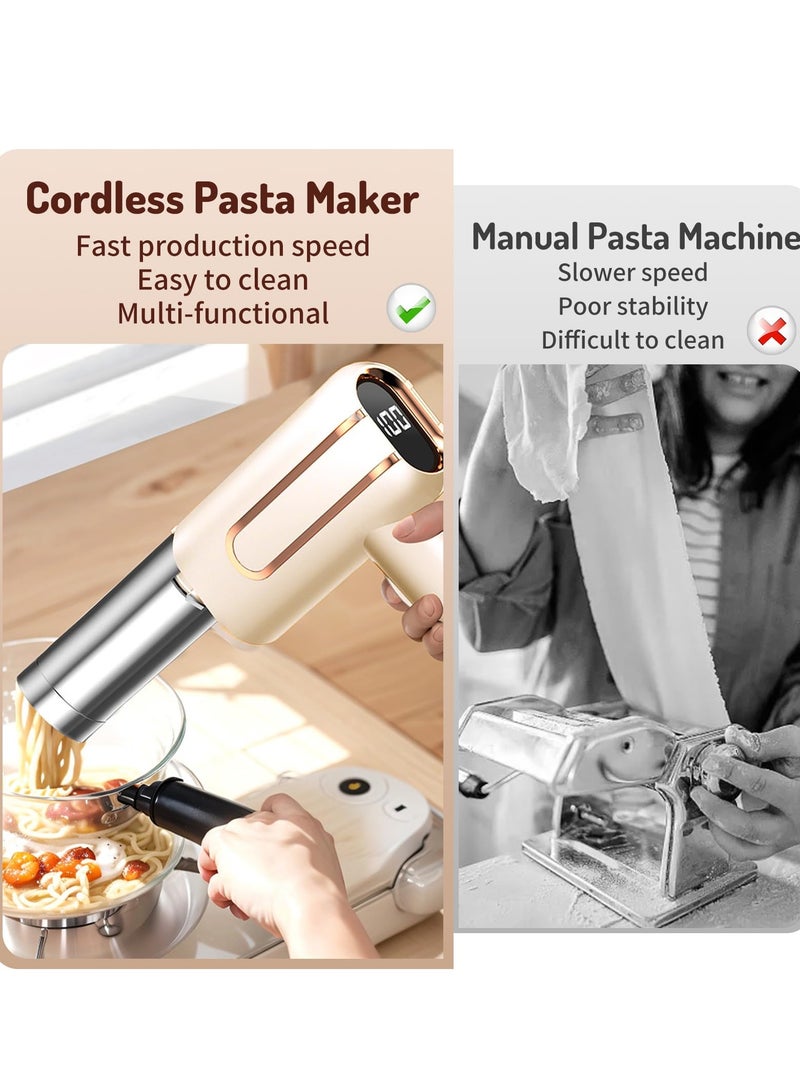
Credit: www.asianlabgrowndiamonds.com

Credit: www.kingarthurbaking.com
Frequently Asked Questions
How Do You Clean A Pasta Maker After Use?
Use a dry brush or wooden stick to remove dough bits. Avoid water to prevent rust. Wipe with a dry cloth for best results.
Can I Wash Pasta Maker Parts With Water?
No, avoid water on metal parts as it causes rust. Clean rollers and cutters with a dry brush or cloth only.
How Often Should I Clean My Pasta Maker?
Clean your pasta maker after every use. This prevents dough buildup and keeps it functioning smoothly for longer.
What Tools Are Best For Cleaning A Pasta Maker?
Use a soft brush, wooden stick, and dry cloth. Avoid abrasive tools or water to protect the machine’s surface.
Conclusion
Cleaning your pasta maker keeps it working well and lasts longer. Always remove dough bits before they harden. Use a brush or cloth, not water, to avoid rust. Regular care saves time and effort in the future. Enjoy fresh pasta made with a clean, ready machine.
Simple steps make a big difference in your cooking. Keep your pasta maker neat, and it will serve you well.