Are you tired of trying to figure out how to switch your digital scale from kilograms to pounds? You’re not alone.
Many people find it confusing when their scale only shows weight in one unit, especially if you’re tracking your progress or recipes that use different measurements. The good news is, changing your digital scale from kg to lbs is usually quick and simple.
You’ll learn exactly how to do it step-by-step, so you can get accurate readings in the unit that works best for you. Keep reading, and you’ll never have to guess your weight again.
Credit: www.vevor.ca
Check Your Scale Model
Before switching your digital scale from kilograms to pounds, it’s essential to know exactly which model you own. Different brands and models have unique ways to change units, so identifying your scale ensures you follow the right steps. This also helps avoid frustration and saves time.
Locate The Model Number
Check the back or bottom of your scale for a label or sticker. It usually displays the model number, brand name, and sometimes a serial number. If you can’t find it there, look inside the battery compartment—many scales place the label there.
Knowing your model number allows you to search for the exact user manual online. This step is key because some scales use buttons, while others rely on touch sensors to change units.
Check The User Manual
If you still have your scale’s manual, it’s the best place to find instructions. Look for a section about changing measurement units or settings. Manuals often include diagrams that make the process clearer.
No manual? Don’t worry. Most manufacturers provide PDFs on their websites. Just enter your model number into their support page search bar.
Identify Unit Change Buttons
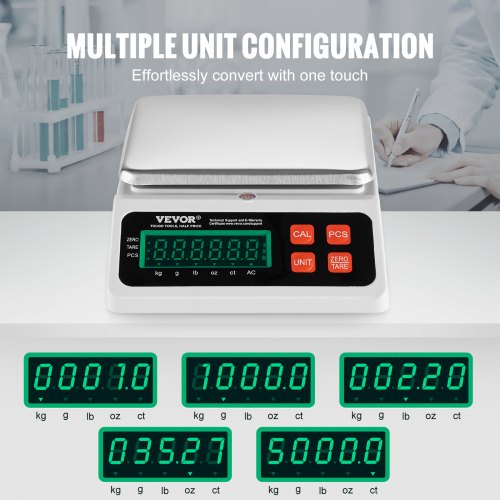
After identifying your scale model, look closely at the buttons. Many scales have a dedicated “Unit” button that cycles through kg, lbs, and sometimes stones. Some models require holding down the power button or a combination of buttons to switch units.
If your scale doesn’t have visible buttons, try tapping the display or pressing and holding the power button. Some modern scales use touch-sensitive controls instead of physical buttons.
Consider Digital Features
Some high-end digital scales connect to smartphone apps, where you can change units through the app settings. If your scale supports Bluetooth, check the app for unit options.
Are you curious about whether your scale has app integration? This can add convenience but also means the unit change process happens outside the scale itself.
Locate The Unit Button
Locating the unit button on your digital scale is the key to switching between kilograms and pounds. This button lets you customize the scale’s reading to fit your needs. Finding it quickly saves time and avoids confusion, especially when you’re in a rush.
Where To Find The Unit Button
The unit button is usually small and labeled “Unit,” “kg/lb,” or just “kg.” You’ll often find it on the back or bottom of the scale. Sometimes, it’s right next to the display screen, making it easy to spot.
Check around the battery compartment or near the power button if you don’t see it immediately. If your scale came with a manual, a quick glance can point you in the right direction.
What The Unit Button Looks Like
Not all unit buttons look the same. Some are physical buttons you press, while others are touch-sensitive areas on the scale’s surface. You might see a small icon representing weight units, such as “kg” or “lb.”
If you can’t find a button, your scale might change units by holding down the power button or tapping the screen. Have you ever tried pressing and holding buttons to discover hidden features?
Tips For Easy Switching
- Turn the scale on before pressing the unit button to ensure it registers your input.
- Press the unit button once to toggle through the available units instead of holding it down.
- Wait for the display to blink or change to confirm the unit has switched successfully.
Remember, some digital scales remember your last setting, so you may not need to change units every time you use it. Have you noticed your scale remembers your preferred unit after a few uses?
Switch Units With Button Press
Switching the units on a digital scale from kilograms (kg) to pounds (lbs) is usually simple. Most digital scales include a button that lets you toggle between units quickly. This feature helps users from different regions use the same scale without confusion.
Using the button to change units saves time. It avoids the need to manually convert weights. The button is often labeled clearly, making it easy to find.
Locate The Unit Button On Your Scale
Look for a button marked "Unit," "Mode," or "Kg/Lb." It is usually near the display or on the side. Some scales have a small switch instead of a button.
If you cannot find the button, check the user manual or the back of the scale. The button may be hidden or need a tool to press.
Press The Button To Switch Units
Turn on the scale. Wait for it to show zero or the weight reading. Press the unit button once to change the weight unit.
Each press cycles through available units, such as kg, lbs, or stones. Stop pressing when the display shows the desired unit.
Confirm The Unit Change On The Display
After pressing the button, check the screen. The unit symbol should update to "lbs" or "kg." The weight number may also adjust to the new unit.
If the unit does not change, press the button again or try holding it down for a few seconds. Some scales need a long press to switch units.
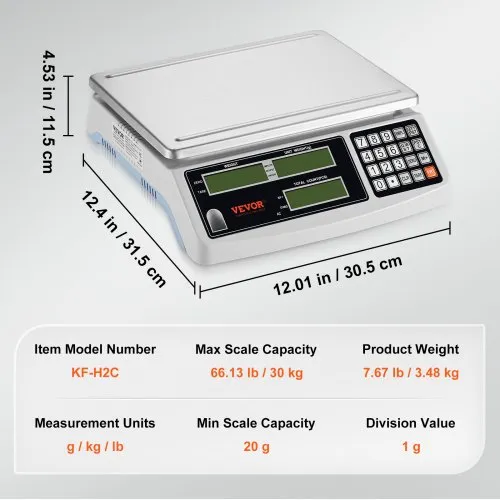
Credit: www.vevor.ca
Use The Scale’s Settings Menu
Changing a digital scale's unit from kg to lbs can be simple. Most digital scales have a settings menu for this purpose. Accessing this menu is often the first step. Let's explore how you can use the scale’s settings menu to make the switch.
Access The Settings Menu
Locate the settings button on your scale. It is often labeled with a gear icon. Press and hold this button for a few seconds. The settings menu should appear on the display screen.
Navigate To Unit Settings
Once in the settings menu, find the unit settings option. This is typically labeled as "Unit" or "Measurement". Use the arrow buttons to scroll through the menu options.
Select Pounds (lbs) As The Unit
In the unit settings, you will see kg and lbs. Use the arrow buttons to switch from kg to lbs. Confirm your selection by pressing the settings button again.
Save And Exit The Settings Menu
After selecting lbs, ensure your choice is saved. Some scales automatically save changes. Others may require pressing a specific button to confirm. Exit the settings menu to complete the process.
Manual Conversion Tips
Manual conversion can be a handy skill when your digital scale only shows kilograms, but you need the weight in pounds. It’s quick, doesn’t require any tools, and helps you stay accurate when you’re tracking your progress or cooking recipes. Let’s look at some simple tips to switch between these units easily.
Understanding The Conversion Factor
The key number to remember is 2.20462. This means 1 kilogram equals about 2.2 pounds. Keeping this figure in mind helps you convert weights without confusion.
Try to round it to 2.2 for quick calculations. This small adjustment keeps your math easy and the results close enough for everyday use.
Using Mental Math Tricks
Break the number down for faster mental math. For example, multiply the kilogram value by 2 and then add 10% of that number.
- Weight in kg: 50
- Double it: 100
- Add 10% (10): 110 lbs
This method gives a close estimate without needing a calculator.
Creating A Simple Conversion Table
Write down common weights you use and their pound equivalents. Keep this table somewhere visible near your scale for quick reference.
| Kilograms (kg) | Pounds (lbs) |
|---|---|
| 10 | 22 |
| 25 | 55 |
| 50 | 110 |
| 75 | 165 |
| 100 | 220 |
This way, you don’t waste time recalculating familiar weights.
Using Everyday Objects For Approximation
If you don’t want to do the math, compare your weight to objects you know in pounds. For instance, a 5 kg bag of rice is about 11 lbs. This helps you visualize the conversion better.
Have you tried weighing common household items to get a feel for pounds? It can make manual conversion more intuitive.

Credit: manuals.plus
Troubleshooting Common Issues
Switching your digital scale from kilograms to pounds should be simple, but sometimes issues pop up that stop the change from happening smoothly. These problems can be frustrating, especially when you just want quick and accurate readings.
Understanding common hiccups can save you time and stress. Let’s look at some typical troubles and how you can fix them quickly.
Checking The Scale’s Power Source
One of the first things to verify is whether your scale has enough power. Low battery levels often cause the scale to malfunction or not respond to unit changes.
Try replacing the batteries with fresh ones and see if the unit switch works. If your scale uses a rechargeable battery, ensure it’s fully charged before attempting to change settings.
Using The Correct Button Or Combination
Many digital scales require pressing a specific button or a combination of buttons to toggle between kg and lbs. This can be confusing without the manual on hand.
Look closely at the buttons labeled “Unit,” “Mode,” or “Settings.” Sometimes holding down a button for a few seconds triggers the unit change. If you’ve ever missed this step, you know how easy it is to get stuck on the wrong measurement.
Resetting The Scale To Factory Settings
If your scale won’t switch units despite your efforts, try resetting it. A reset clears any glitches and restores default settings, which often resolves unit display problems.
Usually, this involves removing the batteries, pressing the power button for a few seconds, then reinserting the batteries. Have you ever found that a simple reset fixed a tech issue you thought was complicated?
Ensuring The Scale Is On A Flat, Stable Surface
It might sound odd, but an uneven surface can affect the scale’s performance and prevent unit changes. The scale needs stability to register commands correctly.
Place your scale on a hard, flat surface like tile or hardwood floor—not carpet or uneven ground. This small change can make a big difference in responsiveness.
Consulting The User Manual Or Manufacturer Support
If none of the above works, it’s time to check the user manual for your specific model. Manuals often have unique instructions that differ from general advice.
Don’t hesitate to contact customer support if you’re stuck. They can offer model-specific tips that save you from unnecessary frustration and replacement costs.
Maintaining Accuracy After Conversion
Maintaining accuracy after converting your digital scale from kilograms to pounds is essential. The conversion process can affect the scale's precision. Careful handling and proper calibration keep measurements reliable and consistent.
Small errors during conversion may cause incorrect readings. Checking the scale regularly helps avoid this problem. Consistent accuracy is crucial for tracking weight changes correctly.
Calibrate Your Scale Regularly
Calibration ensures the scale measures weight correctly after conversion. Use known weights or calibration tools. Follow the manufacturer’s instructions for best results. Regular calibration prevents errors and keeps readings precise.
Place The Scale On A Flat Surface
A flat, stable surface affects the scale’s accuracy. Uneven floors can cause incorrect readings. Use a hard floor instead of carpet. Double-check the level before weighing.
Use Consistent Units For Tracking
Stick to one unit system after conversion. Switching between kilograms and pounds causes confusion. It also makes tracking progress harder. Choose pounds or kilograms and use them consistently.
Check Battery And Sensor Condition
Low battery or damaged sensors reduce accuracy. Replace batteries regularly. Clean the scale’s sensors gently with a soft cloth. Keep the scale in good condition for reliable results.
Weigh Multiple Times For Accuracy
Weigh yourself several times to confirm the reading. Take the average if numbers vary slightly. This practice helps avoid mistakes caused by movement or scale shifts.
Frequently Asked Questions
How Do I Switch My Digital Scale From Kg To Lbs?
Most digital scales have a unit button or switch. Press it to toggle between kg and lbs. Refer to your scale’s manual for exact steps.
Can I Change Measurement Units On Any Digital Scale?
Most modern digital scales allow unit changes. However, some basic models may not support switching between kg and lbs.
Why Is My Scale Stuck On Kilograms Only?
Your scale might have a locked unit setting or require batteries replaced. Check the manual or reset the scale to fix this.
Does Changing Units Affect Scale Accuracy?
No, switching between kg and lbs does not affect accuracy. The scale converts units internally and provides precise measurements.
Conclusion
Changing your digital scale from kg to lbs is simple and quick. Just follow the steps carefully. Most scales have a clear button or switch for units. This small change helps you read weight in your preferred system. Remember to check the user guide if unsure.
Using the right unit makes tracking weight easier and more accurate. Keep your scale handy and switch units anytime you need. Now, you can weigh yourself comfortably, no matter the unit you prefer. Simple, fast, and useful.