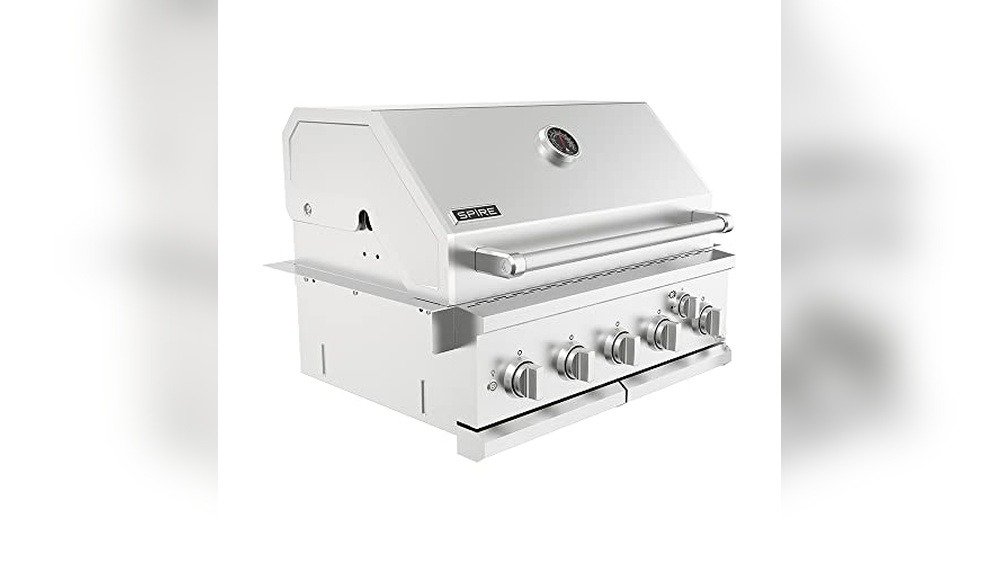
If you love grilling, knowing how to change a propane tank on your gas grill is a must. It’s easier than you think, and doing it right keeps you safe and your grill ready for those perfect cookouts.
Imagine running out of gas just as the burgers start sizzling—frustrating, right? This simple skill lets you avoid that hassle and enjoy your outdoor cooking without interruptions. Keep reading, and you’ll learn quick, clear steps to swap your propane tank like a pro.

Safety Precautions
Handling propane tanks requires care and attention. Safety precautions protect you and those around you from accidents. Follow these simple steps to stay safe while changing your gas grill's propane tank.
Turn Off The Grill
Always switch off the grill before touching the propane tank. This stops gas flow and reduces fire risk. Make sure all knobs are in the "off" position. Wait a few minutes to let any leftover gas clear away.
Check For Gas Leaks
After connecting the new tank, check for leaks. Mix soap and water in a spray bottle. Spray the solution on the tank valve and hose connections. Look for bubbles forming. Bubbles mean gas is escaping. Tighten connections or replace parts if needed.
Work In A Well-ventilated Area
Always change propane tanks outdoors or in open spaces. Good airflow helps disperse gas if it escapes. Avoid enclosed areas like garages or sheds. This lowers the chance of dangerous gas buildup.

Gather Necessary Tools
Before changing the propane tank on your gas grill, gather the right tools. Having everything ready makes the process smooth and safe. It helps avoid delays and mistakes during the change.
Propane Tank
Choose a propane tank that fits your grill. Check for dents or rust. Make sure the tank is full or has enough gas for your grilling needs. A good tank ensures steady heat and safety.
Wrench Or Pliers
Use a wrench or pliers to loosen and tighten the tank valve. These tools give a better grip and control. Avoid using your hands alone to prevent injury or damage.
Soap And Water Solution
Prepare a soap and water mix to check for leaks. Apply the solution on connections after attaching the tank. Bubbles show where gas might escape. This step keeps your grill safe to use.
Remove The Old Propane Tank
Removing the old propane tank from your gas grill is a straightforward but crucial step. It ensures your safety and prepares you for a smooth swap with a new tank. Paying attention to each detail during removal can prevent leaks and other hazards.
Close The Valve
Start by turning the valve on top of the propane tank clockwise until it’s fully closed. This stops the flow of gas and protects you from accidental leaks. I once skipped this step and ended up with a faint gas smell—definitely not a fun experience.
Disconnect The Regulator
Next, carefully unscrew the regulator from the tank’s valve. Use your hand to turn it counterclockwise; avoid using tools that might damage the connection. If the regulator feels stuck, wiggle it gently instead of forcing it—it usually loosens with a bit of patience.
Remove Tank From Grill
Lift the propane tank straight up and away from the grill base. Be mindful of your grip—propane tanks can be heavier than expected. If your grill has a securing bracket or strap, release it first to free the tank safely.

Inspect And Prepare The New Tank
Before installing a new propane tank on your gas grill, it is important to inspect and prepare it carefully. Proper inspection ensures safety and smooth operation. Preparing the tank correctly helps avoid leaks and connection problems.
Check For Damage
Look closely at the tank’s surface. Check for dents, rust, or cracks. Do not use a tank with visible damage. Make sure the tank’s valve is not bent or broken. A damaged tank can cause leaks or accidents.
Clean The Connection
Use a clean cloth to wipe the tank’s connection point. Remove any dirt, dust, or debris. A clean connection helps create a tight seal. Avoid using water or chemicals on the valve area. Keep it dry and free from oil or grease.
Remove Protective Caps
Take off any plastic or metal caps covering the tank valve. These caps protect the valve during transport. Removing them allows the tank to connect properly. Keep the caps for future use or safe disposal.
Connect The New Tank
Turn off the gas supply before removing the empty propane tank. Attach the new tank by connecting the valve and tightening it securely. Check for leaks to ensure safe grilling.
Connecting a new propane tank to your gas grill is a straightforward task. It ensures your grill is ready for the next barbecue. Safety and accuracy are key. Follow these steps to attach the new tank securely.
Attach The Regulator
Align the regulator with the tank valve. Ensure the connection is clean and free of debris. Push the regulator firmly onto the tank valve. Listen for a click to know it's in place.
Tighten Connections
Use your hand to tighten the connection. Avoid using tools, which can damage the fittings. Check that the regulator is snug and secure. A tight connection prevents gas leaks.
Ensure Secure Fit
Gently wiggle the regulator to test its fit. It should not move or come loose. Double-check the connection for peace of mind. Safety first ensures a smooth grilling experience.
Test For Leaks
Testing for leaks after changing your propane tank is a crucial safety step. Even a tiny leak can lead to dangerous situations, so don’t skip this part. It’s easier and quicker than you might think, and you can do it with simple household items.
Apply Soap Solution
Mix a few drops of dish soap with water in a spray bottle or bowl. You want enough soap to create bubbles when air passes through the solution. Then, apply this mixture generously to the valve, regulator, and hose connections of your propane tank.
Look For Bubbles
After applying the soap solution, watch closely for bubbles forming around the connections. Bubbles mean gas is escaping—this is your leak. Even small, slow-forming bubbles require attention because they indicate a potential hazard.
Fix Any Leaks
If you spot bubbles, tighten the connections gently but firmly. Avoid over-tightening, which can damage fittings. If tightening doesn’t stop the bubbles, replace any worn or cracked hoses and check the regulator. Never use a propane tank if you can’t fix the leak completely.
Start The Grill
Changing a propane tank on a gas grill is simple and safe. Always turn off the gas before removing the old tank. Connect the new tank tightly to avoid leaks and ensure a smooth grilling experience.
Starting your gas grill after changing the propane tank requires care. Ensuring a safe start is crucial. Follow these steps to ignite your grill safely and effectively.
Open The Valve Slowly
Open the propane tank valve slowly. This prevents gas surges. Turning the valve too fast can cause issues. A slow turn ensures a steady gas flow. Listen for any leaks when opening.
Ignite The Grill
Turn the grill’s control knob to start. Push the ignition button or use a matchstick. Ensure the burners light immediately. If not, turn off and try again. Never leave the gas running without ignition.
Monitor For Proper Function
Watch the flames after lighting. They should be blue with yellow tips. Adjust the knobs if flames are uneven. Keep an eye on the grill as it heats. Make sure it maintains a consistent flame.
Tank Storage And Disposal Tips
Proper tank storage and disposal are key for safety and the environment. Propane tanks hold flammable gas and need careful handling. Storing tanks in the right place prevents accidents. Getting rid of old tanks the right way keeps everyone safe and helps recycle materials.
Store Spare Tanks Safely
Keep spare propane tanks outside in a cool, dry place. Avoid storing tanks indoors or in garages. Make sure tanks stand upright on a flat surface. Keep tanks away from heat sources and open flames. Check tanks regularly for rust or damage. Use a shelter or cover to protect tanks from rain. Keep tanks out of reach of children and pets.
Dispose Of Old Tanks Properly
Do not throw old propane tanks in the trash. Empty tanks still have some gas inside. Take old tanks to a local recycling center or hazardous waste facility. Many hardware stores offer propane tank exchange or disposal. Call your city’s waste management for disposal rules. Never try to puncture or burn old tanks. Proper disposal helps avoid fires and pollution.
Frequently Asked Questions
How Do I Safely Disconnect A Propane Tank?
Turn off the gas valve on the propane tank first. Then, unscrew the regulator connection carefully. Avoid sparks and flames during the process. Always handle the tank with care to prevent gas leaks and accidents.
When Should I Replace My Propane Tank?
Replace your propane tank if it shows rust, dents, or leaks. Also, tanks older than 12 years should be replaced. Regular inspection ensures safety and optimal grill performance. Always check the tank’s certification date before use.
Can I Change A Propane Tank While Grill Is Hot?
No, never change the propane tank when the grill is hot. Turn off the grill and let it cool completely. Changing tanks on a hot grill can cause gas leaks or accidents.
How Do I Check For Propane Leaks After Changing Tanks?
Apply soapy water to the connection points and open the valve slowly. Look for bubbles forming, indicating a leak. If bubbles appear, tighten connections or replace faulty parts immediately.
Conclusion
Changing a propane tank on your gas grill is simple and safe. Always turn off the grill before starting. Remove the old tank carefully, then connect the new one tightly. Check for leaks with soapy water to stay safe. Regular tank checks keep your grill working well.
Now, you can enjoy cooking without worry. Keep these steps in mind for easy propane tank changes every time.