Are you ready to make your hanging basket burst with colorful, vibrant petunias all season long? Taking care of petunias in a hanging basket is easier than you might think, but it does require a little know-how.
If you want your flowers to stay healthy, bloom beautifully, and brighten up your space, this guide is exactly what you need. Keep reading, and you’ll discover simple, effective tips that will turn your hanging basket into a stunning floral display you can be proud of.
Let’s dive into the secrets of petunia care that every gardener should know!
Choosing The Right Petunias
Choosing the right petunias for your hanging basket sets the foundation for a vibrant and thriving display. The variety you pick affects not only the look but also how well the plants grow in a suspended environment. Paying attention to the petunia type, color, and size can make your care routine easier and more rewarding.
Best Varieties For Hanging Baskets
Trailing petunias are ideal for hanging baskets because their cascading growth fills the space beautifully. Consider varieties like Wave, Supertunia, and Cascadias. These types grow vigorously, producing abundant blooms that spill over the edges.
Compact varieties like Tidal Wave also work well if you prefer a denser, bushier look. They require less pruning and still offer impressive flowering. Have you noticed how some petunias seem to bloom nonstop while others slow down? Choosing a variety known for continuous blooming can keep your basket colorful all season.
Color And Size Options
Petunias come in an amazing range of colors—from deep purples and reds to soft pinks and whites. Mixing colors can add depth to your display, but sticking to a color scheme creates a more cohesive look. Think about your outdoor space’s lighting and background colors when selecting hues.
Size matters too. Smaller flowers tend to be more delicate and elegant, while larger blooms make a bold statement. Decide if you want your basket to feel light and airy or full and dramatic. What mood do you want your petunias to set in your garden or porch?

Credit: www.countryliving.com
Selecting The Perfect Basket
Choosing the right basket for your petunias sets the stage for their health and beauty. A basket that fits well with your plant’s needs makes a huge difference in growth and maintenance. Let’s look at how to pick the best basket so your petunias thrive and brighten your space.
Material And Size Considerations
Your basket’s material impacts both the look and how well it supports your petunias. Plastic baskets are lightweight and retain moisture better, which can help if you often forget to water. On the other hand, natural materials like coconut coir or woven willow offer better air circulation, but dry out faster, requiring more frequent watering.
Size matters too. A basket that’s too small limits root growth and dries out quickly. Too large, and the soil may stay soggy, risking root rot. Aim for a basket about 12 to 14 inches wide for petunias to give roots enough room and balance moisture well.
Drainage Importance
Drainage is crucial to avoid waterlogged soil, which can kill your petunias fast. Look for baskets with plenty of holes or gaps to let excess water escape easily. If your basket lacks good drainage, add extra holes or layer the bottom with pebbles to keep roots dry.
Have you ever noticed your petunias wilting even after watering? Poor drainage might be the cause. Good airflow and water flow keep roots healthy, so don’t overlook this detail when selecting your basket.
Soil And Planting Tips
Proper soil and planting techniques are key to healthy petunias in hanging baskets. Good soil helps roots grow well and keeps water flowing. Correct planting gives petunias room to spread and bloom beautifully. Follow these tips for strong, vibrant flowers.
Ideal Soil Mix
Choose a light soil mix that drains water fast. Petunias dislike sitting in water. A good mix includes:
- Peat moss or coco coir for moisture retention
- Perlite or vermiculite to improve drainage
- Compost or organic matter for nutrients
This blend keeps the soil moist but not soggy. It also provides enough air for roots to breathe.
Planting Techniques
Start by moistening the soil before planting. Gently remove petunias from their nursery pots without damaging roots. Place them evenly in the basket, leaving space for growth.
- Plant at the same soil level as in the pot
- Press soil lightly around roots to avoid air pockets
- Water well after planting to settle the soil
Space allows petunias to spread and fill the basket nicely. Avoid overcrowding for healthy growth and more blooms.
Watering Guidelines
Watering petunias in hanging baskets requires careful attention to keep them healthy and blooming. These flowers need consistent moisture but dislike sitting in water. Proper watering helps prevent root rot and keeps the blooms vibrant. Understanding the right frequency and amount of water is key. Watching for signs of over or underwatering helps adjust care quickly.
Frequency And Amount
Water petunias daily during hot, dry weather. In cooler weather, water every two to three days. Check the soil surface before watering. It should feel dry to the touch. Water deeply until it drains from the basket's bottom. This ensures the roots get enough moisture. Avoid light watering, which only wets the top layer.
Signs Of Over Or Underwatering
- Overwatering:Yellowing leaves, wilting, and soggy soil indicate too much water.
- Underwatering:Dry, brittle leaves and drooping flowers signal not enough water.
- Soil that stays wet for days can cause root rot.
- Wilting during midday heat may mean the plant needs a drink.
Fertilizing Petunias
Fertilize petunias every two weeks with a balanced liquid fertilizer to keep blooms vibrant. Use a diluted mix to avoid burning roots in hanging baskets. Regular feeding supports healthy growth and bright flowers throughout the season.
Fertilizing your petunias is crucial for vibrant blooms. These flowers thrive with the right nutrients. In hanging baskets, soil nutrients deplete faster. Regular feeding ensures healthy growth.
Choosing The Right Fertilizer
Select a balanced, water-soluble fertilizer for petunias. Look for a formula with equal parts nitrogen, phosphorus, and potassium. This balance supports growth and flowering. A 10-10-10 or 20-20-20 fertilizer works well. Liquid fertilizers are easy to apply and absorb quickly. Granular fertilizers can also be effective. Ensure they dissolve well in water.
Feeding Schedule
Feed your petunias every two weeks. Consistent feeding encourages continuous blooming. Follow the instructions on the fertilizer package. Over-fertilizing can harm your plants. Reduce feeding frequency during hot, dry spells. Too much fertilizer can stress the plants. Adjust your schedule based on growth and flowering patterns. Regular observation helps you decide the best routine.
Light And Temperature Needs
Petunias thrive best when their light and temperature needs are met properly. These factors affect their growth, blooming, and overall health. Hanging baskets give petunias room to grow and display their bright flowers. Understanding their sunlight and temperature preferences helps keep them vibrant and strong.
Sunlight Requirements
Petunias need plenty of sunlight to bloom well. They prefer full sun, which means at least 5 to 6 hours of direct sunlight daily. Morning sun is ideal because it is gentle and helps dry the leaves early. Too much shade will cause fewer flowers and leggy growth. Place hanging baskets in a bright spot where the sun reaches them easily. If indoors, a south-facing window works best.
Handling Temperature Fluctuations
Petunias like warm temperatures but can suffer if it gets too hot or cold. The ideal range is between 60°F and 75°F (15°C to 24°C). Night temperatures below 50°F (10°C) may slow growth and damage flowers. Protect hanging baskets from cold drafts and sudden temperature drops. Too much heat above 85°F (29°C) can cause wilting. Providing some afternoon shade helps during hot days. Avoid placing baskets near heat sources or air conditioners that blow hot or cold air directly.
Pruning And Deadheading
Pruning and deadheading keep petunias in hanging baskets looking fresh and full. These simple tasks help the plant grow stronger and bloom longer. Regular care prevents tired flowers and dead leaves from taking energy away.
Encouraging Bloom Growth
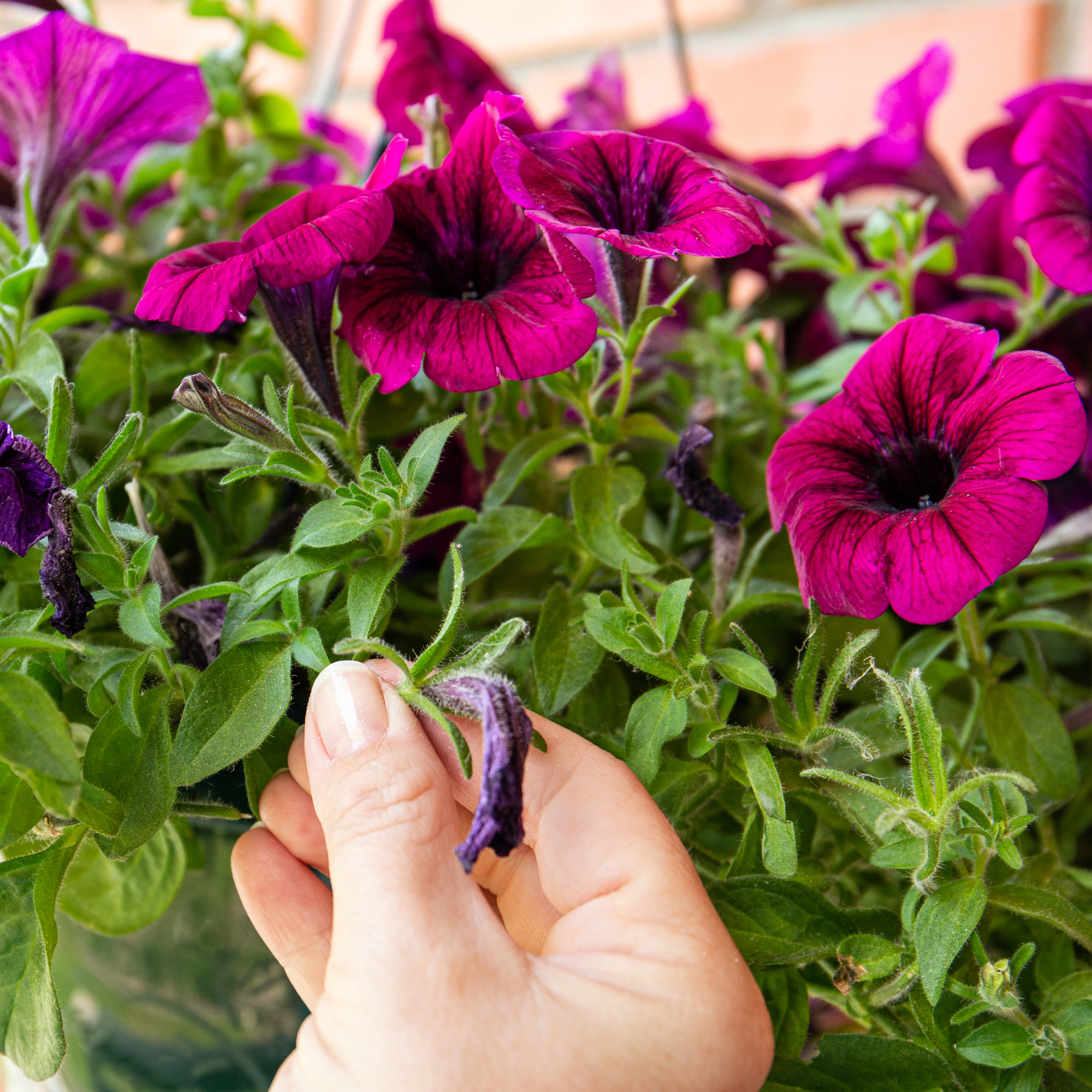
Deadheading means removing faded flowers. This stops the plant from making seeds. It sends energy to new blooms instead. Use your fingers or small scissors to pinch off wilted flowers just above the first set of leaves.
Pruning helps shape the plant and promote fuller growth. Cut back long, leggy stems to encourage bushier branches. Trim stems at an angle for better healing and water absorption. This invites more flowers to grow in the space.
Maintaining Plant Health
Remove any yellow or damaged leaves to keep the plant healthy. Dead or weak parts can attract pests or diseases. Clean pruning tools before use to avoid spreading infections.
Check the basket regularly. Clear away fallen petals and leaves from the soil surface. This helps prevent mold and keeps the roots healthy. Healthy plants resist stress and stay vibrant longer.
Credit: www.gardeningknowhow.com
Pest And Disease Control
Petunias in hanging baskets can face pests and diseases. Proper care ensures they bloom beautifully. Vigilance and quick action are key to maintaining healthy plants.
Common Issues
Aphids and spider mites often attack petunias. They suck sap, weakening the plants. Look for whiteflies too. These insects cause damage by feeding on the leaves. Fungal diseases like powdery mildew can occur. It appears as a white powder on leaves. Root rot happens if the soil stays too wet. This can lead to wilting and plant death.
Natural And Chemical Treatments
Neem oil works well against many pests. It's a natural pesticide and safe for plants. Insecticidal soaps can also control aphids and mites. For fungal diseases, use baking soda mixed with water. This solution helps reduce mildew. Ensure good air circulation around the plants. It prevents fungal growth. For severe infestations, chemical pesticides may be necessary. Use them sparingly and follow instructions carefully. Always prioritize safe and environmentally friendly options first.
Seasonal Care Adjustments
Adjusting your care routine for petunias in a hanging basket as the seasons change can make a huge difference in their health and vibrancy. Each season brings unique challenges and opportunities for your flowers to thrive. Paying attention to these shifts helps you keep your petunias blooming longer and looking their best.
Preparing For Different Seasons
As temperatures drop, petunias become more sensitive to cold. Move your hanging basket to a sheltered spot during late fall to protect it from frost. If frost is expected, consider bringing the basket indoors or covering it at night.
Spring and summer usually mean more sunlight and warmth, so place your basket where it gets at least 5 to 6 hours of sun daily. Monitor watering closely during hot weather; petunias dry out quickly in hanging baskets. Adding mulch on top of the soil can help retain moisture without overwatering.
Extending Bloom Time
Deadheading spent flowers encourages your petunias to produce more blooms. Make it a habit to pinch off wilted petals every few days. This simple step can double your flowering period.
Fertilizing every two weeks with a balanced liquid fertilizer keeps your plants energized. Avoid fertilizers high in nitrogen alone, as they promote leaf growth at the expense of flowers. Have you noticed how your petunias perk up after feeding? That’s their way of thanking you for the extra care.
Consider trimming back leggy stems mid-season to promote bushier growth. This refresh helps redirect energy into new buds. Your petunias will reward you with a fuller, more colorful display.
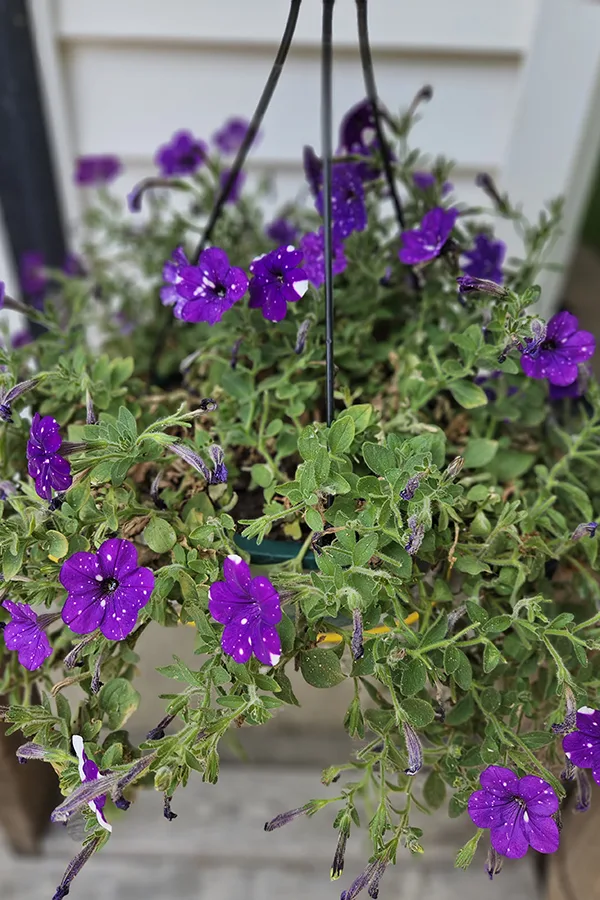
Credit: thisismygarden.com
Frequently Asked Questions
How Often Should I Water Petunias In Hanging Baskets?
Water petunias when the top inch of soil feels dry. Typically, this means watering every 2-3 days. Adjust frequency during hot or dry weather to prevent wilting and ensure healthy growth.
What Is The Best Sunlight For Petunias In Baskets?
Petunias thrive in full sunlight, needing at least 6 hours daily. Place hanging baskets where they receive morning sun and some afternoon shade for optimal blooming.
How Do I Fertilize Petunias In Hanging Baskets?
Use a balanced, water-soluble fertilizer every 2 weeks during the growing season. This supports vibrant blooms and healthy foliage. Avoid over-fertilizing to prevent leggy growth.
Can I Prune Petunias To Encourage Blooming?
Yes, regularly pinch back leggy stems to promote bushier growth and more flowers. Deadhead spent blooms to extend the flowering period throughout the season.
Conclusion
Caring for petunias in a hanging basket is simple and rewarding. Water them regularly to keep soil moist but not soggy. Place baskets where they get plenty of sunlight. Remove faded flowers to encourage new blooms. Feed plants with a balanced fertilizer every few weeks.
Watch for pests and treat them early. With a little care, petunias will brighten your space all season long. Enjoy their colorful, cheerful presence every day.