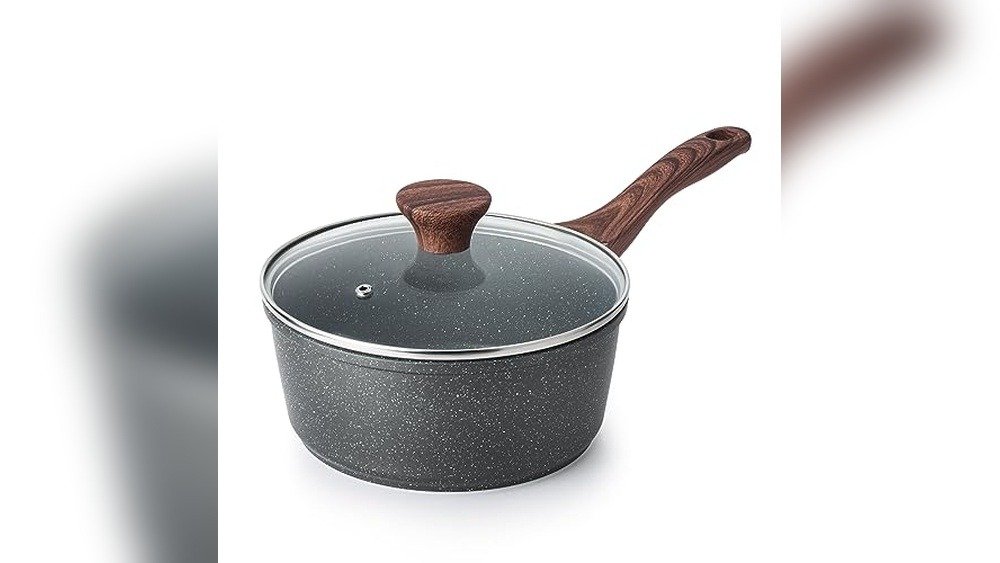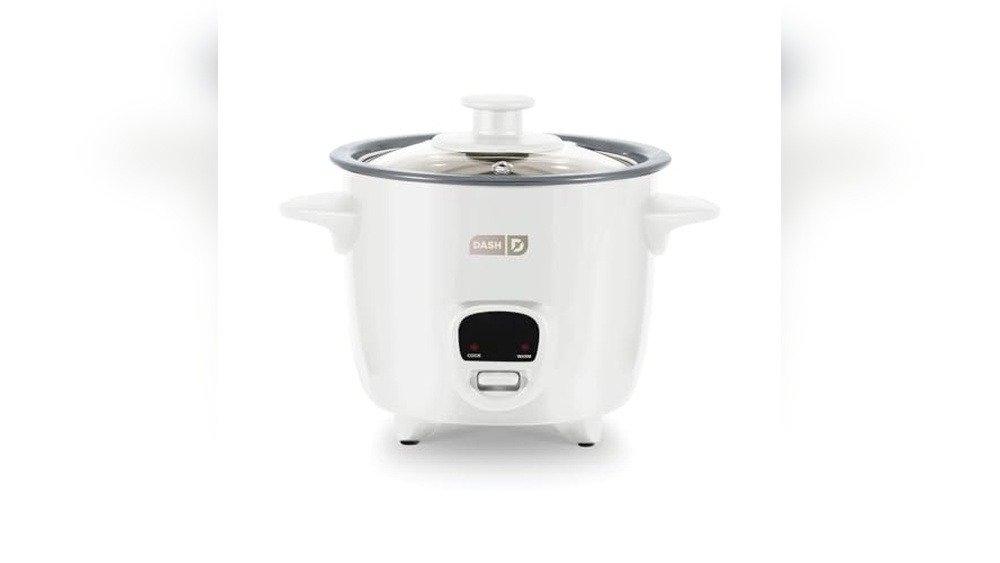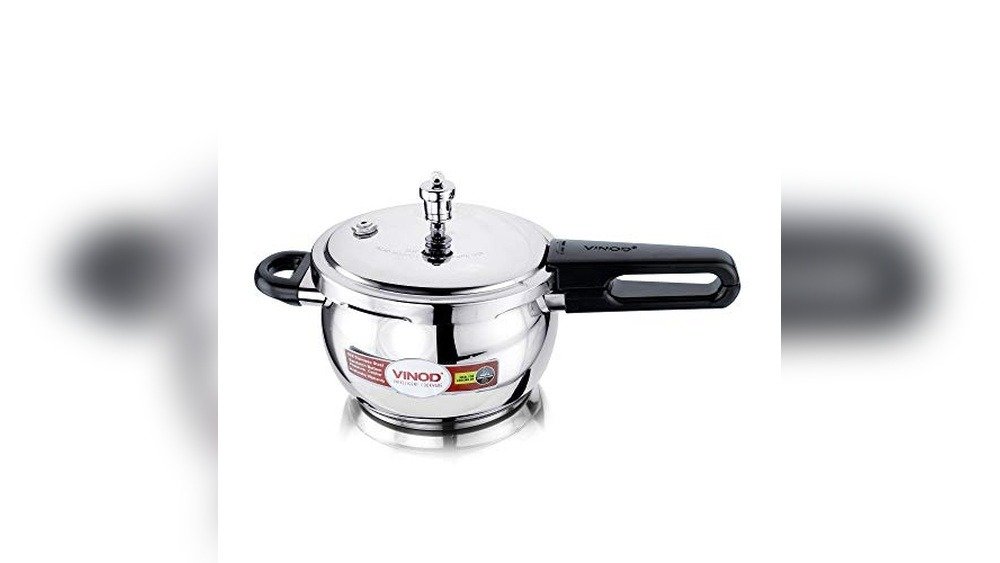
Are you tired of waiting for your stove to boil water just to cook eggs? What if you could use your rice cooker to boil eggs quickly and easily, even without a steamer?
You’re about to discover a simple trick that saves you time and effort in the kitchen. Imagine having perfectly boiled eggs ready whenever you want, without extra gadgets or fuss. Keep reading, and you’ll learn exactly how to do it step by step.
This method is so easy, you’ll wonder why you never tried it before!
Credit: theforkedspoon.com
Choosing The Right Rice Cooker
Choosing the right rice cooker is key to boiling eggs without a steamer. Not all rice cookers work the same for this purpose. Knowing what to pick helps you avoid problems like uneven cooking or cracking eggs.
The type of rice cooker affects how well it can boil eggs. Size and features matter too. Let’s explore the main types and what capacity works best for egg boiling.
Types Of Rice Cookers
- Basic Rice Cookers:These have simple on/off controls. They heat evenly but lack extra functions. Good for boiling eggs if you watch the time closely.
- Micom Rice Cookers:Use micro-computer technology for precise temperature control. They adjust heat automatically and cook more evenly. Ideal for soft or hard boiled eggs.
- Induction Rice Cookers:Use magnetic induction to heat the pot. This method offers fast and consistent cooking. Perfect for boiling eggs without extra tools.
Capacity Considerations
Choose a rice cooker size based on how many eggs you want to boil at once. Small cookers (3-5 cups) work well for 4-6 eggs. Medium cookers (6-10 cups) can fit more eggs with water.
Too small a cooker may cause overcrowding and uneven cooking. Too large one uses more water and electricity. Pick a size that fits your daily needs.
Also, check the inner pot size and shape. A round, deep pot helps eggs sit comfortably without rolling around.
Preparing Eggs For Boiling
Preparing your eggs properly before boiling them in a rice cooker can make a big difference in the results. It’s not just about tossing eggs in water; the quality and handling of your eggs set the stage for easy peeling and a great texture. Taking a little time to select and wash your eggs ensures you get the best outcome every time.
Selecting Fresh Eggs
Choosing the right eggs is the first step to perfect boiled eggs. Fresh eggs might seem like the obvious choice, but slightly older eggs (about a week old) actually peel easier after boiling. If you want that smooth peeling experience, check the date on your carton and pick eggs that aren’t straight from the farm.
Look for eggs without cracks or visible damage. Cracked shells can cause eggs to leak or cook unevenly in your rice cooker. Also, consider the size; medium-sized eggs cook more consistently than extra-large ones, especially if you're boiling multiple eggs at once.
Washing And Handling Tips
Before boiling, gently wash your eggs to remove any dirt or bacteria. Use cool water and avoid harsh scrubbing, which can damage the shell’s natural protective layer. This layer helps keep the egg fresh and prevents water from seeping inside during cooking.
Handle eggs with care to avoid cracks that can cause egg whites to leak during boiling. If you notice any cracks after washing, it’s better to cook those eggs separately or use them for recipes where the shell won’t matter. Have you ever noticed your eggs cracking mid-boil? Proper handling can prevent that frustrating mess.
Setting Up The Rice Cooker
Setting up your rice cooker correctly is key to boiling eggs without a steamer. It might seem tricky at first, but with a few simple adjustments, your rice cooker can double as an excellent egg boiler. Let’s look at how you can prepare your rice cooker for this task.
Measuring Water
The amount of water you add affects how well your eggs cook. Too little water might burn the cooker; too much can overcook the eggs.
A good rule of thumb is to add about 1 to 1.5 cups of water, depending on the number of eggs and the size of your rice cooker. Start with 1 cup for 4-6 eggs. You want enough water to create steam but not so much that the eggs sit submerged.
Try pouring the water gently into the cooker’s inner pot. Think about how quickly water boils and evaporates—this controls how the eggs cook. If you want firmer yolks, increase the water slightly for more steam.
Placing Eggs Without A Steamer
Without a steamer basket, you need a way to keep eggs above the water to avoid boiling them directly. Placing eggs directly on the bottom can cause cracking or uneven cooking.
Use simple household items to create a makeshift rack:
- Place a small heatproof bowl upside down inside the cooker.
- Arrange eggs on top of this bowl so they stay above the water level.
- Alternatively, use a metal or silicone trivet if you have one that fits.
This setup allows steam to circulate around the eggs evenly. Have you tried using what’s already in your kitchen to solve cooking challenges? Sometimes the best solutions are right under your nose.
Cooking Process
Boiling eggs in a rice cooker without a steamer is simple and efficient. It uses the cooker’s heat and water to cook the eggs evenly. The cooking process involves selecting the right mode and timing to get eggs just how you like them. Understanding these steps helps avoid overcooking or undercooking. Follow the tips below for perfect eggs every time.
Choosing The Cooking Mode
Select a cooking mode that heats water without drying out. Use the “Cook” or “Boil” setting if your rice cooker has one. Some models have a “Steam” option which works well too. If your cooker only has a simple on/off switch, turn it on until water boils, then turn off. The eggs will cook in the hot water while the cooker rests.
Keep water level enough to cover the eggs fully. Use room temperature water to avoid cracking. Avoid using the “Warm” setting alone, as it won't reach boiling temperature.
Timing For Desired Doneness
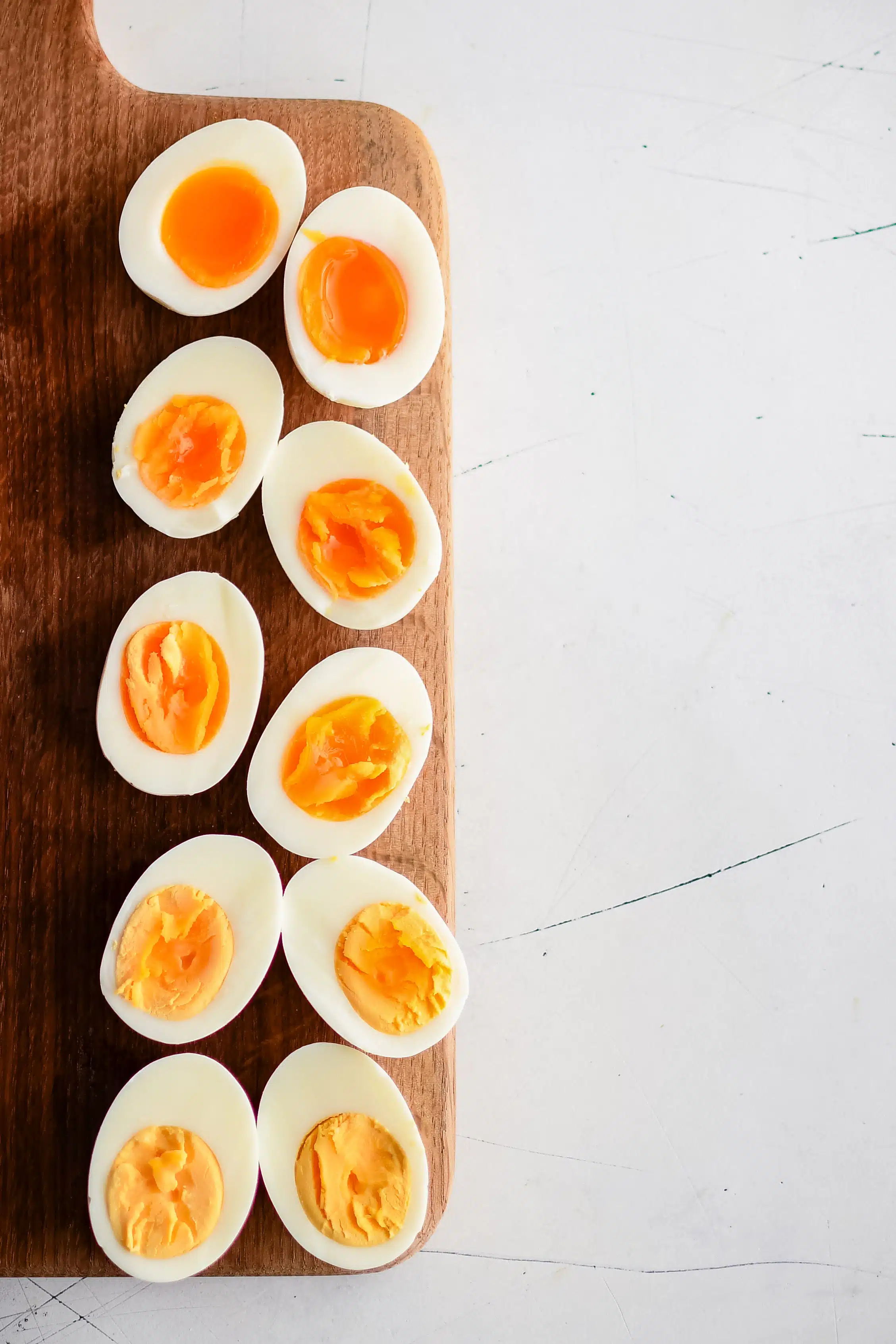
Timing is key for perfect boiled eggs. Use these guidelines based on egg size and desired doneness:
| Doneness | Cooking Time (minutes) |
|---|---|
| Soft boiled (runny yolk) | 7-8 |
| Medium boiled (slightly firm yolk) | 9-10 |
| Hard boiled (fully firm yolk) | 11-12 |
Start timing once water boils or cooker switches off. After cooking, place eggs in cold water to stop cooking. This also makes peeling easier.
Cooling And Peeling Eggs
Cooling and peeling eggs after boiling in a rice cooker is an important step. It stops the cooking process and makes peeling easier. Proper cooling helps avoid overcooked yolks and keeps the eggs firm. Peeling eggs can sometimes be tricky. Using simple techniques can make it smooth and quick.
Ice Bath Method
Prepare a bowl filled with cold water and ice cubes. Immediately place the hot eggs into the ice bath. Let them sit for at least 5 to 10 minutes. This cools the eggs fast and stops further cooking. The cold water also causes the egg to shrink slightly inside the shell. This shrinking helps separate the shell from the egg white. The ice bath keeps eggs fresh and easier to peel.
Peeling Tips
- Gently tap the egg on a hard surface to crack the shell.
- Roll the egg lightly to loosen the shell all around.
- Start peeling from the wider end where there is an air pocket.
- Peel under running water or in the bowl of water to wash away small shell pieces.
- Use a spoon to help lift stubborn shell parts without damaging the egg.
Troubleshooting Common Issues
Boiling eggs in a rice cooker without a steamer can sometimes lead to unexpected hiccups. Understanding how to fix these issues can save you time and frustration. Let’s dive into some common problems and simple fixes that keep your eggs perfect every time.
Cracked Eggs
Cracked eggs are a common annoyance. They often happen because the eggs bump against each other or the cooker’s surface during cooking. To prevent this, gently place eggs in the cooker and avoid overcrowding.
If cracks still appear, try adding a little water to cushion the eggs. You can also wrap each egg in a small piece of paper towel to reduce movement. Have you noticed that colder eggs crack more easily? Bringing eggs to room temperature before cooking can help reduce cracking.
Undercooked Or Overcooked Eggs
Timing is everything when boiling eggs in a rice cooker. Undercooked eggs often result from too little cooking time or not enough water. Overcooked eggs, on the other hand, can turn rubbery and develop a greenish ring around the yolk.
Try adjusting the cooking time based on your rice cooker’s power and egg size. Adding a few extra minutes can make a big difference. If your eggs come out overcooked, reduce the cooking time slightly and use cold water immediately after cooking to stop the cooking process.
Have you experimented with different water levels? Sometimes, a bit more or less water can change how heat circulates around the eggs and affect the final result. Don’t hesitate to test and find the perfect balance for your cooker.
Additional Tips For Perfect Eggs
Boiling eggs in a rice cooker without a steamer can be simple. Fill the cooker with water, add eggs, and set to cook. Check after 10 minutes for desired firmness.
Boiling eggs in a rice cooker without a steamer can be simple. Yet, achieving the perfect texture requires some extra care. Here are some essential tips to ensure your eggs come out just right every time.
Storage Suggestions
Store boiled eggs in the fridge. Use an airtight container to keep them fresh. Place them in the fridge within two hours after boiling. They can last up to one week when stored properly. Label the container with the date for easy tracking.
Flavor Variations
Enhance the flavor of your eggs with simple additions. Add a teaspoon of vinegar or soy sauce to the water. This can infuse the eggs with a subtle taste. Experiment with adding herbs like rosemary or thyme. You can also try garlic or onion powder for a savory twist. These small changes can make your boiled eggs more exciting.

Credit: theforkedspoon.com
Credit: smartslowcooker.com
Frequently Asked Questions
How Long To Boil Eggs In A Rice Cooker Without Steamer?
Boil eggs in a rice cooker for about 10-12 minutes on the "cook" setting. Timing varies by egg size. Use cold water covering eggs by one inch. Switch to "warm" after cooking to avoid overcooking.
Can I Boil Multiple Eggs At Once In Rice Cooker?
Yes, you can boil up to 6 eggs at once in most rice cookers. Ensure eggs are in a single layer and fully submerged in water. Avoid overcrowding to prevent cracking and uneven cooking.
What Water Level Is Needed To Boil Eggs In Rice Cooker?
Fill the rice cooker with water to cover eggs by at least one inch. Enough water ensures even heat distribution and prevents eggs from drying out or cracking during boiling.
Is It Safe To Boil Eggs Without A Steamer Basket?
Yes, boiling eggs directly in water without a steamer basket is safe. Just ensure eggs don’t touch the rice cooker’s heating plate. Use enough water to prevent eggs from cracking and cook evenly.
Conclusion
Boiling eggs in a rice cooker without a steamer is simple and quick. Just add water, place the eggs carefully, and start the cooker. You can enjoy perfectly cooked eggs without extra tools. This method saves time and effort in the kitchen.
Try it for a hassle-free way to cook eggs anytime. No special equipment needed. Easy steps, great results. Cooking eggs has never been this straightforward. Give it a go and enjoy your tasty boiled eggs!