Have you ever found yourself without a stove but still craving a perfectly boiled egg? What if I told you that your rice cooker, that trusty kitchen gadget, can do the job for you?
Boiling an egg in a rice cooker is surprisingly simple, quick, and mess-free. You'll discover step-by-step how to get flawless boiled eggs every time using your rice cooker. Keep reading—you might just unlock a new kitchen hack that saves you time and effort.

Credit: shop.momofuku.com
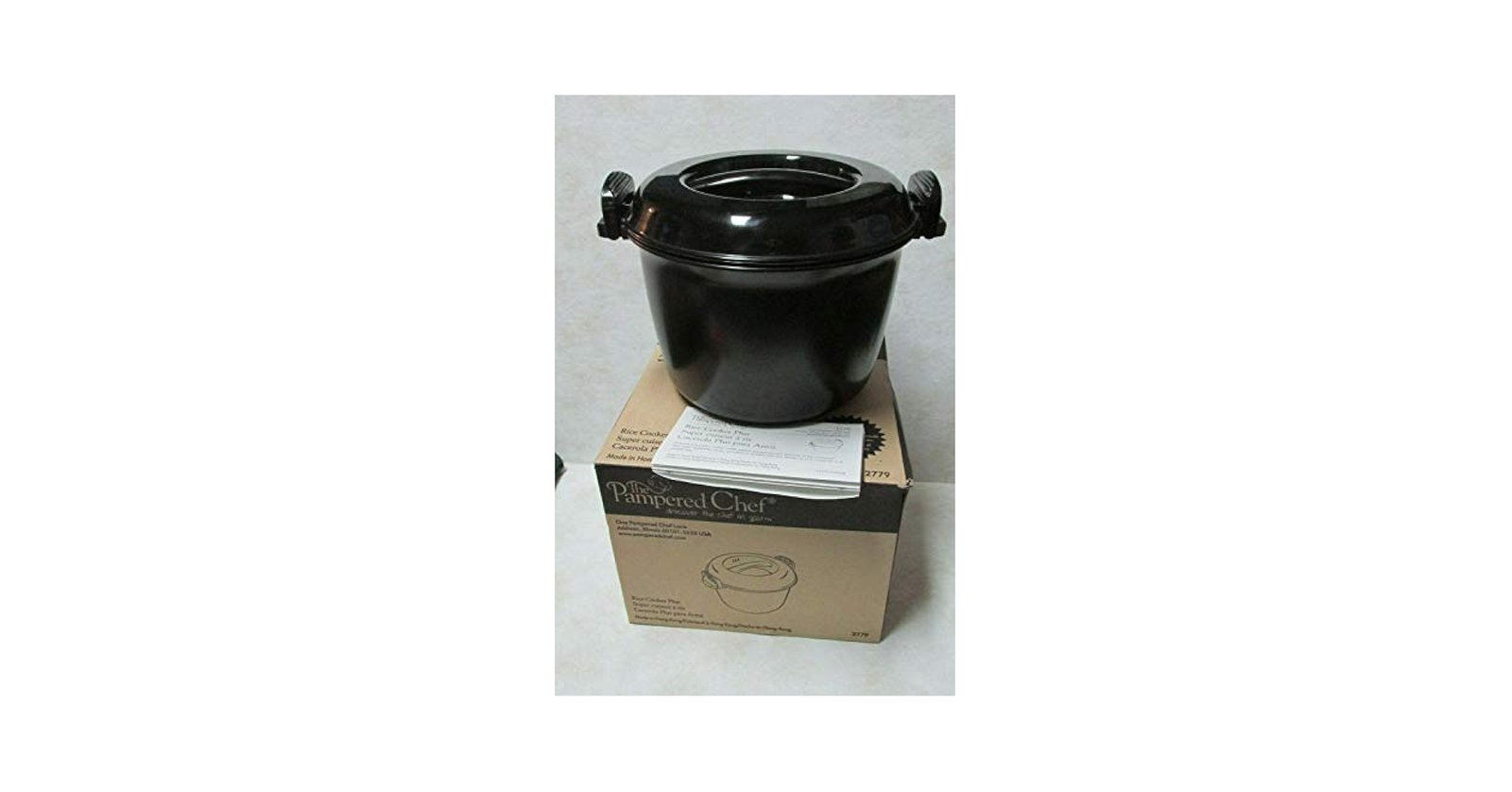
Choosing The Right Rice Cooker
Choosing the right rice cooker can make a surprising difference when boiling eggs. Not all rice cookers are built the same, and some models handle boiling eggs better than others. Picking a cooker with the right features ensures your eggs cook evenly and come out just how you like them.
Capacity And Size
Think about how many eggs you want to boil at once. Small rice cookers usually hold fewer eggs but heat up quickly. Larger models can cook a dozen or more eggs at once, which is handy if you meal prep or have a big family.
Do you often cook for just one or two people? A smaller cooker might save energy and space. But if you enjoy batch cooking, choosing a bigger size could save you time.
Temperature Control Options
Look for a rice cooker with adjustable temperature settings or a "keep warm" function. These features give you more control over the cooking process, preventing overcooked or rubbery eggs.
Some cookers have simple on/off switches, while others offer multiple cooking modes. Having the ability to fine-tune heat can help you get the perfect soft, medium, or hard boil.
Non-stick Inner Pot
A non-stick coating inside the pot makes removing eggs much easier. Without it, eggs might stick to the surface, causing cracks or uneven cooking.
Cleaning is also faster with a non-stick inner pot. This saves you effort and keeps your rice cooker in better condition over time.
Additional Features To Consider
- Steaming Basket:Some rice cookers come with a steaming basket, which is ideal for eggs. It keeps eggs above the water, allowing even cooking.
- Auto Shut-Off:This prevents overcooking by turning off the cooker once the cooking cycle ends.
- Durability and Brand Reputation:Investing in a well-known brand often means better build quality and warranty support.
Have you noticed how your rice cooker handles different foods? Testing it with eggs can reveal its true versatility. Selecting the right model saves you from guesswork and improves your kitchen experience.
Selecting Fresh Eggs
Selecting fresh eggs is key for perfect boiled eggs in a rice cooker. Fresh eggs have a firmer white and a round, higher yolk. These qualities help the egg cook evenly and peel easily. Using fresh eggs also reduces the risk of bad smells and off taste.
Fresh eggs are easy to find and check at home. Simple tests can tell if an egg is fresh or old. Choosing the best eggs ensures your boiled eggs come out just right every time.
How To Check Egg Freshness With Water
Fill a bowl with cold water. Place the egg in the water gently.
- If the egg sinks and lies flat, it is very fresh.
- If it sinks but stands upright, it is still okay to use.
- If it floats, it is old and should be discarded.
Inspecting The Egg Shell
Look for cracks or slimy spots on the shell. A clean, smooth shell means the egg is fresh.
Dirty or damaged shells can let bacteria inside. Always choose eggs with intact shells.
Using The Sniff Test
Smell the egg after cracking it open.
Fresh eggs have a neutral smell. Bad eggs smell sour or rotten.
Discard eggs with any bad odor to avoid health risks.
Preparing The Rice Cooker
Preparing the rice cooker is the first step to boiling eggs perfectly. It requires simple actions that set the right conditions for cooking. A clean rice cooker and correct water levels ensure even heat and proper cooking.
Adding Water
Pour the right amount of water into the rice cooker bowl. Usually, 1 cup of water is enough for 6 eggs. The water creates steam that cooks the eggs evenly. Avoid overfilling to prevent water from boiling over.
Placing The Eggs
Gently place the eggs in the rice cooker. Use the steaming basket if your cooker has one. Arrange eggs in a single layer to avoid cracking. Do not stack them; this allows steam to circulate well.
Boiling Time For Different Doneness
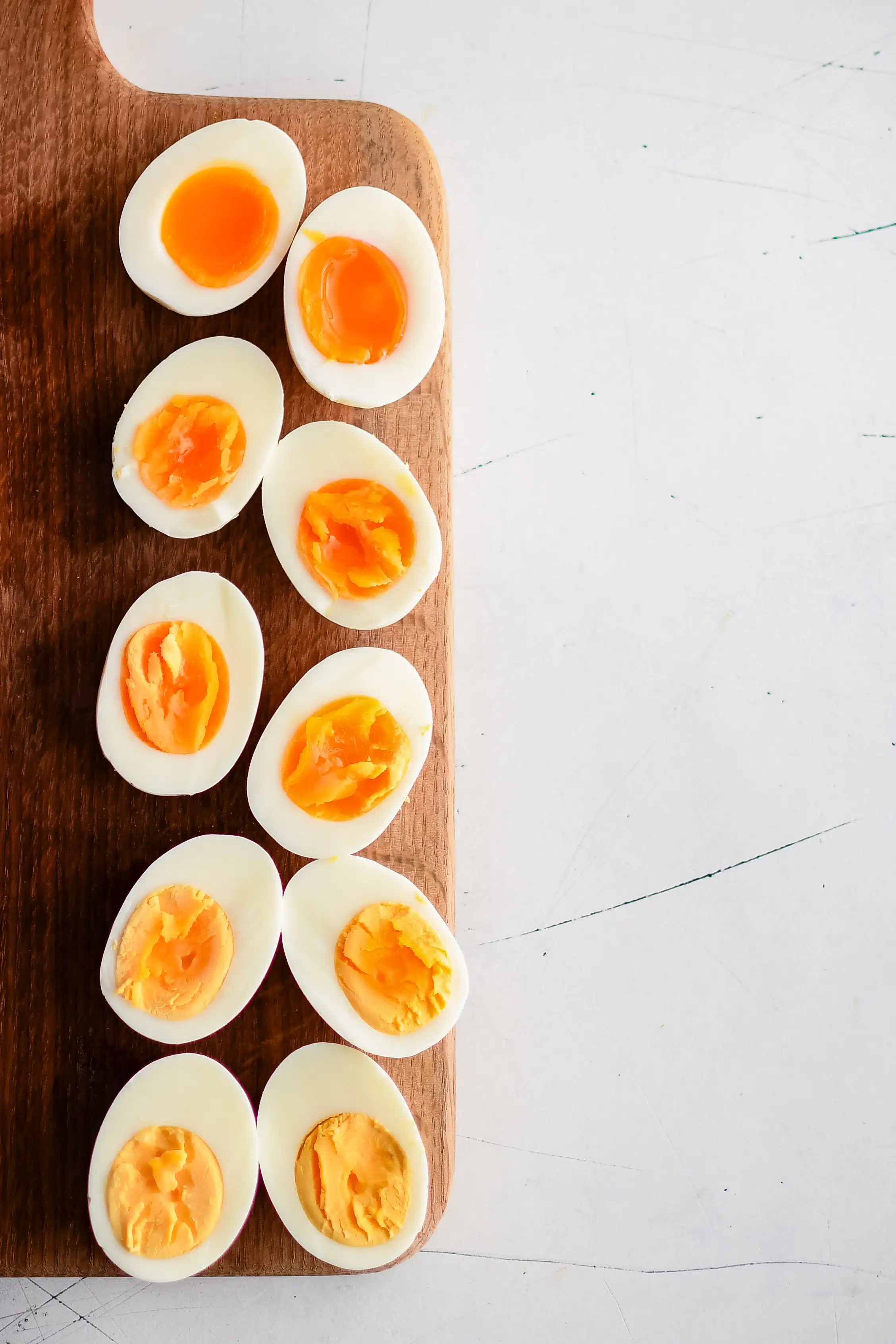
Boiling eggs in a rice cooker is simple and effective. The key to perfect eggs lies in the boiling time. Different times give different egg textures. Soft, medium, and hard boiled eggs need specific cooking times. Knowing these times helps you get the egg just right.
Soft-boiled Eggs
Soft-boiled eggs have a runny yolk and slightly set white. Boil for 6 to 7 minutes in the rice cooker. This time keeps the yolk creamy and soft. Perfect for dipping toast or salads.
Medium-boiled Eggs
Medium-boiled eggs have a partially firm yolk with a creamy center. Boil for 8 to 9 minutes. The white is fully cooked, and the yolk is slightly soft. Great for sandwiches or snacks.
Hard-boiled Eggs
Hard-boiled eggs have a fully cooked, firm yolk and white. Boil for 10 to 12 minutes. This ensures the yolk is solid and crumbly. Ideal for salads, deviled eggs, or meal prep.
Starting The Cooking Process
Place the eggs carefully inside the rice cooker pot. Pour enough water to cover the eggs by about an inch. Turn on the rice cooker and let the water start heating.
Starting the cooking process with a rice cooker is easy. It's a simple way to boil eggs without much hassle. First, gather your ingredients and tools. You'll need eggs, water, and a rice cooker. Make sure your rice cooker is clean and ready to use.
Step 1: Preparing The Rice Cooker
Ensure the rice cooker pot is clean. Place it inside the cooker. Fill the pot with water. Use enough water to cover the eggs.
Step 2: Placing The Eggs
Gently place the eggs in the pot. Ensure they are not cracked. Arrange them evenly. This ensures even cooking.
Step 3: Starting The Cooker
Close the rice cooker lid. Set it to the "cook" function. Let the eggs boil.
Step 4: Monitoring The Process
Keep an eye on the time. Boiling usually takes about 10 minutes. Adjust based on your preference.
Step 5: Cooling The Eggs
Once done, turn off the cooker. Remove the eggs carefully. Place them in cold water. This stops the cooking process. These steps help you boil eggs easily. Enjoy perfectly cooked eggs with minimal effort.

Credit: www.reddit.com
Cooling And Peeling Tips
Cooling and peeling boiled eggs might seem like small steps, but they can make a big difference in your egg-eating experience. Proper cooling stops the cooking process and helps prevent that greenish ring around the yolk. Peeling becomes easier and less frustrating when you handle the eggs just right. Let's dive into some simple tips that can save you time and hassle.
Ice Bath Method
Once the rice cooker finishes boiling your eggs, transfer them immediately into a bowl filled with ice water. This sudden temperature drop stops the cooking instantly, which keeps the yolks tender and vibrant. Plus, it cools the eggs quickly so you can peel them without burning your fingers.
Keep the eggs in the ice bath for at least 5 to 10 minutes. You’ll notice the shell contracts slightly from the egg white, creating a small gap that makes peeling easier. Have you ever tried skipping this step? You’ll find peeling much more challenging and messier.
Peeling Tricks
Start peeling by gently tapping the egg on a hard surface to crack the shell all around. Roll it lightly under your palm to loosen the shell further. This way, you create multiple fractures instead of smashing the shell into large chunks.
Peel the shell from the wider end where the air pocket is located. This spot usually offers a natural starting point to slip under the membrane. If you find the shell sticking stubbornly, try peeling the egg under running cold water. The water seeps between the shell and the egg white, making the shell slide off smoothly.
Have you noticed how fresher eggs are harder to peel? If you’re planning to boil eggs regularly, try buying eggs a few days in advance. Slightly older eggs tend to peel more easily, saving you from frustration.
Troubleshooting Common Issues
Boiling eggs in a rice cooker is a handy trick, but it can come with a few hiccups. Sometimes your eggs might crack or end up undercooked or overcooked. These issues can be frustrating, especially when you’re aiming for that perfect texture. Understanding why these problems happen and how to fix them will save you time and improve your results.
Cracked Eggs
Cracked eggs are a common problem when using a rice cooker. The sudden temperature change or the eggs bumping against each other can cause cracks.
To avoid this, try placing your eggs gently in the rice cooker. Using a spoon to lower them in can help prevent cracks. Adding a little water or using a steamer basket inside the cooker also cushions the eggs.
If cracks happen, does it mean the eggs are ruined? Not necessarily. You can still use them, but be cautious of any leaking whites that might affect cooking.
Undercooked Or Overcooked Eggs
Getting the timing right is key to avoiding undercooked or overcooked eggs. Rice cookers vary, so the cooking time you use may need adjusting.
Try starting with about 10-12 minutes and test one egg first. If it’s too soft or too hard, adjust the time in small increments. Remember, larger eggs or cold eggs from the fridge need a bit longer than room temperature ones.
Have you noticed your eggs turning greenish around the yolk? That’s a sign of overcooking. To prevent this, remove the eggs promptly and cool them in cold water. This stops the cooking process and keeps the yolk bright and creamy.
Credit: theforkedspoon.com
Additional Tips For Perfect Eggs
Try placing eggs in a single layer to cook evenly in the rice cooker. Cool eggs quickly in cold water to stop cooking and make peeling easier. Adjust cooking time for softer or harder yolks.
Perfectly boiled eggs in a rice cooker can be an exciting culinary adventure. While the process is straightforward, a few additional tips can ensure your eggs are just right every time. Let's dive into some practical advice to help you master this technique and impress your family and friends.
Adjust Cooking Time Based On Egg Size
Eggs come in various sizes, and this affects cooking time. Larger eggs might need a little extra time to reach your desired doneness. Keep a close eye and adjust accordingly.
Use A Timer For Consistency
A kitchen timer is your best friend for achieving consistent results. Set it as soon as you start the rice cooker to avoid overcooking. This simple tool can make a world of difference.
Experiment With Water Levels
Different rice cookers might require varying water levels for optimal results. Start with enough water to cover the eggs halfway. Adjust based on your rice cooker's performance for the perfect boil.
Consider Altitude
If you live at a higher altitude, you may need to cook the eggs a bit longer. The boiling point of water decreases with altitude, which means eggs might take more time to cook through.
Cool Eggs Quickly
After boiling, transfer the eggs into an ice bath. This halts the cooking process and makes peeling easier. A quick cool down can make the difference between a smooth or bumpy peel.
Test A Single Egg First
Before committing to a dozen eggs, test with one or two. This trial helps you tweak your process for perfect results without the worry of wasting food.
Keep A Record
Make notes on the cooking times and water levels that work best for you. This personal log will be a handy reference for next time, saving you trial and error. Trying these tips can turn a simple kitchen task into a fun and rewarding experience. What tweaks will you make in your next egg-boiling adventure?
Frequently Asked Questions
How Long To Boil Eggs In A Rice Cooker?
Boil eggs in a rice cooker for 10-12 minutes. Use the steam setting if available. Adjust time for soft or hard yolks.
Can I Boil Multiple Eggs Together In Rice Cooker?
Yes, you can boil several eggs at once. Arrange eggs in a single layer for even cooking. Avoid overcrowding to prevent cracking.
Is Boiling Eggs In A Rice Cooker Safe?
Yes, boiling eggs in a rice cooker is safe. Use enough water to cover eggs. Follow your rice cooker’s instructions for steaming or boiling.
How To Prevent Eggs From Cracking In Rice Cooker?
Add a pinch of salt or vinegar to water. Use room temperature eggs to reduce cracking. Place eggs gently to avoid impact.
Conclusion
Boiling eggs in a rice cooker is simple and quick. You just need water, eggs, and a rice cooker. No stove or extra tools required. The eggs cook evenly every time. It saves time and effort in the kitchen. Great for beginners and busy people alike.
Try this easy method for perfect boiled eggs. Enjoy your meal with little fuss and no mess. Simple, fast, and reliable. Give it a shot today!