
Have you ever been in a rush and wished you could boil an egg quickly without using a stove? What if you could do it right in your microwave oven?
You might think it’s tricky or even risky, but with the right steps, boiling an egg in your microwave can be fast, easy, and safe. You’ll discover simple tips and tricks to get perfectly boiled eggs every time—without waiting or fuss.
Ready to save time and enjoy your eggs just the way you like them? Keep reading!
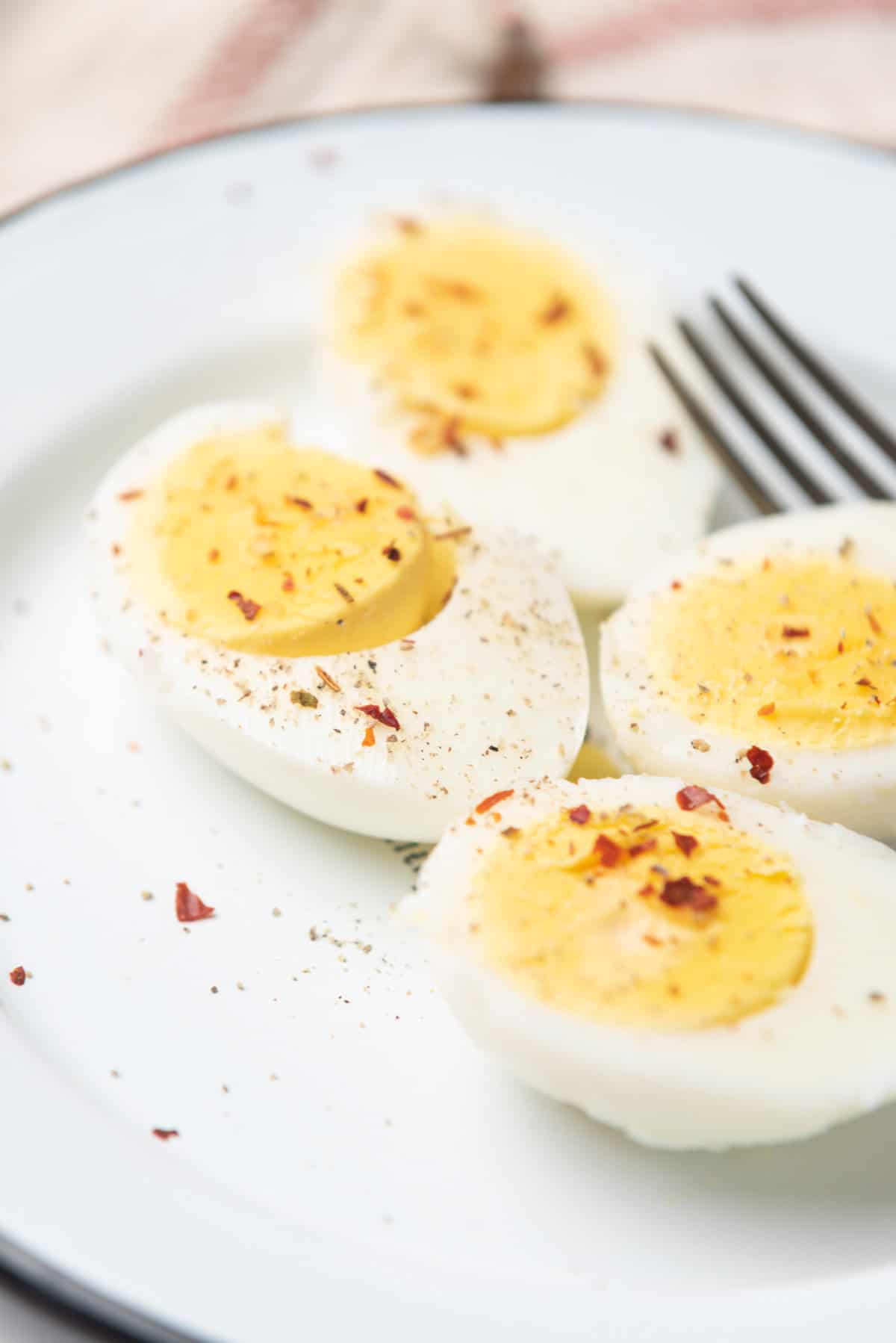
Credit: urbanfarmie.com
Choosing The Right Egg
Choosing the right egg is the first key step to boiling an egg successfully in a microwave oven. Not all eggs behave the same under microwave heat, so selecting the best type can save you from messy explosions and uneven cooking. Let’s look at what makes an egg suitable for microwaving.
Freshness Matters
Fresh eggs are better for boiling in the microwave because they hold their shape well. Older eggs tend to have thinner whites and larger air pockets, which can cause them to burst more easily when heated. You can test freshness by placing the egg in a bowl of water; if it sinks and lays flat, it’s fresh enough for microwave cooking.
Size And Temperature
Medium or large eggs work best in the microwave. Smaller eggs might cook too quickly, and extra-large eggs might not cook evenly. Also, bring your eggs to room temperature before microwaving. Cold eggs straight from the fridge are more likely to crack due to rapid heat changes.
Shell Condition
Inspect your eggs for cracks or damage. A cracked shell can cause the egg to explode in the microwave. Choose eggs with smooth, intact shells for safe and even cooking. If you notice small imperfections, it’s better to skip those eggs.
Consider Egg Type
Some eggs, like organic or free-range, have slightly different shell thickness and composition. While this doesn’t drastically affect cooking time, it can influence how the heat spreads inside the egg. Experiment with the type of eggs you have to find what works best with your microwave.

Credit: keeshaskitchen.com
Preparing The Egg For Microwaving
Getting your egg ready for microwaving is key to cooking it safely and evenly. Skipping this step can lead to a messy explosion or an unevenly cooked egg. Let’s break down the essentials that prepare your egg perfectly before it hits the microwave.
Piercing The Egg Shell
Have you ever microwaved an egg only to hear a sudden pop? That’s because the steam builds up inside the shell with nowhere to escape. To avoid this, gently pierce the shell with a needle or a safety pin.
Make a small hole at the wider end of the egg. This simple step lets steam release during cooking and prevents the egg from bursting.
Using A Microwave-safe Container
Not every dish can handle the microwave’s heat. Use a microwave-safe container to hold the egg securely during cooking. Glass or ceramic bowls work best because they distribute heat evenly.
Make sure the container is large enough to hold the egg and water without overflowing. This helps avoid spills and keeps your microwave clean.
Adding Water
Water plays a crucial role in boiling an egg in the microwave. It absorbs the microwave energy and transfers heat evenly around the egg.
Fill the container with enough water to cover the egg completely. Adding a pinch of salt to the water can help prevent the egg from cracking and make peeling easier later.
Microwave Settings And Timing
Understanding your microwave's settings and timing is essential for boiling eggs successfully. Microwaves vary in power, so adjusting settings helps cook eggs evenly. Correct timing prevents overcooking or undercooking.
Use the right power level to control heat intensity. Set proper cooking time to match egg size and quantity.
Selecting Power Levels
Choose medium or medium-high power for boiling eggs. High power cooks too fast and may crack eggs.
Medium power heats the egg gently and evenly. This reduces the risk of exploding shells.
Some microwaves have a “defrost” or “50% power” option. Use these for best results.
Recommended Cooking Times
| Egg Size | Power Level | Cooking Time |
|---|---|---|
| Small | Medium | 4 to 5 minutes |
| Medium | Medium | 5 to 6 minutes |
| Large | Medium | 6 to 7 minutes |
Stop and check the egg after the minimum time. Add more time in 15-second intervals if needed.
Cooling And Peeling Tips
Let the egg cool before peeling to avoid burns and make peeling easier. Tap gently on a hard surface to crack the shell, then peel under running water for smooth removal.
Boiling an egg in a microwave is a quick and convenient way to enjoy this protein-packed food. But once your egg is perfectly cooked, the next steps can make or break your meal experience. Cooling and peeling might seem like minor details, but they can significantly impact the ease of preparation and the final outcome. Let's dive into some effective tips to make this process a breeze.
Cooling Methods
To prevent overcooking and to make peeling easier, cooling your egg promptly is essential. A simple ice water bath works wonders. After microwaving, carefully transfer the egg to a bowl of ice water. Let it sit for about five minutes. This rapid cooling helps contract the egg slightly, pulling it away from the shell. If you're in a pinch and don't have ice, running cold water over the egg for a few minutes also does the trick. This method is straightforward and effective, especially if you're short on time.
Easy Peeling Techniques
Peeling an egg can sometimes feel like solving a puzzle without the fun. Start by gently tapping the egg on a hard surface to create a network of cracks. Then, roll it under your palm to loosen the shell further. Once cracked, begin peeling from the wider end where the air pocket is usually located. This small air space helps you get a better grip and start the peeling process with ease. Do you find that some eggs peel easily while others don't? The freshness of the egg can make a difference. Older eggs tend to peel more easily than fresh ones. Keep this in mind next time you're planning your egg-cooking adventure. Peeling boiled eggs can be a relaxing task when done right. With these tips, you're now equipped to enjoy perfectly peeled eggs every time.
Safety Tips For Microwaving Eggs
Microwaving eggs offers a quick cooking option but needs care. Eggs can build pressure inside, making them risky. Following safety tips reduces accidents and keeps your kitchen safe. Understanding how to microwave eggs properly protects you from burns and explosions.
Preventing Explosions
- Never microwave eggs in their shell whole.
- Pierce yolks and whites with a fork before cooking.
- Use a microwave-safe container with a loose cover.
- Cook eggs in short bursts, stopping to check often.
- Avoid overheating; it causes steam buildup and bursting.
Handling Hot Eggs
- Use oven mitts or a thick towel to remove eggs.
- Let eggs rest a minute to cool and release steam.
- Open covers carefully, away from your face.
- Transfer eggs gently to avoid spills or burns.
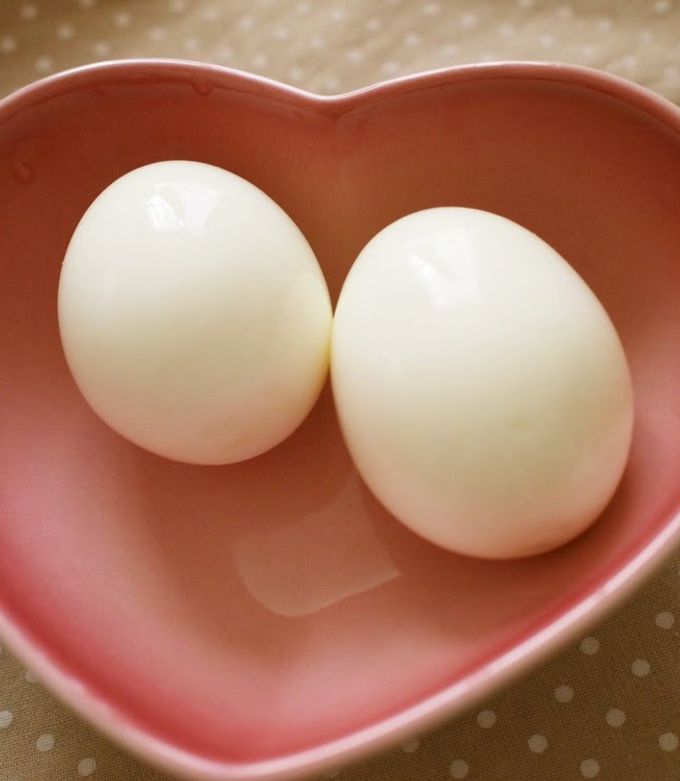
Credit: cookpad.com
Troubleshooting Common Issues
Boiling an egg in a microwave can be quick and easy. Still, some common issues may appear. Knowing how to solve these problems helps make perfect eggs every time.
Undercooked Or Overcooked Eggs
Microwave cooking times vary by wattage. Eggs might be undercooked if microwaved too briefly. They will be runny or raw inside. Cooking eggs for too long causes overcooking. The egg becomes rubbery and tough.
To fix this, try these tips:
- Use short cooking bursts of 15-20 seconds.
- Check the egg’s doneness after each burst.
- Adjust time based on your microwave's power.
- Let the egg rest for a minute after cooking. It continues to cook slightly.
Egg Shell Cracking
Eggshells can crack in the microwave due to rapid heating. Steam builds inside the shell and causes pressure. Cracks may also cause hot egg white to spill out.
Prevent cracking with these simple steps:
- Pierce the shell gently with a pin to release steam.
- Place the egg in a microwave-safe bowl with water.
- Cover the bowl with a microwave-safe lid or plate.
- Use medium power to heat the egg evenly.
Creative Ways To Use Microwaved Eggs
Microwaved eggs offer a fast and simple way to prepare protein. Their quick cooking time makes them perfect for busy days. You can use these eggs in many creative ways beyond just eating them plain. They add flavor and nutrition to many meals. Using microwaved eggs saves time and keeps your kitchen cool.
Quick Breakfast Ideas
- Microwaved eggs mixed with cheese and spinach create a tasty scramble.
- Chop microwaved eggs and place on toast with avocado for a healthy start.
- Combine eggs with diced tomatoes and herbs for a quick egg salad.
- Make a microwave egg muffin by layering eggs, ham, and veggies in a cup.
- Pair microwaved eggs with fruit and yogurt for a balanced breakfast.
Adding To Recipes
- Dice microwaved eggs and toss into green salads for extra protein.
- Use microwaved eggs to top ramen or noodle bowls for a filling meal.
- Mix eggs into pasta sauces for creaminess and richness.
- Include chopped eggs in sandwiches or wraps for texture and taste.
- Stir microwaved eggs into fried rice for a quick boost of flavor.
Frequently Asked Questions
Can You Boil An Egg In A Microwave Oven?
Yes, you can boil an egg in a microwave using safe methods. Use a microwave-safe container filled with water and pierce the egg shell to avoid explosions. Cook on medium power for 4-6 minutes, adjusting time based on your microwave's wattage.
How Long To Microwave Boil An Egg?
Microwave boiling time varies by power. Typically, boil an egg for 4 to 6 minutes on medium power. Check after 4 minutes and add time if needed. Avoid overcooking to prevent rubbery texture or explosion risks.
Is It Safe To Boil Eggs In A Microwave?
Boiling eggs in a microwave is safe if done properly. Always pierce the shell or use a microwave egg cooker to prevent bursting. Cook eggs in water, use medium power, and avoid overheating to ensure safety and best results.
What’s The Best Way To Microwave Boil Eggs?
The best way is to place eggs in a microwave-safe bowl filled with water. Pierce the egg shell or use an egg cooker. Cook on medium power for 4-6 minutes, then cool in cold water to stop cooking and make peeling easier.
Conclusion
Boiling an egg in a microwave saves time and effort. It’s quick, easy, and needs only a few steps. Always use a microwave-safe container and add water for safety. Watch the cooking time closely to avoid overcooking. This method works well for busy mornings or simple snacks.
Try it yourself and enjoy perfectly cooked eggs anytime. Simple, fast, and convenient. Why not give it a shot today?


