Grilling a T-bone steak on a gas grill can seem tricky, but with the right steps, you’ll get juicy, flavorful results every time. Imagine biting into a perfectly seared steak, with a smoky crust and tender, juicy inside.
You don’t need to be a grill master to achieve this. In this guide, you’ll learn simple tips and techniques that will turn your gas grill into a steakhouse-quality cooker. Ready to impress yourself and your guests? Let’s get started and make your next BBQ unforgettable.
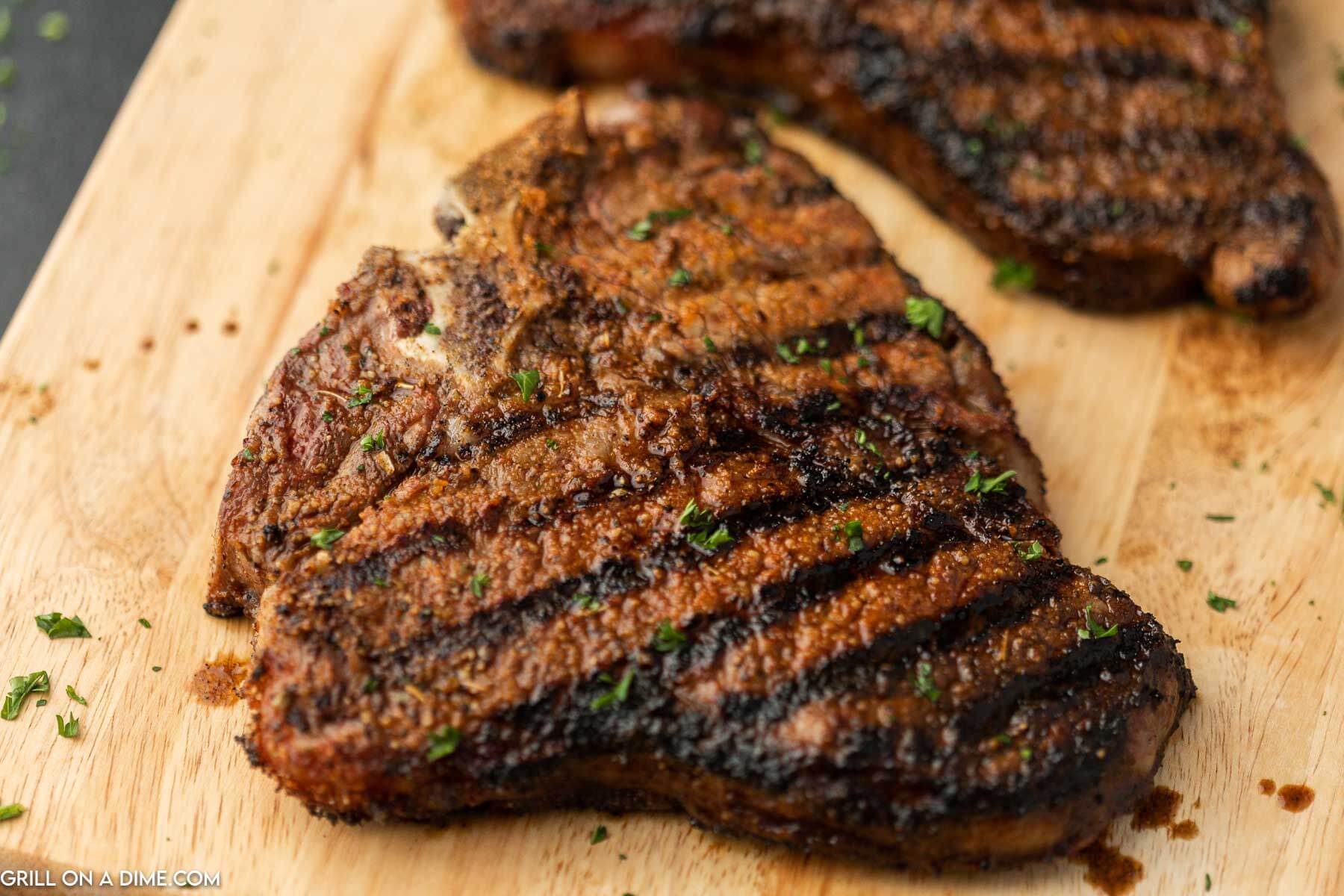
Credit: grillonadime.com
Choosing The Right T Bone Steak
Choosing the right T bone steak is key for a delicious BBQ. The quality of the cut affects taste and tenderness. The thickness impacts cooking time and juiciness. Freshness influences flavor and texture. Knowing how to pick the best steak makes grilling easier and more satisfying.
Selecting Quality Cuts
Look for steaks with bright red color and firm texture. Avoid cuts with brown spots or dryness. Marbling, the small white fat streaks, adds flavor and moisture. Choose steaks with even marbling for the best taste. The bone should be clean and intact, not broken or splintered.
Thickness Matters
Choose steaks at least 1 inch thick for even cooking. Thicker steaks stay juicy and develop a good crust. Thin steaks cook too fast and can dry out. Aim for 1.5 to 2 inches for perfect grilling results. Thicker cuts allow better control over doneness.
Fresh Vs. Frozen
Fresh steaks usually have better texture and flavor. Frozen steaks can lose moisture when thawed. If using frozen, thaw slowly in the refrigerator. Avoid refreezing thawed steaks to keep quality high. Fresh meat gives a more tender and juicy BBQ experience.
Preparing Your Steak
Preparing your T-bone steak correctly is key for a delicious barbecue. This step sets the foundation for flavor and texture. Spend time seasoning and readying the meat before grilling. Proper preparation helps the steak cook evenly and taste better.
Seasoning Tips
Start with simple salt and pepper for the best taste. Use kosher salt or sea salt for a nice crust. Apply salt evenly to both sides. Freshly ground black pepper adds a strong flavor. Pat the steak dry before seasoning to help spices stick well.
Bringing To Room Temperature
Take the steak out of the fridge 30 to 60 minutes before grilling. This helps the steak cook more evenly. Cold meat cooks unevenly and can become tough. Let it sit covered on the counter for safe warming.
Optional Marinades And Rubs
Marinades add extra flavor and moisture. Use simple mixes like olive oil, garlic, and herbs. Rubs give a spicy or smoky taste. Combine spices like paprika, garlic powder, and chili powder. Apply marinades or rubs at least 30 minutes before grilling. Avoid heavy sauces that burn easily.
Setting Up The Gas Grill
Getting your gas grill ready is the foundation for a perfectly cooked T-bone steak. Setting it up correctly ensures even cooking, great flavor, and that irresistible sear. Let’s dive into the essential steps to prepare your grill before placing that steak on the grates.
Preheating Techniques
Preheating your gas grill is crucial. Turn all burners on high and close the lid for 10 to 15 minutes. This helps the grill reach the ideal temperature, usually around 450-500°F, for searing your steak.
Have you noticed how steaks cook unevenly without proper preheating? That’s because the grill grates aren’t hot enough to lock in juices. A fully heated grill creates the perfect crust and flavor.
Direct Vs. Indirect Heat Zones
Setting up heat zones on your grill gives you better control over the cooking process. Turn on one or two burners on high for direct heat and leave the others off for indirect heat. This allows you to sear the steak over direct heat and then move it to indirect heat to finish cooking without burning.
- Direct heat:High temperature, ideal for searing
- Indirect heat:Lower temperature, perfect for slow cooking
Think about how you like your steak cooked. Using these zones lets you manage the doneness without guesswork.
Cleaning And Oiling The Grates
Clean grates are a game changer. Use a grill brush to scrape off any leftover residue from previous cooks. This prevents sticking and helps create clean grill marks.
Next, oil the grates using a paper towel dipped in vegetable oil. Hold it with tongs and rub it over the hot grates carefully. This simple step stops the steak from sticking and makes flipping easier.
Have you ever lost part of your steak to a sticky grill? Keeping grates clean and oiled avoids that frustration every time.

Credit: www.reddit.com
Grilling The T Bone Steak
Grilling a T-bone steak on a gas grill brings out rich, smoky flavors. Preheat the grill, season the steak, and cook each side for a perfect sear. Rest the meat before serving for juicy, tender results.
Grilling a T Bone steak on a gas grill combines flavors with simplicity. The steak's marbled fat adds rich taste. It's a classic choice for steak lovers. Understanding the grilling process ensures a juicy, well-cooked steak.
Searing For Perfect Crust
Preheat the grill to high heat. This ensures a good sear. Place the steak on the grill. Let it cook without moving for 2-3 minutes. Flip the steak once, using tongs. Avoid piercing it with a fork. This keeps the juices inside. Aim for a golden-brown crust on each side.
Managing Flare-ups
Flare-ups can occur from dripping fat. Keep a close watch on the grill. Move the steak to a cooler part if necessary. Use a spray bottle with water to control flames. Do not extinguish the flames completely. This helps maintain the grill's temperature.
Cooking To Desired Doneness
Use a meat thermometer for accuracy. Check the internal temperature regularly. Rare steaks are around 125°F. Medium steaks reach about 145°F. Let the steak rest for 5 minutes after grilling. This allows the juices to redistribute. Slice and serve for the best flavor.
Resting And Serving
After grilling your T-bone steak to perfection, the final stages of resting and serving are crucial to maximize flavor and tenderness. How you handle this step can make a noticeable difference in your steak experience. Let's dive into why resting matters, how to slice your steak for the best presentation, and some tasty pairing ideas to elevate your meal.
Importance Of Resting
Resting allows the juices inside the steak to redistribute evenly. Cutting into it immediately can cause those flavorful juices to spill out, leaving your steak dry.
Let your T-bone rest for about 5 to 10 minutes on a warm plate, loosely covered with foil. This short wait helps keep every bite juicy and tender.
Slicing And Presentation
How you slice your T-bone affects the eating experience. Always slice against the grain to make the meat easier to chew.
Separate the strip and tenderloin portions for neat presentation. Arrange the slices on a warm platter with a sprinkle of flaky sea salt or a brush of melted butter for an appetizing look.
Pairing Suggestions
Consider simple sides that complement but don’t overpower your steak. Grilled vegetables like asparagus or bell peppers add a smoky balance.
A fresh arugula salad with lemon vinaigrette cuts through the richness nicely. For drinks, a bold red wine such as Cabernet Sauvignon or a rich craft beer can enhance the flavors.
What sides do you enjoy with your grilled steak? Experimenting with different combinations might reveal your perfect match.
Common Mistakes To Avoid
Grilling a T-bone steak on a gas grill can be a rewarding experience, but it’s easy to slip up if you’re not careful. Avoiding common mistakes will help you get the perfect char and juicy inside every time. Let’s look at some pitfalls that often ruin a great steak and how you can steer clear of them.
Overcooking
One of the biggest mistakes is overcooking your T-bone. This cut is best enjoyed medium-rare to medium, where the meat stays tender and juicy. Cooking it too long dries it out and toughens the texture, killing the flavor you’re after.
Keep a close eye on the grill and use a meat thermometer to check the internal temperature. Pull the steak off when it hits about 130°F for medium-rare. Have you ever bit into a steak and immediately regretted it because it was too tough?
Skipping Rest Time
After grilling, the steak needs time to rest. Many skip this step, slicing into the meat right away and losing all those flavorful juices. Resting lets the juices redistribute, making each bite more succulent.
Set your steak aside for 5 to 10 minutes before cutting. Cover it loosely with foil to keep it warm. Trust me, the wait is worth it—you’ll notice the difference in every mouthful.
Using Too Much Heat
It’s tempting to crank the gas grill to the max, thinking it’ll cook faster. But too much heat can burn the outside while leaving the inside undercooked. It also increases the risk of flare-ups that char the steak unevenly.
Start with medium-high heat to sear the steak, then move it to a cooler part of the grill to finish cooking gently. Have you tried managing heat zones on your grill before? It’s a game-changer for thick cuts like T-bones.
Tools And Accessories For Best Results
Getting the tools and accessories right can make a huge difference when grilling your T-bone steak on a gas grill. Having the proper equipment helps you cook more precisely and handle the steak with ease. It’s not just about convenience—it’s about achieving the perfect sear and juiciness every time.
Recommended Thermometers
A reliable thermometer is essential to avoid undercooking or overcooking your steak. Instant-read digital thermometers give you quick, accurate temperature readings. This means you can pull the steak off the grill at the exact moment it reaches your preferred doneness.
Consider using a probe thermometer that stays in the steak while it cooks. It connects to a display outside the grill, letting you monitor the temperature without opening the lid. Have you ever lost heat and added time just by lifting the lid? A probe thermometer helps prevent that.
Grill Tools
Good grill tools make handling a thick T-bone steak safer and easier. Invest in long-handled tongs with a strong grip to flip your steak without piercing the meat. Avoid forks that poke holes, letting precious juices escape.
A sturdy grill spatula comes in handy for maneuvering the steak or moving coals if you use an indirect heat setup on your gas grill. Heat-resistant gloves are another smart addition—they protect your hands when adjusting vents or moving hot grates.
Optional Accessories
Want to elevate your grilling game? A cast iron skillet placed on your gas grill can help develop a crust on the steak where direct grill marks don’t reach. It’s perfect for finishing the steak with butter and herbs.
A grill basket can also be useful if you like to add veggies alongside your steak without losing them through the grates. And don’t overlook a chimney starter for quick and easy charcoal ignition if you sometimes mix charcoal with your gas grill setup.
What tools do you already have in your grilling kit? Sometimes a small upgrade makes a big difference in your steak’s flavor and texture.

Credit: www.reddit.com
Frequently Asked Questions
How Long To Grill T-bone Steak On Gas Grill?
Grill a T-bone steak for 4-5 minutes per side for medium-rare. Adjust time based on thickness and desired doneness. Use a meat thermometer for accuracy.
What Temperature To Set Gas Grill For T-bone Steak?
Preheat your gas grill to high heat, around 450-500°F. This ensures a good sear and locks in juices for a flavorful steak.
Should I Marinate T-bone Steak Before Grilling?
Marinating is optional but recommended to add flavor. Use a simple marinade with oil, garlic, and herbs. Marinate for 30 minutes to 2 hours.
How To Check Doneness Of Grilled T-bone Steak?
Use a meat thermometer: 130°F for medium-rare, 140°F for medium. Alternatively, use the finger test or cut to check color and juices.
Conclusion
Grilling a T-bone steak on a gas grill is simple and fun. Start with good heat and clean grill grates. Season the steak well for great taste. Cook both sides until they have nice grill marks. Let the steak rest before cutting to keep it juicy.
Enjoy your tasty, tender steak with your favorite sides. Practice makes grilling easier and more enjoyable each time. Try this method for a delicious meal at home.