Grilling a turkey on a charcoal grill is a game-changer. Imagine biting into juicy, smoky meat with a crispy, golden skin that makes every bite unforgettable.
If you want to impress your friends and family with a delicious, perfectly cooked turkey, this guide is for you. You don’t need fancy equipment or complicated recipes—just a charcoal grill, a few simple steps, and some patience. Keep reading, and you’ll discover how to turn your next barbecue into a mouthwatering feast everyone will talk about.
Choosing The Right Turkey
Choosing the right turkey sets the foundation for a successful BBQ on a charcoal grill. The bird you select will influence cooking time, flavor, and how juicy your turkey turns out. Paying attention to details like freshness, size, and proper prepping can save you from common grilling pitfalls and elevate your BBQ game.
Fresh Vs Frozen
Fresh turkeys often have a richer flavor and better texture compared to frozen ones. However, they can be harder to find and usually cost more. Frozen turkeys are convenient and widely available, but you must plan extra time to thaw them safely—usually about 24 hours for every 4-5 pounds.
Think about your timeline. If you’re short on time, a fresh turkey might be worth the splurge. Otherwise, freezing doesn’t mean sacrificing quality if you thaw it properly and handle it with care.
Size Matters
How big should your turkey be? This depends on the number of guests and your grill size. A good rule is about 1 to 1.5 pounds per person to ensure everyone gets enough meat and leftovers.
Remember, larger turkeys take longer to cook and need more charcoal. If your grill is small, a turkey over 14 pounds might be challenging to cook evenly. Have you checked your grill’s capacity before buying?
Prepping The Bird
Before grilling, remove the giblets and neck from inside the turkey. Rinse it under cold water and pat dry with paper towels to remove excess moisture—this helps the skin crisp up better.
Consider seasoning under the skin for deeper flavor. You can also let the turkey sit at room temperature for about 30 minutes before grilling to ensure even cooking.
Prepping your bird thoughtfully prevents surprises mid-grill and helps lock in moisture and flavor. What’s your go-to seasoning mix for turkey?
Credit: amazingribs.com
Setting Up Your Charcoal Grill
Setting up your charcoal grill correctly is the foundation for a perfectly BBQ’d turkey. The way you arrange your coals and add smoke will shape the flavor and texture of your bird. Taking the time to prepare your grill can make the difference between a dry turkey and one that’s juicy and full of smoky goodness.
Charcoal Selection
Start with good quality charcoal briquettes or lump charcoal. Lump charcoal lights faster and burns hotter, offering a more natural flavor, while briquettes provide a consistent, long-lasting heat. Choose based on what you value more: quick heat-up or steady temperature control.
Try mixing both types if you want the benefits of steady heat and quick ignition. Remember, avoid any charcoal with additives or chemicals—they can ruin the taste of your turkey.
Creating Heat Zones
Setting up heat zones lets you control the cooking temperature better. Arrange your coals on one side of the grill to create a hot direct heat zone. Leave the other side empty for indirect cooking.
This setup allows you to sear the turkey over the hot zone and then move it to the cooler side to cook through without burning. Think about how you can use this to manage flare-ups and keep the heat steady during long cooking times.
Adding Wood Chips For Smoke
Wood chips add that signature smoky flavor that defines BBQ turkey. Soak your chips in water for 30 minutes before adding them to the coals. This slows down their burning and produces more smoke.
Choose wood types like apple, cherry, or hickory depending on your flavor preference. Experiment with different woods to find your favorite combination—it’s a simple step that transforms the taste.
Preparing The Turkey For Grilling
Preparing the turkey properly sets the stage for a delicious grilled feast. A well-prepared bird ensures even cooking and rich flavors. Taking time to prepare the turkey improves texture and taste.
Brining Techniques
Brining adds moisture and flavor to the turkey. Use a saltwater solution to soak the bird for 12 to 24 hours. This helps the meat stay juicy during grilling.
- Use 1 cup of salt per gallon of water.
- Add sugar, herbs, or spices for extra taste.
- Keep the turkey fully submerged in the brine.
- Refrigerate the turkey while brining.
Seasoning And Marinades
Seasoning enhances the natural flavor of the turkey. Dry rubs or wet marinades work well before grilling. Apply seasoning at least one hour before cooking for best results.
- Mix salt, pepper, garlic powder, and paprika for a simple rub.
- Use olive oil or melted butter to help spices stick.
- Marinades with citrus or herbs add brightness and depth.
- Let the turkey sit in the marinade in the fridge.
Trussing The Turkey
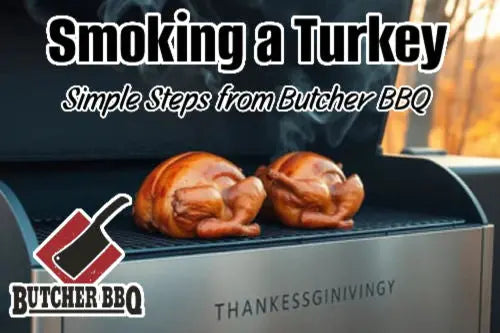
Trussing keeps the turkey compact and cooks evenly. Tie the legs and wings close to the body using kitchen twine. This helps prevent drying out and promotes uniform grilling.
- Tuck the wing tips under the body.
- Secure legs together with twine.
- Avoid tight tying that restricts air circulation.
- Trussing improves presentation and makes turning easier.
Credit: butcherbbq.com
Grilling Process And Timing
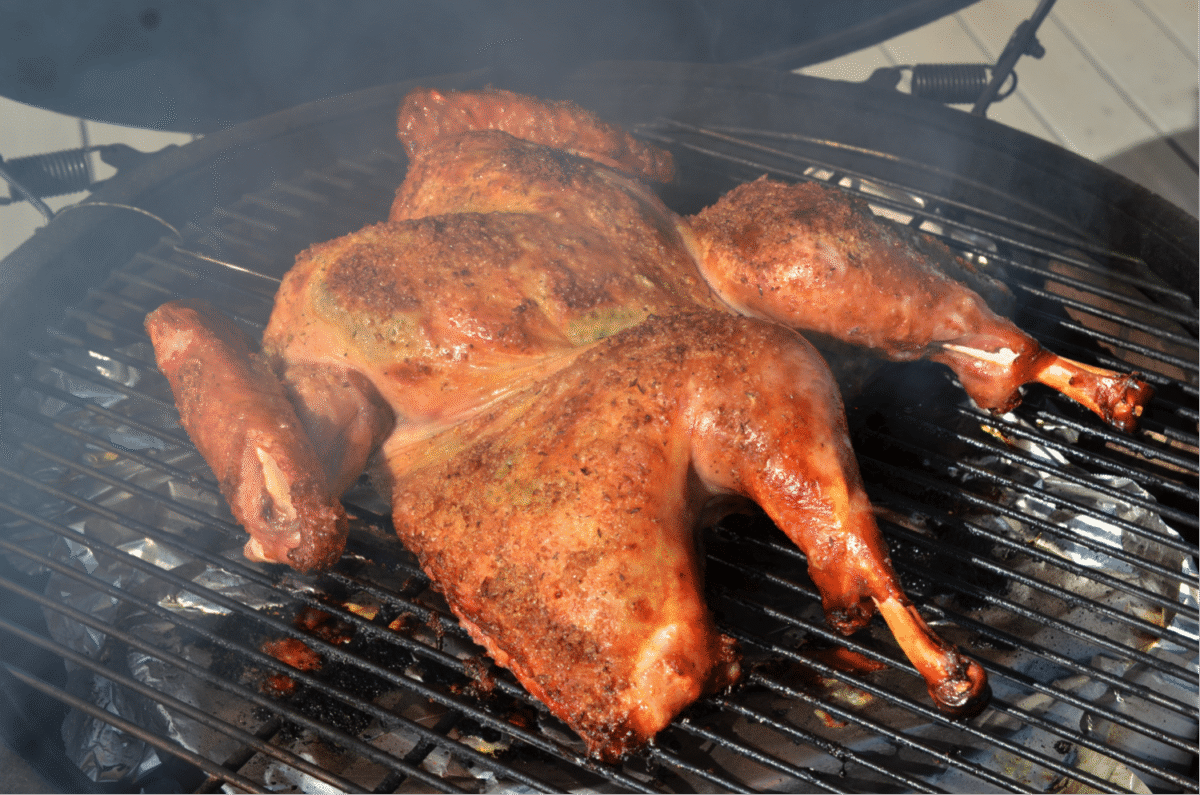
Place the turkey on the grill away from direct heat for even cooking. Cook for about 12-15 minutes per pound, turning occasionally. Use a meat thermometer to check for an internal temperature of 165°F.
Grilling a turkey on a charcoal grill can be a delightful experience. Timing is crucial, and understanding the grilling process can make all the difference between a juicy bird and a dry one. This section will walk you through the grilling process, ensuring every bite is tender and full of flavor.
Indirect Heat Cooking
Cooking your turkey using indirect heat is essential. This technique prevents the bird from burning while ensuring it cooks evenly. Create a two-zone fire in your charcoal grill by placing hot coals on one side and leaving the other side empty. Position the turkey on the cooler side of the grill. This setup mimics an oven and allows the turkey to roast gently. Keep the grill lid closed as much as possible to maintain steady heat and infuse smoky flavors.
Maintaining Temperature
Consistent temperature is key to a perfectly grilled turkey. Aim to keep your grill between 325°F and 350°F. Use the vents to control airflow and regulate the heat. Check the temperature every 30 minutes to ensure it stays within range. Add more charcoal as needed to keep the heat steady. Keeping an eye on the temperature will help you avoid overcooking or undercooking the turkey.
Using A Meat Thermometer
A meat thermometer is your best friend when grilling turkey. Insert it into the thickest part of the turkey’s thigh, without touching the bone. You're aiming for a temperature of 165°F for safe consumption. Check the temperature in several spots to ensure the bird is cooked evenly. Remember, the turkey will continue to cook after you remove it from the grill. Rest it for at least 20 minutes before carving to let the juices redistribute. The process might seem daunting, but with these tips, you can achieve a perfectly grilled turkey. What's your favorite grilling technique that you swear by?
Enhancing Flavor With Smoke
Smoking a turkey on a charcoal grill adds deep, rich flavors. The smoke seeps into the meat, creating a taste that is both smoky and savory. Knowing how to control smoke helps enhance your turkey’s flavor without overpowering it.
Using the right wood and timing the smoke carefully can make a big difference. Avoiding bitter flavors ensures your turkey stays tender and delicious. Let’s explore how to add the perfect smoky touch to your grilled turkey.
Choosing Wood Types
Select wood that complements turkey’s mild flavor. Fruit woods like apple and cherry add a sweet, gentle smoke. Hickory and oak provide stronger, smoky notes but use them sparingly. Avoid softwoods like pine; they create unpleasant tastes.
Mixing woods can balance the flavor. For example, combine apple with a little hickory. Keep wood pieces small for steady smoke, not heavy smoke clouds.
Smoke Timing Tips
Start smoking after the charcoal is hot and covered with gray ash. Add wood chunks early for a steady smoke flow. Avoid opening the grill too often; this lets heat and smoke escape. Smoke the turkey during the first half of cooking for a mild flavor.
Too much smoke over a long time can make the meat taste bitter. Remove or reduce wood pieces in the last hour of cooking. This keeps the turkey juicy and flavorful.
Avoiding Bitter Flavors
Bitter taste comes from too much smoke or burning wood. Use dry wood to prevent harsh smoke. Avoid smoldering wood; it creates thick, bitter smoke. Maintain steady heat to keep wood burning cleanly.
Clear ash from the grill regularly. Too much ash blocks airflow and causes uneven burning. Watch for blue smoke; white smoke is better for flavor. Blue smoke means incomplete burning and bitter taste.
Resting And Serving
After you’ve grilled your turkey to juicy perfection, the next crucial phase is resting and serving. This step can make or break your BBQ experience. Giving your turkey the right rest time and carving it skillfully ensures every bite is tender and flavorful. Let’s dive into how you can handle this final stage like a pro.
Resting Time
Resting your turkey after grilling is essential. It lets the juices redistribute, making the meat moist and tender instead of dry. Aim for at least 20 to 30 minutes of rest, loosely tented with foil to keep it warm without steaming the skin.
Ever rushed this step and ended up with dry turkey? Taking this pause can be frustrating but trust me, it’s worth it. Use this time to prepare your sides or set the table, so everything is ready when the turkey is.
Carving Tips
Carving a whole turkey can be intimidating. Start by removing the legs and thighs, cutting through the joints—not the bones—for easier separation. Slice the breast meat against the grain for the most tender slices.
Use a sharp carving knife and steady your turkey with a carving fork. Don’t forget to save the crispy skin—it’s often the tastiest part! If you’re unsure where to cut, look for natural separations in the bird to guide you.
Serving Suggestions
Serving your turkey well can elevate the entire meal. Arrange the slices on a warm platter and garnish with fresh herbs like rosemary or thyme for a touch of color and aroma. Offer classic sides such as cranberry sauce, roasted vegetables, or a simple gravy made from the pan drippings.
Think about your guests’ preferences—do they like dark meat or white? Setting out a variety of sauces can also let everyone customize their plate. How do you like to serve your turkey? Experiment with different sides and sauces to find your perfect combo.
Troubleshooting Common Issues
Grilling a turkey on a charcoal grill is rewarding, but it comes with its challenges. You might face issues like dry meat, uneven cooking, or sudden flare-ups that can throw off your timing and flavor. Knowing how to troubleshoot these common problems can save your meal and boost your confidence at the grill.
Dry Turkey Solutions
Dry turkey often happens when the bird cooks too long or at too high a temperature. To fix this, try brining your turkey before grilling. A simple saltwater brine keeps the meat juicy and adds flavor.
Another tip is to baste the turkey with melted butter or a marinade every 30 minutes. This adds moisture and helps create a crispy, golden skin. Also, avoid overcooking by using a meat thermometer; pull the turkey off the grill once it hits 165°F (74°C) in the thickest part.
Uneven Cooking Fixes
Uneven cooking on a charcoal grill usually means your heat source isn’t balanced. Arrange your charcoal in a two-zone setup: one side hot for searing, the other cooler for slower cooking. This helps the turkey cook evenly without burning.
Rotate the turkey periodically to expose all sides to heat. If your grill has hot spots, move the turkey around to prevent parts from drying out or staying undercooked. Using a grill lid helps maintain consistent temperature and cooks the turkey through evenly.
Handling Flare-ups
Flare-ups happen when fat drips onto the coals, causing sudden flames that can char your turkey. Keep a spray bottle of water nearby to quickly control flames without killing the heat. Avoid pouring water directly on the coals, as this can create steam and ash.
Another way to reduce flare-ups is to trim excess fat from the turkey before grilling. You can also place a drip pan under the bird to catch fat and prevent it from hitting the coals. How do you handle unexpected flames when they surprise you at the grill?
Credit: www.youtube.com
Frequently Asked Questions
How Long Does It Take To Bbq A Turkey On Charcoal?
BBQ a turkey on charcoal for about 3 to 4 hours. Maintain a temperature of 225-250°F for even cooking. Use indirect heat to avoid burning and check internal temperature to ensure doneness.
What Is The Best Charcoal For Grilling Turkey?
Use natural lump charcoal for grilling turkey. It burns hotter and cleaner than briquettes. Lump charcoal provides better flavor and consistent heat, which is essential for BBQ turkey on a charcoal grill.
Should I Brine The Turkey Before Bbq Grilling?
Yes, brining the turkey enhances moisture and flavor. A simple saltwater brine for 12-24 hours helps the turkey stay juicy when BBQ grilled. It also improves tenderness and seasoning absorption.
How Do I Maintain Temperature On A Charcoal Grill?
Control temperature by adjusting the air vents and charcoal placement. Open vents increase heat; closing them lowers it. Use a grill thermometer to monitor and keep steady heat between 225-250°F for BBQ turkey.
Conclusion
Grilling a turkey on charcoal brings great flavor and fun. Keep the fire steady and watch the turkey closely. Use the right tools to turn and check the meat. Let the turkey rest before carving for juicy results. Enjoy the smoky taste with your family and friends.
Charcoal grilling takes practice, but it is worth trying. Your next BBQ will be even better with these steps. Give it a go and enjoy a delicious turkey feast.