If you want to master the art of barbecuing pork ribs on a charcoal grill, you’re in the right place. Imagine biting into tender, juicy ribs with a smoky flavor that makes your mouth water. To elevate your grilling game further, exploring grilling techniques for pork roast can add a new dimension to your outdoor cooking repertoire. Mastering these techniques will ensure that your pork roast is perfectly cooked, with a delightful crust and succulent interior. Don't forget to experiment with various marinades and wood chips to enhance the flavor profile of your dish.
It’s easier than you think, and you don’t need fancy tools or complicated steps. In this guide, you’ll discover simple tips and tricks that will help you cook ribs like a pro every time. Keep reading, and soon you’ll impress your friends and family with ribs that melt in your mouth.
Your perfect barbecue starts here.
Choosing The Right Pork Ribs
Choosing the right pork ribs is key for a delicious barbecue. The type of ribs affects flavor, texture, and cooking time. Picking fresh, well-prepared ribs makes grilling easier and tastier.
Spare Ribs Vs Baby Back Ribs
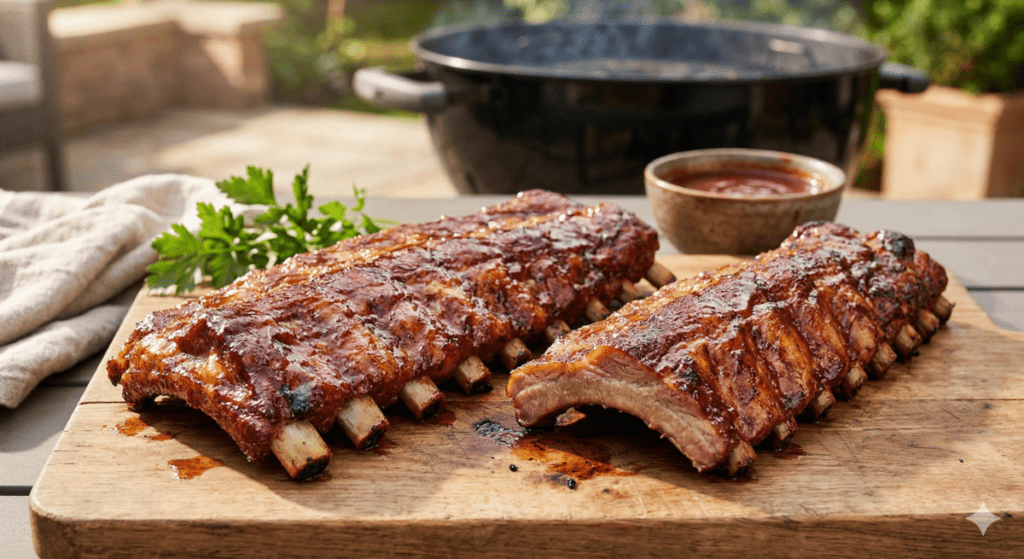
Spare ribs come from the lower part of the pig's rib cage. They have more fat and connective tissue. This adds flavor but needs longer cooking.
Baby back ribs are smaller and leaner. They come from the top of the rib cage near the spine. They cook faster and have a tender bite.
Choose spare ribs for rich taste and baby back ribs for quick grilling.
Selecting Fresh Ribs
Look for ribs with pinkish-red color. Avoid any that look gray or brown. Fresh ribs have firm meat and a little fat. The fat should be white, not yellow.
Check for a clean smell. It should be mild and fresh. Avoid ribs with a sour or strong odor. Buy ribs from a trusted butcher or store.
Preparing Ribs For Grilling
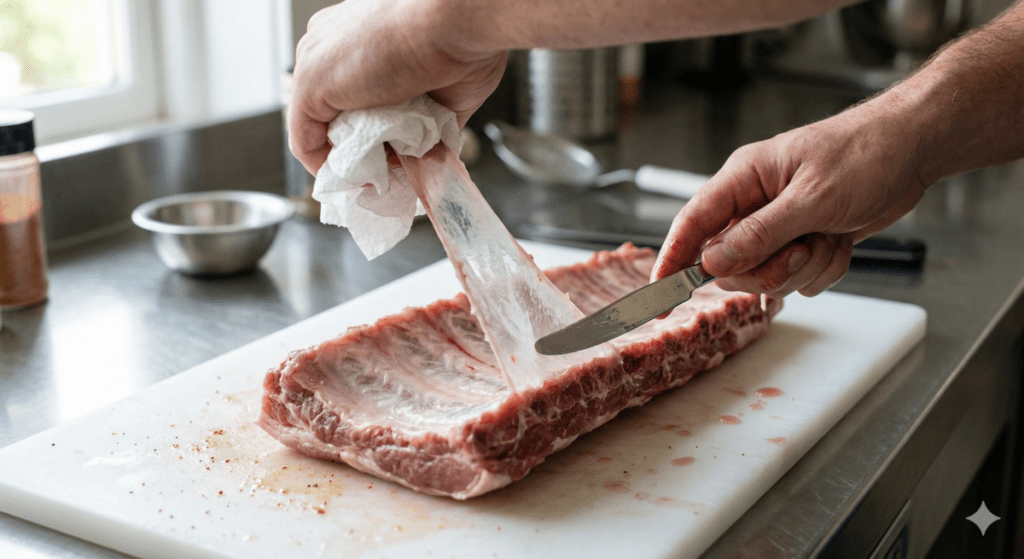
Remove the silver skin from the back of the ribs. This thin membrane can block smoke and seasoning. Use a knife to loosen it, then pull it off with a paper towel.
Trim excess fat but leave some for flavor. Pat ribs dry with paper towels. This helps the seasoning stick better.
Apply a dry rub or marinade to add flavor. Let the ribs rest for at least 30 minutes before grilling.
Setting Up The Charcoal Grill
Setting up your charcoal grill correctly is the foundation for perfectly barbecued pork ribs. It controls how your ribs cook, how tender they become, and the depth of smoky flavor they absorb. Getting this right means you won’t have to constantly babysit the grill or risk overcooking.
Arranging Charcoal For Indirect Heat
Place the charcoal on one side of the grill to create a hot zone and a cooler zone. This setup lets you cook the ribs slowly over indirect heat, avoiding flare-ups and burning. You want the ribs to cook evenly and gently, so arrange the coals in a pile or bank rather than spreading them out.
Try using a charcoal chimney starter to get your briquettes glowing before you add them to the grill. This ensures they’re evenly hot and ready to provide consistent heat. Have you noticed how ribs turn out better when they aren’t directly over flames? That’s why indirect heat is key.
Controlling Temperature
Keep your grill temperature steady between 225°F and 250°F for tender ribs. Use the grill vents to control airflow: open them to increase heat, close them slightly to cool things down. Make small adjustments and wait a few minutes to see the effect on temperature.
A reliable digital grill thermometer can be your best friend here. It helps you monitor the heat without opening the grill lid and losing temperature. Would you rather guess your grill’s heat or know it precisely? Precision makes a big difference in your rib’s texture.
Adding Wood Chips For Smoke
Soak wood chips like hickory, apple, or cherry in water for about 30 minutes before adding them to the coals. This prevents them from burning up too fast and produces a steady, flavorful smoke. Place the soaked chips directly on the hot coals or wrap them in foil with holes poked in for controlled smoking.
Don’t overdo it—too much smoke can make the ribs bitter. Start with a small handful and add more if needed during cooking. Think about the flavor profile you want: do you prefer a sweet apple smoke or a strong hickory punch? Your choice of wood chips lets you customize the taste.
Preparing The Ribs For The Grill
Preparing pork ribs properly before placing them on a charcoal grill sets the foundation for mouthwatering results. Taking a few extra minutes to get the ribs ready can make a big difference in flavor and tenderness. Let’s look at the key steps that help transform raw ribs into a delicious barbecue masterpiece.
Removing The Membrane
The thin, silvery membrane on the back of the ribs can block smoke and seasoning from penetrating the meat. Removing it ensures your ribs absorb all the flavors you add. Use a butter knife or your fingers to gently loosen the membrane at one end, then grab it with a paper towel and pull it off in one piece.
Many beginners overlook this step, but trust me, it’s worth the effort. Have you ever bitten into ribs that felt tough or chewy? That membrane is often the culprit.
Applying Dry Rubs And Marinades
Dry rubs and marinades add layers of flavor and help create a beautiful crust on the ribs. You can use a simple mixture of salt, pepper, paprika, and brown sugar, or try adding spices like cumin, garlic powder, or chili powder for a deeper taste. If using a marinade, let the ribs soak for at least 2 hours or overnight in the fridge.
Rub the seasoning evenly over both sides, pressing it into the meat. Don’t be shy—generous seasoning is key. Have you experimented with combining sweet, spicy, and savory flavors in your rubs? It’s a fun way to make the ribs uniquely yours.
Letting The Ribs Rest
After seasoning, let your ribs rest at room temperature for 30 to 60 minutes before grilling. This step allows the rub or marinade to set and the meat to come closer to grilling temperature. Avoid rushing this part because cold meat on a hot grill can lead to uneven cooking.
Think of this as the moment your ribs absorb all the good flavors and get ready to cook evenly. Have you noticed how resting meat often improves its texture and juiciness? This pause makes a noticeable difference on the grill.
Grilling Techniques For Perfect Ribs
Grilling pork ribs on a charcoal grill requires more than just tossing them over the flames. The secret lies in mastering specific techniques that bring out tenderness and smoky flavor. Paying close attention to heat control and timing can transform your ribs from tough to melt-in-your-mouth delicious.
Maintaining Low And Slow Heat
Keeping the heat low and slow is key to breaking down the connective tissue in ribs without drying them out. Aim for a grill temperature around 225°F to 250°F (107°C to 121°C). This gentle heat allows the ribs to cook evenly and absorb that smoky flavor over several hours.
Try adjusting the vents on your charcoal grill to control airflow and temperature. I often find that adding a few fresh charcoal pieces every hour helps maintain steady heat. Have you noticed how rushing the cooking process makes ribs tough? Patience here truly pays off.
Using The Two-zone Cooking Method
The two-zone method creates separate areas of direct and indirect heat on your grill. Pile charcoal on one side for high heat and leave the other side empty or with fewer coals for indirect cooking. Start your ribs on the cooler side to cook through, then finish them briefly over direct heat to crisp the edges.
This method lets you control flare-ups and prevents burning. I recommend placing a drip pan under the ribs to catch fat and avoid flames. Would you rather risk burnt ribs or have perfectly cooked meat with a nice bark? Two-zone cooking gives you the best of both worlds.
Wrapping Ribs For Tenderness
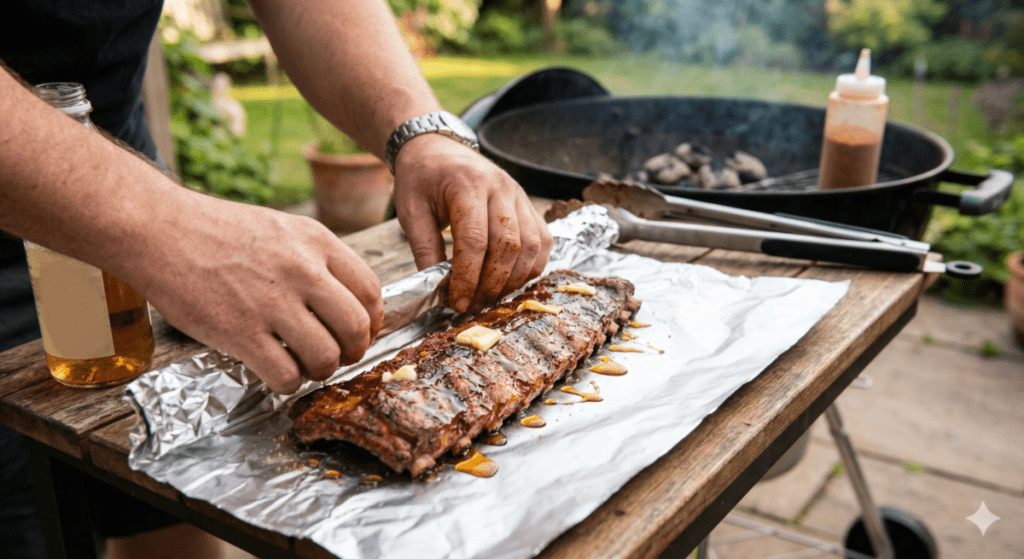
Wrapping ribs in heavy-duty grilling foil, often called the “Texas Crutch,” locks in moisture during the middle stage of cooking. After a few hours on the grill, wrap your ribs tightly with some apple juice, honey, or butter inside. This steams the ribs and speeds up tenderness.
Unwrap them near the end to firm up the bark and add any final sauces. I’ve found that this step can make a huge difference when ribs start feeling dry or tough. Have you tried wrapping your ribs before? It might be the game-changer your barbecue routine needs.
Timing And Checking Doneness
Timing and checking doneness are crucial for perfect barbecue pork ribs on a charcoal grill. Cook ribs slowly for tenderness, using a meat thermometer to ensure they reach 145°F. Look for meat pulling away from the bone as a visual doneness cue.
Timing and checking the doneness of pork ribs is crucial for achieving that tender, fall-off-the-bone perfection every barbecue enthusiast dreams of. It's not just about waiting for a timer to go off; it's an art that involves patience and a keen eye. Mastering this skill can make the difference between an unforgettable meal and a culinary disappointment.
Estimated Cooking Times
Cooking pork ribs on a charcoal grill typically requires about 3 to 4 hours. This may vary depending on the thickness of the ribs and the consistency of your grill's temperature. Maintaining a steady temperature around 225°F to 250°F is key to achieving a tender result. Using a timer as a guideline is helpful, but keep in mind that it's not the sole indicator of doneness. The journey of cooking ribs involves frequent checks and adjustments to ensure consistent heat and smoke.
Testing For Tenderness
To check if your ribs are done, use the "bend test." Gently pick up the ribs with tongs from the center; they should bend easily and the meat should start to crack on the surface. This is a clear sign that the ribs are tender and ready to be devoured. Another method is the toothpick test. Insert a toothpick between the bones; if it slides in with little resistance, your ribs have reached the desired tenderness. Remember, patience is your best friend when it comes to achieving that perfect texture.
Avoiding Common Pitfalls
One common mistake is rushing the process. It's tempting to crank up the heat to speed things up, but this often leads to dry, tough ribs. Stick to a low and slow approach for the best results. Avoid constantly lifting the grill lid to check the ribs. Each time you do, you lose precious heat and smoke, prolonging the cooking time. Trust the process and check only when necessary. Have you ever ended up with overcooked ribs? It's usually because of ignoring the signs of doneness and relying solely on time. Keep an eye on those cues and adjust accordingly to avoid this pitfall.
Adding Sauce And Final Touches
Adding sauce and final touches to your pork ribs can make all the difference. This step boosts flavor and adds a glossy, appetizing finish. Careful timing and technique ensure the sauce sticks well and caramelizes perfectly. The last moments on the grill are where your ribs transform from good to great.
When To Apply Barbecue Sauce
Apply barbecue sauce during the last 20 minutes of grilling. Too early, and the sugars in the sauce burn easily. Wait until the meat is nearly done cooking. Lightly brush the sauce on both sides of the ribs. Repeat this process every 5 to 10 minutes for layers of flavor. For grilling tips for filet mignon, start by seasoning the meat with salt and pepper for a simple yet effective flavor boost. Ensure your grill is preheated to high heat before placing the steak on it, allowing for a perfect sear. Aim for an internal temperature of 130°F for a medium-rare finish, and let the meat rest for a few minutes before slicing to retain its juices. When it comes to juicy london broil grilling tips, marinating the meat overnight can greatly enhance flavor and tenderness. Once you’re ready to grill, use a moderate heat to ensure even cooking without drying out the meat. Let the london broil rest for at least 10 minutes after grilling for optimal juiciness before slicing against the grain.
Caramelizing The Sauce
Caramelize the sauce by placing ribs close to the heat source. Use indirect heat to avoid burning. Let the sauce bubble and thicken on the ribs. This process creates a sticky, shiny glaze. Watch carefully and turn the ribs often to prevent charring.
Resting Before Serving
Rest the ribs for 10 to 15 minutes after grilling. This lets the juices redistribute inside the meat. Cover the ribs loosely with foil to keep heat in. Resting improves tenderness and flavor. Slice the ribs after resting for best results.
Serving And Storing Leftover Ribs
After enjoying perfectly grilled pork ribs, knowing how to serve and store leftovers is important. Proper serving keeps the ribs tasty and fresh. Storing them correctly prevents waste and keeps flavors intact. Follow simple tips to enjoy ribs even after the barbecue is over.
Best Serving Suggestions
Serve leftover ribs warm for the best taste. Pair them with fresh sides like coleslaw or corn on the cob. Use barbecue sauce to add extra flavor. Cut ribs into smaller pieces for easy sharing. Add a sprinkle of fresh herbs for a nice touch. Leftover ribs also work great in sandwiches or tacos.
Storing And Reheating Tips
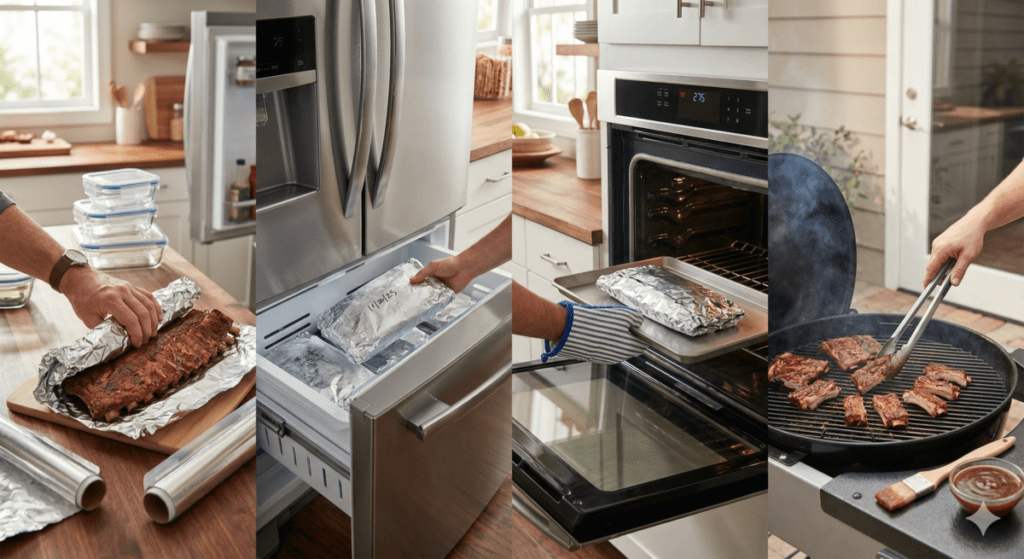
Wrap leftover ribs tightly in foil or place in an airtight container. Store in the refrigerator for up to 3 days. For longer storage, freeze ribs for up to 3 months. Thaw frozen ribs overnight in the fridge before reheating.
Reheat ribs gently to keep them moist. Use an oven at 275°F (135°C), wrapped in foil, for about 20 minutes. You can also reheat on a low grill, turning often. Avoid microwaving as it can dry out the meat. Always check that ribs are heated through before serving. Cooking prime rib in convection oven offers an excellent method for ensuring even cooking and a perfect crust. To achieve the best results, season the meat generously and allow it to come to room temperature before placing it in the oven. This technique not only enhances the flavor but also helps maintain juiciness throughout the cooking process.
Frequently Asked Questions
How Long To Cook Pork Ribs On Charcoal Grill?
Cook pork ribs for about 4 to 5 hours on low heat. Maintain a grill temperature around 225°F to 250°F for tender results. Use indirect heat to avoid burning and ensure even cooking.
What Charcoal Type Is Best For Grilling Ribs?
Use lump charcoal or natural hardwood briquettes for best flavor. They burn hotter and cleaner, adding a smoky aroma to ribs. Avoid quick-light charcoal as it can impart chemical tastes.
Should I Marinate Or Dry Rub Pork Ribs?
Dry rubs are preferred for pork ribs on charcoal grills. They enhance flavor without extra moisture, helping form a tasty crust. Marinating can be done but is less common for traditional barbecue ribs.
How To Maintain Temperature On A Charcoal Grill?
Adjust air vents to control airflow and temperature. Open vents increase heat, while closing lowers it. Add charcoal gradually to keep steady heat during long cooking. When cooking baked potatoes on charcoal, it's essential to ensure they are wrapped in aluminum foil to retain moisture. Place them strategically around the heat source for even cooking, turning occasionally for the best results. Enjoy a deliciously smoky flavor that adds a unique twist to this classic dish.
Conclusion
Barbecuing pork ribs on a charcoal grill takes time and care. Start with good ribs and prepare your grill well. Keep the heat low and cook slowly for tender meat. Use your favorite rubs and sauces to add flavor. Check the ribs often and adjust the heat as needed.
Enjoy the smoky taste and juicy texture. With practice, your ribs will turn out delicious every time. Simple steps lead to great results. Give it a try and enjoy a tasty meal outdoors.