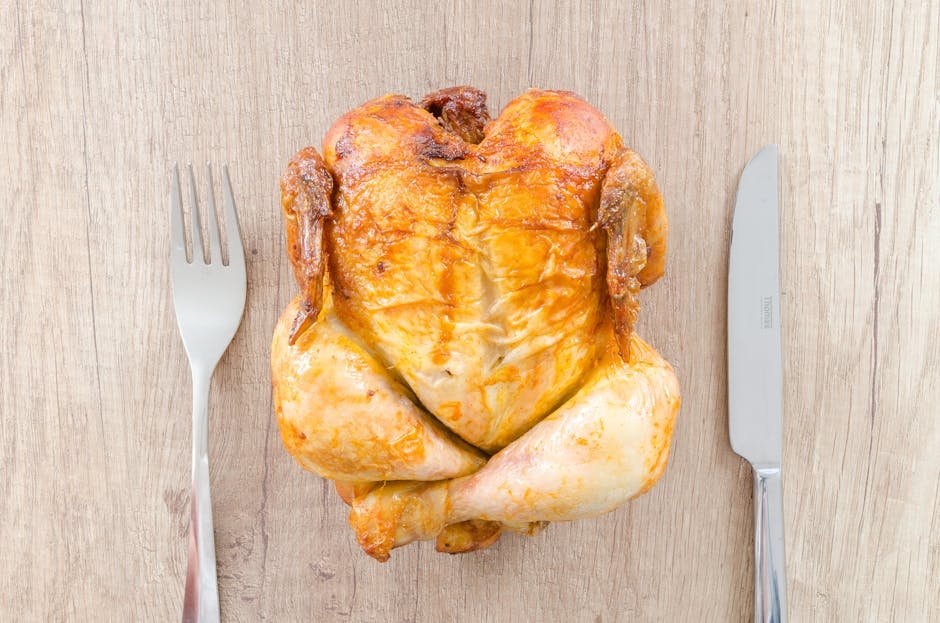
Craving juicy, flavorful chicken thighs straight from your gas grill? You’re in the right place.
Grilling chicken thighs might seem tricky, but with the right tips, you can master it quickly. Imagine biting into tender, smoky chicken with crispy skin every time you fire up your grill. In this guide, you’ll discover simple steps that make your barbecue a hit.
Ready to impress your family and friends with perfectly grilled chicken thighs? Let’s get started!

Credit: garnishedplate.com
Choosing The Right Chicken Thighs
Choosing the right chicken thighs is the first step to a successful barbecue on your gas grill. The type of thigh you pick affects flavor, cooking time, and texture. Understanding your options helps you grill chicken thighs that meet your taste and convenience preferences.
Bone-in Vs Boneless
Bone-in chicken thighs hold more flavor and stay juicier during grilling. The bone helps distribute heat evenly, reducing the chance of drying out. However, they take longer to cook compared to boneless thighs.
Boneless thighs cook faster and are easier to eat, especially for quick meals or gatherings. They absorb marinades better since the meat is fully exposed. Think about whether you want convenience or richer flavor when choosing between the two.
Skin-on Vs Skinless
Skin-on thighs add a crispy, flavorful layer when grilled properly. The skin acts as a natural barrier, locking in moisture and enhancing the taste. If you enjoy that satisfying crunch, skin-on is the way to go.
Skinless thighs grill faster and reduce fat content. They are perfect if you want leaner meat or plan to add your own sauces and rubs without the interference of skin. Ask yourself if you prefer a crispy exterior or a cleaner bite.
Fresh Or Frozen Options
Fresh chicken thighs usually have better texture and flavor, especially if you buy from a trusted butcher or local market. They require less thawing time, so you can grill on short notice.
Frozen thighs offer convenience and longer storage but can sometimes lose moisture during freezing. If you use frozen, thaw them properly in the fridge to keep the meat tender. Have you tried grilling straight from frozen? It’s possible but demands careful temperature control.
Prepping The Chicken Thighs
Preparing chicken thighs properly sets the stage for delicious barbecue. Clean, season, and marinate the meat well. This enhances flavor and ensures even cooking on a gas grill. Good prep makes grilling easier and the results tastier.
Trimming And Cleaning
Start by rinsing the chicken thighs under cold water. Pat them dry with paper towels. Remove excess fat and skin pieces that may burn. Trim any leftover feathers or unwanted bits. Clean chicken cooks better and tastes fresher.
Marinades And Rubs
Use marinades to add moisture and flavor. Let chicken sit in a marinade for at least 30 minutes. Rubs provide a dry, flavorful crust. Apply rubs evenly on all sides before grilling. Both methods boost taste and juiciness.
Recommended Seasonings
- Salt and black pepper for basic seasoning
- Garlic powder for a savory touch
- Smoked paprika for smoky flavor
- Chili powder to add mild heat
- Dried herbs like thyme or oregano
Mix seasonings in a bowl for easy application. Season generously for best results. Proper seasoning brings out the natural chicken flavor.
Setting Up The Gas Grill
Setting up a gas grill correctly is key to cooking juicy, flavorful chicken thighs. Proper preparation helps control heat and prevents sticking or burning. It also ensures even cooking for tender results.
Cleaning And Preheating
Start by cleaning the grill grates. Remove leftover food and grease with a grill brush. This step stops old flavors from mixing with your chicken.
Next, preheat the grill. Turn all burners on high and close the lid. Let the grill heat up for 10 to 15 minutes. A hot grill gives perfect sear marks and locks in juices.
Direct Vs Indirect Heat Zones
Create two heat zones on your grill. One side stays hot for direct heat cooking. The other side stays cooler for indirect heat.
Use direct heat to sear chicken thighs and get crispy skin. Then move them to indirect heat to cook through without burning. This balance avoids dry or overcooked meat.
Ideal Temperature Settings
| Heat Zone | Temperature Range | Purpose |
|---|---|---|
| Direct Heat | 400°F - 450°F (204°C - 232°C) | Searing chicken skin |
| Indirect Heat | 300°F - 350°F (149°C - 177°C) | Cooking through evenly |
Maintain these temperatures using your grill’s control knobs. Use a grill thermometer for accuracy. This method ensures juicy chicken thighs cooked safely and thoroughly.
Grilling Techniques For Juicy Thighs
Grilling chicken thighs on a gas grill can be a rewarding experience if you master the right techniques. Achieving juicy, tender meat with a crispy, flavorful skin requires attention to heat management and timing. Let’s break down the essential grilling steps that will elevate your chicken thighs from ordinary to mouthwatering.
Searing Over Direct Heat
Start by placing your chicken thighs directly over the hottest part of the grill. This high heat creates a beautiful, caramelized crust that locks in juices and adds rich flavor. Keep an eye on the skin—about 3 to 5 minutes per side is usually enough to get that golden-brown sear without burning.
Have you noticed how a good sear instantly changes the texture? It’s the difference between dry chicken and a juicy bite that keeps you coming back. Don’t rush this step; it sets the foundation for everything that follows.
Cooking Through Indirect Heat
After searing, move the thighs to a cooler part of the grill, away from direct flames. This lets the meat cook evenly without drying out the outside. Close the lid to trap heat and create an oven-like environment that gently finishes cooking the thighs.
Plan for about 20 to 30 minutes here, flipping occasionally to prevent flare-ups. This slower cooking step gives the thighs time to absorb smoky flavors while staying moist inside. Ever had chicken that’s crispy outside but still pink inside? Indirect heat is the key to avoiding that.
Using A Meat Thermometer
Guesswork can ruin a perfectly grilled chicken thigh. Use a meat thermometer to check internal temperature and ensure safety without overcooking. Insert the probe into the thickest part of the thigh; you’re aiming for 165°F (74°C).
When your thermometer reads that magic number, it’s time to take the thighs off the grill. Letting them rest a few minutes afterward allows the juices to redistribute, making each bite juicy and flavorful. How often do you rely on a thermometer instead of eyeballing it?
Tips For Perfect Flavor And Texture
Start by marinating chicken thighs with your favorite spices. Preheat the gas grill for even cooking. Grill each side for about 6-7 minutes until juicy and tender. Keep the lid closed for a smoky flavor. Use a meat thermometer to ensure a perfect internal temperature.
Enjoy deliciously grilled chicken thighs.
Grilling chicken thighs on a gas grill can be an art form. Achieving that perfect balance of flavor and texture is what elevates your barbecue from ordinary to extraordinary. By focusing on a few key techniques, you can ensure your chicken thighs are juicy, flavorful, and always a crowd-pleaser. Here are some essential tips to guide you on your grilling journey.
Managing Flare-ups
Flare-ups can be the bane of any griller’s existence. They occur when fat drips onto the flames, causing sudden bursts of fire that can char your chicken. To manage flare-ups, keep a spray bottle filled with water handy. Adjust your grill’s heat zones to move the chicken away from direct flames if needed. Consider trimming excess fat from the chicken thighs before grilling. This not only minimizes flare-ups but also helps in achieving even cooking.
Resting Time After Grilling
Resting your chicken thighs after grilling is crucial for retaining their juices. Once you remove the chicken from the grill, allow it to rest for about 5 to 10 minutes. This resting period helps the juices redistribute within the meat, making each bite more succulent. Avoid cutting into the chicken immediately after grilling. This can cause precious juices to escape, leaving your chicken dry. Use this resting time to prepare sides or set the table.
Adding Smoke For Extra Flavor
Want to add a smoky depth of flavor to your chicken thighs? Use wood chips or a smoker box on your gas grill. Soak wood chips in water for about 30 minutes, then place them in a smoker box or wrap them in aluminum foil. Poke holes in the foil to allow smoke to escape and enhance the flavor of your chicken. Experiment with different types of wood chips like hickory or applewood for unique flavors. Remember, a little smoke can go a long way in transforming the taste of your grilled chicken. What's your favorite tip for grilling chicken thighs? Try these techniques and discover how simple adjustments can make a significant difference in your barbecue game.

Credit: www.gritsandpinecones.com
Serving Suggestions
Serving your perfectly grilled chicken thighs is where the meal truly comes alive. The right sides, sauces, and presentation can elevate your barbecue from good to unforgettable. Let’s dive into how you can make your chicken thighs the star of the table.
Side Dishes That Complement
Think about balance when choosing sides. Crispy roasted potatoes or grilled vegetables add a nice texture contrast to tender chicken thighs. A fresh coleslaw or a tangy cucumber salad offers a refreshing bite that cuts through the richness of the meat.
Consider simple corn on the cob brushed with herb butter or a classic baked bean dish for a true barbecue feel. Have you tried pairing your chicken with a light quinoa salad? It adds a healthy twist and keeps the meal feeling fresh.
Sauces And Glazes
Sauces can bring a new dimension to your grilled chicken thighs. A smoky barbecue sauce with a hint of sweetness works well, but don’t stop there. Experiment with spicy sriracha mayo or a tangy chimichurri for bold flavor.
Glazing your chicken during the last few minutes on the grill locks in moisture and adds a shiny, appetizing finish. Try a honey mustard glaze or a soy garlic mix to keep your guests guessing. What flavor profile excites you most to try next?
Presentation Ideas
Serving isn’t just about taste—it’s about how your food looks. Use a large wooden board or a colorful platter to arrange the chicken thighs alongside your sides. Adding fresh herbs like parsley or cilantro can brighten the plate instantly.
Don’t underestimate the power of garnishes: lemon wedges, sliced jalapeños, or even edible flowers can make your dish pop. Think about how you can turn your barbecue into a visual feast as well as a flavorful one.
Common Mistakes To Avoid
Barbecuing chicken thighs on a gas grill is simple but easy to mess up. Avoiding common mistakes helps keep your chicken juicy and tasty. Many beginners make errors that ruin flavor and texture. Knowing what to avoid improves your grilling every time.
Overcooking And Dryness
Chicken thighs dry out fast if overcooked. Use a meat thermometer to check doneness. Aim for 165°F inside the thickest part. Keep the heat medium to low for better control. Turn the thighs often to avoid burning.
Under-seasoning
Plain chicken is boring. Season thighs well before grilling. Use salt, pepper, and spices for full flavor. Marinate for at least 30 minutes to add taste and moisture. Don’t be afraid to try bold seasoning blends.
Ignoring Grill Maintenance
A dirty grill hurts your chicken's taste. Clean grates prevent sticking and flare-ups. Check burners for blockages before cooking. Oil the grill grates lightly to keep chicken from sticking. Regular maintenance keeps your grill working well.

Credit: www.youtube.com
Frequently Asked Questions
How Long Should Chicken Thighs Cook On A Gas Grill?
Chicken thighs usually take 20-25 minutes on medium heat. Turn them every 5-7 minutes for even cooking. Use a meat thermometer to ensure the internal temperature reaches 165°F (74°C).
Should Chicken Thighs Be Marinated Before Grilling?
Marinating chicken thighs enhances flavor and keeps them juicy. Aim to marinate for at least 30 minutes, or up to 4 hours. Use a mix of oil, acid, and spices for best results.
How Do I Prevent Chicken Thighs From Sticking To The Grill?
Preheat the grill and oil the grates well before cooking. Use a high smoke point oil like canola or grapeseed. Avoid moving the chicken too soon to form a natural non-stick surface.
What Is The Best Heat Setting For Grilling Chicken Thighs?
Use medium to medium-high heat, around 350°F to 400°F (175°C to 205°C). This cooks thighs evenly without burning the skin, allowing crispy texture and juicy meat inside.
Conclusion
Grilling chicken thighs on a gas grill is simple and fun. Start with clean, hot grates for the best sear. Use a good marinade or seasoning to add flavor. Cook the thighs evenly on both sides until they reach the right temperature.
Let them rest before serving to keep them juicy. Enjoy your tasty, grilled chicken with family or friends. Barbecue nights just got easier and more delicious. Try these steps, and you’ll have great chicken every time.