Grilling chicken legs on a gas grill can be simple and delicious when you know the right steps. You want juicy, flavorful meat with crispy skin that makes every bite satisfying.
But getting that perfect balance isn’t always easy. In this guide, you’ll discover easy tips and tricks to barbecue chicken legs like a pro. Whether you're a beginner or just looking to improve, this article will help you turn your gas grill into your secret weapon for tasty meals.
Keep reading to unlock the secrets that will make your next barbecue a hit!

Credit: www.youtube.com
Choosing The Right Chicken Legs
Choosing the right chicken legs can make or break your barbecue experience. The texture, flavor, and cooking time all depend on the type of chicken legs you select. Paying attention to details like freshness, skin, and size will help you grill juicy, flavorful legs every time.
Fresh Vs Frozen
Fresh chicken legs usually have better texture and flavor compared to frozen ones. If you can find fresh legs at your local market, they often cook more evenly and absorb marinades better. However, frozen legs can be just as good if you thaw them properly—slowly in the fridge, not on the counter.
Have you ever noticed how frozen chicken sometimes ends up dry or unevenly cooked? That's often because of improper thawing or refreezing. Taking the time to thaw correctly will save you from that disappointment.
Skin On Or Off
Keeping the skin on adds a layer of protection during grilling, which helps retain moisture and creates that crisp, flavorful crust you crave. If you prefer skinless, the cooking time will be shorter, but you’ll need to watch carefully to avoid drying out the meat.
Think about how much you enjoy that crispy skin crackling under your teeth. Would you sacrifice that texture for a leaner bite? Your choice here affects both flavor and cooking technique.
Size And Thickness
Chicken legs come in different sizes and thicknesses, which influences how long they take to cook. Thicker legs need more time on the grill to reach the safe internal temperature without burning the outside.
Smaller legs are perfect if you want a quick cook and even char, but larger ones offer more meat and juiciness. Have you ever grilled thick legs only to find the outside burnt and the inside undercooked? Choosing the right size helps avoid that common grilling mistake.

Credit: thissillygirlskitchen.com
Preparing The Chicken Legs
Getting your chicken legs ready is the foundation of a delicious barbecue. How you prepare them can make a big difference in flavor and texture. Let’s look at some essential steps to ensure your chicken legs come out juicy and tasty every time.
Cleaning And Patting Dry
Start by rinsing the chicken legs under cold water to remove any surface residue or packaging juices. Then, use paper towels to pat them dry thoroughly. Drying the skin helps it crisp up better on the grill and prevents flare-ups caused by excess moisture.
Marinating Options
Marinating adds moisture and flavor deep into the meat. You can keep it simple with a mix of olive oil, lemon juice, garlic, and herbs, or try an Asian-inspired marinade with soy sauce, ginger, and honey. Aim to marinate your chicken for at least 30 minutes, but a few hours or overnight will intensify the taste.
Dry Rub Recipes
Dry rubs are perfect if you want a bold, concentrated flavor on the skin. Combine spices like smoked paprika, garlic powder, brown sugar, salt, and pepper for a classic BBQ taste. Rub the mixture evenly on the chicken legs and let them rest for about 20 minutes before grilling to allow the spices to absorb.
Setting Up The Gas Grill
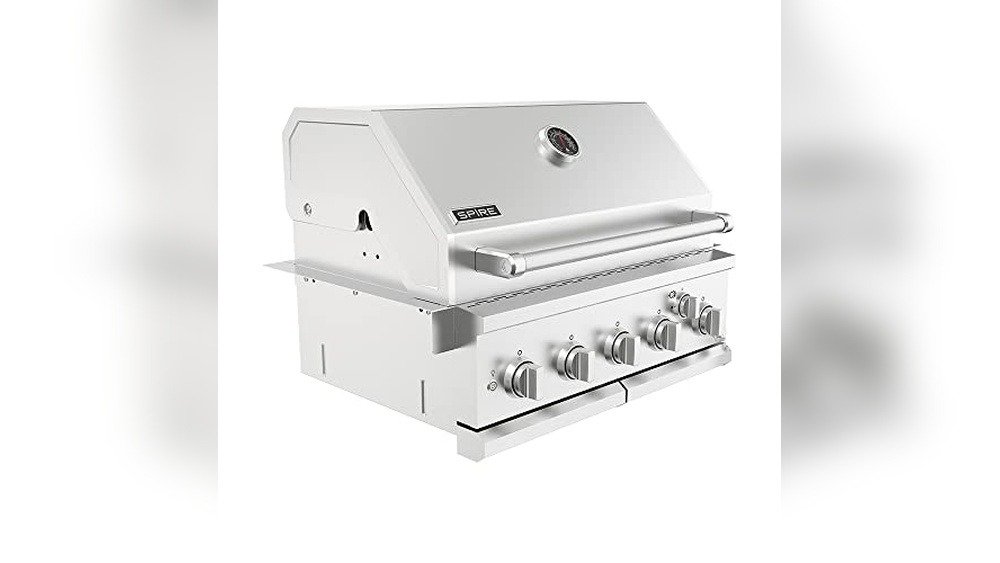
Setting up the gas grill is the key to cooking juicy chicken legs. It controls the heat and prevents burning. A well-prepared grill makes your barbecue easy and fun. Follow these steps to get the grill ready.
Preheating The Grill
Turn on the gas and light the burners. Close the lid and let the grill heat for 10 to 15 minutes. The grill should reach about 400°F (204°C). Preheating ensures even cooking and nice grill marks.
Creating Heat Zones
Set one side of the grill to high heat and the other side to low heat. Use two or three burners for this. This setup gives a hot zone for searing and a cooler zone for cooking through. It helps cook chicken legs without burning.
Cleaning And Oiling Grates
Use a grill brush to clean the grates before cooking. Remove any old food bits or grease. Then, dip a cloth in cooking oil and rub it on the grates. Oiled grates stop chicken from sticking and help create perfect grill marks.
Grilling Techniques For Juicy Chicken
Grilling chicken legs to juicy perfection needs careful technique. The right heat, timing, and attention keep the meat tender and flavorful. Avoid dry, overcooked chicken by using smart grilling methods. Control the grill well to seal in moisture and taste. These tips help create delicious chicken every time.
Direct Vs Indirect Heat
Direct heat cooks chicken quickly over flames or hot grill parts. It gives a nice crispy skin but can dry the meat fast. Indirect heat means placing chicken away from direct flames. It cooks slowly with gentle heat, keeping juices inside. Start chicken on direct heat for browning. Move it to indirect heat to finish cooking through.
Timing And Temperature Control
Keep the grill temperature between 350°F and 400°F for chicken legs. Cook about 30 to 40 minutes total. Use a meat thermometer to check for 165°F inside. Turn off direct flames if chicken cooks too fast or burns. Adjust grill heat to avoid drying out the meat.
Flipping And Basting Tips
- Flip chicken legs every 5 to 7 minutes for even cooking.
- Use tongs to avoid piercing the meat and losing juices.
- Baste with marinade or sauce during last 10 minutes to add flavor.
- Avoid basting too early to prevent burning sugar in sauces.
Checking For Doneness
Check chicken legs by inserting a meat thermometer into the thickest part. The temperature should reach 165°F for safe eating. Juices running clear also show the chicken is cooked well.
When grilling chicken legs on a gas grill, checking for doneness is crucial. Properly cooked chicken ensures safety and enhances flavor. Undercooked chicken poses health risks, while overcooked chicken becomes dry. Striking the right balance is key.
Using A Meat Thermometer
A meat thermometer is your best friend for grilling. Insert it into the thickest part of the chicken leg. Make sure it doesn't touch bone. The safe internal temperature for chicken is 165°F (74°C). This ensures the meat is cooked through. Always clean the thermometer after use.
Visual And Texture Cues
Visual cues also help determine doneness. Look for clear juices when you cut into the meat. Opaque meat is a good sign. The chicken should feel firm, not rubbery. The skin should be golden and crispy. These cues complement the thermometer reading. Observing both ensures perfectly grilled chicken legs.
Resting And Serving
Resting and serving chicken legs after grilling is a key step. It helps keep the meat juicy and full of flavor. Proper rest lets the juices spread evenly inside the meat. Serving the chicken right adds to the overall taste and experience.
Importance Of Resting
Resting chicken legs for 5 to 10 minutes is essential. It prevents the juices from escaping when you cut into the meat. This step makes the chicken tender and moist. Cover the chicken loosely with foil to keep it warm during resting.
Serving Suggestions
Serve grilled chicken legs hot with fresh herbs or a squeeze of lemon. A simple barbecue sauce or a light glaze can enhance the flavor. Present the chicken on a large plate or wooden board for a rustic look. Garnish with chopped parsley or green onions for color.
Side Dishes To Complement
- Grilled corn on the cob with butter
- Fresh green salad with vinaigrette
- Classic coleslaw for crunch
- Garlic mashed potatoes for comfort
- Steamed vegetables for a healthy touch
Common Mistakes To Avoid
Barbecuing chicken legs on a gas grill can be simple and rewarding. Avoiding common mistakes helps you get juicy, tasty results every time. Many beginners make errors that dry out the meat or leave it undercooked. Paying attention to key details improves your cooking and flavor.
Overcooking
Overcooking chicken legs makes them dry and tough. Chicken legs need to be cooked just right. Use a meat thermometer to check the internal temperature. It should reach 165°F (75°C) for safe eating. Remove the legs from the grill as soon as they hit this temperature.
Keep an eye on the grill and avoid leaving chicken legs too long. Turning them often helps cook evenly and keeps moisture inside.
Skipping Marinade
Skipping marinade means missing out on flavor and tenderness. Marinades add taste and help keep the meat juicy. Use simple marinades with oil, lemon juice, herbs, or spices. Let the chicken legs soak for at least 30 minutes before grilling.
Marinating also helps the chicken cook better. Plain chicken legs can turn out bland and dry.
Ignoring Grill Temperature
Ignoring grill temperature leads to uneven cooking. Gas grills can have hot and cool spots. Preheat your grill to medium heat before placing chicken legs on it.
Use two-zone cooking: one side hot for searing, one side cooler for slow cooking. This method cooks chicken legs thoroughly without burning the outside.
Enhancing Flavor With Sauces
Sauces bring extra taste and moisture to grilled chicken legs. Applying sauce during the last few minutes prevents burning. Sweet, spicy, or tangy sauces all boost flavor and make each bite delicious.
Enhancing the flavor of your barbecue chicken legs with sauces is like adding a personal signature to your dish. The right sauce can elevate the taste, making the meal memorable for everyone at the table. Whether you're a fan of tangy, sweet, or spicy flavors, there's a sauce out there that perfectly complements your grilled chicken.
When To Apply Sauces
Timing is key when applying sauces to your chicken legs. Brushing on the sauce too early can lead to burnt sugar, especially if your sauce is sweet. A good rule of thumb is to apply the sauce in the last 10-15 minutes of grilling. This allows the sauce to glaze nicely without charring. Remember, you can always add more sauce after the chicken is off the grill for an extra kick.
Homemade Sauce Ideas
Creating your own sauce at home can be a rewarding experience. Try mixing honey with Dijon mustard and a splash of apple cider vinegar for a sweet and tangy blend. Another idea is to combine soy sauce with minced garlic and ginger for a savory Asian-inspired twist. Don't be afraid to experiment with different ingredients you already have in your pantry.
Store-bought Options
If making sauce from scratch isn't your thing, plenty of store-bought options can do the trick. Look for sauces labeled as "grill" or "barbecue" for a flavor profile that’s designed for grilling. Brands like Sweet Baby Ray's and Stubbs offer a range of options from spicy to smoky. Consider trying a few different varieties to see which one your family loves the most. Choosing the right sauce and applying it at the perfect moment can transform your barbecued chicken legs into a culinary masterpiece. What flavors will you explore on your next grilling adventure?

Credit: cooking.nytimes.com
Frequently Asked Questions
How Long To Grill Chicken Legs On A Gas Grill?
Grill chicken legs for 30-35 minutes over medium heat. Turn every 5-7 minutes for even cooking. Use a meat thermometer to check for 165°F internal temperature.
Should I Marinate Chicken Legs Before Grilling?
Yes, marinating enhances flavor and tenderness. Marinate chicken legs for at least 30 minutes, preferably 2-4 hours. Use a mix of oil, acid, and spices for best results.
How To Prevent Chicken Legs From Sticking To The Grill?
Preheat the grill and oil the grates well. Pat chicken dry before placing it on the grill. Avoid moving the chicken too soon to prevent sticking.
What’s The Best Temperature For Grilling Chicken Legs?
Maintain a medium heat of 350-400°F on the gas grill. This allows the chicken to cook thoroughly without burning the skin. Use indirect heat if flare-ups occur.
Conclusion
Grilling chicken legs on a gas grill is simple and fun. Keep the heat steady and turn the legs often. Use a meat thermometer to check they are cooked well. Add your favorite sauce near the end for great flavor.
Enjoy juicy, tasty chicken every time you grill. Practice a few times to find what works best for you. Now, it’s your turn to fire up the grill and enjoy a delicious meal!