Baking sourdough bread at home is a rewarding experience, but what if you don’t have a Dutch oven? You might think it’s impossible to get that perfect crispy crust and soft, airy inside without one.
The good news is—you can still bake amazing sourdough bread without a Dutch oven. In this guide, you’ll discover simple tricks and easy methods that bring out the best in your bread. Ready to impress yourself and your family with homemade sourdough?
Keep reading, and let’s get baking!

Credit: www.youtube.com
Choosing The Right Bakeware
Choosing the right bakeware can make a huge difference in how your sourdough bread turns out without a Dutch oven. The key is to find something that can hold and distribute heat evenly, while also helping to trap steam during the initial baking phase. Let's look at some practical options you might already have in your kitchen and how they can work for your sourdough.
Cast Iron Skillets
Cast iron skillets are a fantastic alternative because they retain heat well and create a crispy crust. You can preheat the skillet in the oven and place your dough directly on it, mimicking the hot surface of a Dutch oven. Adding a small pan of water nearby or covering the dough loosely with a metal bowl can help create the steam needed for that classic sourdough crust.
Baking Stones And Steel
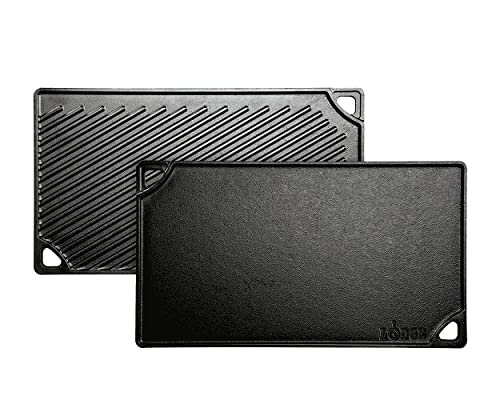
Baking stones and steel provide an excellent hot surface for your bread. They absorb and evenly radiate heat, which is essential for proper oven spring and crust development. Place your dough on a preheated stone or steel, and pop a tray of hot water on the lower rack to generate steam—this method gives you a professional bakery feel right at home.
Heavy-duty Baking Trays
If you don’t have cast iron or stones, a heavy-duty baking tray can still do the job. Choose one with a thick base to avoid hot spots and heat loss. To create steam, you can place an empty metal tray on the bottom rack and carefully pour hot water into it just after putting your bread in the oven. Have you tried this simple trick before to get that perfect crust?
Preparing Your Dough For Crispy Crust
Preparing your dough properly is key to achieving a crispy crust without a Dutch oven. Several factors influence the crust’s texture and color. Focus on hydration, fermentation, and shaping. Each plays a vital role in the final bread quality.
Hydration Levels
Hydration means the amount of water in your dough compared to flour. Higher hydration creates a wetter dough. This moisture helps form steam inside the bread while baking. Steam is essential for a crispy crust. Aim for 70% to 75% hydration for a good balance. Too much water makes the dough hard to handle. Too little water results in a dry crust.
Proper Fermentation
Fermentation allows the dough to develop flavor and texture. Let the dough rest and rise at room temperature until it doubles in size. This process creates gas bubbles that make the bread airy. Longer fermentation time improves crust color and crunch. Use cool temperatures for slow fermentation or warm for faster results. Avoid rushing this step to get the best crust.
Shaping Techniques
Shaping strengthens the dough and helps form a tight outer skin. Use gentle but firm movements to shape your loaf. Create surface tension by pulling the dough taut. This tension traps gases and supports oven spring. Place the shaped dough seam-side down on your baking surface. Proper shaping improves crust thickness and crispness during baking.
Creating Steam Without A Dutch Oven
Steam is key for baking sourdough bread without a Dutch oven. It keeps the crust soft at first, allowing the bread to rise fully. Then, it helps form a crispy, golden crust. Without steam, bread can turn out dry and flat. Here are simple ways to create steam in your oven using common kitchen tools.
Using A Water Tray
Place a metal or glass tray on the oven bottom. Pour hot water into the tray right after putting the dough inside. The water will evaporate, creating steam around the bread. Refill the tray with hot water if needed during baking. This method is easy and helps mimic the moisture inside a Dutch oven.
Spraying Techniques
Use a spray bottle filled with water to mist the oven walls and bread. Spray just after loading the bread and again a few minutes later. This adds moisture quickly and creates steam. Avoid spraying the oven light or heating elements. Keep the mist fine for the best effect.
Covering With Metal Bowls
Place your dough on a baking sheet and cover it with a large metal bowl. This traps steam released by the dough as it bakes. Remove the bowl halfway through baking to let the crust brown. Use an oven-safe bowl that fits comfortably over the dough without touching it.

Credit: idiesfarm.com
Optimal Oven Settings
Baking sourdough bread without a Dutch oven is possible. It requires understanding optimal oven settings. This ensures your bread bakes perfectly. Let's explore how to achieve this.
Preheating Tips
Start by preheating your oven to 450°F (232°C). A hot oven helps the bread rise well. Use a baking stone or sheet to mimic a Dutch oven's heat. Place it in the oven while preheating. This ensures it gets hot enough.
Temperature Management
Once preheated, adjust the temperature to 425°F (218°C). This helps the crust form without burning. Use a thermometer to ensure accuracy. Make sure your oven maintains this temperature throughout baking.
Baking Time Adjustments
Bake your sourdough for 30 minutes at first. Check the color of the crust. If pale, bake for an extra 10-15 minutes. Ensure the bread sounds hollow when tapped. This indicates it is fully baked.
Cooling And Storing Your Bread
Proper cooling and storing are key to keeping your sourdough bread fresh and tasty. After baking, the bread needs time to cool down. This lets the moisture settle and the crust to firm up. How you store the bread affects its texture and shelf life. Good storage keeps the bread soft inside and crispy outside. Knowing how to revive stale bread helps reduce waste and enjoy your loaf longer.
Resting For Texture
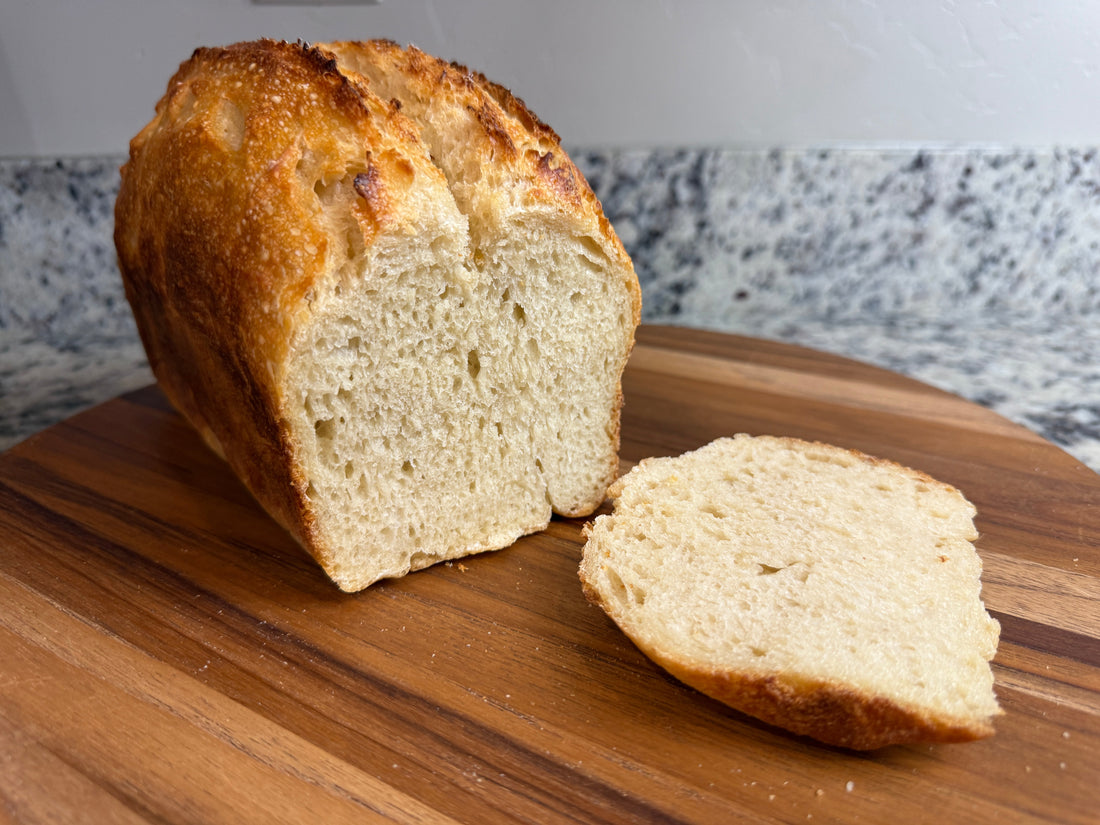
Let the bread cool on a wire rack for at least one hour. This stops steam from making the crust soggy. Cooling helps the crumb set and develop flavor. Avoid wrapping the bread while it is hot. Wrapping traps moisture and softens the crust. Patience here rewards you with better texture and taste.
Storage Methods
- Store bread at room temperature in a paper bag or bread box.
- Use a cloth bag or kitchen towel to keep the crust crisp.
- Avoid plastic bags for fresh bread; they cause sogginess.
- For longer storage, slice and freeze the bread in airtight bags.
- Thaw frozen slices at room temperature or toast them directly.
Reviving Stale Bread
Stale bread does not mean wasted bread. Refresh it in the oven to restore texture.
- Lightly sprinkle water on the crust.
- Heat the oven to 350°F (175°C).
- Place the bread directly on the oven rack for 10-15 minutes.
- This bakes out dryness and brings back crust crispness.
This simple trick improves stale bread for sandwiches or toast. Enjoy your sourdough longer with these easy steps.
Credit: robynonthefarm.com
Frequently Asked Questions
How Can I Bake Sourdough Without A Dutch Oven?
You can bake sourdough using a baking stone or sheet. Create steam by adding water to a tray in the oven. This mimics the Dutch oven's humidity, helping the crust develop properly.
What Substitutes Work For A Dutch Oven In Baking?
Heavy-duty roasting pans or cast iron skillets with lids work well. Use an oven-safe bowl to trap steam. These alternatives retain heat and moisture, essential for sourdough’s crust and crumb.
How Do I Create Steam Without A Dutch Oven?
Place a metal tray on the oven bottom and add hot water. Spray water on oven walls before baking. Steam keeps the crust moist and encourages a crispy exterior.
Can Sourdough Bread Rise Well Without A Dutch Oven?
Yes, proper dough fermentation and oven temperature ensure good rise. Using a baking stone helps maintain heat. Covering the dough with a bowl traps humidity, aiding the rise.
Conclusion
Baking sourdough bread without a Dutch oven is simple and fun. You can use a baking sheet or a cast-iron pan instead. Just follow the right steps for heat and steam. Your bread will have a nice crust and soft inside.
Practice helps you get better each time. Enjoy the smell and taste of homemade sourdough. Baking at home brings joy and tasty results. Try these methods and bake with confidence today!