Baking a turkey in a convection oven can be a game-changer for your holiday meals. You want a bird that’s juicy on the inside and perfectly crispy on the outside, right?
But the idea of adjusting cooking times and temperatures for a convection oven might feel confusing. Don’t worry—this guide will walk you through every step, making the process simple and stress-free. By the end, you’ll know exactly how to get that golden, delicious turkey on your table, impressing your family and guests.
Ready to master the art of convection oven turkey baking? Let’s dive in!
Choosing The Right Turkey
Choosing the right turkey is a key step for baking success in a convection oven. The size, freshness, and preparation of the bird affect cooking time and flavor. Picking the best turkey ensures a juicy and tasty result.
Fresh Vs Frozen
Fresh turkeys have a natural flavor and juicy texture. They require less thawing time but can be harder to find. Frozen turkeys are easier to store and buy. They need full thawing before cooking to avoid uneven cooking.
Size Matters
Choose a turkey size that fits your oven and guest count. Smaller birds cook faster and are easier to handle. Larger turkeys take longer but provide more servings. A 12 to 16-pound turkey works well in most convection ovens.
Preparing The Bird
Remove the giblets and neck from the cavity. Rinse the turkey with cold water and pat dry. Season the bird inside and out for the best taste. Let the turkey rest at room temperature before baking to ensure even cooking.
Credit: www.consumerreports.org
Setting Up Your Convection Oven
Setting up your convection oven correctly is key to baking a perfectly juicy and evenly cooked turkey. Unlike traditional ovens, convection ovens use a fan to circulate hot air, which changes how heat interacts with your bird. Paying attention to temperature, rack placement, and the right cookware will help you get the best results every time.
Temperature Adjustments
Convection ovens cook food faster and more evenly, so you need to lower the temperature compared to a conventional oven. A good rule of thumb is to reduce the recipe temperature by about 25°F (15°C). For example, if your recipe calls for 350°F, set your convection oven to 325°F instead.
Have you ever noticed your turkey browning too quickly on the outside while the inside stays undercooked? Lowering the temperature helps prevent this and allows the heat to reach the center evenly.
Rack Placement
Positioning your turkey correctly in the oven makes a big difference. Place the roasting rack in the center of the oven to allow the hot air to circulate freely around the turkey. Avoid placing the rack too close to the heating elements to prevent uneven cooking or burnt spots.
Remember, the fan needs space to move air, so don’t overcrowd the oven with pans or trays. Giving your turkey room ensures a crisp, golden skin and juicy meat inside.
Using A Roasting Pan
Choose a roasting pan with low sides or one designed for convection ovens. This design improves air circulation around the turkey. Avoid deep pans that can block the fan and trap steam, making the skin soggy instead of crispy.
Consider using a roasting rack inside the pan to lift the turkey off the bottom. This helps heat reach all sides evenly and collects drippings for delicious gravy. Have you tried using a pan with a lid? It might trap moisture, so it’s best to roast uncovered unless you want a softer skin.
Seasoning And Stuffing Tips
Getting the seasoning and stuffing right can transform your turkey from ordinary to unforgettable. Paying attention to how you season and stuff your bird will enhance its flavor and texture, especially in a convection oven where heat circulates more evenly. Let’s dive into some practical tips that will make your turkey juicy, flavorful, and safe to eat.
Dry Rubs And Marinades
Dry rubs are a fantastic way to add a burst of flavor without making the skin soggy. Use a mix of salt, pepper, paprika, garlic powder, and a touch of brown sugar for a well-rounded taste. Rub the mixture generously under and over the skin to let the flavors seep into the meat.
Marinades can add moisture and tenderness, especially if your turkey is a bit older or drier. Consider a simple marinade with olive oil, lemon juice, garlic, and herbs like thyme or rosemary. Marinate the turkey for at least 4 hours or overnight in the fridge for the best results.
Stuffing Safely
Stuffing your turkey can add flavor and aroma, but it’s crucial to keep safety in mind. Always stuff your turkey loosely to allow heat to circulate inside the cavity, reducing the risk of undercooked stuffing. Avoid overpacking; a loosely filled cavity ensures everything cooks evenly.
Check the internal temperature of the stuffing with a food thermometer. It should reach at least 165°F (74°C) to be safe to eat. If you prefer, cook the stuffing separately to avoid any risk and still enjoy all the flavors.
Herbs And Aromatics
Fresh herbs and aromatics can elevate your turkey’s flavor dramatically. Try stuffing the cavity with halved onions, garlic cloves, lemon slices, and fresh herbs like sage, thyme, and rosemary. These ingredients release fragrant steam that infuses the meat as it roasts.
You can also tuck herbs under the skin for a more intense flavor punch. It’s a simple trick I’ve used that works wonders—your turkey will smell incredible and taste even better. What herbs do you enjoy using in your cooking?
Cooking Time And Temperature Guide
Baking a turkey in a convection oven can be a game-changer for your holiday meal. With its efficient heat circulation, a convection oven ensures your turkey cooks evenly and comes out with a perfectly crispy skin. Understanding the right cooking time and temperature is crucial for achieving delicious results. Let's dive into some practical tips to help you get it just right.
Calculating Cooking Time
Determining the cooking time for your turkey involves more than just following a recipe. The general rule of thumb is to cook your turkey at 15 minutes per pound. However, this can vary based on the bird's size and whether it is stuffed or unstuffed.
For a precise calculation, consider your turkey's weight. A 12-pound turkey, for instance, typically requires about 3 hours in a convection oven. Make sure to adjust your timing if your turkey is larger or smaller.
Ideal Oven Temperatures
Setting the correct temperature is essential for a juicy turkey. In a convection oven, you should aim for a cooking temperature of 325°F (163°C). This allows for even cooking while ensuring the skin gets that perfect golden-brown hue.
Wondering why not higher? A higher temperature might cook the outside too fast, leaving the inside undercooked. It's all about balancing heat for that mouthwatering result.
Using A Meat Thermometer
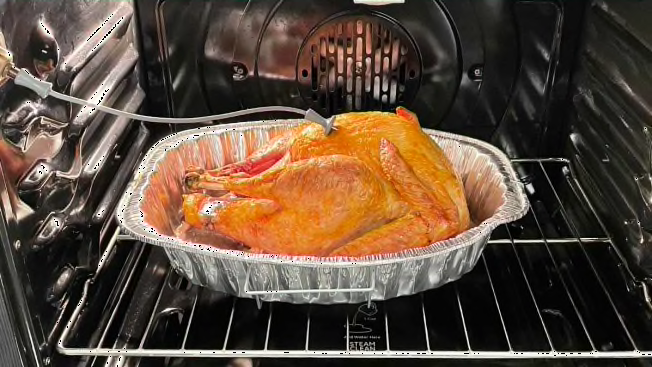
A meat thermometer is your best friend when baking a turkey. It takes the guesswork out of knowing when your turkey is done. Insert the thermometer into the thickest part of the thigh, being careful not to touch the bone.
Your turkey is ready when the thermometer reads 165°F (74°C). Checking the temperature in multiple spots ensures it's cooked thoroughly. Have you ever cut into a turkey only to find it still pink inside? A reliable meat thermometer can help you avoid this disappointment.
Techniques For Juicy Turkey
Keeping your turkey juicy in a convection oven takes more than just setting the right temperature. It involves a mix of smart techniques that lock in moisture and enhance flavor. Let’s dive into practical ways you can achieve that perfect, tender bite every time.
Basting Methods
Basting is a classic technique that helps keep your turkey moist by regularly coating it with its own juices or a flavorful liquid. You can use melted butter, broth, or a mix of herbs and oil to add moisture and richness.
Try basting every 20-30 minutes during cooking, but keep the oven door closed as much as possible to maintain temperature. If you’ve ever skipped basting and ended up with dry turkey, you know how much it makes a difference.
Covering And Tent Tips
Covering your turkey with foil during cooking can prevent the skin from drying out and protect the meat’s natural juices. A loose tent of aluminum foil allows the turkey to cook evenly without trapping steam that might make the skin soggy.
Remove the foil during the last 30 minutes to let the skin crisp up beautifully. Have you noticed how some turkeys come out too browned on the outside but dry inside? This simple foil trick can help you avoid that.
Resting Before Carving
Resting the turkey after it comes out of the oven is crucial for juicy meat. Let your bird sit covered with foil for at least 20-30 minutes before carving.
This pause lets the juices redistribute, so they don’t spill out when you slice. Ever carved a turkey right away and ended up with a dry platter? Patience here is key to juicy results.
Troubleshooting Common Issues
Cooking a turkey in a convection oven can sometimes lead to unexpected challenges. You might find the meat too dry, notice uneven cooking, or struggle to get that perfect crispy skin. These issues are common, but they don’t have to ruin your meal. Let’s look at practical ways you can fix these problems and make your turkey dinner a success.
Dry Meat Fixes
If your turkey turns out dry, it’s usually because it cooked too long or at too high a temperature. Try lowering the oven temperature by 25°F and check the internal temperature early to avoid overcooking.
Another tip is to brine or marinate your turkey before cooking. This adds moisture and helps keep the meat juicy. Don’t forget to baste your turkey occasionally during roasting to lock in juices.
Have you tried covering the breast with foil halfway through cooking? This simple trick can protect the leaner parts from drying out while the rest continues to cook.
Uneven Cooking Solutions
Uneven cooking happens when the heat doesn’t circulate properly around the turkey. Make sure you place the bird on a rack so hot air can flow underneath and around it.
Rotate your turkey at least once during cooking to promote even browning and temperature distribution. If your convection oven has hot spots, consider using an oven thermometer to find the coolest and warmest areas.
Ever thought about tenting the turkey with foil? It can shield parts that cook faster, giving the slower sections a chance to catch up without burning.
Crispy Skin Tips
Crispy skin is a sign of a well-roasted turkey, but it’s tricky to get right. Pat the skin dry with paper towels before seasoning to remove excess moisture that prevents crisping.
Try brushing the skin with oil or melted butter. This not only adds flavor but also helps the skin brown nicely. Setting your convection oven to a higher temperature for the last 15-20 minutes can also boost crispiness.
Have you considered letting your turkey rest uncovered in the fridge for a few hours before cooking? This dries out the skin and makes it crisp up beautifully during roasting.
Serving And Leftover Ideas
After your turkey has rested and it’s time to serve, how you present and use the leftovers can make a big difference in your meal experience. Serving the turkey properly enhances its flavor and texture, while smart storage keeps it fresh for days. Don’t let those delicious leftovers go to waste—there are plenty of ways to enjoy them that might surprise you.
Carving Techniques
Carving your turkey the right way helps keep the meat juicy and makes it easier to serve. Start by removing the legs and thighs first; they hold more flavor and are easier to slice into manageable pieces.
Next, carefully slice the breast meat against the grain for tender, bite-sized pieces. Use a sharp carving knife and steady your cuts to avoid shredding the meat.
Have you ever tried carving on a large cutting board with plenty of space? It prevents crowding and helps you see exactly where to cut, saving you time and frustration.
Storing Leftovers
Store your turkey leftovers in shallow airtight containers to cool them quickly and keep them fresh longer. Label the containers with the date so you know when to use them up.
Keep the turkey refrigerated and consume within 3 to 4 days for the best taste and safety. If you want to save it longer, freezing the meat in portions works well and prevents freezer burn.
Do you struggle with reheating leftovers without drying them out? Adding a splash of broth or wrapping the slices in foil before warming helps maintain moisture.
Creative Recipes
Leftover turkey can transform everyday meals into something special. Toss diced turkey into a hearty soup or stew for added protein and flavor.
Make sandwiches with turkey, cranberry sauce, and a bit of mayo for a quick, tasty lunch. Or try turkey enchiladas with cheese and salsa for a fun twist.
Have you thought about mixing shredded turkey into pasta dishes or salads? It’s an easy way to add variety without extra cooking.

Credit: wholesalefoilpans.com

Credit: food52.com
Frequently Asked Questions
How Long To Bake A Turkey In A Convection Oven?
Bake the turkey for about 10-12 minutes per pound at 325°F. Convection ovens cook faster due to circulating hot air. Always use a meat thermometer to check for 165°F internal temperature for safety and juiciness.
Should I Reduce Temperature For Convection Turkey Baking?
Yes, reduce the oven temperature by 25°F from the recipe’s conventional oven temperature. This adjustment prevents overcooking and ensures even browning in a convection oven.
How To Keep Turkey Moist In A Convection Oven?
Baste the turkey regularly and tent it with foil if needed. Use a roasting pan with a rack to allow air circulation and prevent drying out.
Can I Cook A Stuffed Turkey In A Convection Oven?
Yes, but ensure the stuffing reaches 165°F for food safety. Cooking times may increase, so check the turkey and stuffing temperatures separately with a meat thermometer.
Conclusion
Baking a turkey in a convection oven saves time and cooks evenly. The hot air circulates, making the skin crispy and the meat juicy. Remember to set the right temperature and use a thermometer to check doneness. Let the turkey rest before carving to keep it tender.
This method is simple and works well for any holiday meal. Enjoy your delicious turkey with family and friends. Practice a few times, and you will feel confident every time. Cooking can be easy and fun with the right tools.