Have you ever wondered how to get that perfect, crispy crust on your homemade pizza? Using a pizza stone might be the secret you’re missing.
It can turn your kitchen into a pizzeria and give your pizza that restaurant-quality taste and texture. You’ll discover simple, step-by-step tips to bake mouthwatering pizza right at home using a pizza stone. Get ready to impress your family and friends with every slice! Keep reading to unlock the easy tricks that will make your pizza unforgettable.

Choosing The Right Pizza Stone
Choosing the right pizza stone is key to baking great pizza at home. The stone affects the crust’s texture and baking speed. Different stones offer varied heat retention and cooking results. Picking the best one depends on your needs and oven size.
Material Types
Pizza stones come in various materials. Each has pros and cons for baking.
- Cordierite:Durable and heats evenly. Resists cracking from temperature changes.
- Ceramic:Affordable and cooks well. More fragile and can break easily.
- Clay:Traditional choice with good heat retention. Can be brittle and needs careful handling.
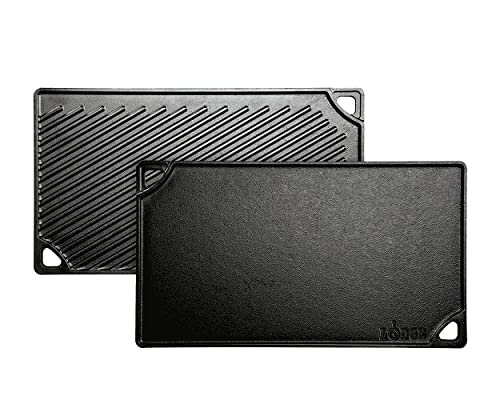
- Cast Iron:Heats quickly and holds heat long. Requires seasoning and care to avoid rust.
- Steel:Very hot and fast baking. Heavier and more expensive than others.
Size And Thickness
Size matters for fitting the stone in your oven. It should match your oven’s width and depth. Bigger stones hold more heat but take longer to warm up.
Thickness affects heat retention and cooking time. Thicker stones keep heat longer but need more preheating. Thin stones heat fast but cool quickly, affecting crust crispness.
Maintenance Tips
Clean your pizza stone carefully to keep it in good shape. Avoid soap, which can absorb into the stone.
- Let the stone cool before cleaning.
- Use a brush or scraper to remove stuck food.
- Wipe with a damp cloth if needed.
- Do not soak or put in dishwasher.
- Store in a dry place to prevent cracks.
Preparing Your Pizza Stone
Preparing your pizza stone properly is key to baking a delicious, evenly cooked pizza with a perfectly crisp crust. The stone acts like a heat reservoir, so how you treat and heat it makes a big difference in your pizza outcome. Taking the time to prepare your pizza stone carefully will help you avoid frustrating results and enjoy better homemade pies.
Initial Seasoning
Before using your pizza stone for the first time, it’s important to season it. This step helps create a natural non-stick surface and prevents cracks caused by sudden temperature changes.
Start by wiping the stone with a damp cloth—no soap needed. Then, spread a thin layer of vegetable oil or flaxseed oil over the surface. Place it in a cold oven and heat to 400°F (200°C) for about an hour.
This process allows the oil to bake into the stone, improving its durability and performance. Have you ever skipped this step and ended up with dough sticking stubbornly to the stone? Seasoning can save you from that frustration.
Preheating Techniques
Preheating your pizza stone correctly is crucial for a crispy crust. Place the stone on the lowest rack in a cold oven and heat the oven to its highest temperature, usually between 475°F and 500°F (245°C to 260°C).
Allow the stone to heat for at least 45 minutes to an hour. This ensures the stone absorbs enough heat to cook your pizza quickly and evenly.
Try not to place a cold pizza directly on a cold stone; it won’t cook properly. Instead, let the stone get screaming hot before sliding your pizza on.
Avoiding Common Mistakes
- Don’t use soap on your stone.Soap can seep into the porous surface and affect the taste of your pizza.
- Avoid rapid temperature changes.Placing a cold stone in a hot oven or washing it with cold water right after baking can cause cracking.
- Skip the freeze.Never store your pizza stone in the freezer; the moisture can cause damage during heating.
- Don’t overload toppings.Too many toppings create moisture that prevents the crust from crisping properly.
Have you ever faced a cracked pizza stone or a soggy crust? Most likely, one of these common mistakes was the culprit. Treating your stone with care will improve your pizza baking experience dramatically.
Crafting The Perfect Dough
Crafting the perfect dough sets the foundation for a delicious pizza. The dough affects the texture, flavor, and overall experience. A well-made dough creates a crispy crust with a soft inside. It holds toppings well and bakes evenly on a pizza stone.
Focus on quality ingredients, proper kneading, and shaping. These steps help develop gluten and texture. Patience during rising improves the dough’s flavor and structure.
Ingredients For Crispy Crust
- All-purpose or bread flour for good gluten strength
- Warm water to activate yeast
- Active dry yeast for rise and airiness
- Salt to enhance flavor
- Olive oil for tenderness and crispiness
- Sugar to feed the yeast and improve browning
Kneading And Rising Tips
Knead dough until smooth and elastic. This usually takes about 8 to 10 minutes by hand. Use the heel of your hand to push the dough away, then fold it back.
Let the dough rise in a warm place. Cover it with a damp cloth or plastic wrap. Rising time varies, but 1 to 2 hours is typical until the dough doubles in size.
For better flavor, allow a slow rise in the fridge overnight. This step is optional but highly recommended.
Shaping The Dough
Start by punching down the dough to release air. Lightly flour your surface to avoid sticking. Gently stretch the dough with your hands.
Avoid using a rolling pin. It can press out air bubbles and make the crust dense. Instead, use your fingers to shape the dough into a round disk.
Leave a slightly thicker edge to form the crust. This helps hold sauce and toppings without spilling over.

Assembling Your Pizza
Spread the dough evenly on a floured surface before placing it on the pizza peel. Layer sauce, cheese, and toppings carefully to avoid sogginess. Transfer the pizza gently onto the preheated pizza stone for even baking and a crispy crust.
Assembling your pizza is a creative and fun process. The choices you make here define your pizza's taste and texture. Let's explore how to assemble a perfect pizza.
Choosing Sauces And Toppings
Select a sauce that complements your toppings. Tomato sauce is a classic choice. Pesto adds a fresh, herby flavor. For a white pizza, use garlic-infused olive oil. When adding toppings, less is more. Overloading can lead to a soggy crust. Choose a balance of flavors and textures.
Balancing Moisture Levels
Too much moisture can ruin your pizza. Use fresh mozzarella sparingly or pat it dry. Precook watery vegetables like mushrooms. This reduces their moisture content. Avoid canned toppings with heavy syrup or juice.
Using Cornmeal Or Flour
Cornmeal or flour keeps the dough from sticking. Sprinkle a thin layer on your pizza peel. This helps slide the pizza onto the stone. Cornmeal adds a subtle crunch and flavor. Flour is flavor-neutral and works well too.
Baking On The Stone
Baking pizza on a stone changes everything about how your crust turns out. The stone absorbs heat evenly and releases it slowly, giving your pizza a crisp, golden base that’s hard to achieve on a regular baking sheet. Getting the process right means paying attention to oven temperature, how you place the pizza, and when to rotate it.
Optimal Oven Temperature
Set your oven to a high temperature, typically between 475°F and 500°F (245°C to 260°C). This heat level mimics the intense environment of a traditional pizza oven, helping the stone work its magic. Don’t rush by baking at lower temperatures—it often results in a soggy crust.
Let the stone preheat for at least 30 minutes. This gives it time to soak up heat thoroughly, ensuring every inch is hot when your pizza hits the surface. Have you ever tried putting your pizza on a cold stone? It’s a quick way to end up with uneven cooking.
Placing Pizza On The Stone
Use a pizza peel or a flat baking sheet dusted with flour or cornmeal to slide your pizza onto the stone. This prevents sticking and keeps your toppings in place. Be gentle but swift—hesitating can cause your dough to fold or toppings to shift.
Avoid placing the pizza directly from the fridge; let it sit at room temperature for about 20 minutes. Cold dough can shock the stone, leading to uneven cooking. What’s the best way you’ve found to transfer your pizza without losing toppings?
Timing And Rotation
Bake your pizza for 8 to 12 minutes, depending on thickness and toppings. Start checking around 7 minutes to avoid burning. Keep an eye on the crust color and bubbling cheese as your main indicators.
Rotate your pizza halfway through baking to promote even cooking. Stones can have hot spots, especially if your oven’s heat distribution isn’t perfect. Small adjustments like this make a big difference in getting that perfect crust and melted toppings.

Achieving Crispy Crust
Achieving a crispy crust on your pizza when using a pizza stone is all about controlling the heat and moisture during baking. The stone's ability to absorb and evenly distribute heat plays a crucial role, but your technique can make all the difference. Let’s dive into key tips that help you get that perfect, crunchy base every time.
Heat Distribution Tips
Preheat your pizza stone for at least 30 minutes before baking to ensure it reaches an even, high temperature. This deep heat penetration is what crisps the dough from below without drying it out.
Place the stone on the middle rack of your oven to allow hot air to circulate evenly around the pizza. Avoid placing it too close to the top heating element, which can burn the toppings before the crust cooks through.
Try rotating your pizza halfway through baking to prevent hot spots from creating uneven crispiness. Have you noticed uneven cooking on one side? This simple rotation can fix that.
Steam Management
Too much steam in the oven can make your crust soggy instead of crispy. Avoid covering your pizza while it bakes, as trapping moisture will soften the crust.
You can create a more controlled environment by briefly opening the oven door after the first 5-7 minutes of baking to release excess steam. This helps the crust firm up without losing heat for too long.
If you like, sprinkle a little cornmeal or semolina on the stone before placing your dough. These grains absorb moisture and prevent sticking, adding a slight crunch under your crust.
Cooling And Serving
Once your pizza is out of the oven, place it on a wire rack to cool for a couple of minutes. This allows air to circulate underneath, preventing the crust from becoming soggy from trapped steam.
Cut your pizza only after a short rest. If you slice it immediately, the toppings might slide off and the crust can lose some crispness.
Serving your pizza warm is key. If you’re not eating right away, briefly reheating it on the stone can bring back that crispy texture. Have you tried this trick? It works wonders for leftovers!
Cleaning And Caring For Your Stone
Keeping your pizza stone clean and well-cared for ensures it lasts for years and continues to deliver perfectly baked pizzas. Unlike regular pans, pizza stones require special attention because their porous surface absorbs moisture and oils. How you clean and store your stone can make a big difference in its performance and durability.
Avoiding Soap And Water
Never use soap or detergent on your pizza stone. The porous material soaks up soap, which can leave an unpleasant taste on your next pizza. Instead, let the stone cool completely after baking, then scrape off any loose crumbs or residue with a spatula or bench scraper.
If you feel the stone needs more cleaning, wipe it with a damp cloth rather than soaking it in water. Too much water can get absorbed and cause the stone to crack when heated next time. Have you noticed how a dry wipe cleans just as well without damaging the stone?
Removing Stubborn Residue
Sometimes, bits of baked-on cheese or sauce can be tough to remove. Use a plastic scraper or a stiff brush to gently loosen these spots. Avoid metal tools that can scratch or damage the stone’s surface.
For really stubborn stains, try sprinkling coarse salt on the stone and scrubbing it with a damp cloth. The salt acts as a mild abrasive without harming the stone. This trick helped me remove burnt cheese without any damage—have you ever tried it?
Storage Advice
Store your pizza stone in a dry place to prevent moisture buildup. Avoid stacking heavy pans or items on top of it, which can cause cracks or chips. If space is tight, keep the stone in the oven when it’s not in use; this also helps maintain an even temperature inside your oven.
Consider placing a paper towel or cloth between the stone and any surface to protect it from scratches. How you store your stone can affect its lifespan just as much as how you clean it. What’s your current storage setup like?
Frequently Asked Questions
How Do I Prepare A Pizza Stone Before Baking?
To prepare a pizza stone, preheat it in the oven at 475°F for 30 minutes. Avoid using soap; just scrape off residue after use. This ensures even heat distribution and a crispy crust.
Can I Use A Pizza Stone On A Grill?
Yes, you can use a pizza stone on a grill. Preheat the stone on medium-high heat for 30 minutes. This helps achieve a crisp crust similar to oven baking.
How Long Should I Bake Pizza On A Pizza Stone?
Bake your pizza on a stone for 8 to 12 minutes at 475°F. Keep an eye on the crust color to avoid burning. Adjust time based on toppings and thickness.
What Dough Works Best For Pizza Stone Baking?
Thin to medium-thick dough works best on a pizza stone. It allows heat to transfer evenly for a crispy, chewy crust. Avoid overly thick dough for best results.
Conclusion
Baking pizza on a pizza stone gives a crispy, tasty crust every time. Heat the stone well before placing your pizza on it. This method helps cook the dough evenly and quickly. Use simple toppings and avoid soggy results. Practice makes perfect, so try different recipes and temperatures.
Enjoy fresh, homemade pizza with a wonderful texture. Your kitchen can feel like a pizzeria. Baking pizza this way is easy and fun to do. Give it a try and enjoy great results!